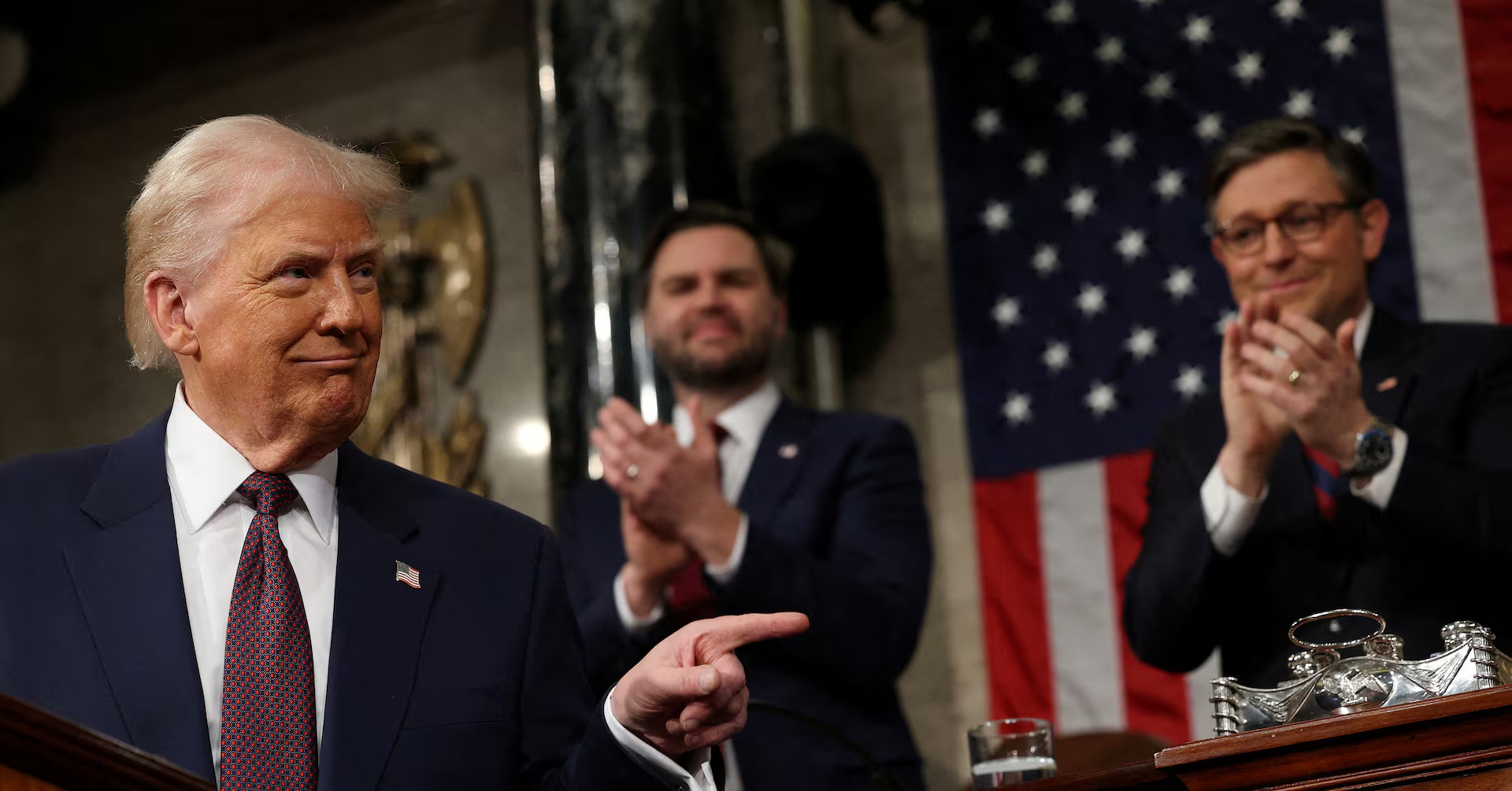
U.S. regulators are easing bank examinations and disciplinary notices, focusing more on core financial risks and less on non-core issues like climate change and diversity, as part of a broader overhaul under the Trump administration aimed at reducing regulatory burdens and focusing on key safety metrics.
The article humorously discusses AI's obsession with using em dashes in writing, highlighting how overuse can make AI-generated content seem less human. It offers practical advice for maintaining authentic voice by writing drafts manually, editing out AI telltale signs like excessive em dashes, and reintroducing personal tone to ensure communication remains genuine. The key message is that AI should be supervised and used as a tool to enhance, not replace, human expression.
Federal Reserve Vice Chair Bowman outlined a pragmatic approach to banking supervision and regulation, emphasizing tailored oversight, risk-focused supervision, reform of capital frameworks, transparency in application processes, and workforce development to ensure a safe, sound, and innovative banking system.
Vice Chair for Supervision Barr testified before the Committee on Financial Services, U.S. House of Representatives, discussing the soundness and resilience of the banking system, current conditions in the banking sector, supervision, and recent regulatory proposals. Barr highlighted that the banking system is sound and resilient, with capital and liquidity ratios above regulatory levels. He also addressed the failures of certain banks due to excessive interest rate risk and over-reliance on uninsured deposits. Barr emphasized the need for improved supervision, particularly as banks grow in size and complexity, and highlighted the importance of addressing material risks and vulnerabilities. He discussed the proposed reforms to the capital requirement framework, which aim to increase the quantity and quality of capital and reduce the likelihood of future financial crises. Barr also mentioned the proposed extension of long-term debt requirements and the finalization of a rule strengthening and modernizing the Community Reinvestment Act regulations.
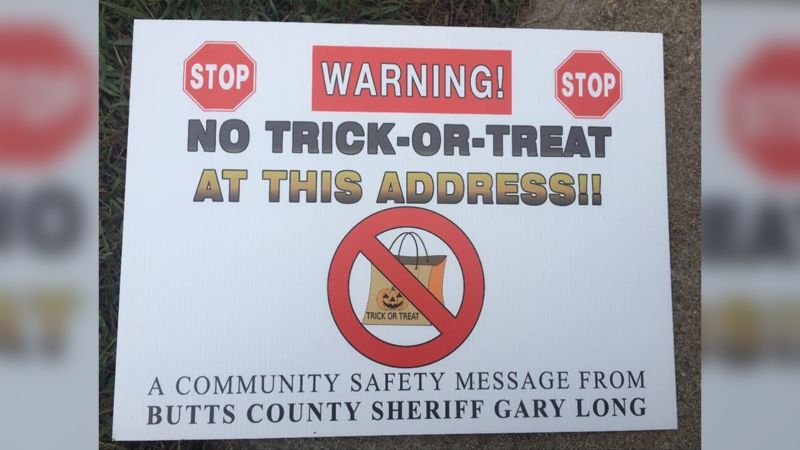
In some states, law enforcement agencies take extra safety measures on Halloween to keep sex offenders away from children. Measures include home checks, curfews, and restrictions on decorations and candy distribution. Critics argue that these measures are invasive and unnecessary, as the majority of child sex crimes are committed by family members or acquaintances. However, law enforcement agencies prioritize caution and provide resources such as sex offender locators for parents to ensure child safety during Halloween.
A 13-year-old has been arrested in connection with vandalism at MLK Park in Buffalo, with more arrests potentially forthcoming. The teen is charged with burglary and criminal mischief after a family member recognized them in surveillance footage and brought them to the authorities. The vandalism involved pouring a large amount of industrial glue near a splash pad, causing an estimated $50,000 in damage. Another incident of vandalism occurred at Riverside Park, and a previous case at Cazenovia Park resulted in charges against another 13-year-old. City officials are calling for increased supervision of teenagers and harsher consequences for these crimes, while also increasing police presence in parks to deter further vandalism.
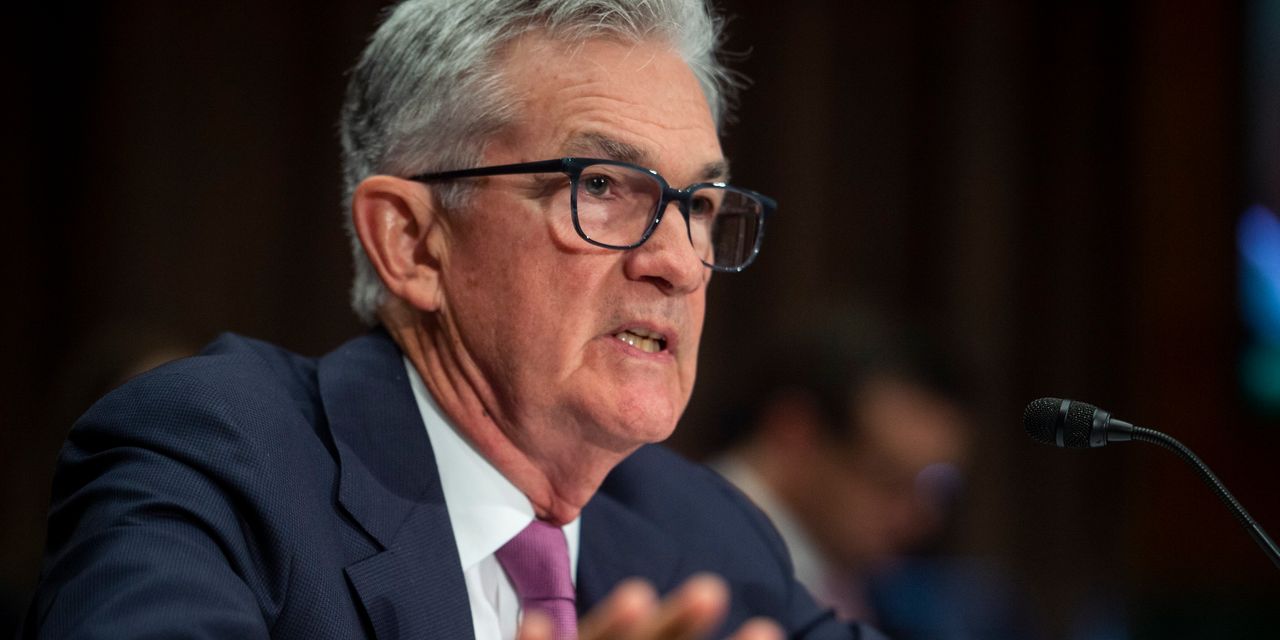
Jerome Powell, the Chairman of the Federal Reserve, emphasized the importance of stronger regulation and supervision in the banking sector, citing recent bank failures as evidence. Powell highlighted the need for robust oversight to ensure financial stability and prevent future crises.
Fed Governor Michelle Bowman has criticized the lack of a clear regulatory framework for digital assets in the US, warning that financial institutions have been left in a "supervisory void" in terms of emerging technologies. Bowman called for attention from global regulators to the current supervision of novel banking activities, in particular banking as a service and digital assets. Without a clear regulatory framework, regulators may impose new requirements on businesses after significant investments have been made, she added.
Porsche has announced that it will use Mobileye's advanced sensor suite, SuperVision, in its future production cars. The system includes a mix of cameras and radar sensors and will enable a range of advanced driver-assistance systems, including hands-free traffic jam assists. SuperVision also includes a driver-monitoring system and Mobileye's latest EyeQ 6 system-on-a-chip to make sense of all that input. Porsche is not the only part of the Volkswagen Group to partner with Mobileye to use SuperVision. VW Commercial Vehicles will also use Mobileye tech.
Porsche has partnered with Mobileye to bring hands-free automated assistance and navigation functions to future sports cars. Mobileye’s SuperVision technology platform will serve as the foundation for advanced driver assistance systems (ADAS) in Porsche’s future vehicles. SuperVision allows cars to follow navigation routes, autonomously change lanes and automatically overtake slower vehicles on multilane roads. Porsche will fully integrate Mobileye’s ADAS into its future models, and the company’s in-house engineers will develop custom systems to monitor the driver’s attention.
The Federal Reserve's report on Silicon Valley Bank reveals that the banking industry is headed for further difficulty, and that the Federal Reserve's supervision needs to improve if it expects to handle it successfully. The report confirms that Silicon Valley Bank was poorly managed and supervised, and that the Fed's supervision of the bank was woefully inadequate. The report also suggests that circumstances around these supervisory weaknesses are probably systemic, and that the banking industry has responded by taking on a greater degree of credit and market risk, which is being tested as interest rates rise.
The FDIC released an internal review report evaluating its supervision of Signature Bank, New York, from 2017 until its failure in March 2023. The report identifies poor management as the root cause of the bank's failure and assesses the FDIC's supervision of the bank. The report finds that the FDIC conducted targeted reviews and ongoing monitoring but could have escalated supervisory actions sooner and experienced resource challenges with examination staff. The report recommends further study by the FDIC related to examination guidance, processes, and resources.
The Federal Reserve Board has released the results of its review of the supervision and regulation of Silicon Valley Bank, which found that the bank's board of directors and management failed to manage their risks, and that Federal Reserve supervisors did not fully appreciate the extent of the vulnerabilities as the bank grew in size and complexity. The report includes more than two dozen documents containing the bank's confidential supervisory information and details the bank's rapid growth, as well as the challenges Federal Reserve supervisors faced in identifying the bank's vulnerabilities and forcing the bank to fix them.
Experts argue that the recent collapse of Silicon Valley Bank, Signature Bank, and Credit Suisse could have been prevented by better regulation and supervision by the Federal Reserve. The focus should be on ensuring that the rules are being enforced, and the danger of deregulation has been revealed. The rollback of Dodd-Frank regulations by the Trump administration has been pointed to as one of the main reasons for the bank's failure.
Officials from the People's Bank of China have called for stronger defences against financial risks, including accelerating legislation of the Financial Stability Law and improving legal arrangements. They also recommended strengthening supervision of financial institutions' data accuracy and allowing the insurance deposit system to deal with problematic banks in a swift and orderly manner. The authors emphasized the need to consolidate capital reserves for dealing with financial risks to ensure sufficient resources are available to dispose of risks in a timely manner.