Tag

Bank Failures

All articles tagged with #bank failures

finance1 year ago

Trump Team Eyes Major Cuts to Bank Regulation, Sparking Economic Concerns

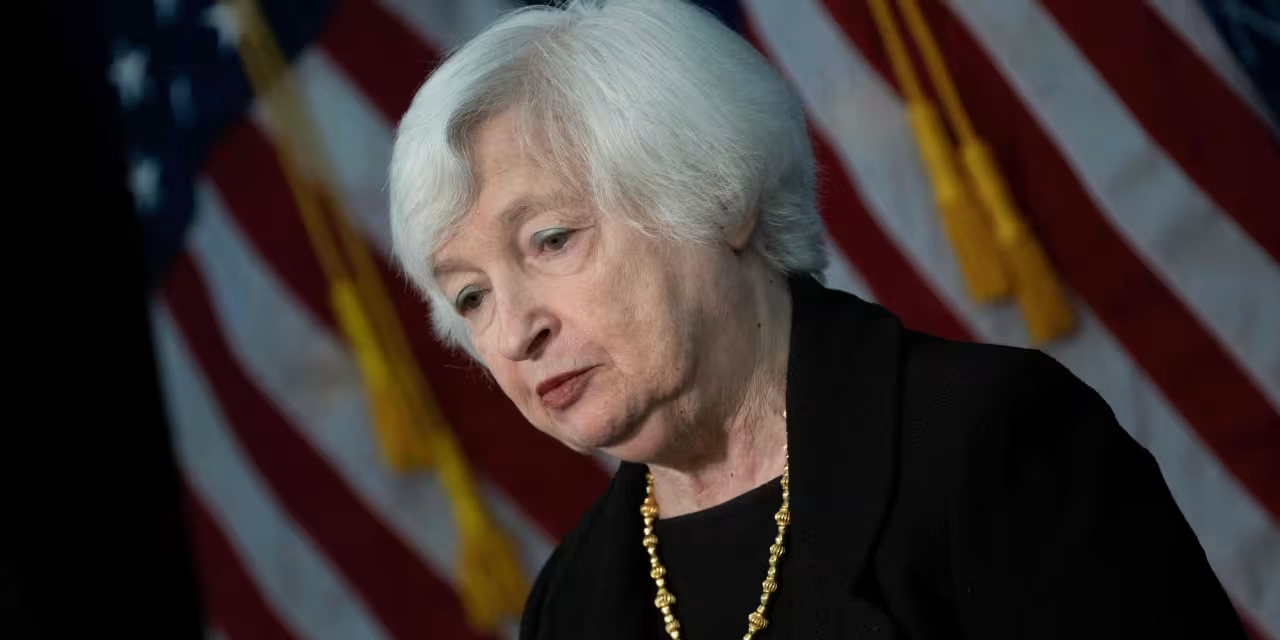
U.S. Treasury Secretary Janet Yellen has cautioned the incoming Trump administration against making radical changes to the current bank regulatory framework, emphasizing the importance of maintaining oversight on banks' capital, liquidity, and risk-taking. Yellen acknowledged the system's imperfections but warned that reducing regulation could lead to financial instability, referencing past bank failures like Silicon Valley Bank and Signature Bank. She expressed concern over reports that Trump's team might seek to reduce or eliminate top bank regulators, stressing the need for appropriate supervision and deposit insurance to prevent financial crises.
finance1 year ago

"Reflections on Regional Banks and Neobanks Post-SVB Collapse"

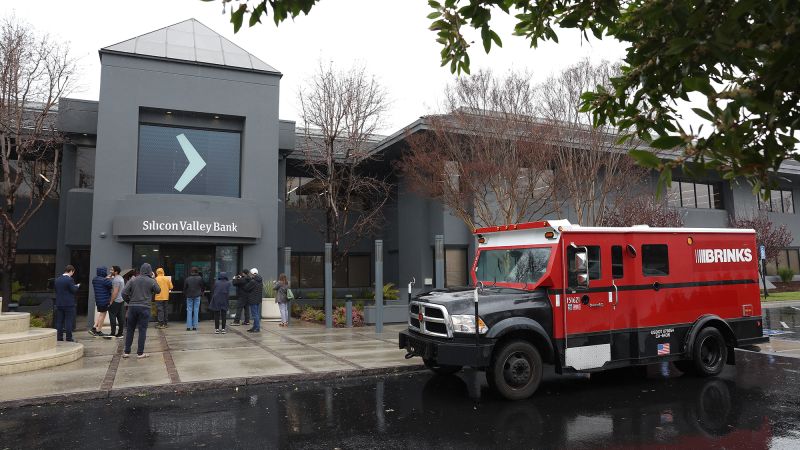
Bruce Van Saun, CEO of Citizens Financial Group, discusses the aftermath of the collapse of Silicon Valley Bank and the challenges faced by regional banks in the wake of the banking crisis. He attributes the failures to rapid growth, high uninsured deposits, and poor risk management. Van Saun emphasizes the joint responsibility of bank management and financial supervisors in preventing such failures. He also shares insights on the impact of the crisis on Citizens Financial Group and the changes in their business model. Additionally, he comments on New York Community Bank's situation and addresses concerns about potential banking stress related to commercial real estate loans.

financeeconomy1 year ago

"Powell Foresees Bank Failures Due to Commercial Real Estate Woes"

Federal Reserve Chair Jerome Powell warned that mounting bad commercial real estate loans may lead to some bank failures, but assured that it won't pose a risk to the overall financial system. Powell stated that the Fed is working with lenders to address potential losses and identified banks with high commercial real estate concentrations as particularly at risk. Financial regulators have been closely monitoring the situation, with concerns highlighted by recent troubles at New York Community Bancorp. The non-current rate for non-owner occupied commercial real estate loans has risen to the highest since 2014, prompting the need for monitoring, according to Martin Gruenberg, chair of the Federal Deposit Insurance Corp.

financeeconomy1 year ago

"Powell Warns of Bank Failures Due to Commercial Real Estate Losses"

Federal Reserve Chair Jerome Powell warned that some smaller and medium-sized banks could face failure due to their exposure to declining commercial real estate values, driven by the shift to remote work. Powell emphasized that the issue is not a major concern for large banks, but the Fed is working with at-risk banks to ensure they have enough capital and liquidity to weather the losses. While the decline in commercial real estate values could lead to bank failures, Powell expressed confidence that the Fed and financial regulators would be able to contain the fallout and prevent a broader crisis.

economy2 years ago

"US Office Loans Underwater: A Looming Threat to Banks and Real Estate"

Approximately 44% of office properties in the U.S. are underwater on their loans, posing a threat to banks as loan defaults could result in billions of dollars in losses. A 10% default rate on commercial real estate loans could lead to potential losses of $80 billion, putting many regional banks at risk of solvency runs. The rising cost of debt and doubling interest rates since the loans were originated make it difficult for a significant portion of CRE loans and office loans to refinance when debt matures. The Federal Reserve's potential rate cuts in 2024 may alleviate distress, but the exposure of banks to CRE distress remains a serious risk to their survival.

finance2 years ago

US regulators implement cost-reducing rules for bank failures, impacting regional banks and liquidity requirements

US financial regulators have approved new rules aimed at reducing the cost of bank failures. The rules include a requirement for banks with at least $100 billion in assets to issue around $70 billion in long-term debt to absorb losses in case of insolvency. This is intended to prevent banks from tapping into the FDIC's Deposit Insurance Fund (DIF). The FDIC also proposed a rule that would force banks to disclose more details on how they could be managed if they were to fail. Critics argue that these rules could harm banks and restrict financing to small businesses.

finance2 years ago

"Office Buildings Transformed: From Concrete Jungles to Serene Parklands"

Barry Sternlicht, billionaire investor and CEO of Starwood Capital Group, warns that the commercial real estate industry is facing a "category 5 hurricane" due to surging interest rates and the rise of remote work. He believes that office buildings with high vacancy rates may become parkland or fields of grain, while the nicer buildings will continue to be rented at good rates. Sternlicht also warns of potential bank failures if the commercial real estate sector continues to decline, creating a "doom loop" between regional banks and the industry. However, he sees this as an opportunity to buy distressed assets and build his multibillion-dollar empire, as he did during the savings and loan crisis in the 1980s.

real-estate2 years ago

"Office Buildings Transformed: From Concrete Jungles to Serene Parklands"

Barry Sternlicht, billionaire investor and CEO of Starwood Capital Group, warns that the commercial real estate industry is facing a "category 5 hurricane" due to surging interest rates and the rise of remote work. He believes that central banks' efforts to tame inflation have negatively impacted the industry, making financing commercial real estate transactions expensive or nearly impossible. Sternlicht predicts that office real estate will be split into haves and have-nots, with many struggling properties potentially going out of business. He also warns of a potential doom loop scenario, where regional bank failures could be triggered by the ongoing downturn in commercial real estate. However, Sternlicht sees an opportunity in distressed assets and believes there could be a "second RTC" if more banks fail, presenting a chance to buy assets at a discounted price.

finance2 years ago

Fed's Daly Acknowledges Supervisory 'Slowness' in Silicon Valley Bank Failure

San Francisco Federal Reserve Bank President Mary Daly stated that the failure of Silicon Valley Bank (SVB) was due to regulators being too slow to take action. Daly emphasized that she does not have a supervising role in SVB but believes that other officials waited too long to address regulatory issues. The postmortem report on SVB's failure highlighted the problem of slowness in regulatory action. Daly clarified that supervision is a system-wide activity and that the responsibility for fixing regulatory issues lies with the Fed's Board of Governors. She also discussed the Fed's ongoing fight against inflation and the challenges of raising rates without causing a recession or allowing inflation to remain above the central bank's target. Other Fed officials also spoke about the need for rate hikes to combat inflation.

finance2 years ago

US Bank Failures Looming, Warns Fund Manager.

Soros Fund Management CEO Dawn Fitzpatrick warns that the banking sector crisis is not over yet and more bank failures are in sight, particularly in small banks. She believes that there are more problems under the surface and banks have to prepare for incoming regulatory measures that will require them to report their unrealized losses on assets such as government bond holdings. Fitzpatrick also predicts that there will be a lot more scrutiny on liquidity management and liability management, which was not given much focus during the 2008 financial crisis.

finance2 years ago

Yellen's Warnings and Support for Real Estate, Crypto, and Banking.

Treasury Secretary Janet Yellen has warned that banks could face strain from their exposure to weakening commercial real estate valuations, particularly in the office property sector, due to changing attitudes towards remote work and higher interest rates. Experts predict office values could fall by 20%-50% from peak levels, with multifamily values dropping as much as 22.5%. Banks own 61% of US commercial property debt, and Yellen says they are preparing for restructuring and difficulties ahead. However, stress tests show they have adequate capital to withstand fallout from the commercial property market.

finance2 years ago

FDIC Reports Record Drop in US Bank Deposits, Causing Banking Crisis and Stock Tumbles.

The US banking system saw a decline in total deposits in Q1 2023, even as insured deposits rose, due to withdrawals of uninsured deposits amid the banking crisis caused by the failures of three regional banks. The decline in overall deposits was driven by depositors with uninsured balances in excess of the FDIC’s $250,000 limit on insured deposits. The FDIC's Deposit Insurance Fund (DIF) saw its balance decline by $12.1 billion from the end of Q4 2022 to March 31, 2023, when it stood at $116.1 billion. The decline was due to loss provisions for actual and anticipated bank failures.

finance2 years ago

"Powell suggests credit stress may alter Fed's rate plans."

The private credit crunch resulting from three of the largest bank failures in U.S. history may be taking the Fed off the hook for more rate hikes, Fed Chair Jerome Powell suggested Friday. The bank failures and response from the financial sector may be hastening the U.S. economy toward a recession, which the Fed has been predicting since March. Further stress on financial markets is coming from the refusal so far of Congress to raise the debt ceiling, which could force a default on U.S. public debt. International economic conditions that facilitated low inflation over the past several decades may be changing, Powell noted Friday.

finance2 years ago

Senate Hearing Grills Bank Executives on Risk Management and Compensation

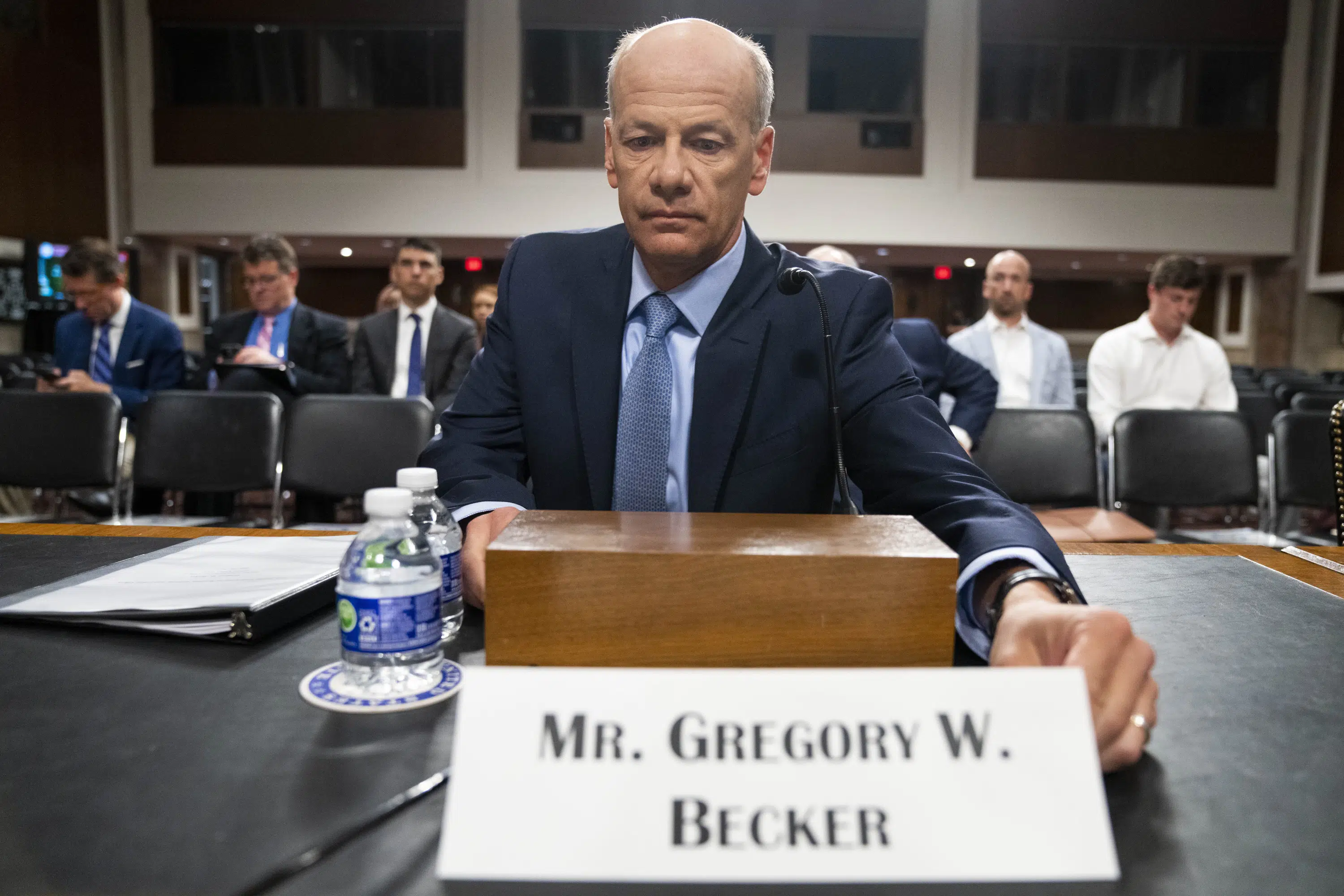
Executives from two failed US banks appeared before the Senate Banking Committee to answer questions about their banks' collapse, executive pay, and risk management. Senators criticized the CEOs for receiving millions in compensation, mostly in company stock, before their banks failed. The anger over CEO pay echoes that of the 2008 financial crisis, and clawing back CEO pay has gained bipartisan attention. Four senators have introduced legislation that would give the FDIC authority to claw back any pay made to executives in the five years leading up to a bank's failure.