The article discusses how a Swiss compromise could potentially save UBS billions, highlighting the importance of strategic negotiations and regulatory considerations in maintaining financial stability.
U.S. regulators are easing bank examinations and disciplinary notices, focusing more on core financial risks and less on non-core issues like climate change and diversity, as part of a broader overhaul under the Trump administration aimed at reducing regulatory burdens and focusing on key safety metrics.
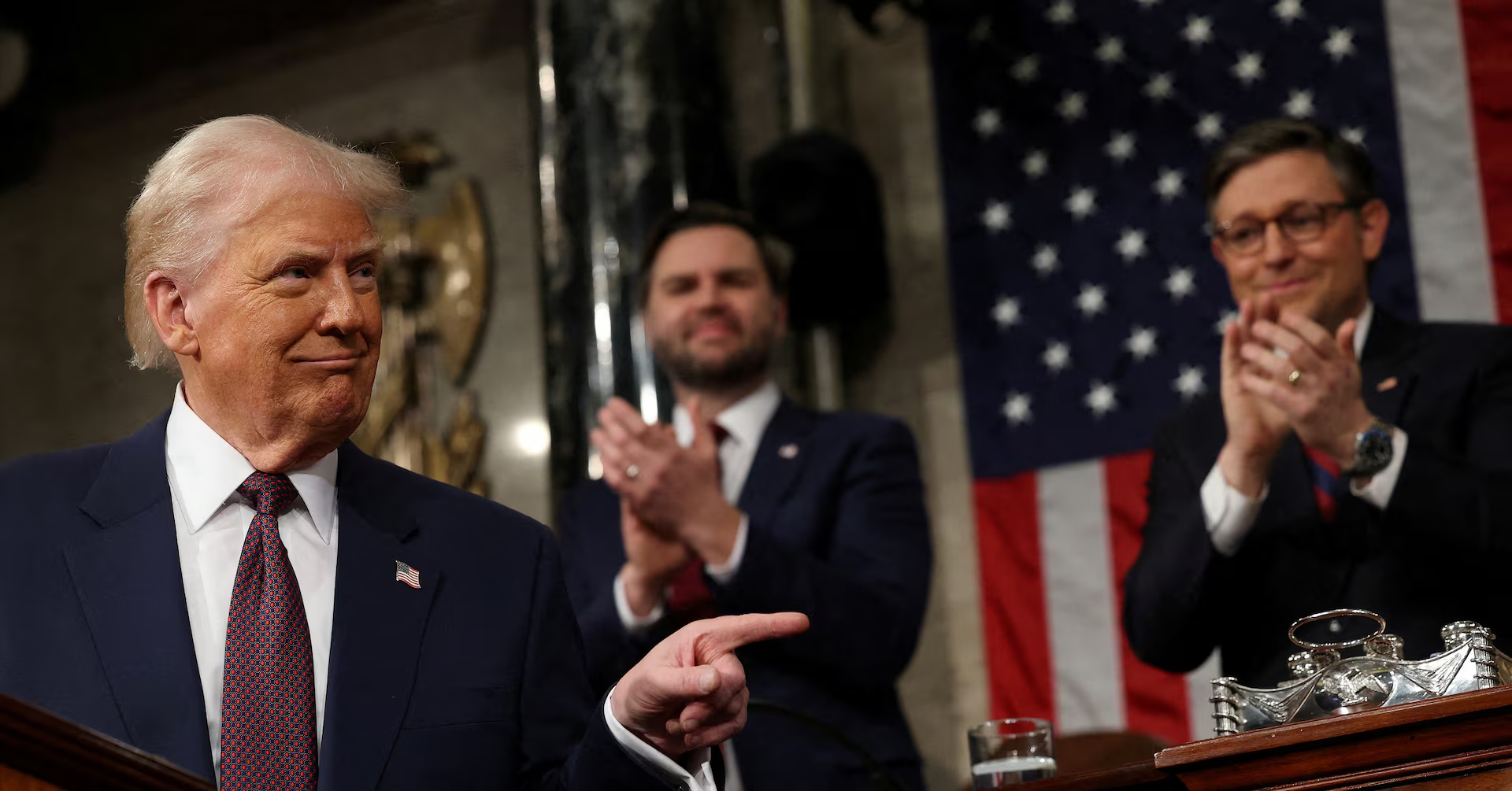
President Trump is strongly advocating against 'debanking,' claiming that banks have discriminated against him and others for political reasons, and is preparing an executive order to investigate such practices. Debanking, which involves banks refusing service to customers for various reasons, has become a contentious issue among conservatives and crypto advocates, often framed as a victimization narrative despite regulatory reasons for bank rejections. Trump’s personal allegations include claims of being cut off by JPMorgan Chase and Bank of America, highlighting the politicized nature of the debate.
The Trump administration is actively working to reshape the Federal Reserve through regulatory reforms, leadership changes, and workforce reductions, aiming to influence the central bank's policies and structure even before the current Chair Jerome Powell's term ends in 2026.
Chair Jerome Powell opened a conference on the integrated review of the capital framework for large banks, emphasizing the importance of a cohesive approach to risk-based capital requirements, leverage, surcharges, and stress tests to ensure a safe, sound, and competitive banking system, while inviting feedback for improvements.
The European Union plans to revive securitization practices, which were linked to the 2008 financial crisis, by loosening regulations to boost bank lending and economic growth, despite concerns from regulators and NGOs about potential risks and misuse.
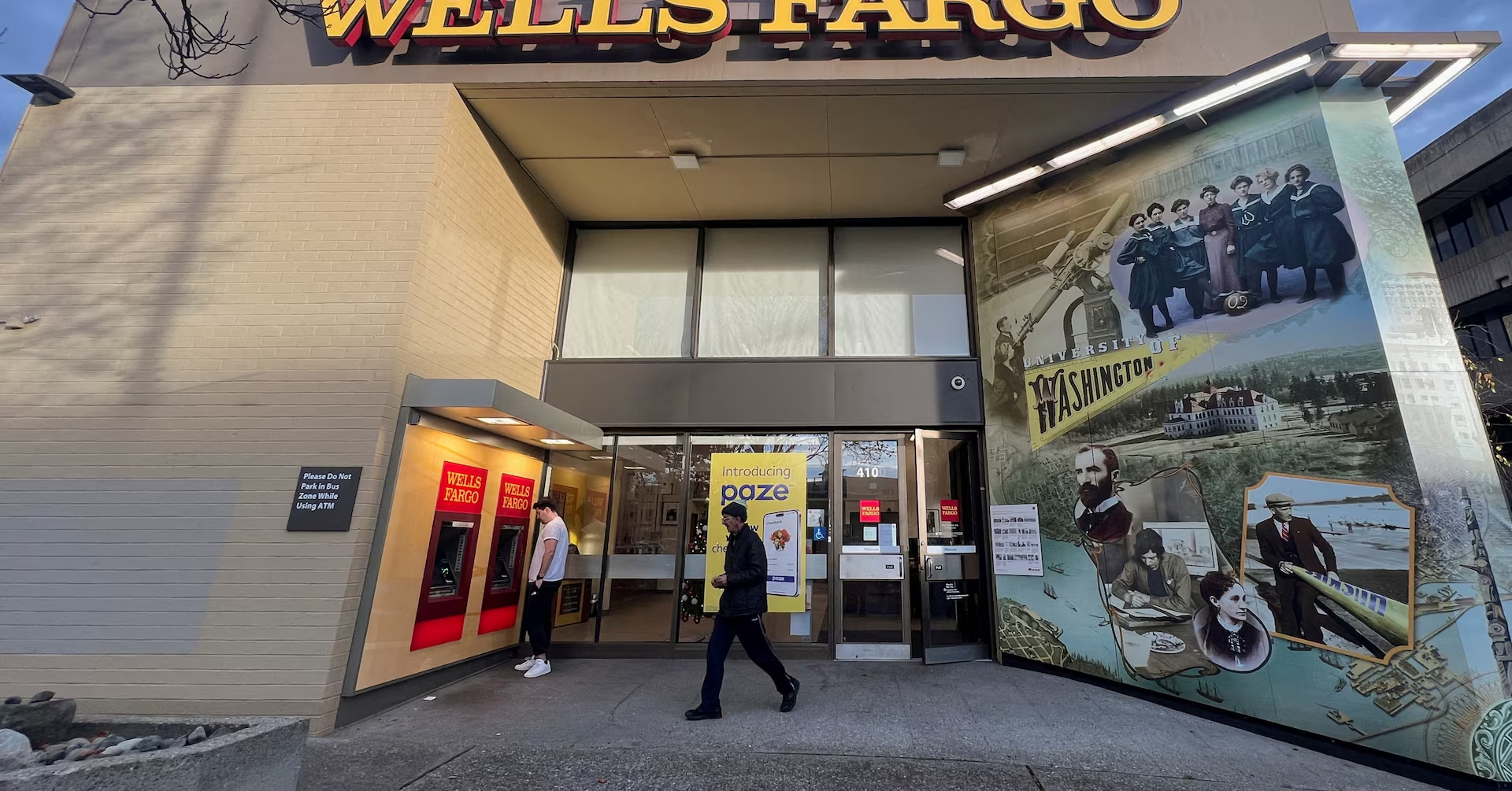
The Federal Reserve has lifted the asset cap on Wells Fargo after seven years, following improvements in governance and risk controls, leading to a rise in the bank's shares and allowing it to take on more deposits and fund trading growth, although immediate benefits to loan growth are uncertain.
Wells Fargo has been released from a seven-year, $1.95 trillion asset cap imposed by the Federal Reserve, marking a significant milestone in its recovery from scandals and regulatory scrutiny, and enabling the bank to pursue growth in areas like credit cards, wealth management, and commercial banking.
US manufacturing shows signs of contraction and rising input costs, hinting at potential stagflation, while proposed banking reforms could influence money supply and yields, but their impact remains uncertain amidst ongoing economic challenges.
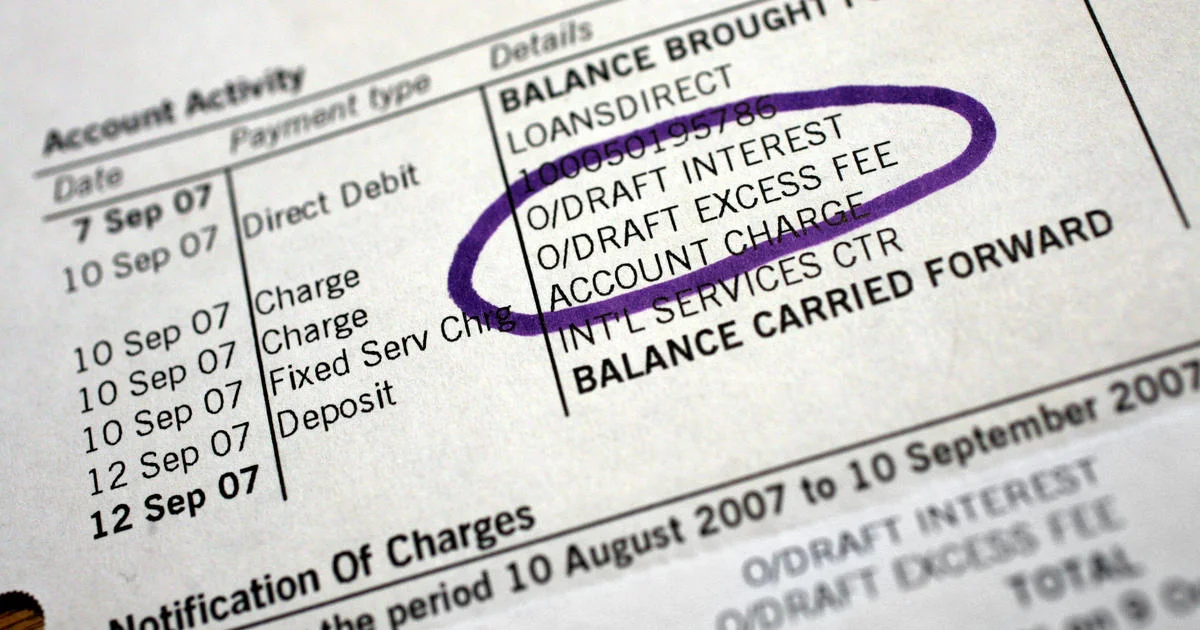
The Consumer Financial Protection Bureau (CFPB) has issued a rule capping overdraft fees at $5 for banks and credit unions with over $10 billion in assets, potentially saving consumers $5 billion annually. This move aims to close a legal loophole that allowed excessive fees, which have disproportionately affected minorities and low-income consumers. The rule, part of the Biden Administration's effort to reduce 'junk fees,' is expected to face legal challenges from the banking industry, which argues it could limit their ability to offer overdraft services.
The Consumer Financial Protection Bureau (CFPB) has finalized a rule limiting bank overdraft fees, potentially saving consumers $5 billion annually. The rule allows banks to charge a $5 fee, cover costs, or disclose the interest rate on overdraft loans, significantly reducing the average $35 fee. This move, part of the Biden administration's crackdown on excessive fees, faces opposition from banking groups and its future is uncertain, especially with potential changes in CFPB leadership under the Trump administration. The rule is set to take effect on October 1, 2025.
The Consumer Financial Protection Bureau (CFPB) has closed a loophole that allowed large banks to charge excessive overdraft fees without adhering to lending laws. The new rule, applicable to banks and credit unions with over $10 billion in assets, offers options to cap overdraft fees at $5, cover only costs and losses, or comply with standard lending disclosures. This move is expected to save consumers up to $5 billion annually. The rule will take effect on October 1, 2025, as part of broader efforts to eliminate junk fees.
Banks like Synchrony and Bread Financial have raised interest rates and introduced new fees on credit cards in anticipation of a Consumer Financial Protection Bureau (CFPB) rule to cap late fees, which is now unlikely to be implemented. This has led to increased costs for consumers, particularly those with lower credit scores who rely on store-branded cards. The CFPB's proposed rule aimed to reduce late fees from an average of $32 to $8, but legal challenges have stalled its implementation, leaving consumers to face higher borrowing costs.
Martin Gruenberg, the Democratic chair of the Federal Deposit Insurance Corporation (FDIC), announced his resignation effective January 19, 2025, a day before President-elect Donald Trump's inauguration. This move avoids a potential legal conflict if Trump were to dismiss him. Gruenberg faced pressure to resign following an investigation into a toxic workplace culture at the FDIC. His departure will allow Republican Vice Chair Travis Hill to become acting chair, with the possibility of being nominated as the permanent leader by Trump.
JPMorgan CEO Jamie Dimon expressed optimism about potential deregulation under Donald Trump's presidency, suggesting that bankers are thrilled at the prospect of reduced regulations that have previously restricted credit. Dimon highlighted the potential benefits of deregulation for various industries, while Trump has appointed Elon Musk and Vivek Ramaswamy to lead efforts in cutting government waste and bureaucracy. Dimon also noted the challenges Trump may face with inflation and complex global issues.