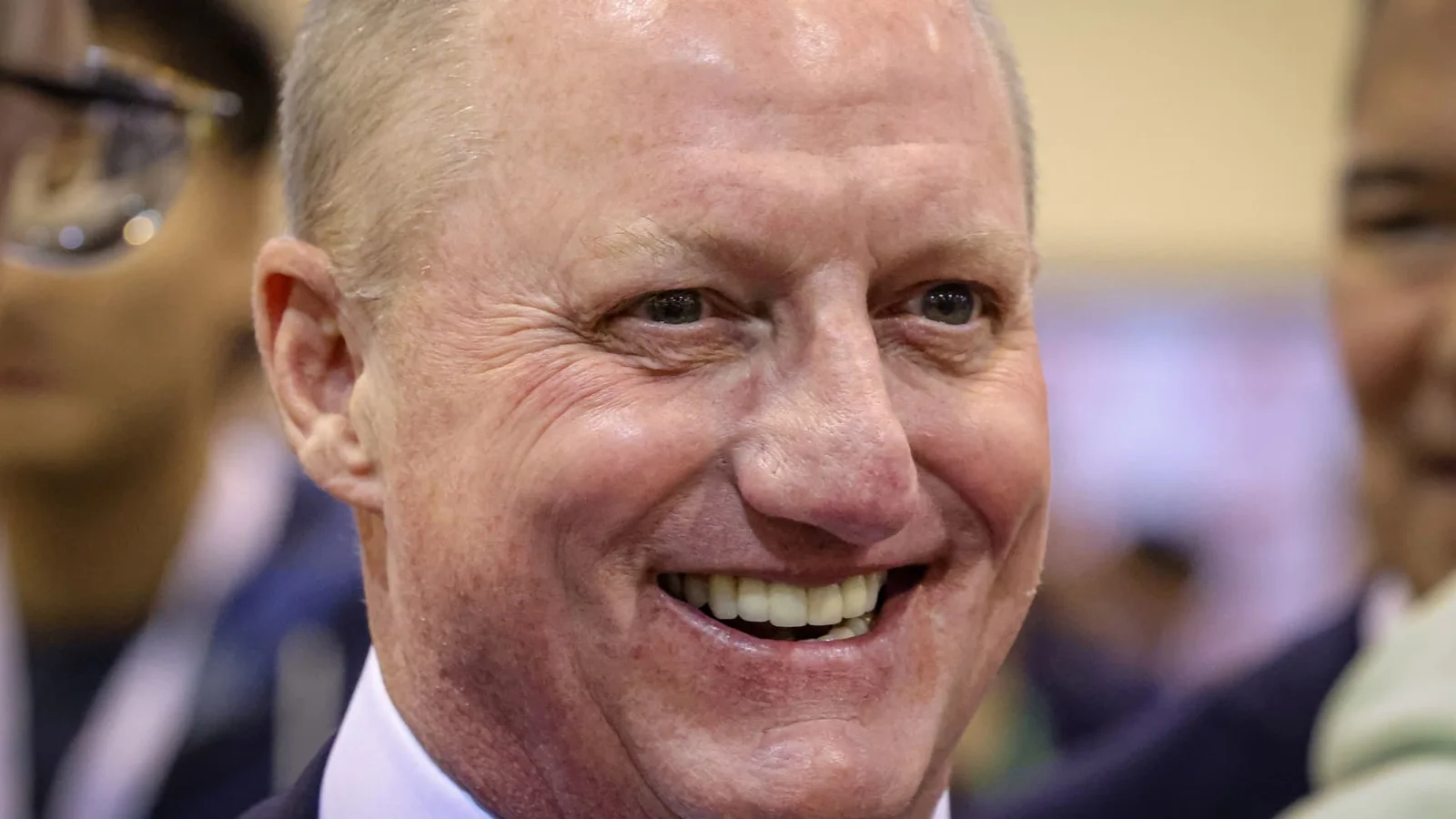
Greg Abel, the new CEO of Berkshire Hathaway, has received a salary increase to $25 million, reflecting his new leadership role and Warren Buffett's strong endorsement, with Abel previously serving as vice chairman of the company's non-insurance operations.
AIG has appointed veteran executive Eric Andersen as its new CEO following a challenging succession process, signaling a strategic move to stabilize and lead the company forward.
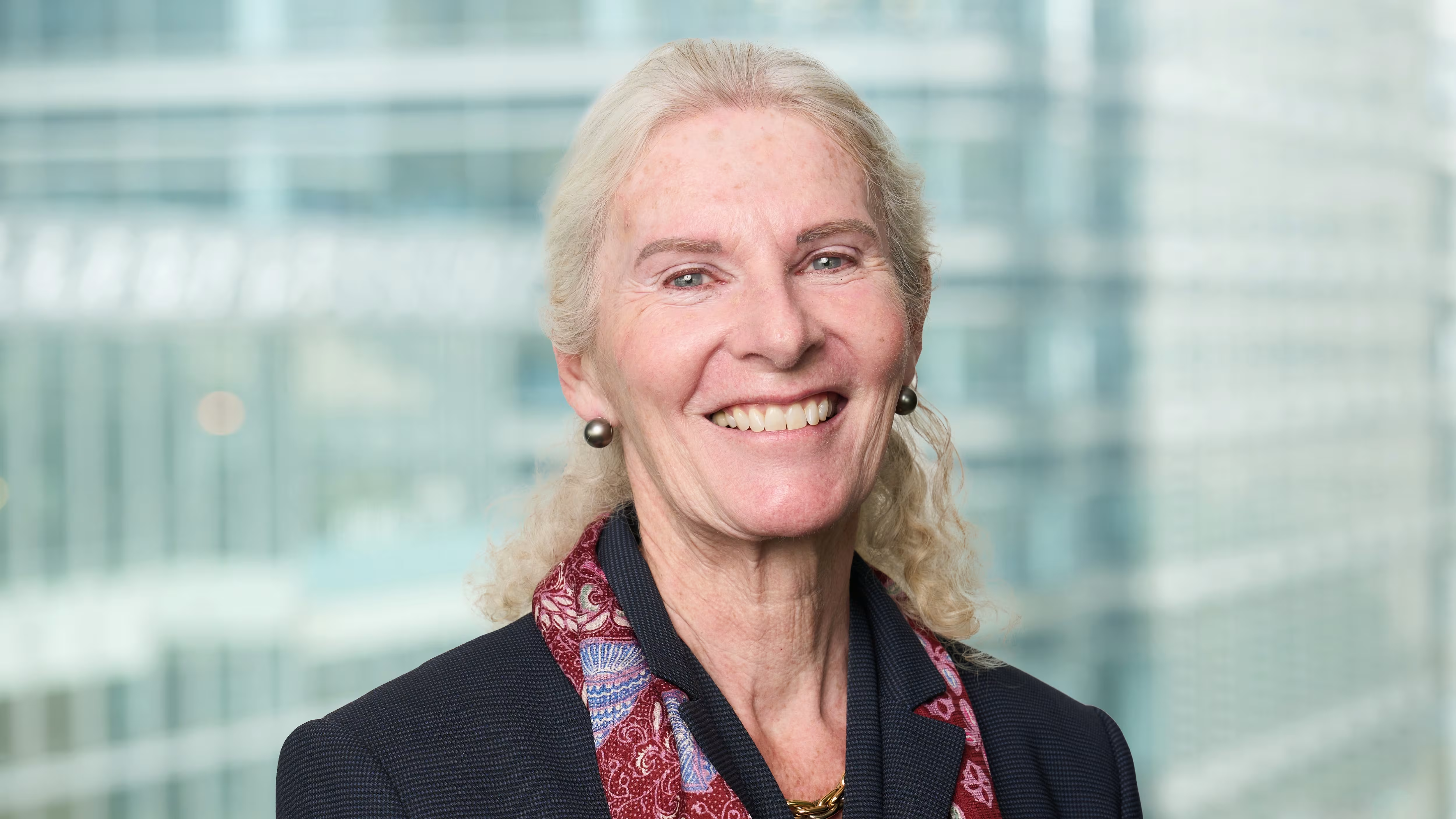
A HSBC board member who was leading the search for a new chair is set to retire, marking a significant change in the bank's leadership. The article discusses the ongoing leadership transition at HSBC.
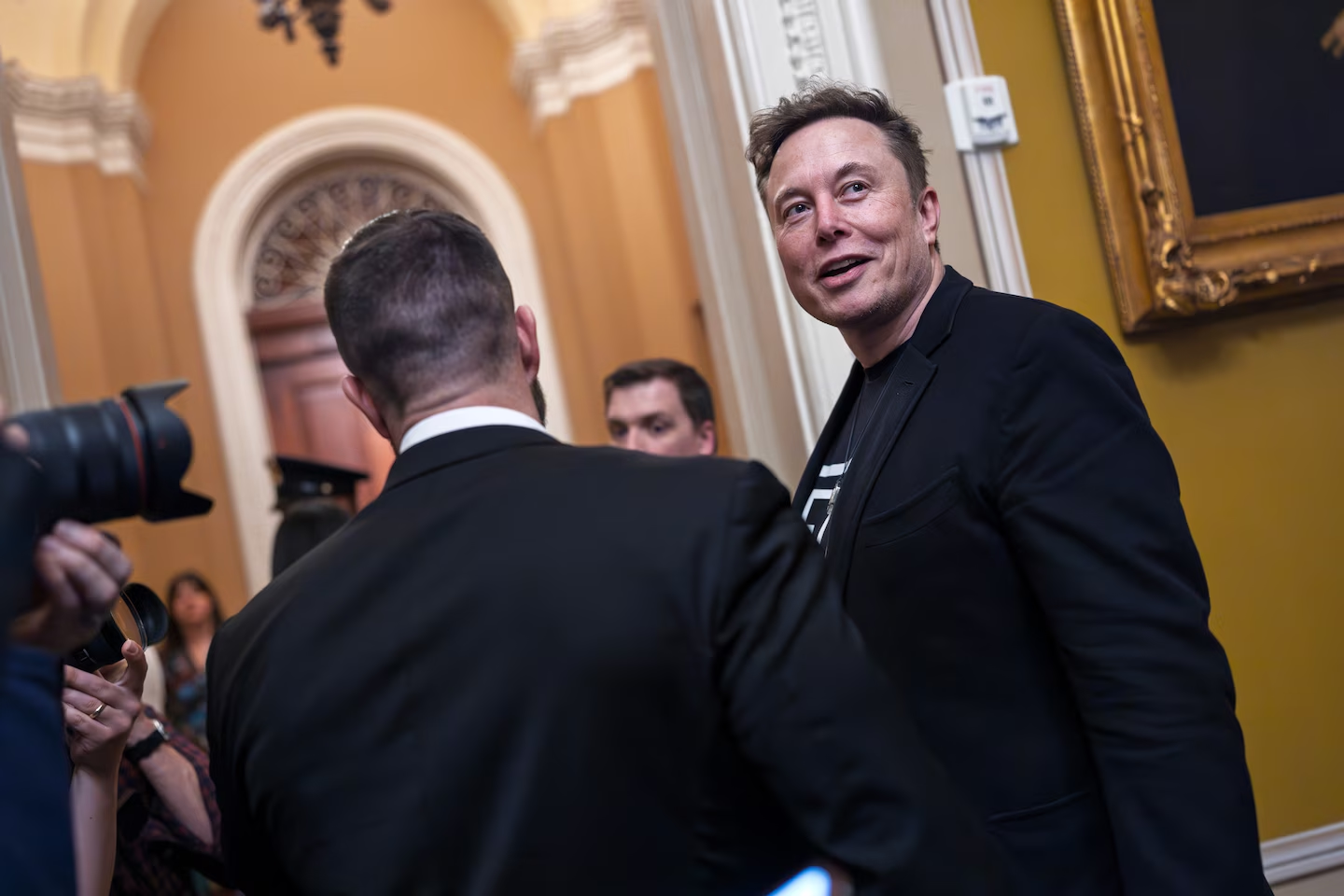
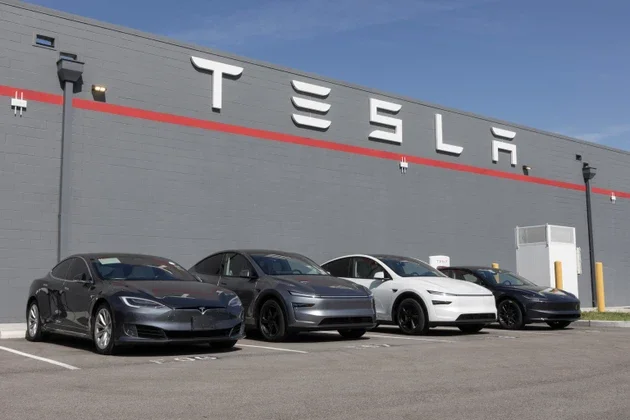
The Delaware Supreme Court reinstated Elon Musk's $55 billion Tesla pay package from 2018, with a symbolic $1 penalty, overturning a lower court decision that rescinded it due to concerns over fairness and corporate governance. The ruling highlights ongoing issues with executive compensation, shareholder rights, and Delaware's legal environment for corporations.
The Delaware Supreme Court has reinstated Elon Musk's $56 billion Tesla pay package, overturning a previous ruling that found the award was improperly granted due to undue influence and lack of independence in the process, following a nearly two-year legal battle.
The Delaware Supreme Court reversed the Court of Chancery’s decision to rescind Elon Musk’s $56 billion Tesla pay deal from 2018, reinstating the compensation plan.
The former chair of Ben & Jerry's, Anuradha Mittal, accused Magnum of threatening to smear her publicly to force her resignation amid a dispute over the brand's independence and social mission, highlighting ongoing tensions following Magnum's acquisition of the company from Unilever.
A new White House order aims to limit the influence of proxy advisory firms like ISS and Glass Lewis, which could weaken shareholder rights and impact ESG considerations in investment decisions, reflecting broader efforts to shift power towards CEOs and away from activist shareholders.
Magnum is attempting to remove the chair of Ben & Jerry's, indicating potential corporate governance conflicts or shareholder activism within the company.
Coupang's founder Kim Bom-suk has avoided accountability for a massive data breach affecting 33.7 million customers, highlighting issues with the company's governance structure that allows him to maintain control while shirking responsibility. The incident has sparked public outrage, legal actions, and calls for greater oversight, but Kim remains absent from accountability processes, raising concerns about corporate ethics and social responsibility.
Tesla shareholders largely support Elon Musk's vision and compensation, despite concerns about corporate governance and the company's declining sales, with many voting against measures that could limit Musk's power and influence.
Tesla shareholders are voting on a historic $878 billion compensation package for Elon Musk, tied to ambitious company milestones like delivering 20 million vehicles and deploying one million robotaxis, with the potential to significantly increase Musk's payout if Tesla's market value reaches up to $8.5 trillion.
Tesla shareholders are set to vote on a historic pay package for Elon Musk, potentially worth $1 trillion, contingent on Musk achieving ambitious milestones like producing millions of robots and self-driving cars. The vote's outcome is highly likely to favor Musk, supported by Tesla's board and Musk himself, despite opposition from some institutional investors. The decision reflects broader questions about Musk's leadership, Tesla's governance, and the company's future direction.
Tesla's board is asking shareholders to approve an unprecedented $878 billion compensation package for Elon Musk, tying his pay to ambitious performance goals that could significantly increase Tesla's market value. The decision hinges on whether investors believe Musk's leadership is essential for Tesla's future success, amid concerns about governance and the risks of staking the company's future on a single individual. Musk's potential departure poses a major risk, giving him leverage over the company, while some shareholders and experts warn this approach may undermine corporate governance principles.