Blackstone, a major private equity firm, has cautioned that private equity cannot quickly return capital to investors, emphasizing the illiquid nature of the investments. This warning comes as the industry faces increasing scrutiny and criticism over its practices and impact on the economy.
New York Community Bancorp's stock plummeted 38% after reporting an unexpected loss for the fourth quarter, attributed to significant charge-offs related to two loans in its portfolio. The bank is working to rebuild its capital following recent acquisitions and has slashed its dividend by 71% to meet more stringent capital requirements. While the stock may appear cheap, investors should be cautious due to lingering effects of the Federal Reserve's higher interest rate policies and concerns about the commercial real estate market. The bank's credit rating was downgraded to junk status, and it faces governance risks as it seeks to fill key executive roles.
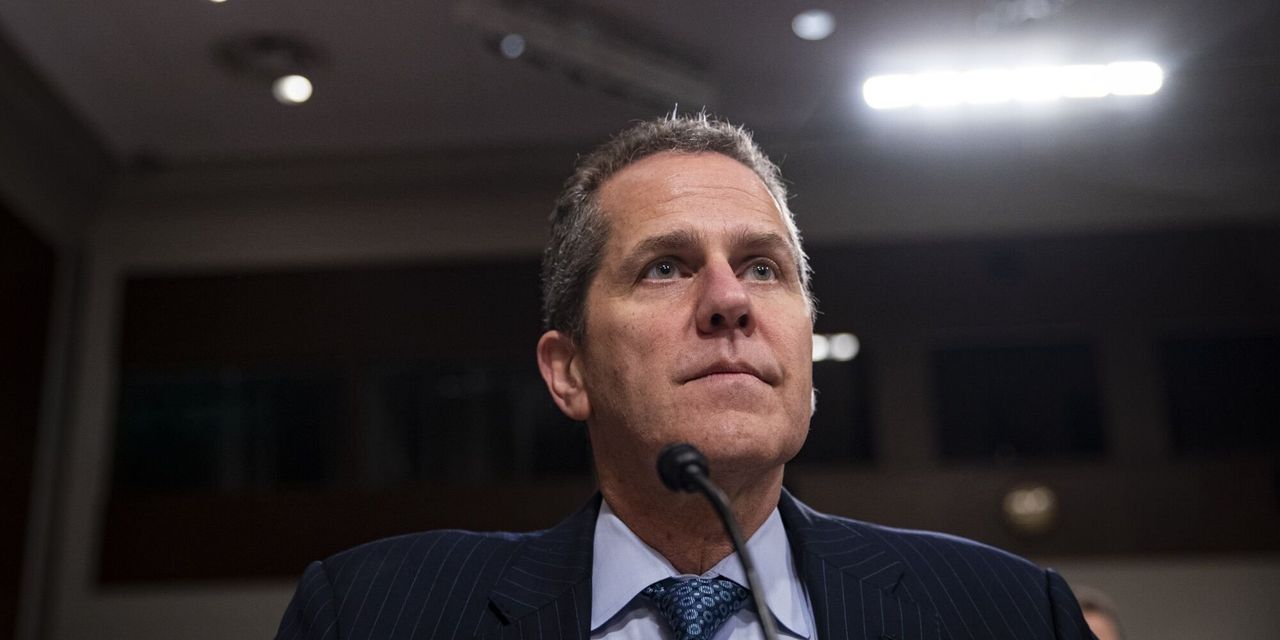
Vice Chair for Supervision Barr testified before the Committee on Financial Services, U.S. House of Representatives, discussing the soundness and resilience of the banking system, current conditions in the banking sector, supervision, and recent regulatory proposals. Barr highlighted that the banking system is sound and resilient, with capital and liquidity ratios above regulatory levels. He also addressed the failures of certain banks due to excessive interest rate risk and over-reliance on uninsured deposits. Barr emphasized the need for improved supervision, particularly as banks grow in size and complexity, and highlighted the importance of addressing material risks and vulnerabilities. He discussed the proposed reforms to the capital requirement framework, which aim to increase the quantity and quality of capital and reduce the likelihood of future financial crises. Barr also mentioned the proposed extension of long-term debt requirements and the finalization of a rule strengthening and modernizing the Community Reinvestment Act regulations.
America's biggest banks are expected to require additional capital as regulators plan to increase capital requirements to mitigate risks and ensure financial stability. The move comes as part of ongoing efforts to strengthen the banking sector and prevent another financial crisis. Banks will need to bolster their capital reserves to meet the new requirements, which aim to enhance risk management and protect against potential losses.
Nikola adjourned its shareholder meeting after failing to get enough support for a proposal to increase the number of shares the electric truck maker is allowed to issue, delaying its prospects of raising much-needed capital. The company has been urging shareholders to vote in favor of the proposal, saying "without these additional shares, Nikola's ability to continue its ongoing operations and objectives, including Nikola's need for capital, will be out of reach." Nikola might also execute a reverse stock split if its stock does not comply with Nasdaq's minimum bid price requirements within a certain period.
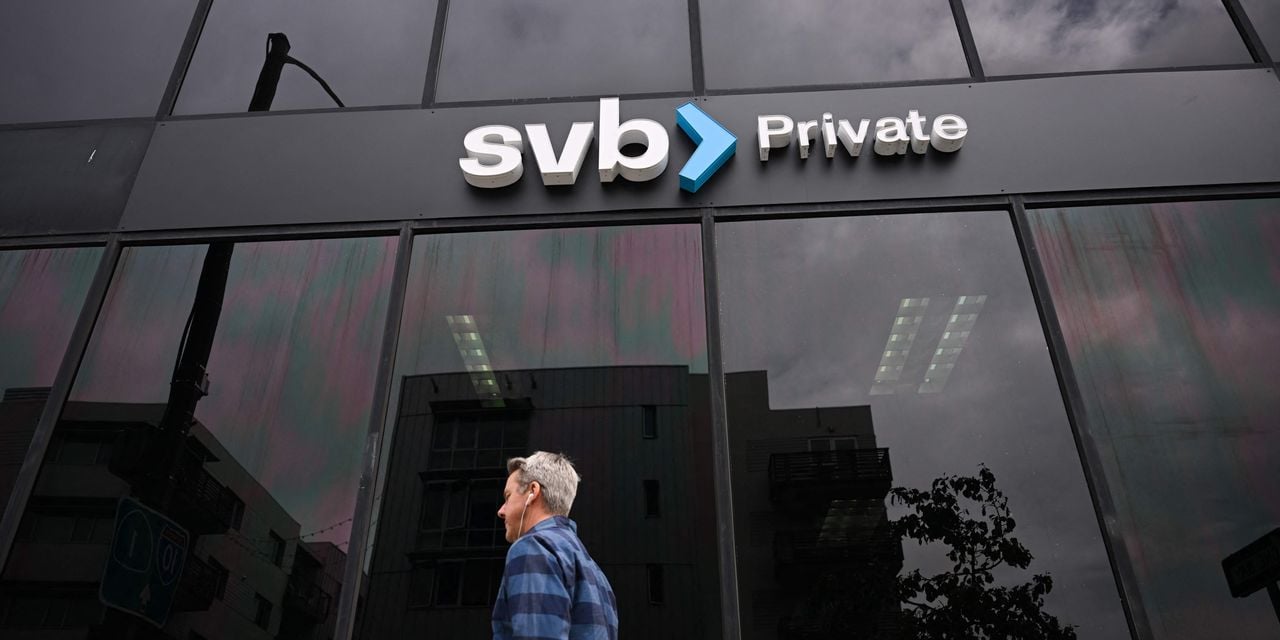
The collapse of Silicon Valley Bank (SVB) has left the $32 billion venture-debt industry in uncertainty, as SVB was a pioneer in the field and a critical source of alternative financing for startups. Last year, SVB had $6.7 billion outstanding in venture loans. The demise of SVB raises questions about the future of venture lending and whether funding will become more difficult for startups.
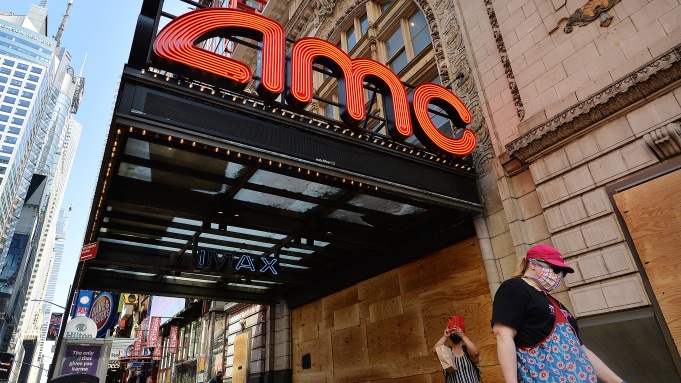
AMC Entertainment has settled a shareholder lawsuit that would allow it to issue stock, raise capital, convert its APE units, and go ahead with a 10-for-1 reverse stock split. The settlement will see the suit dropped in exchange for about 6.9 million shares, or 4.4% of the company’s outstanding common stock pro forma. AMC shareholders had approved the measures at a special meeting last month, but not before a few of them sued the company in Delaware Chancery Court to block the move.
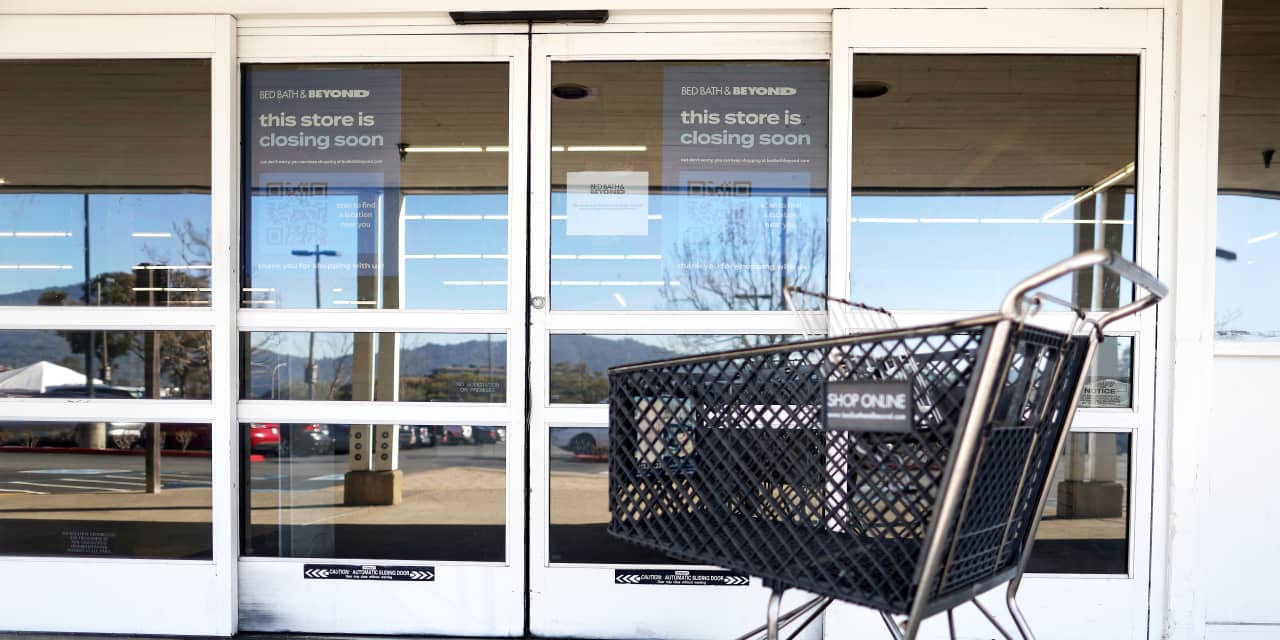
Bed Bath & Beyond plans to sell $300 million in new shares despite disappointing preliminary results for the fiscal fourth quarter, with net sales of about $1.2 billion and a 40-50% decline in comparable-store sales. The retailer's stock has fallen below $1, but it still seeks to raise more capital.
PacWest Bancorp's shares fell 10% after the bank disclosed it had lost over $6 billion in deposits during the recent squeeze on midsized banks, with venture banking deposits accounting for most of the decline. The bank said it had explored raising more capital but decided against it, and had borrowed over $16 billion from various government-related programs and received $1.4 billion in cash from a financing facility with Atlas SP Partners to manage the deposit outflows. PacWest's update comes after Treasury Secretary Janet Yellen said federal regulators would consider backstopping uninsured deposits at certain banks if there was a risk of contagion from large withdrawals.