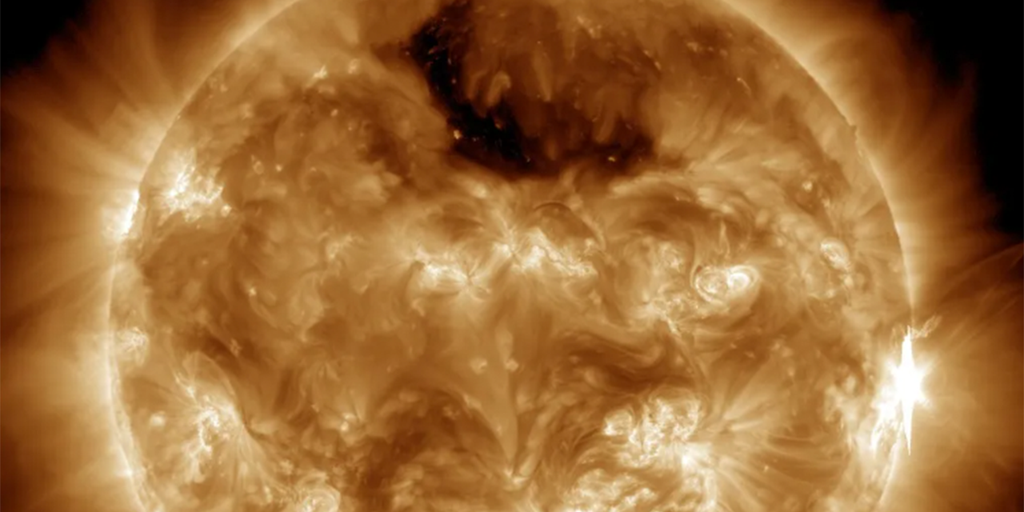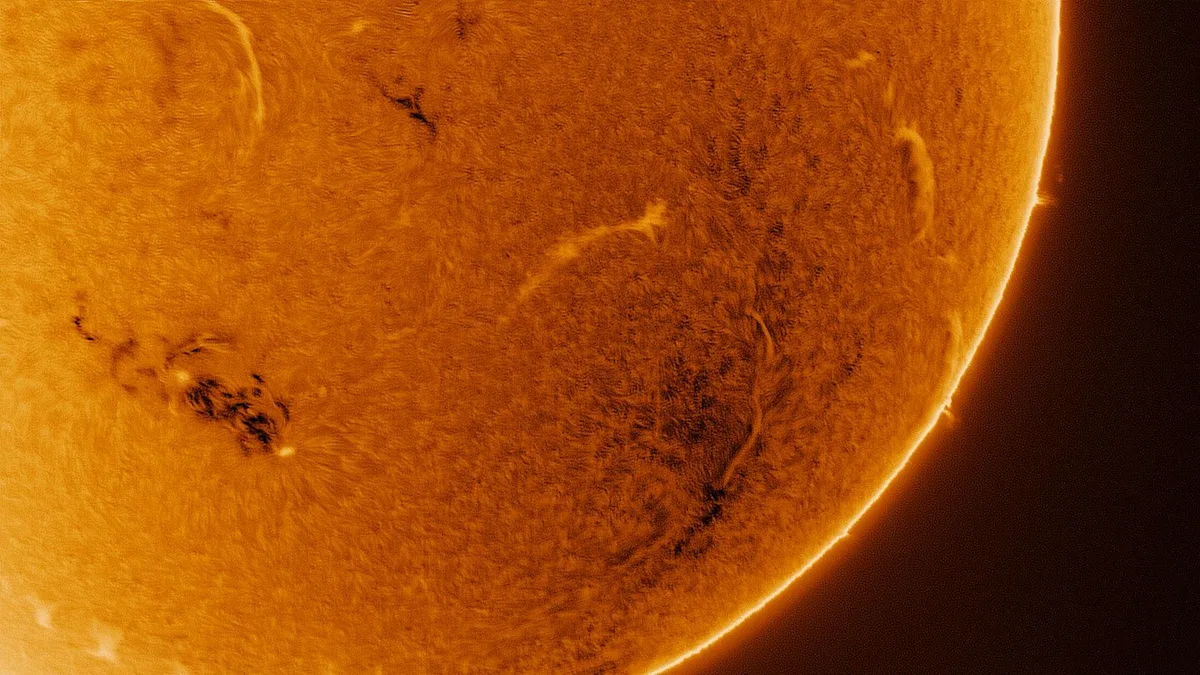
Scientists have uncovered the long-standing mystery of why sunspots last so long by using a new observation technique that reveals a balance between magnetic fields and pressure, confirming that sunspots are in magnetohydrostatic equilibrium. This discovery, made possible by advanced polarized light analysis with the GREGOR solar telescope, enhances understanding of solar activity and could improve space weather forecasting.
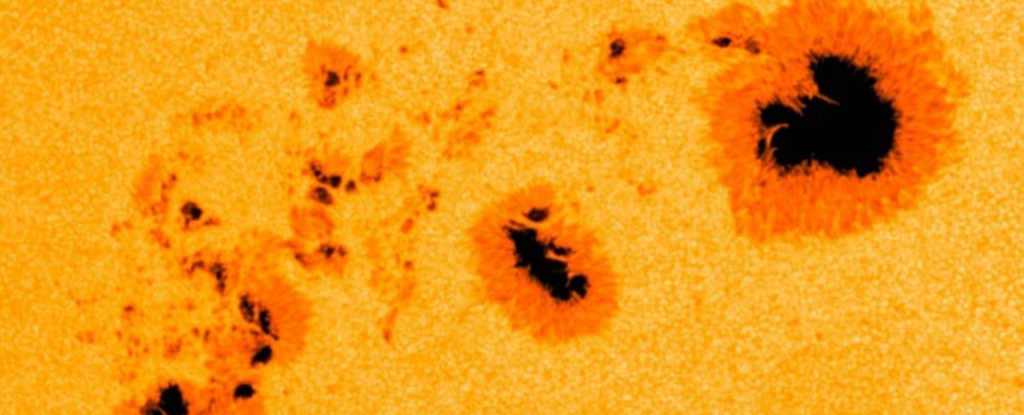
A recent study has finally explained why sunspots remain stable for long periods, revealing that magnetic and pressure forces within sunspots are in perfect balance, thanks to improved observation techniques that remove atmospheric interference. This breakthrough enhances our understanding of solar stability and could improve predictions of space weather events that impact Earth.
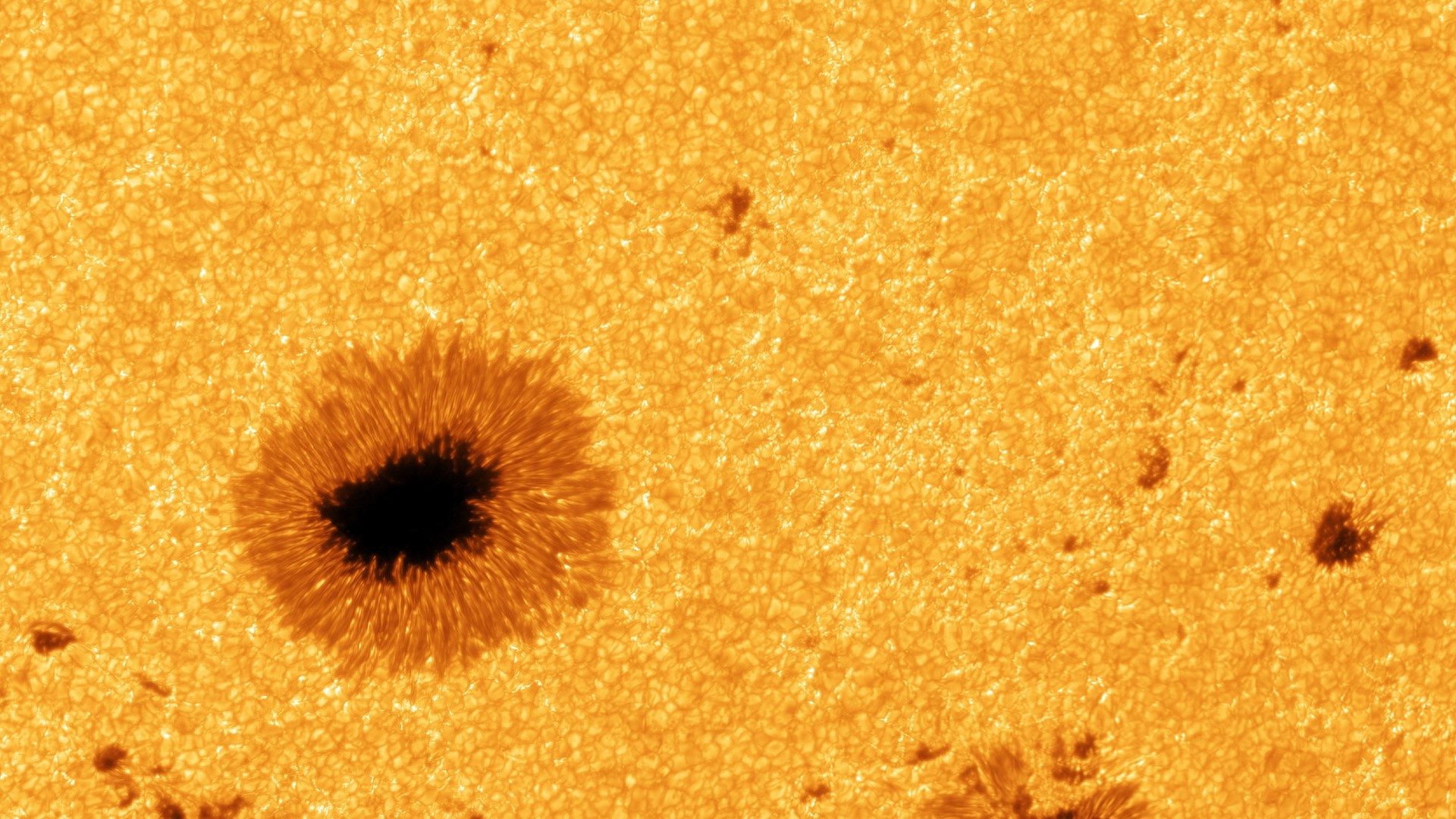
New 8K-resolution images of the sun, captured by a high-tech camera system at the Vacuum Tower Telescope in Tenerife, reveal detailed views of sunspots and solar activity, enhancing understanding of solar dynamics and space weather forecasting.
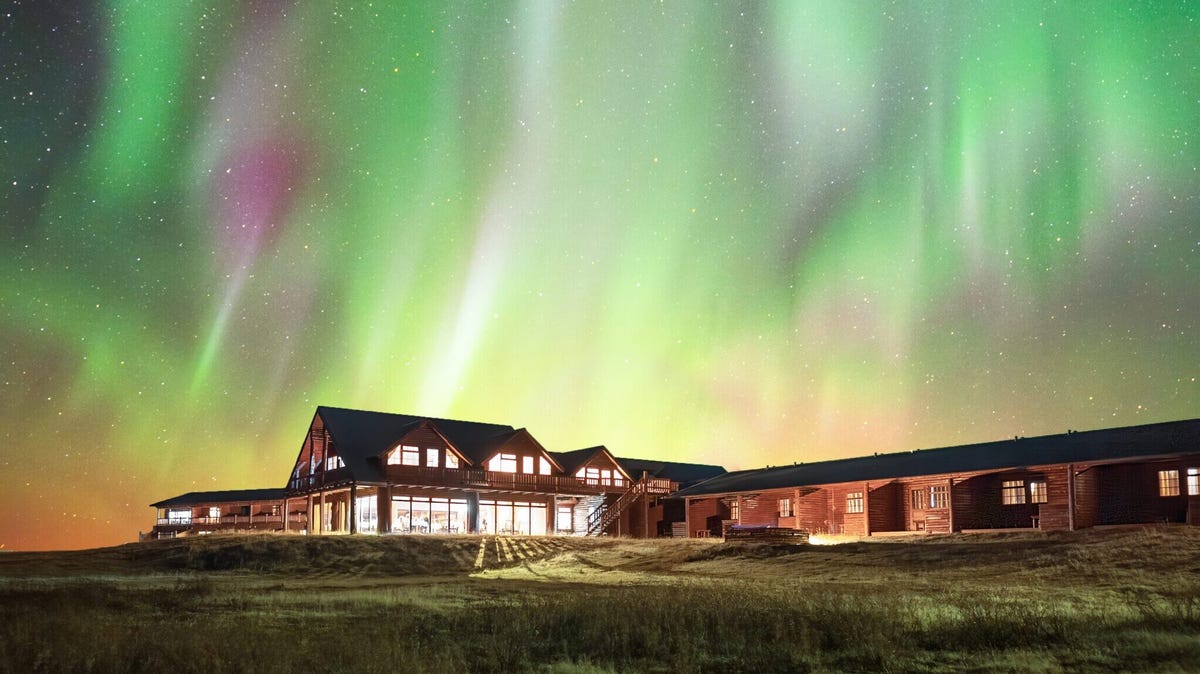
The sun is currently at its solar maximum, a period of heightened activity in its 11-year cycle, leading to increased solar storms and auroras. This active phase is expected to continue over the next year. NASA's Parker Solar Probe will soon make its closest approach to the sun, potentially providing valuable insights into solar activity. While the increased solar activity results in stunning auroras, it can also disrupt GPS systems and satellites.
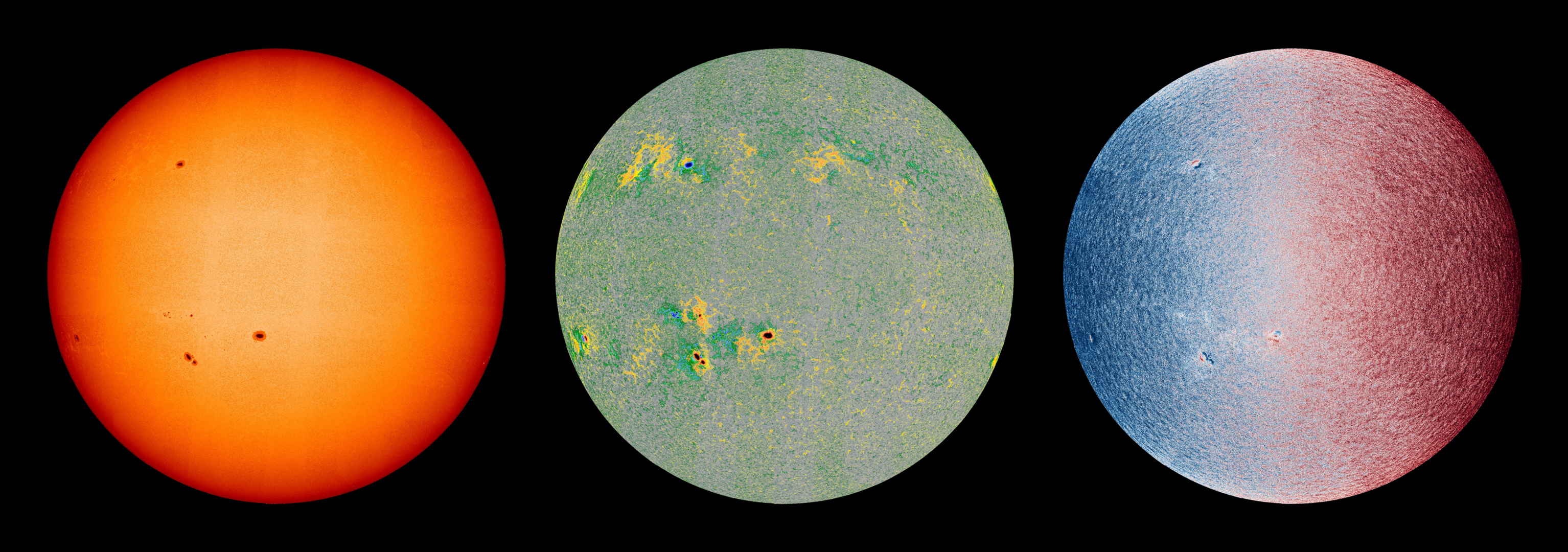
The Solar Orbiter spacecraft has captured the highest resolution images of the sun's surface, revealing detailed views of the photosphere and sunspots. These images, taken from 45 million miles away, show the sun's dynamic surface and magnetic fields, which are concentrated around sunspots, affecting plasma convection and temperature. The spacecraft also provided a tachogram showing the sun's rotation and material movement, and images of the corona, highlighting solar wind origins. This mission, a collaboration between ESA and NASA, aims to provide unprecedented views of the sun's poles by 2025.
The ESA-led Solar Orbiter mission has released the highest-resolution full views of the Sun's visible surface, captured by the PHI and EUI instruments. These images reveal detailed maps of the Sun's magnetic field and plasma movements, highlighting sunspots and the dynamic nature of the Sun's corona. The images, taken from less than 74 million kilometers away, were stitched together from multiple high-resolution shots, providing unprecedented detail of the Sun's surface and atmosphere.
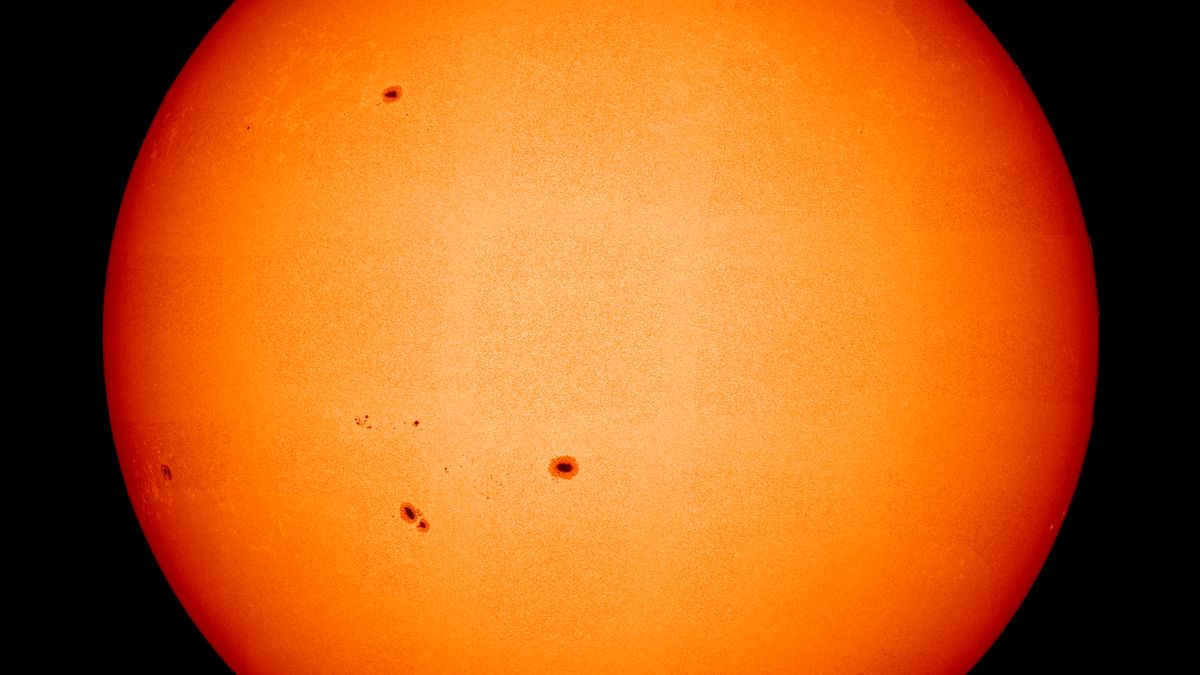
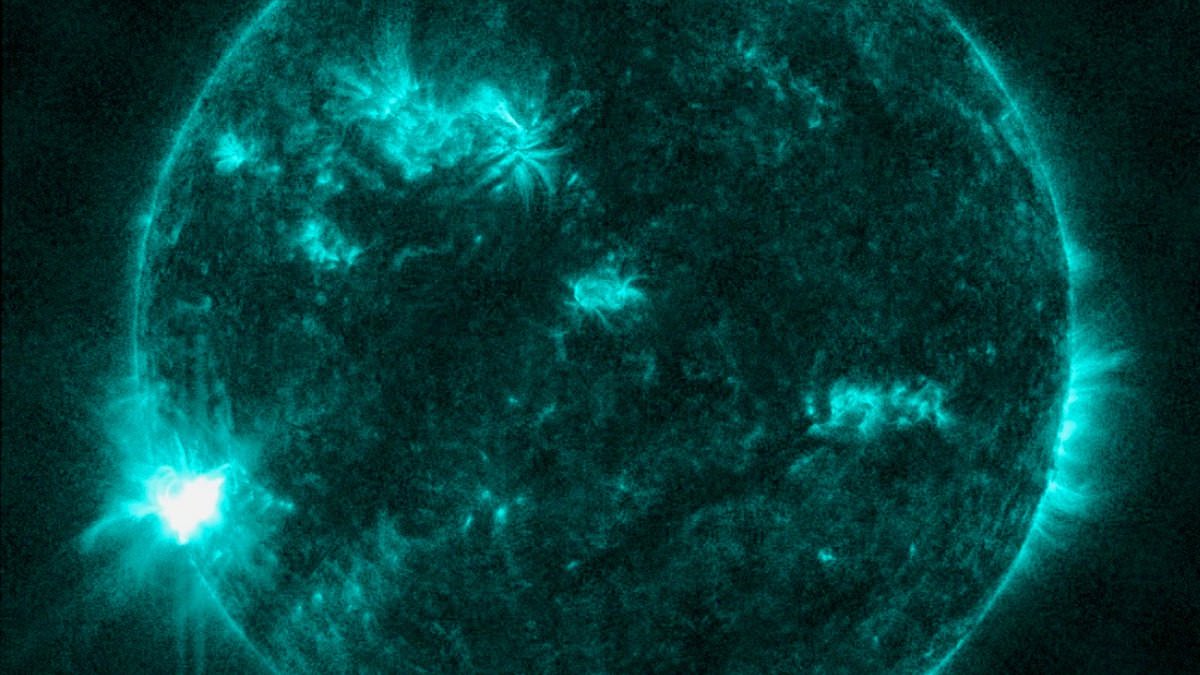
Multiple sunspot regions on the Sun are currently active, producing strong solar flares that have caused radio blackouts on Earth. NOAA's space weather forecasters are monitoring these regions closely as the Sun approaches its Solar Maximum. The new GOES-19 satellite, set to be operational by spring 2025, will enhance solar storm forecasting capabilities.
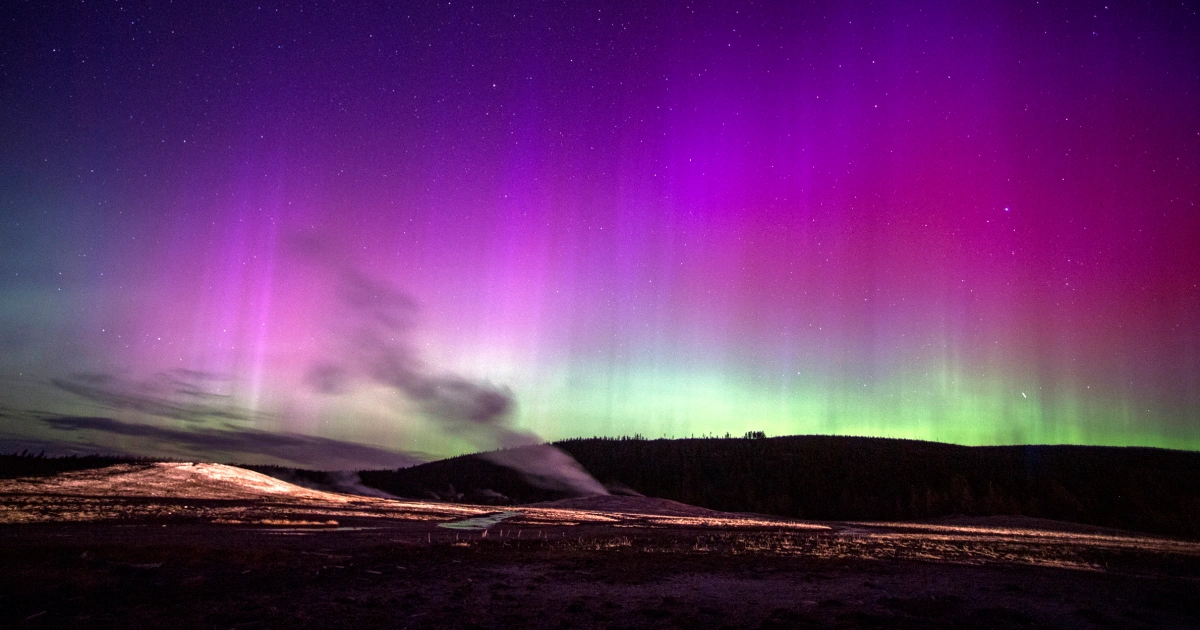
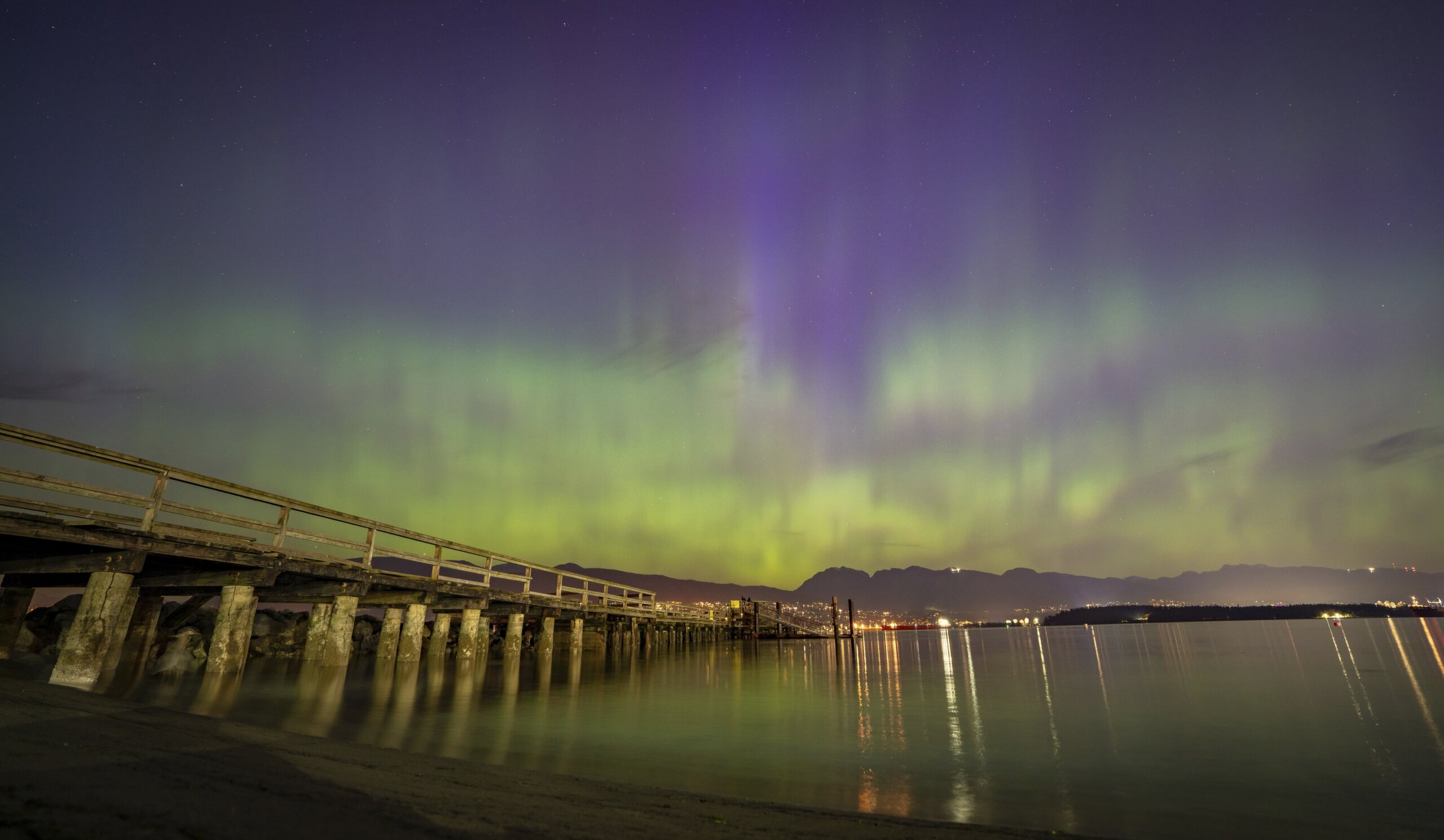
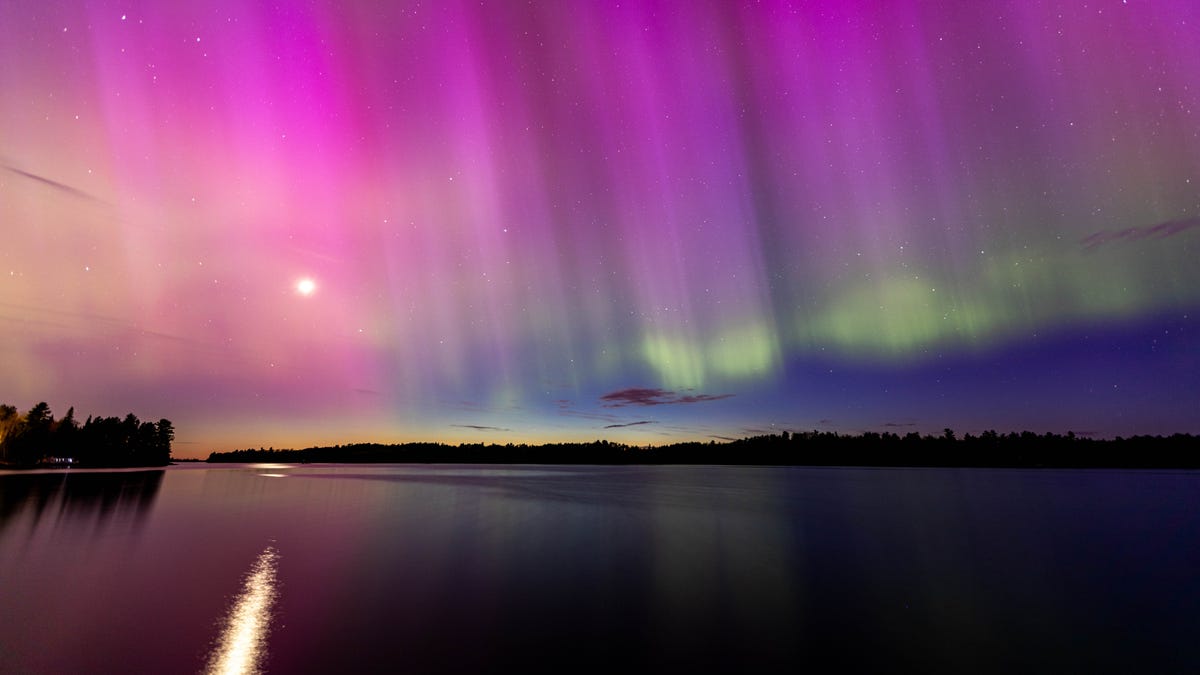
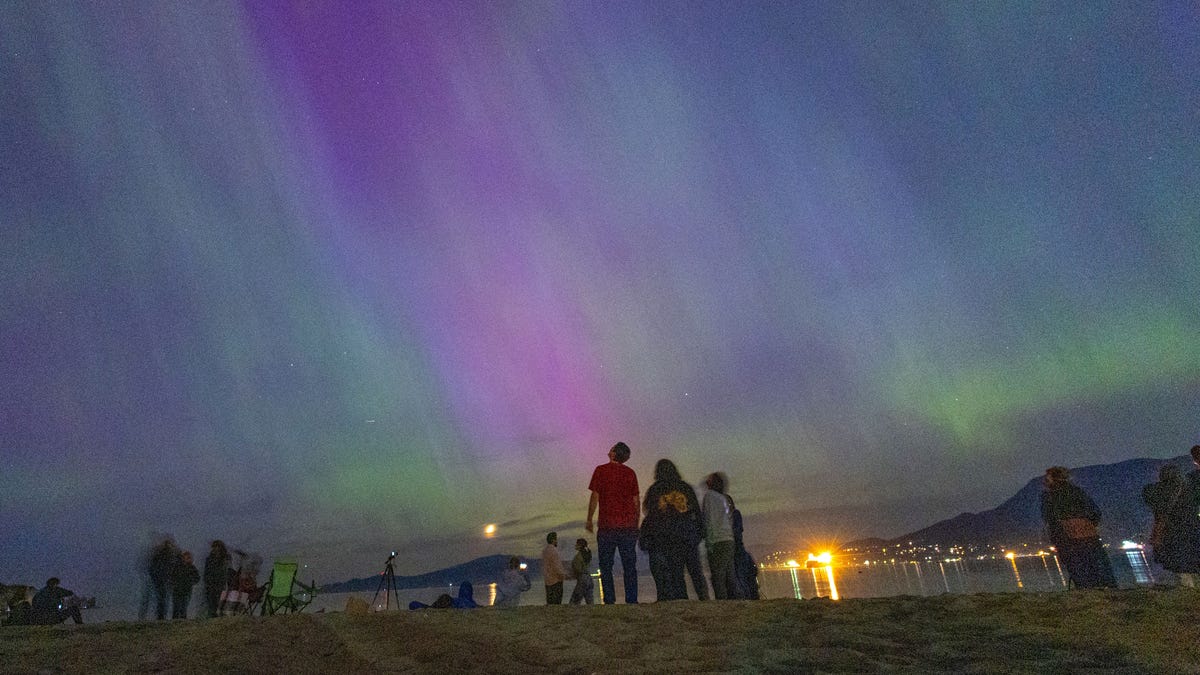
Increased solar activity, part of the "Solar 25" cycle, has allowed the Northern Lights to be visible in the D.C. area. This activity, which peaks every 11 years, is expected to reach its maximum next summer. While the geomagnetic storms causing these auroras can disrupt satellite and GPS systems, researchers are using the data to improve future predictions.
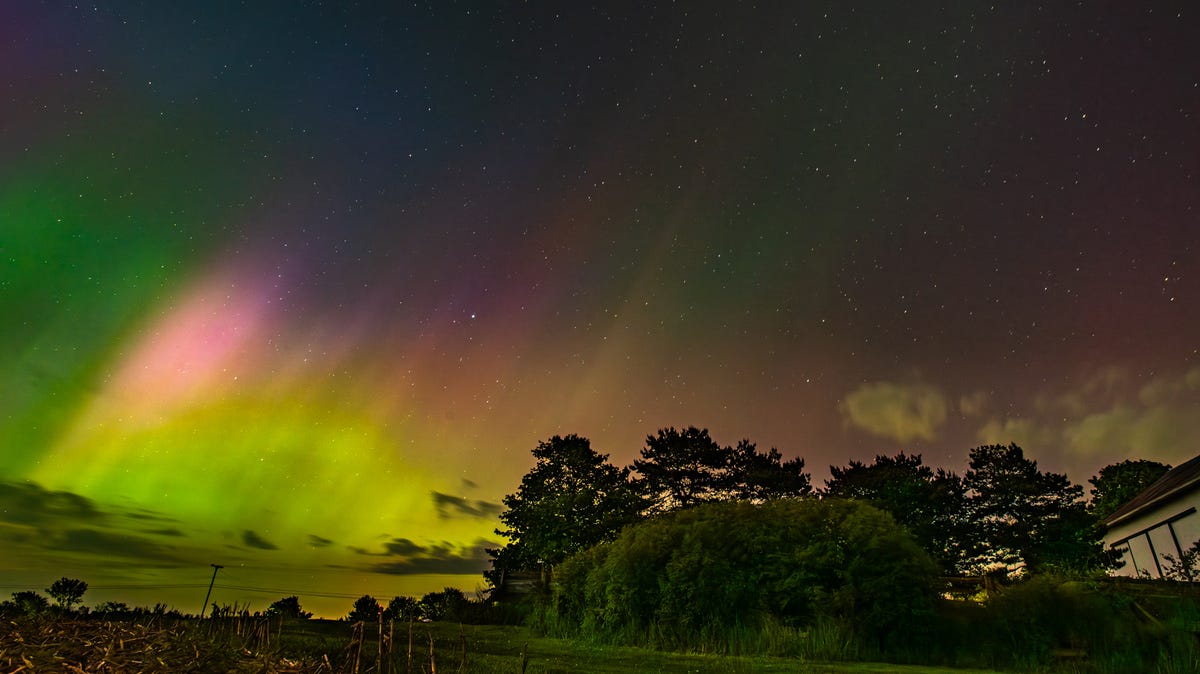
Arizona residents are curious about the possibility of seeing the northern lights again after a recent display in May. Forecasters are monitoring a group of sunspots that could potentially trigger another aurora, but it's too early to confirm. Viewing conditions depend on whether these sunspots cause solar flares or coronal mass ejections. Optimal viewing times are between 10 p.m. and 2 a.m. in dark areas with minimal light pollution.
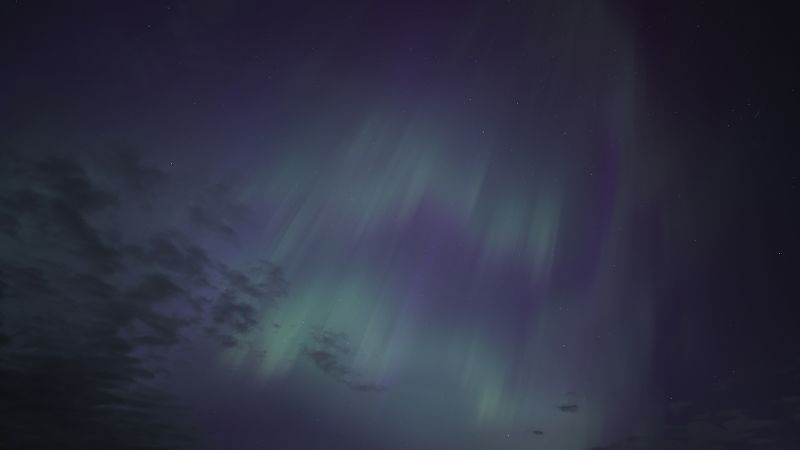
Space weather forecasters are predicting potential Northern Lights displays in Michigan this week, driven by sunspots that could trigger solar storms. While cloud cover may hinder visibility early in the week, clearer skies are expected Wednesday through Friday, offering better chances for sightings. However, the unpredictability of aurora forecasts means that even with favorable conditions, sightings are not guaranteed.
The Northern Lights may be visible in New York from June 4 to June 6 due to a massive sunspot facing Earth, with optimal viewing conditions enhanced by a new moon. However, weather forecasts predict considerable cloudiness and potential rain, which could impact visibility. Increased solar activity leading up to the solar maximum in July 2025 may provide more frequent opportunities for aurora sightings.
Space weather forecasters are monitoring sunspots that could potentially trigger another display of the northern lights over parts of the U.S. in early June, though it's too early to confirm. The unpredictability of solar flares and coronal mass ejections makes precise forecasting difficult, but skywatchers remain hopeful for a vibrant show, especially with the new moon on June 6 providing darker skies.
Increased solar activity due to sunspots could cause colorful auroras over parts of the United States, including northern and upper Midwest states, in the coming week. The National Oceanic and Atmospheric Administration’s Space Weather Prediction Center has issued a moderate geomagnetic storm watch for Friday and Saturday. As the sun nears its solar maximum, more intense solar flares and coronal mass ejections are expected, potentially leading to more frequent auroral displays.
The US experienced radio blackouts due to a powerful solar storm, with NOAA reporting disruptions in the Midwest and eastern regions. The storm, caused by a sunspot, has impacted GPS, radar, and satellite communications. NOAA predicts a 60% chance of continued blackouts through the weekend, with potential for solar radiation storms and visible auroras in the northern hemisphere.
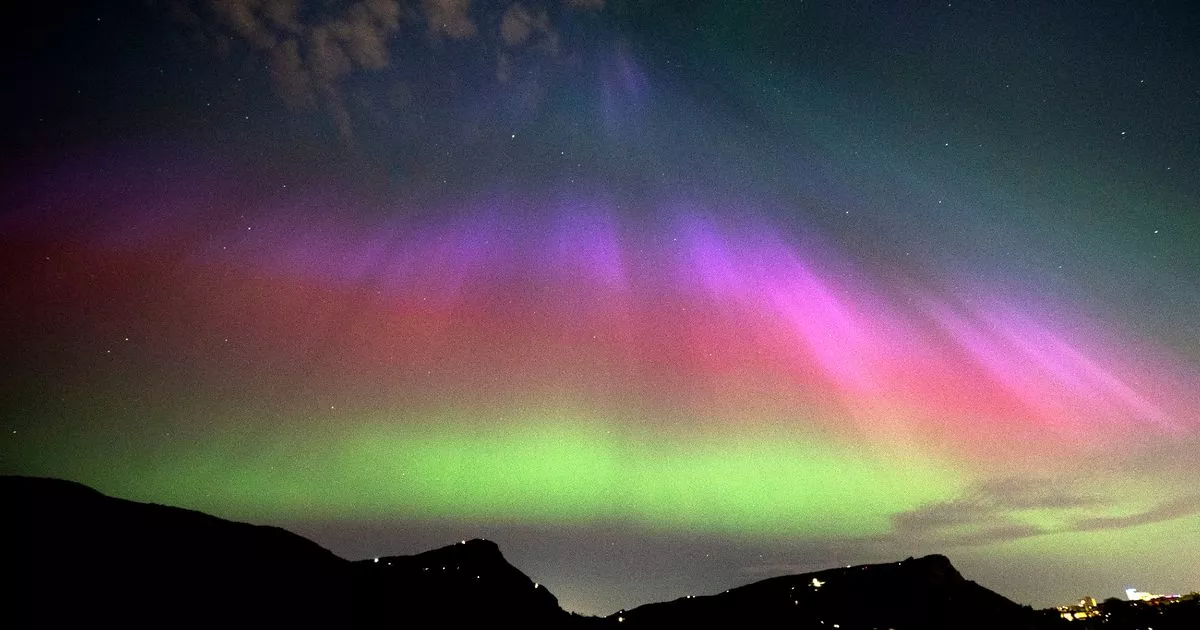
The Northern Lights are expected to be visible over parts of the UK, US, Europe, and Canada from June 6-9 due to ongoing solar storms caused by a massive sunspot. This sunspot, which recently produced a significant solar flare, may continue to generate solar activity in the coming months, offering more opportunities to witness the aurora borealis outside its usual locations.