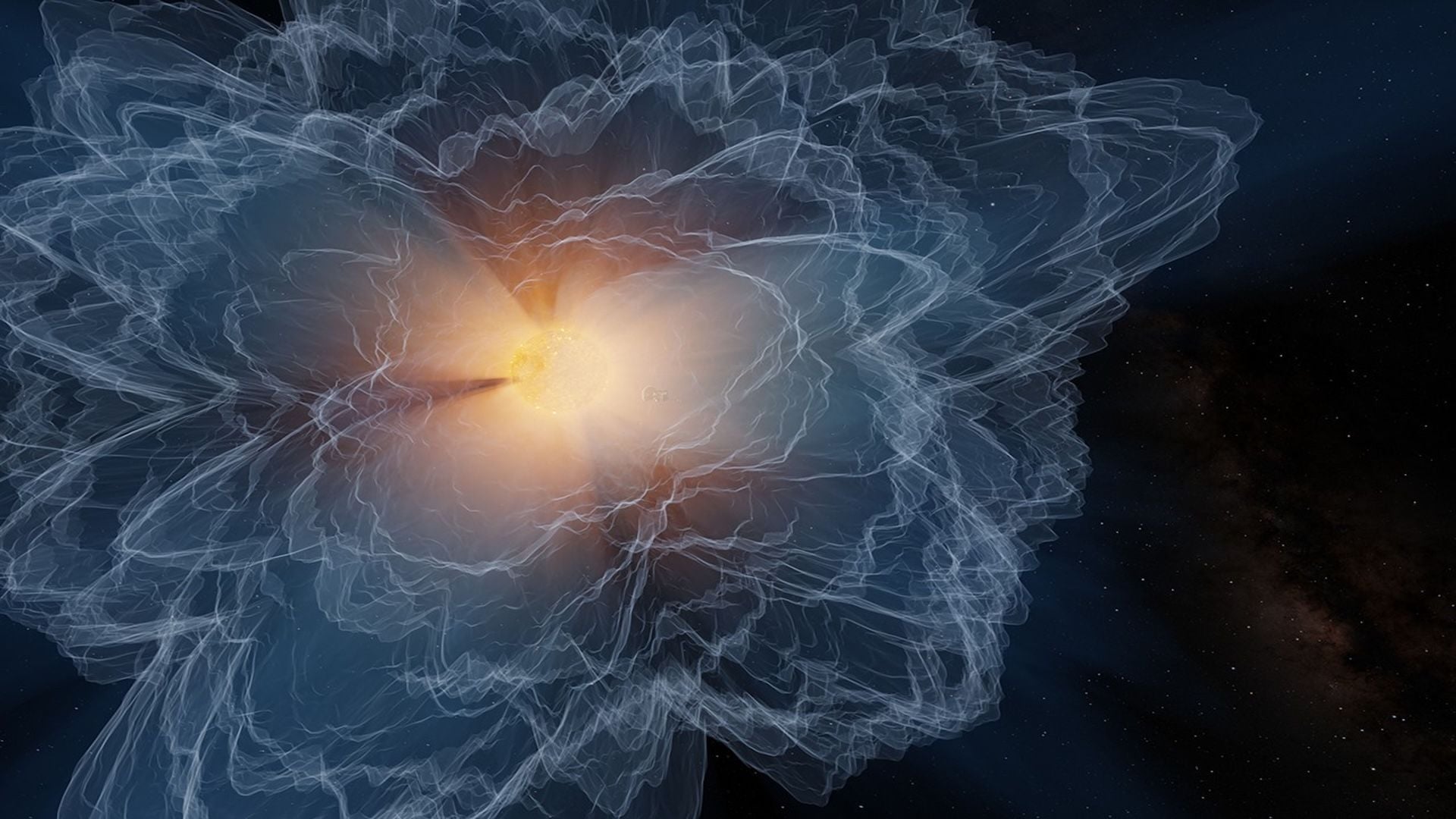
NASA's Parker Solar Probe has created the first detailed 2D maps of the sun's outer atmosphere, revealing how the Alfvén surface, the boundary where solar particles escape as solar wind, changes shape with solar activity, providing insights that could improve space weather prediction and protect Earth's technological systems.
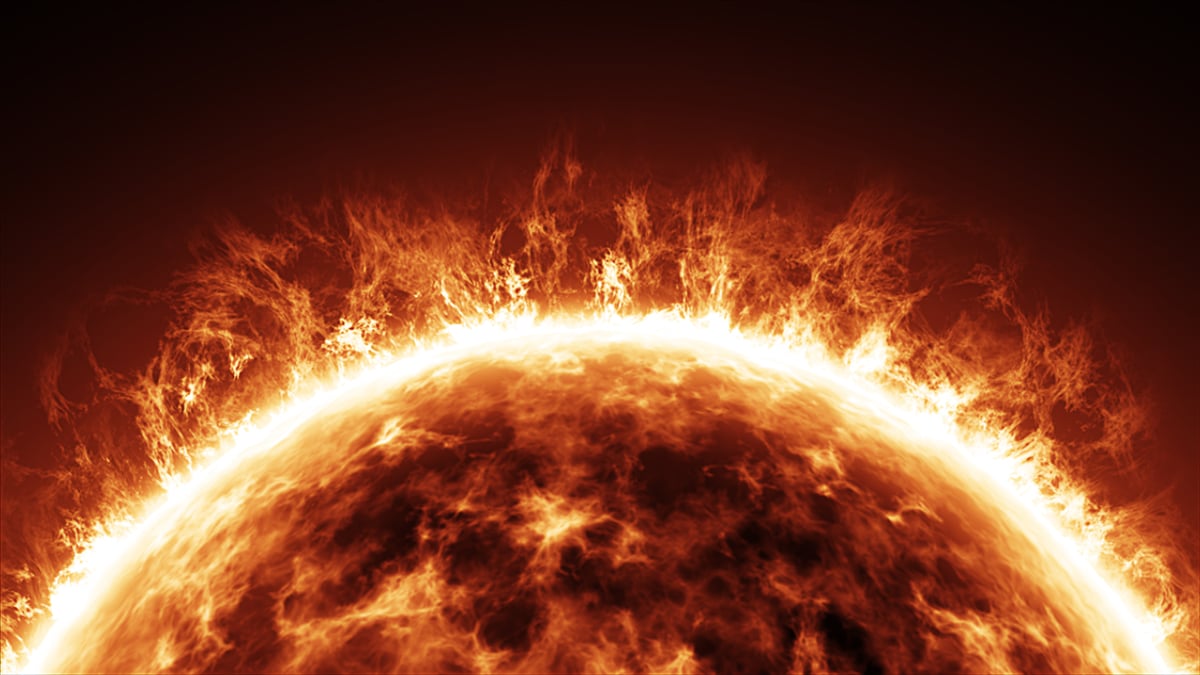
Scientists have finally observed small-scale torsional Alfvén waves across the Sun's corona, providing crucial evidence for understanding how the corona reaches millions of degrees Celsius and how solar winds are generated, which can improve space weather forecasting.
The Daniel F. Inouye Solar Telescope has captured the smallest magnetic loops ever seen in the sun's corona, revealing details that could help understand the mechanisms behind solar flares. These tiny loops, some as narrow as 13 miles, were observed during a powerful X-class flare, providing new insights into solar magnetic activity. However, funding cuts threaten the telescope's future, risking loss of valuable solar research and expertise.
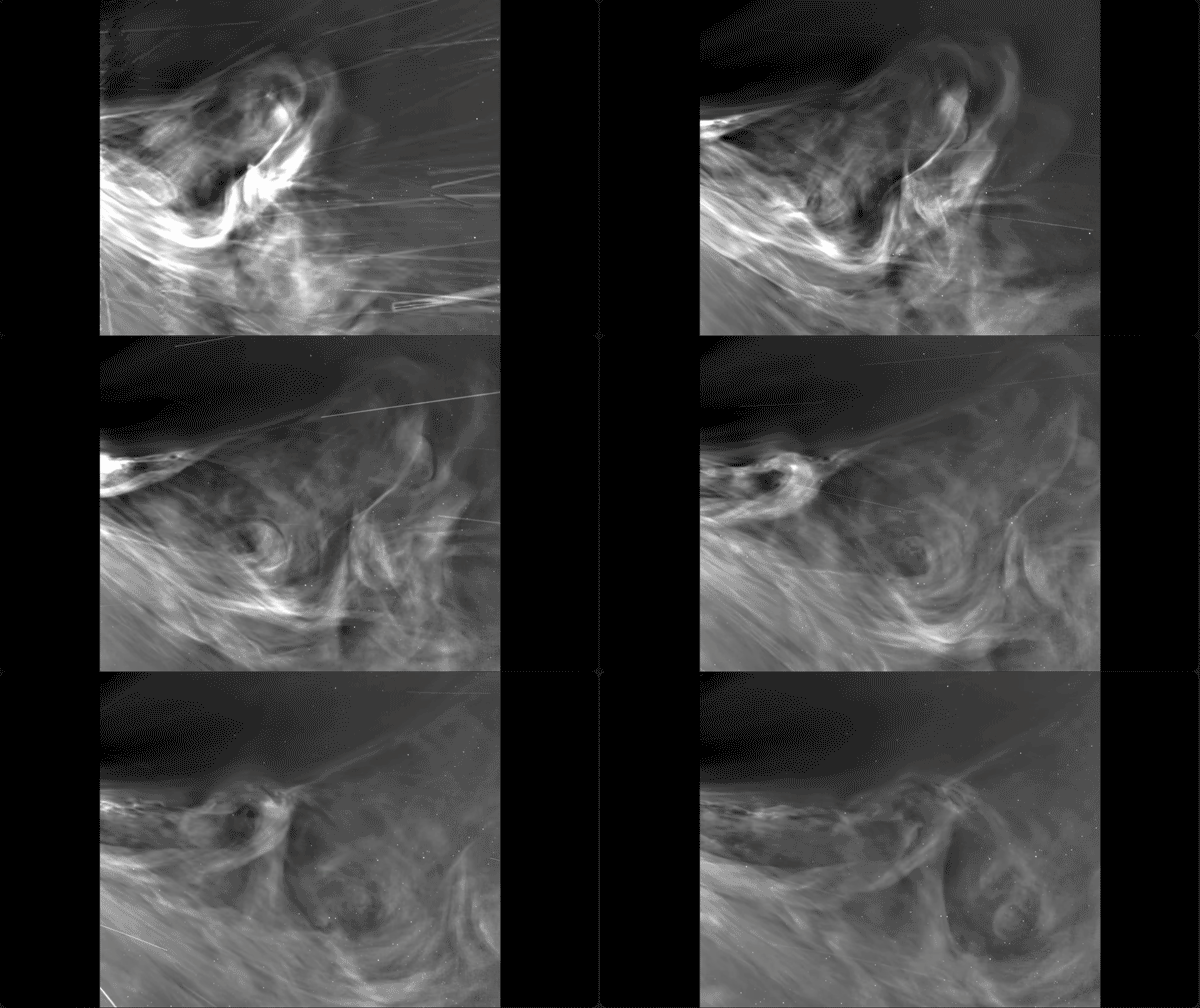
NASA's Parker Solar Probe flew through the sun's corona, capturing the closest images and videos of the sun's atmosphere and solar wind, which will help improve understanding of space weather, solar phenomena, and potentially enhance astronaut and satellite safety.
NASA's CODEX instrument on the ISS captured first-of-its-kind images of the Sun's corona, measuring the speed and temperature of solar wind to improve understanding of space weather and the Sun's impact on Earth.
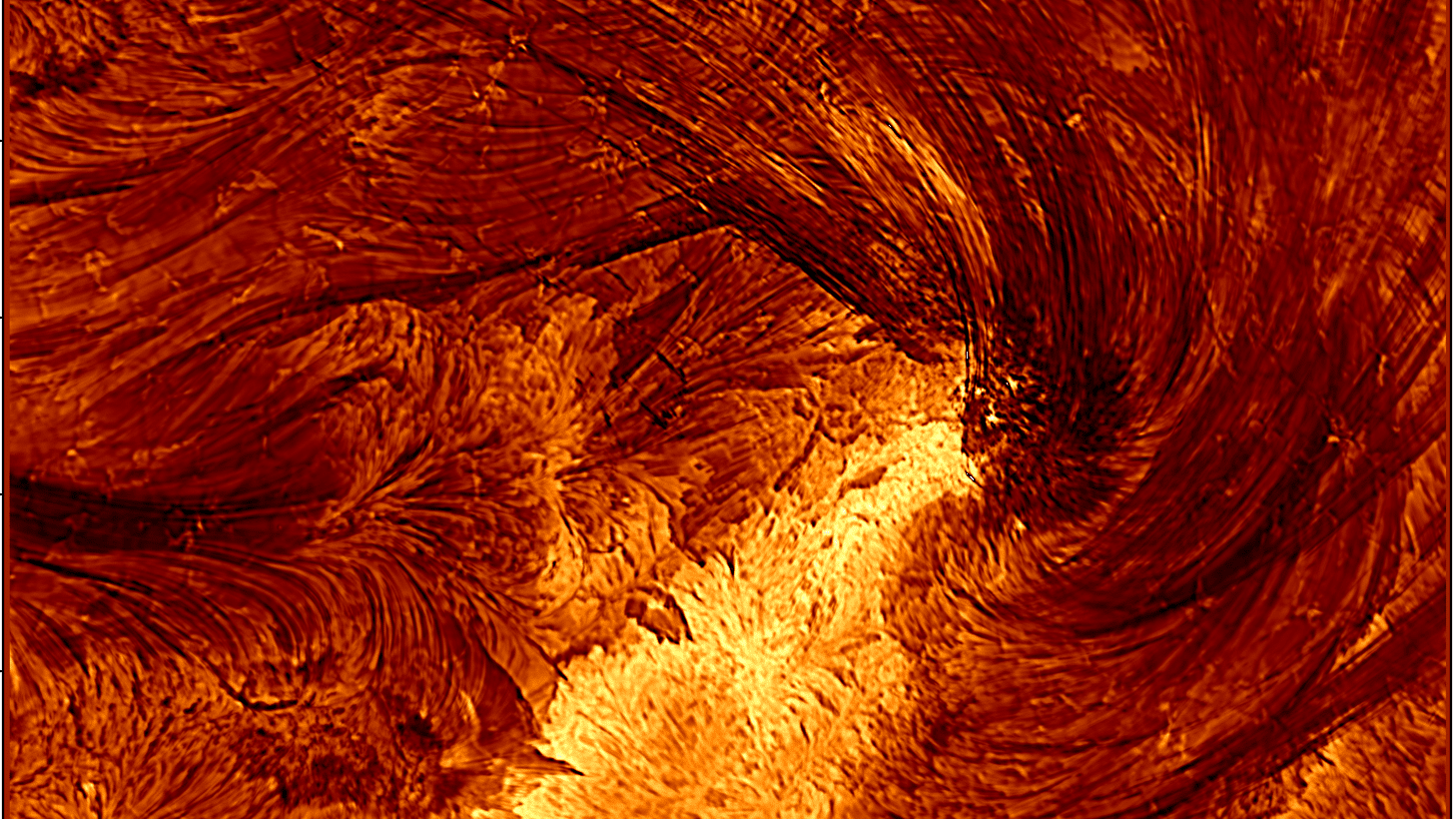
New coronal adaptive optics technology has enabled unprecedented high-resolution images of the sun's corona, revealing fine structures, turbulent flows, and phenomena like coronal rain, which could lead to breakthroughs in understanding solar activity and space weather. The system, installed at the Big Bear Solar Observatory, corrects atmospheric turbulence, allowing for detailed observation of the sun's outer atmosphere and promising future applications at larger telescopes.
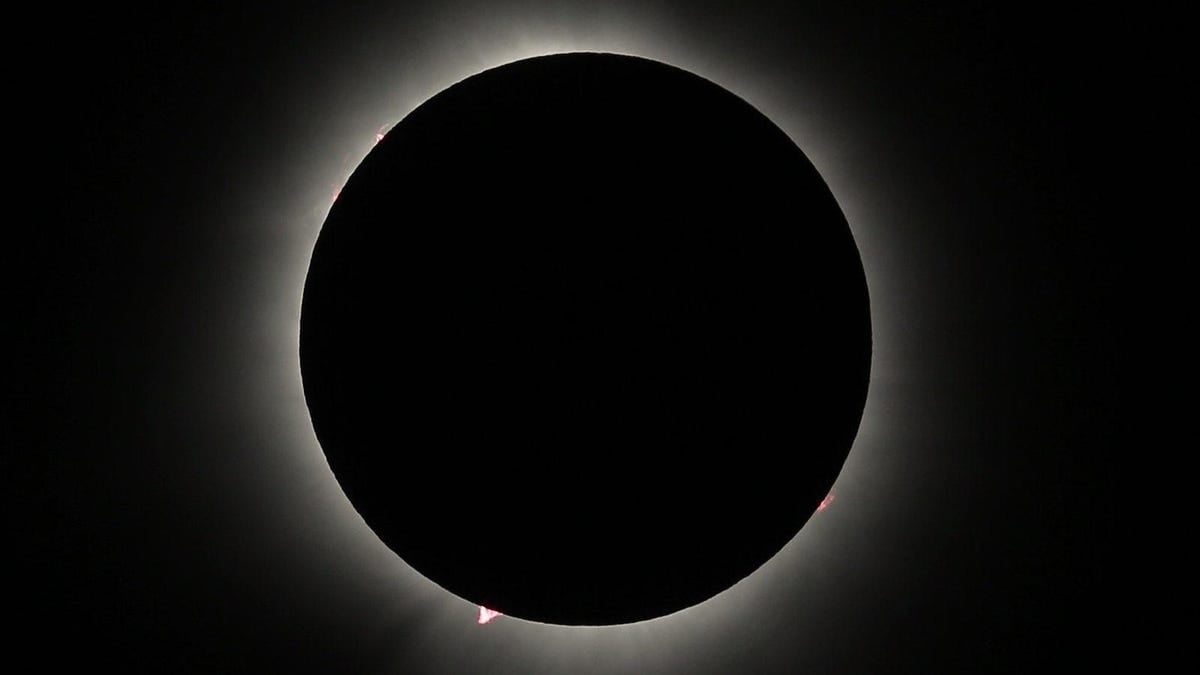
During the recent total solar eclipse, observers were treated to the sight of bright red dots along the Sun's perimeter, which were actually solar prominences—reddish or pinkish structures extending from the Sun's edge. These prominences, composed of plasma and anchored to the Sun's surface, are distinct from solar flares and are a result of the Sun's dynamic phase during its 11-year cycle. Astronomers eagerly anticipate studying these features during eclipses, and the recent event provided a rare opportunity for ground-based observers to witness these stellar phenomena firsthand.
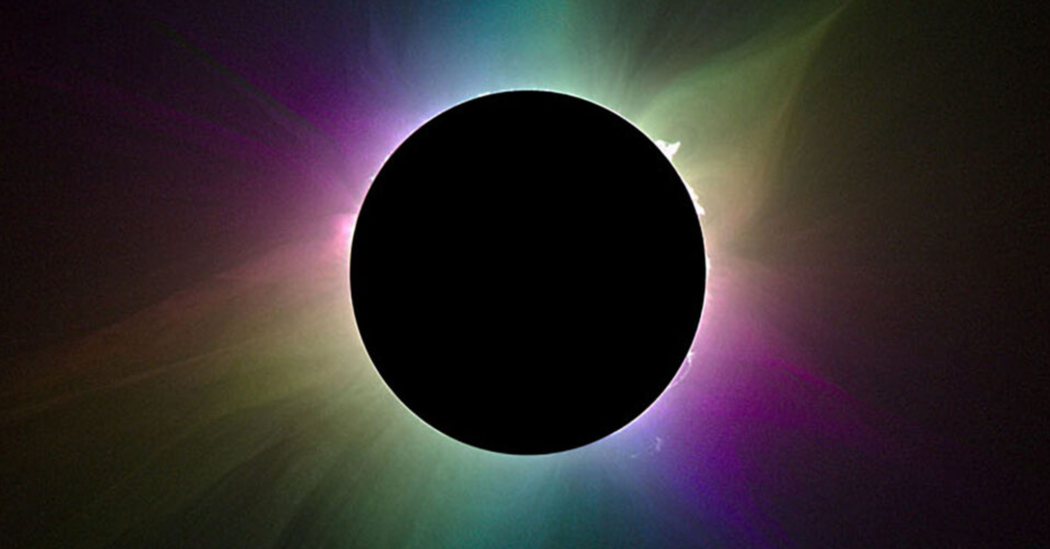
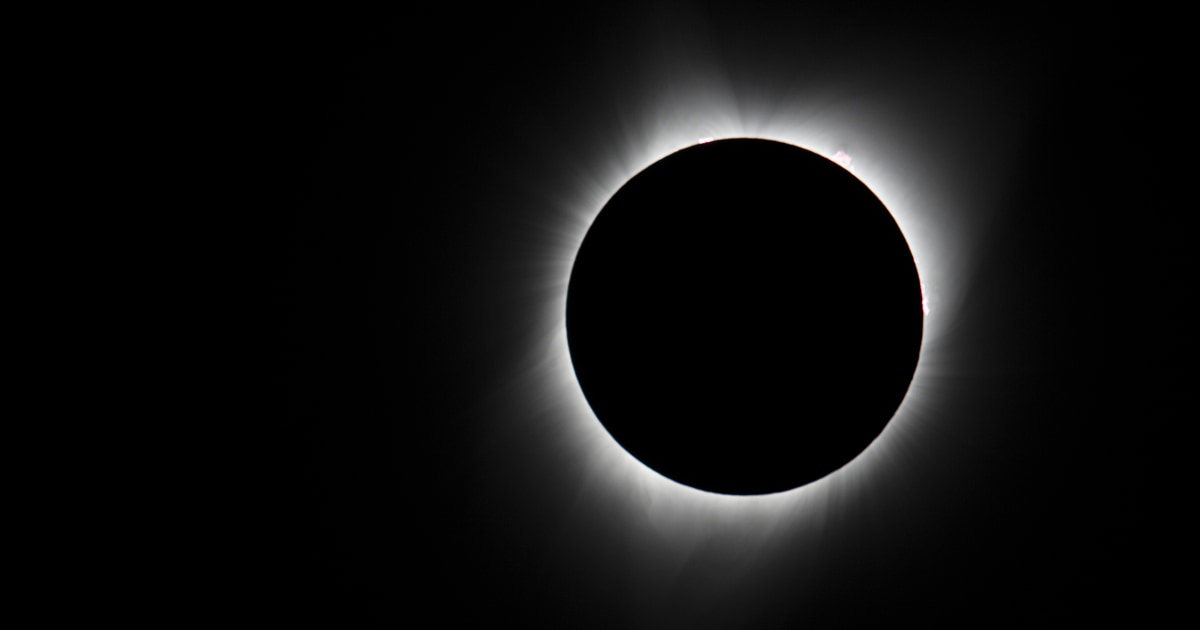
During the rare total solar eclipse on April 8, 2024, viewers were able to witness the sun's glowing, ghostly corona and vivid red or pinkish solar prominences, which are eruptions from the sun's surface. These phenomena, composed of hot hydrogen and helium gas, extend hundreds to thousands of miles into space and can last weeks to months. The next total solar eclipse to sweep across parts of the U.S. will be in 2044 and 2045, providing an amazing experience not to be missed.
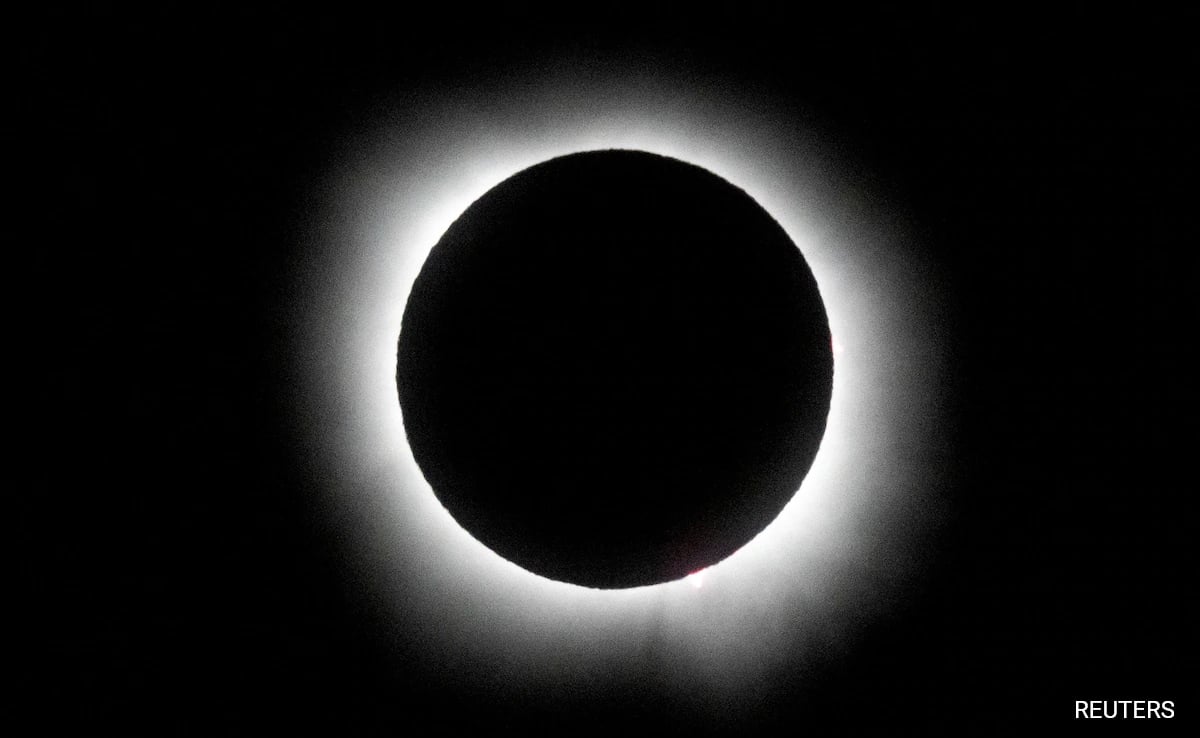
A rare total solar eclipse plunged the Pacific coast of Mexico into darkness, with the "path of totality" streaking across Mexico and the United States before returning to the ocean over Canada's Atlantic coast. The next total solar eclipse visible from a large part of North America won't occur until 2044, and various events and viewing parties are planned along the eclipse's path. The eclipse also presents an opportunity to study the Sun's corona, the outer layer of its atmosphere normally hidden by the Sun's surface.
Nasa will deploy two WB-57 flights with four scientists flying at 50,000ft along the path of the solar eclipse to collect data on the Sun's corona, offering a unique opportunity for scientific research.
The 2024 solar eclipse will sweep across North America on April 8, offering a rare spectacle. Some surprising facts include the path starting in the Pacific Ocean and ending in the Atlantic, Mexico experiencing the longest totality, more people living in the path of totality compared to the last eclipse, the sun's corona being visible, and the next total eclipse in the U.S. not occurring until 2033.
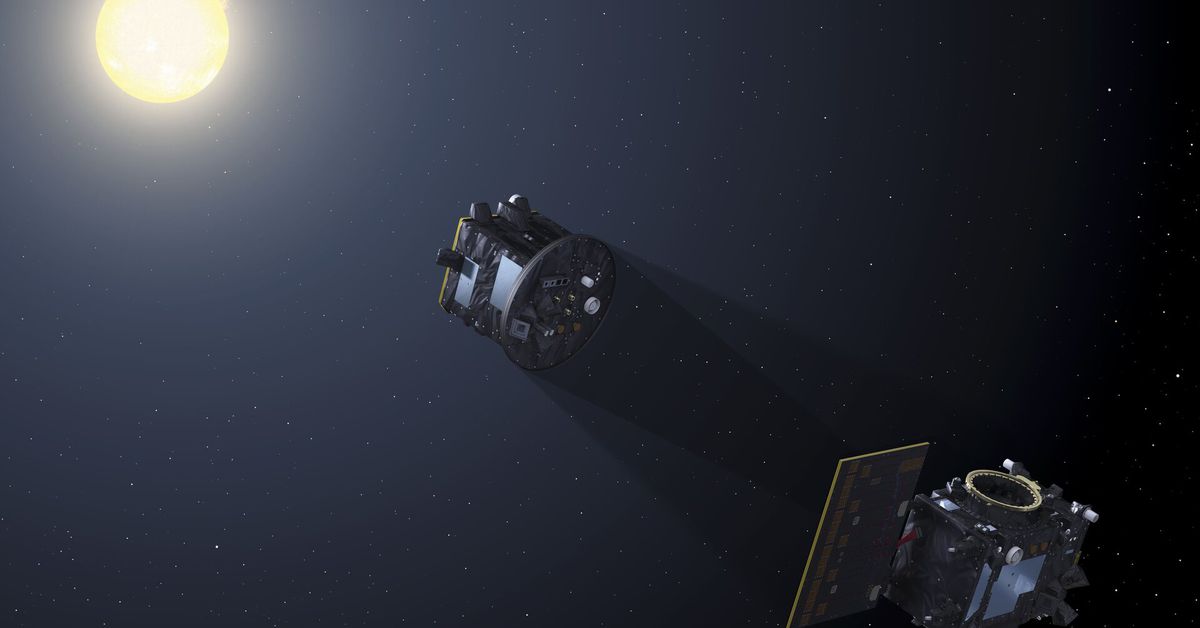
The European Space Agency plans to create artificial solar eclipses using two spacecraft to study the Sun's corona, aiming to understand its role in solar weather and measure the Sun's energy output for climate modeling. The mission, named Proba-3, involves precise formation flying of two spacecraft equipped with an occulter and a coronagraph to block out the Sun's bright disk and observe the corona. This innovative approach aims to overcome limitations of existing coronagraphs and could provide valuable insights into solar phenomena.
On April 8, a total solar eclipse will provide an opportunity for significant scientific research, with cameras across North America creating a "megamovie" of the sun's corona to track the behavior of jets and plumes on the sun's surface. NASA and other scientists are conducting various studies along the path of totality, making this eclipse a significant event for advancing our understanding of the sun and its behavior.
Scientists are gearing up to study the upcoming total solar eclipse on April 8 using high-altitude planes and sun-orbiting probes to observe the sun's outer atmosphere, or corona, which is normally too bright to see. The eclipse provides a rare opportunity to collect data that may give insights into the future of the sun, including understanding the origin of the solar wind and why the corona is millions of degrees hotter than the sun's surface. Multiple spacecraft, including NASA's Parker Solar Probe and the European Space Agency's Solar Orbiter, will be observing the eclipse to capture details of the sun's atmosphere and the solar wind, which are crucial for understanding space weather and its effects on Earth.