OpenAI is preparing to release GPT-5.1, including various versions for different users, with a rollout expected in the coming weeks, alongside improvements to Codex models and competition from Google and others.
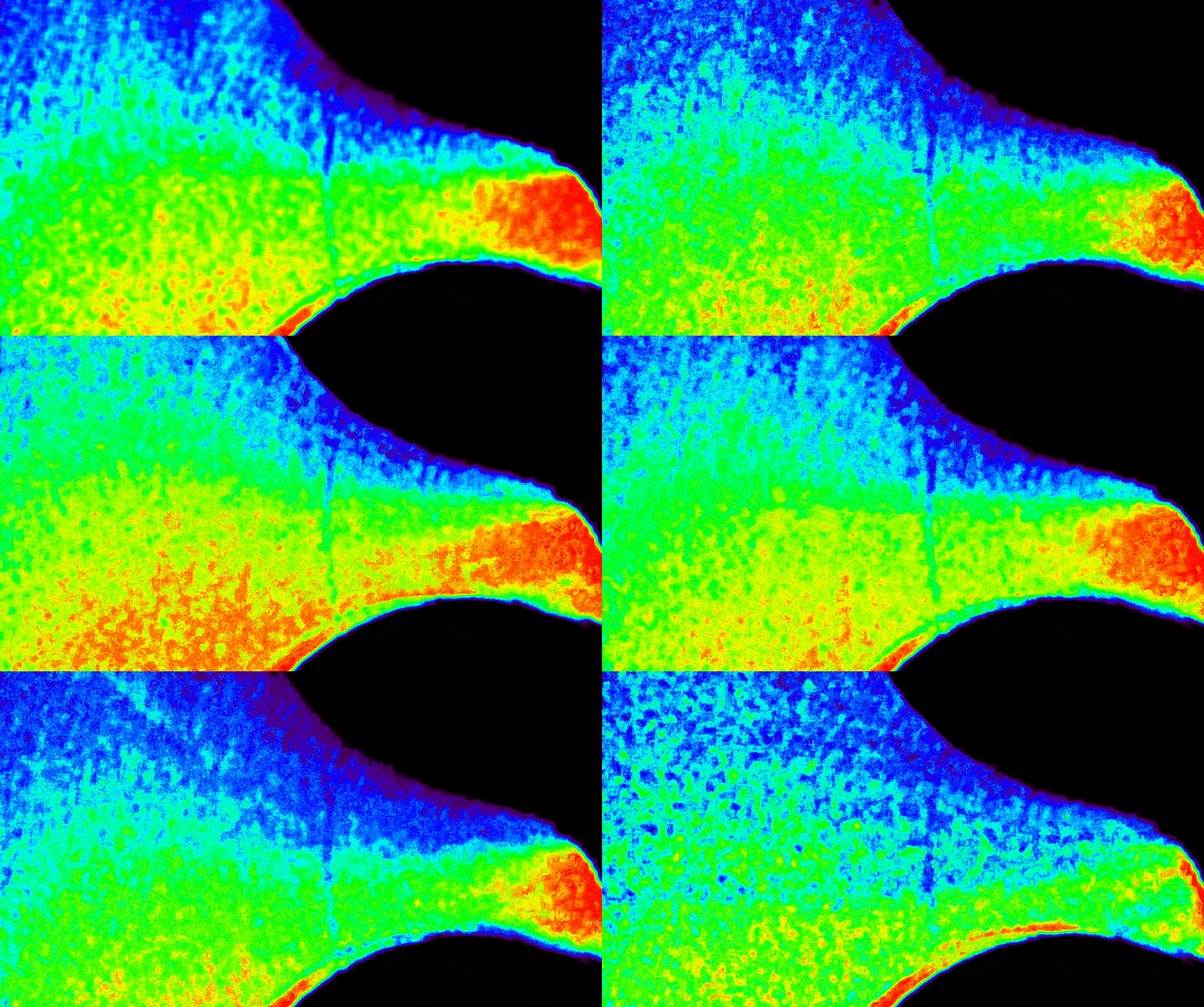
NASA's new mini solar telescope, CODEX, attached to the ISS, has captured unprecedented images revealing subtle fluctuations in the sun's outer atmosphere, including temperature variations and coronal streamers, which could improve understanding of solar wind and space weather prediction.
OpenAI's Codex, an AI tool for coding tasks, now allows users to generate and compare multiple solutions simultaneously, enhancing decision-making in programming. The update includes new features like keyboard shortcuts, task cancellation, and improved code understanding, making it a more versatile tool for developers, available with a $20 subscription.
NASA's CODEX instrument on the ISS captured first-of-its-kind images of the Sun's corona, measuring the speed and temperature of solar wind to improve understanding of space weather and the Sun's impact on Earth.
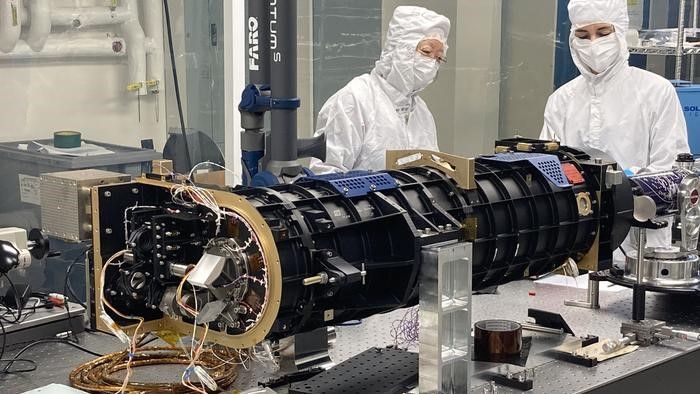
NASA's Coronal Diagnostic Experiment (CODEX), a solar coronagraph, has been delivered to the International Space Station to study the solar wind's temperature and speed. By blocking the sun's harsh light, CODEX will provide detailed observations of the sun's corona, enhancing our understanding of space weather and improving predictions. This comes at a crucial time as the sun is in its solar maximum phase, offering unique insights into different types of solar wind.