Tag

Sun Activity

All articles tagged with #sun activity

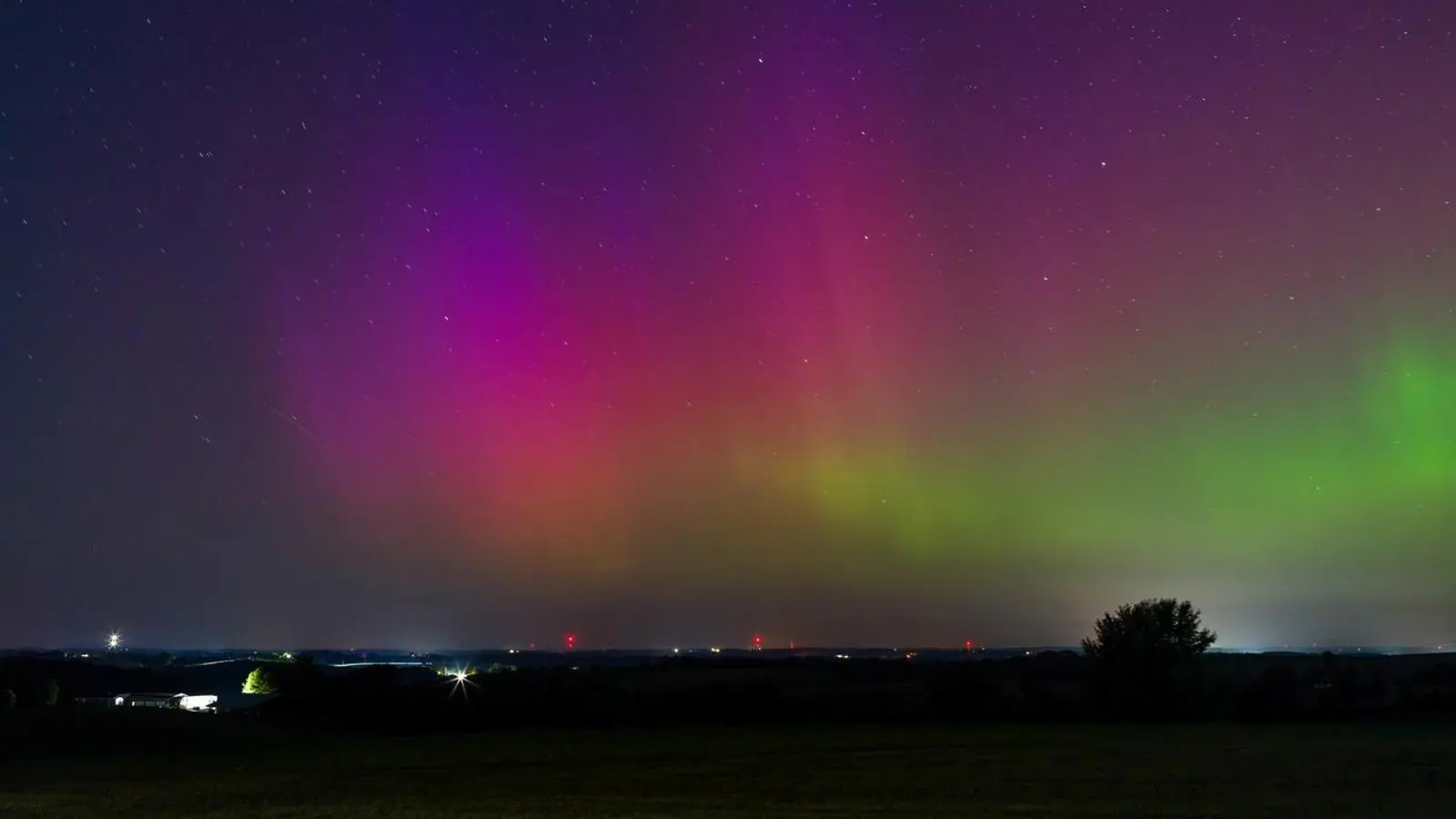
Northern Lights to Shine Over Multiple U.S. States This Week

Originally Published 3 months ago — by Forbes

Featured image for Northern Lights to Shine Over Multiple U.S. States This Week
Source: Forbes

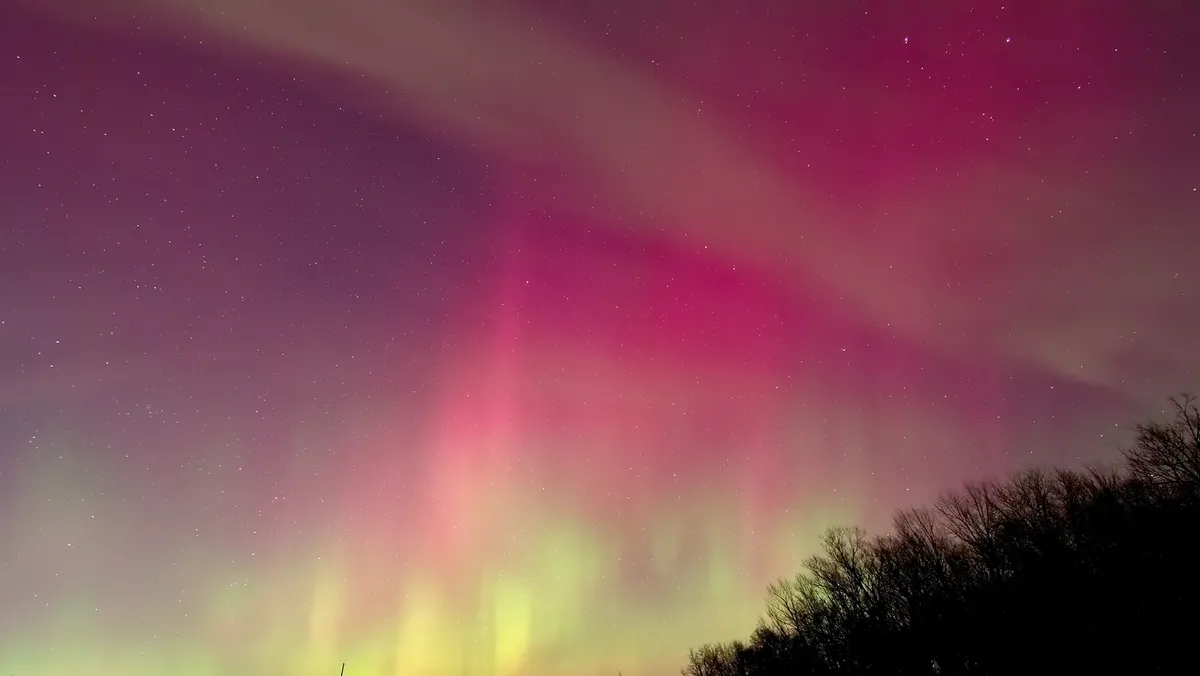
Forecasters at NOAA predict a moderate chance of seeing the Northern Lights in northern U.S. states and Alaska on Tuesday evening due to minor geomagnetic storms caused by solar activity, with the best viewing times between 10 p.m. and 2 a.m. Travelers should head north and away from city lights for the best experience, and photographers are advised to use tripods and wide-angle lenses.
NASA Reports Increased Solar Activity

Originally Published 3 months ago — by NASA Jet Propulsion Laboratory (JPL) (.gov)

Featured image for NASA Reports Increased Solar Activity
Source: NASA Jet Propulsion Laboratory (JPL) (.gov)

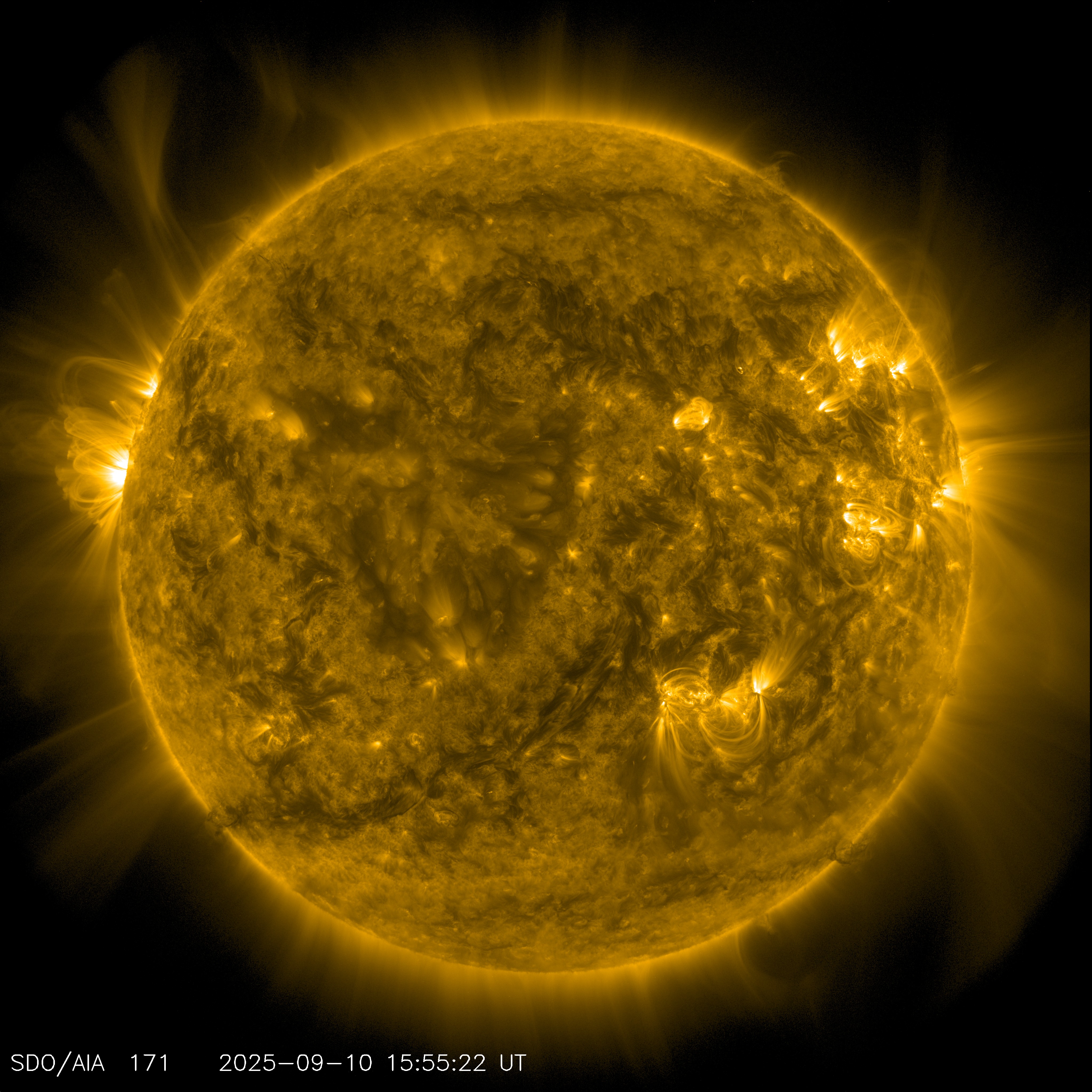
NASA's recent study indicates that solar activity, which had been decreasing since the 1980s and was at its weakest in 2008, has started to increase again, potentially leading to more space weather events like solar storms and flares, which can impact Earth and space missions.

Earth-Size Solar Plasma Storm Hits Magnetic Shield After 435,000-Mile Journey

Originally Published 4 months ago — by Energy Reporters

Featured image for Earth-Size Solar Plasma Storm Hits Magnetic Shield After 435,000-Mile Journey
Source: Energy Reporters

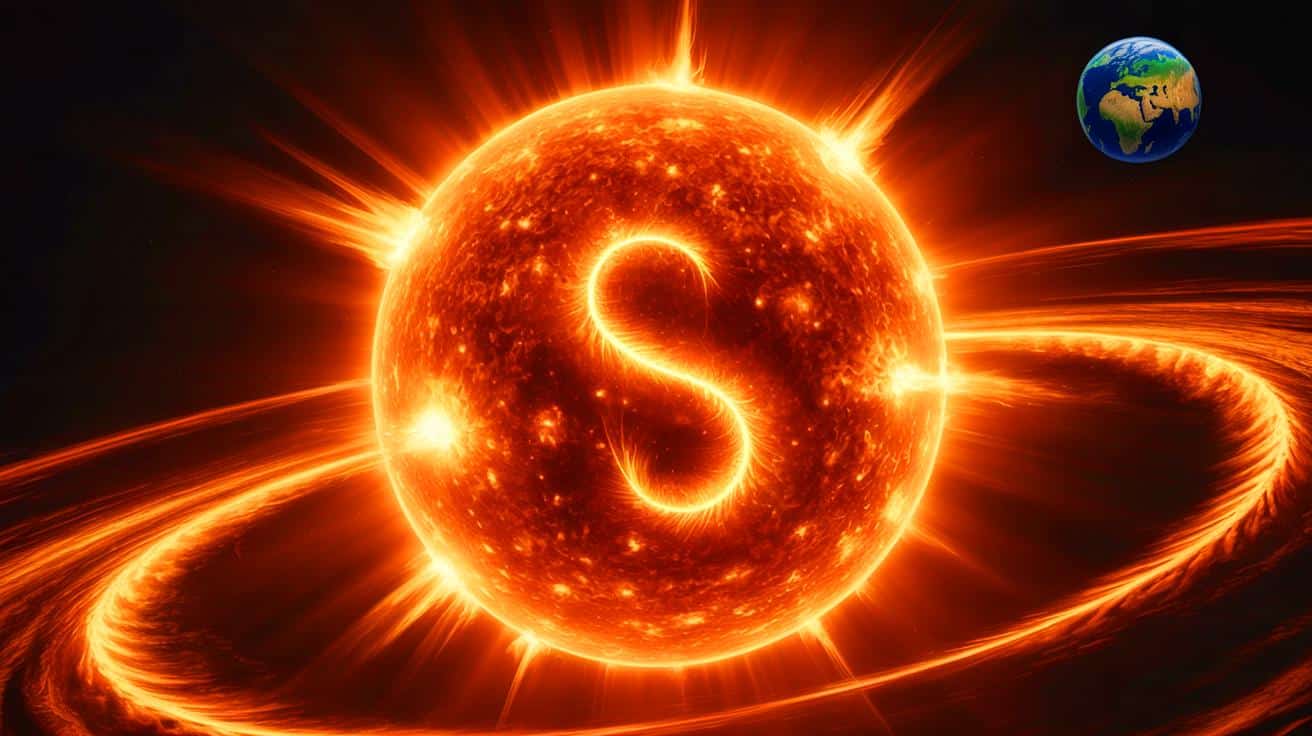
A massive inverted 'S' shaped solar structure, ten times the size of Earth, was observed on the Sun, followed by a coronal mass ejection that caused a mild geomagnetic storm on Earth, highlighting the importance of monitoring solar activity and its potential impacts on our planet.

Venus, Earth, and Jupiter Collaborate to Mitigate Solar Storms

Originally Published 4 months ago — by Space

Featured image for Venus, Earth, and Jupiter Collaborate to Mitigate Solar Storms
Source: Space

A study suggests that gravitational tidal forces from Venus, Earth, and Jupiter may help keep the sun calmer than other stars, potentially reducing the risk of extreme solar storms that could disrupt Earth's technology. These forces influence the sun's magnetic activity in a cyclical manner, possibly explaining why our sun's eruptions are milder compared to similar stars, which may have contributed to Earth's habitability.

"Unveiling the Unique Phenomena of the April 8 Total Solar Eclipse"

Originally Published 1 year ago — by Livescience.com

Featured image for "Unveiling the Unique Phenomena of the April 8 Total Solar Eclipse"
Source: Livescience.com

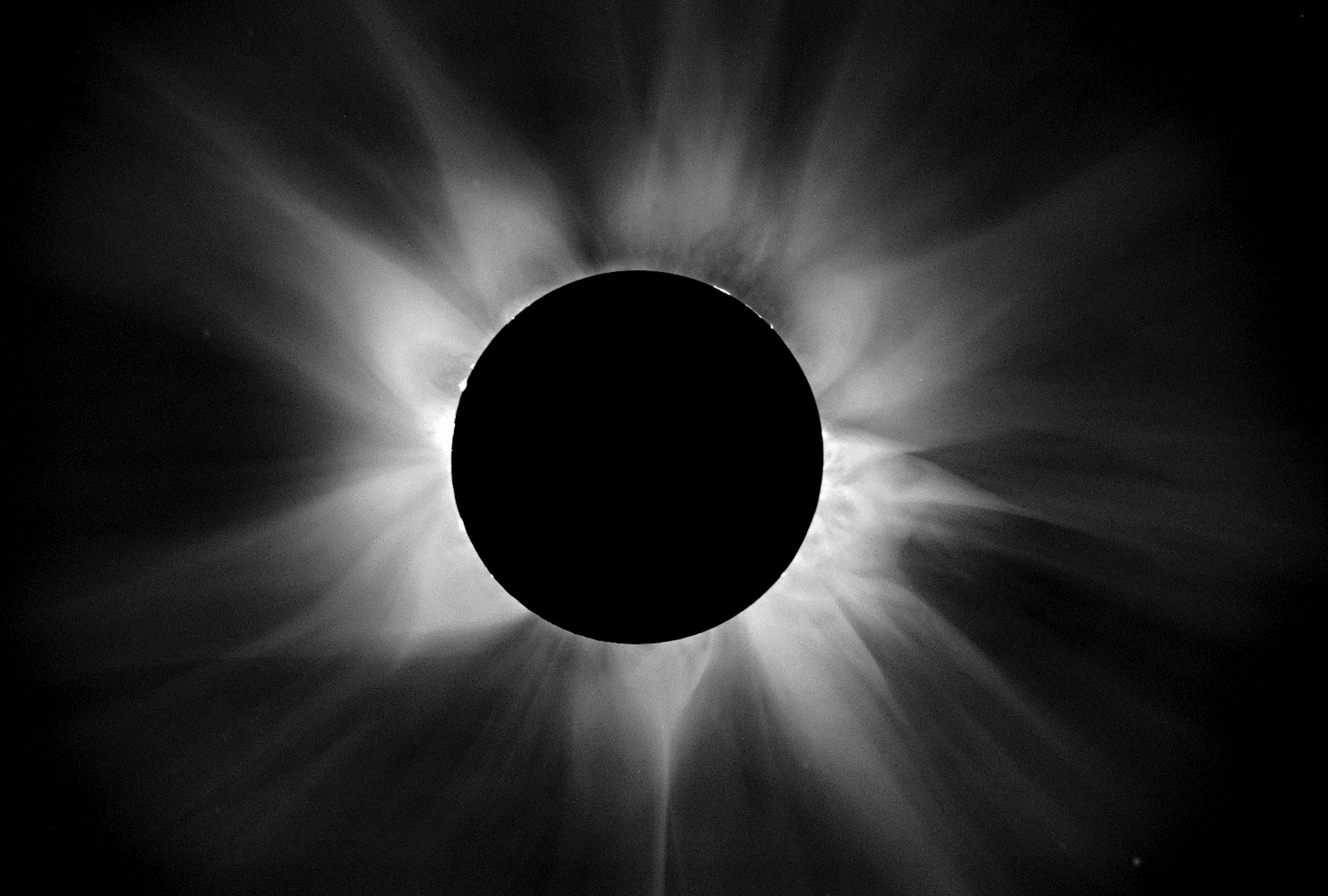
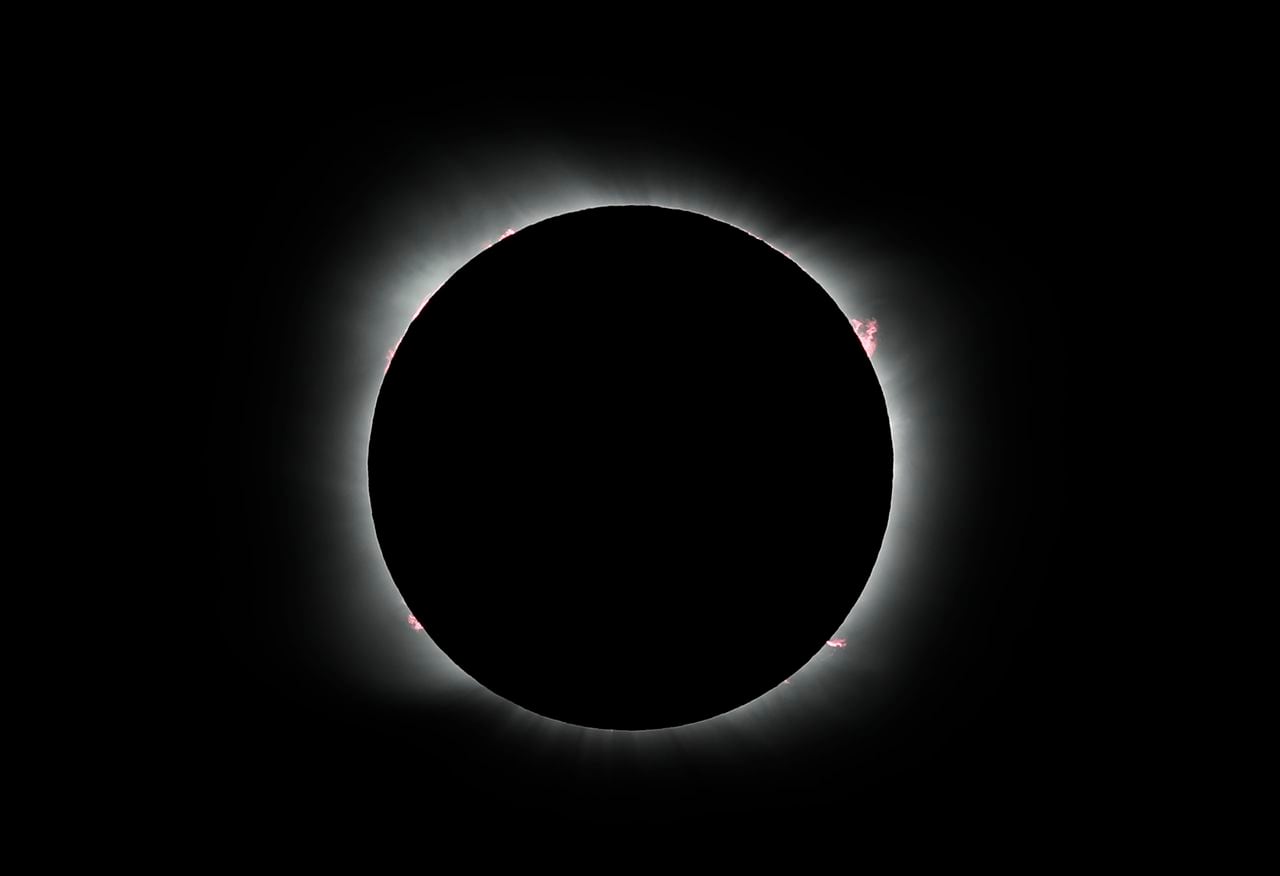
The upcoming total solar eclipse on April 8 may not feature solar storms due to the sun's current quiet phase, but it is still expected to be visually stunning. Solar activity has been high recently, but the sun is now surprisingly calm with minimal sunspot activity. Despite this, the eclipse's totality will offer a remarkable view of the sun's corona, and observers may also spot stars, planets, and the "devil comet," 12P/Pons-Broos. Safety precautions are crucial when observing the eclipse, with the reminder that it is only safe to look at the sun without eye protection during totality within the eclipse's path.

"The Biggest Solar Storm in Recorded History: A Look at the Solar Maximum"

Originally Published 1 year ago — by NPR

Featured image for "The Biggest Solar Storm in Recorded History: A Look at the Solar Maximum"
Source: NPR

As the Sun reaches its solar maximum, scientists reflect on the Carrington event of 1859, the most intense geomagnetic storm in recorded history caused by a giant solar flare. This event led to brilliant auroral displays and electrical disruptions worldwide. Solar physicist Dr. Samaiyah Farid discusses the potential impact of a similar massive solar storm on Earth, while NASA's Solar Dynamics Observatory provides real-time images of the Sun.

"2024 Total Solar Eclipse: Best Viewing Locations and Tips"

Originally Published 1 year ago — by Newsweek

Featured image for "2024 Total Solar Eclipse: Best Viewing Locations and Tips"
Source: Newsweek

The upcoming total solar eclipse on April 8, 2024, will be the last one until 2044 and is expected to be particularly remarkable due to the sun's heightened activity during the peak of a solar maximum. This event will pass over a vast area including the United States, Mexico, and Canada, and is anticipated to display a more dynamic and spiky corona due to the increased solar activity. More than 31 million people live in the path of totality, and spectators can expect a drop in temperature and changes in wildlife behavior during the eclipse.

"Maximizing Your Total Solar Eclipse Experience: Tips for 2024 and Beyond"

Originally Published 1 year ago — by AL.com

Featured image for "Maximizing Your Total Solar Eclipse Experience: Tips for 2024 and Beyond"
Source: AL.com

On April 8, 2024, a total solar eclipse will cross North America, coinciding with a period of increased sun activity, potentially making this eclipse more dynamic than the 2017 version. The path of totality will be wider, covering more ground and passing over more cities and densely populated areas, with an estimated 31.6 million people living in the path of totality and an additional 150 million within 200 miles of it.

"2024 Solar Eclipse: Best Viewing Spots and Safety Tips for New York"

Originally Published 1 year ago — by The Washington Post

Featured image for "2024 Solar Eclipse: Best Viewing Spots and Safety Tips for New York"
Source: The Washington Post

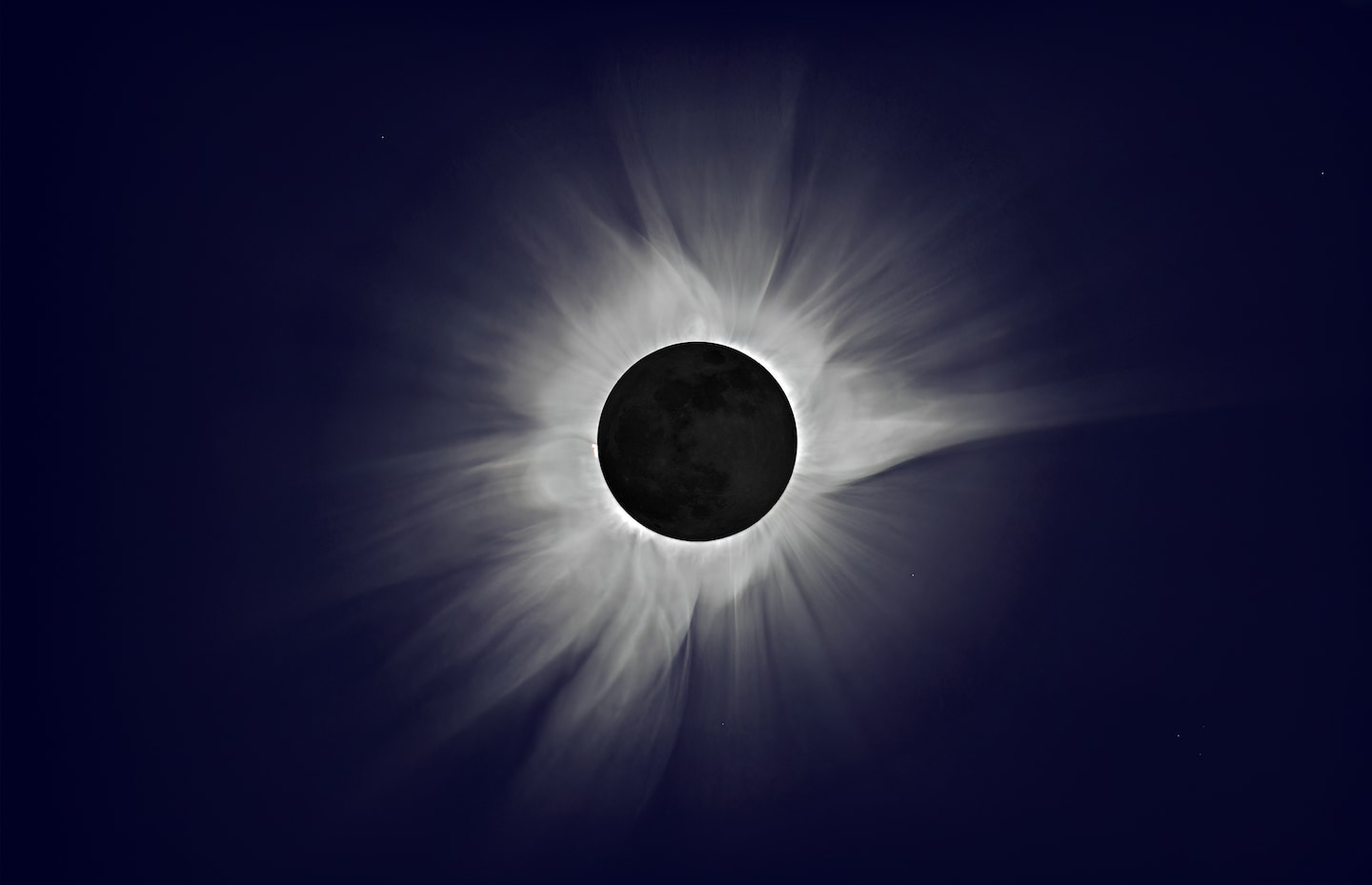
This year's total solar eclipse in April may be particularly dramatic due to the sun's heightened activity during its solar maximum phase, potentially showcasing features such as streamers, gnarly magnetic loops, and even explosive coronal mass ejections. Observers in the path of totality could witness a more dynamic and complex sun, with the possibility of a northern lights display if a coronal mass ejection occurs a few days prior and is directed toward Earth.

Northern Lights: Unlikely View in NJ and Maryland, but Possible in NH, ME, MN, and 16 Other States

Originally Published 2 years ago — by NorthJersey.com

Featured image for Northern Lights: Unlikely View in NJ and Maryland, but Possible in NH, ME, MN, and 16 Other States
Source: NorthJersey.com

Rain clouds over New Jersey will likely obstruct the view of the rare "northern lights" show, also known as the aurora borealis, which is more commonly seen in northern latitudes. However, increased sun activity has the potential to push the dancing lights farther south, possibly visible as far as the 35th latitude. The best time to see the aurora borealis is between 10 p.m. and 2 a.m. local time, with higher elevation and less light pollution improving the chances of viewing. The particles from the sun interact with Earth's magnetic field, causing them to glow, and this interaction is more pronounced during cycles of high sun activity. While the clouds may hinder the light show, the particle storm can affect communications, navigation, and the electric power grid.