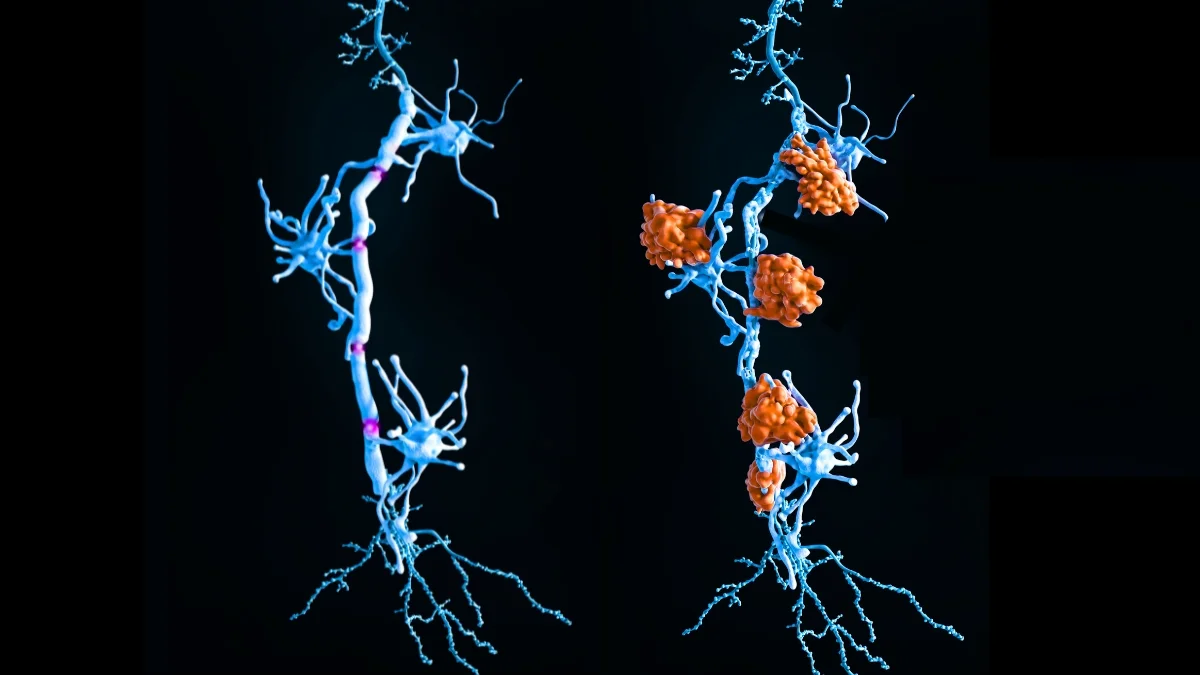
Scientists at UCL used machine learning to analyze blood tests and brain scans from 634 MS patients, discovering two distinct subtypes of the disease with different progression patterns, which could lead to more personalized treatment approaches.
Recent research identifies four distinct autism phenotypes based on genetic and behavioral differences, challenging the traditional view of autism as a single spectrum and suggesting varied developmental pathways and timelines, which could lead to more tailored diagnoses and treatments.
New research shows that autism is not a single disorder but consists of distinct subtypes with different genetic profiles and developmental trajectories, depending on whether it is diagnosed early or later in life, highlighting the complexity and heterogeneity of autism.
Researchers from Princeton and the Simons Foundation identified four biologically and clinically distinct autism subtypes using data from over 5,000 children, revealing unique genetic and developmental profiles that could lead to more personalized diagnosis and treatment approaches.
A new study identifies at least four distinct subtypes of autism based on traits and genetic patterns, paving the way for more personalized treatments and better understanding of individual trajectories within the spectrum.
A study in Nature Genetics identified four distinct autism subtypes linked to specific genetic variations, offering potential for more personalized care, though further research is needed to confirm their applicability across diverse populations.
A new study in Nature Genetics identifies four distinct subtypes of autism, each linked to unique genetic profiles, offering new insights into the condition's biological diversity and challenging the one-size-fits-all approach to understanding autism.
A major study analyzing data from over 5,000 children with autism has identified four distinct biological and clinical subtypes, each linked to different genetic profiles and developmental trajectories, paving the way for more precise diagnosis and personalized treatment approaches.
Researchers at Weill Cornell Medicine used machine learning to identify three subtypes of Parkinson's disease based on progression speed, each with distinct genetic markers. The study suggests that the diabetes drug metformin may improve symptoms, particularly in the rapidly progressing subtype, paving the way for personalized treatment approaches.
Researchers have identified distinct subtypes of Hodgkin lymphoma using noninvasive genomic profiling, which could help guide personalized treatment strategies for patients. The study analyzed tumor samples from over 1,000 patients and identified five distinct subtypes based on their genetic characteristics. These subtypes were associated with different clinical outcomes and response to treatment. The findings highlight the potential of genomic profiling in improving the precision of cancer care and tailoring therapies to individual patients.
Researchers have demonstrated that machine learning can accurately predict subtypes of Parkinson's disease using images of patient-derived stem cells. By generating stem cells from patients' own cells and creating different subtypes of Parkinson's disease, the researchers trained a computer program to recognize each subtype based on microscopic imaging. The program achieved an accuracy of 95% in classifying the subtypes. This breakthrough could lead to personalized medicine and targeted drug discovery for Parkinson's disease.
Researchers have identified four distinct subtypes of autism based on brain activity and behavior using a combination of machine learning and neuroimaging data. The study found patterns of brain connections linked with behavioral traits in people with autism, such as verbal ability, social affect, and repetitive or stereotypic behaviors. The four autism subgroups could also be replicated in a separate dataset, and differences in regional gene expression and protein-protein interactions explain the brain and behavioral differences. The findings could lead to new approaches for diagnosis and treatment of autism.