Tag

Subaru Telescope

All articles tagged with #subaru telescope

space2 hours ago

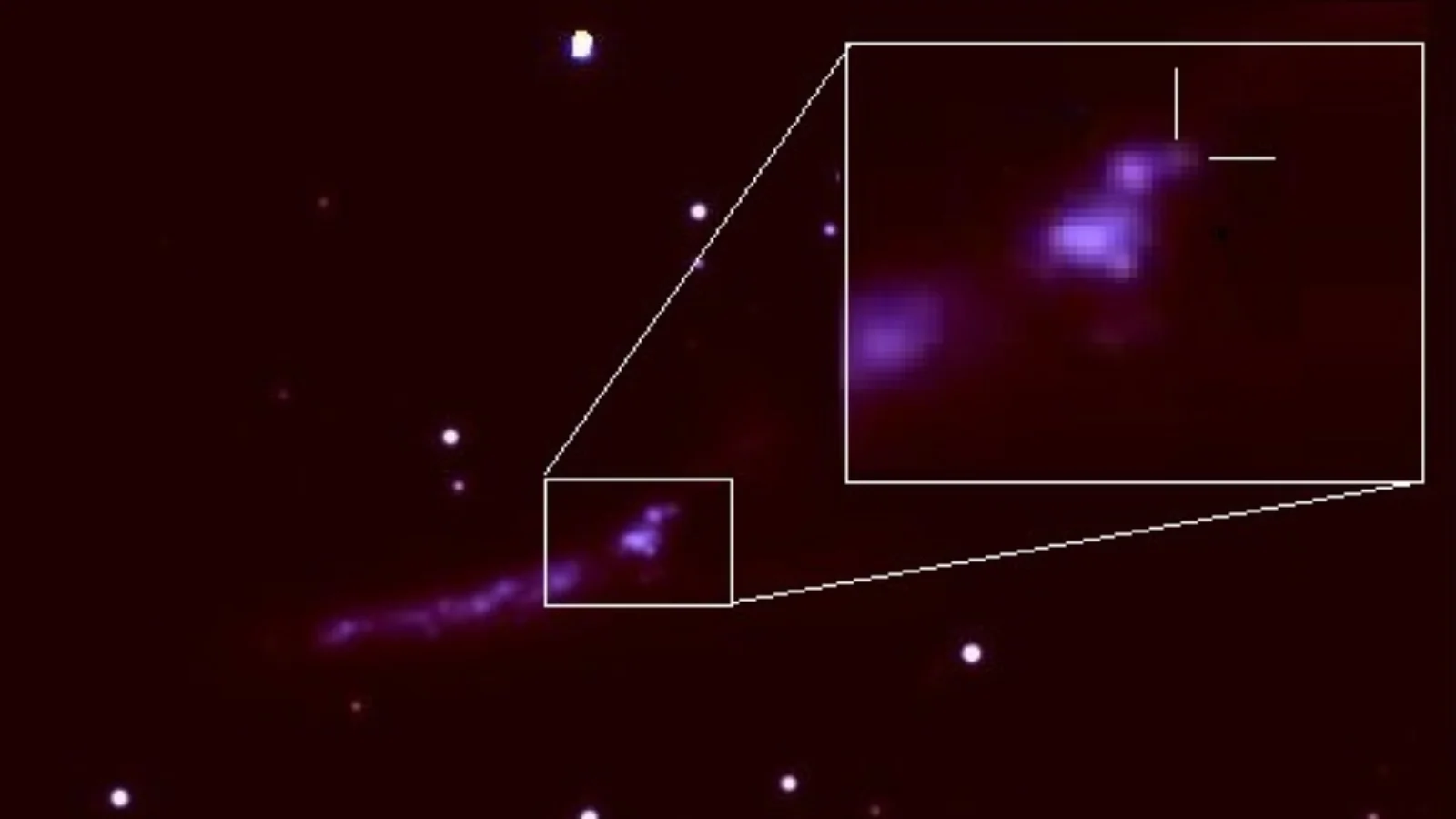
Supernova hints at birth of a binary black-hole system

Astronomers studying SN 2022esa with the Subaru and Seimei telescopes found a stable, month-long periodicity before the explosion, consistent with a Wolf-Rayet star in a binary system and a companion that may become a black hole or a massive star. The event could mark the birth of a black-hole binary, providing new insights into how such systems form; results were published in Physical Review Letters.
science6 months ago

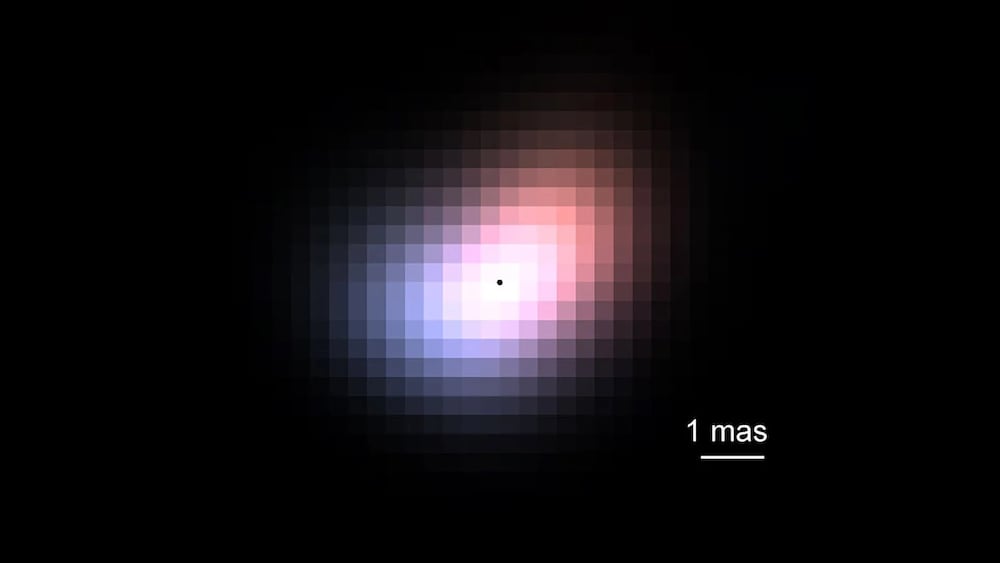
Astronomers Capture First Image of GJ504b, the 'Second Jupiter' 60 Light-Years Away

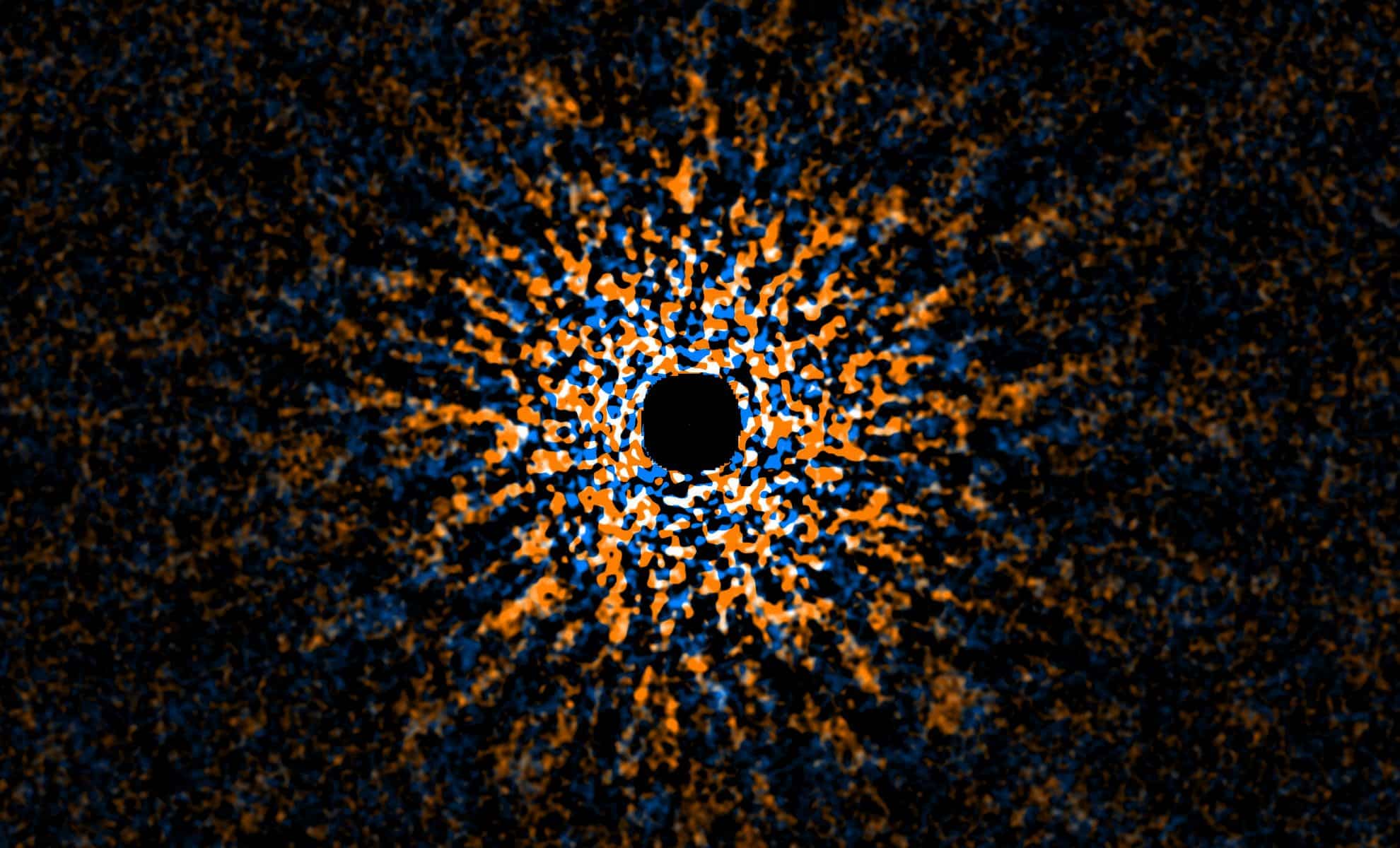
Astronomers have captured the first direct image of GJ504b, a distant exoplanet dubbed the 'second Jupiter,' using advanced technology on the Subaru Telescope. Located 60 light-years away, this planet is notable for its size, cold temperature, and clear atmosphere, providing valuable insights into planetary formation and atmospheric characteristics. This breakthrough highlights the potential of modern observational tools in exploring distant worlds.

science1 year ago

Astronomers Discover Mysterious Triple-Ring Galaxy

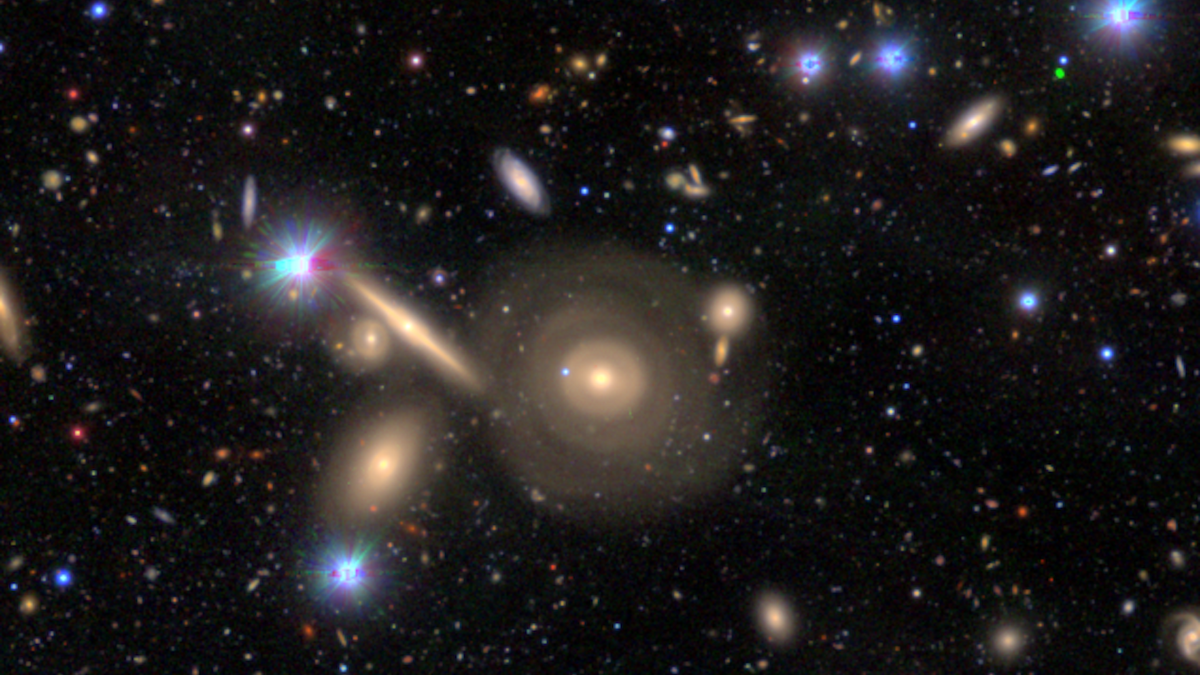
Astronomers using Japan's Subaru Telescope have discovered a rare triple-ring galaxy 800 million light-years away, challenging existing galaxy classification systems like the Hubble sequence. The formation of ring galaxies remains a mystery, with theories suggesting they result from galactic collisions or resonance phenomena. This discovery could lead to a better understanding of galactic formation and evolution.

astronomy1 year ago

"AI and Citizen Scientists Uncover 430,000 Galaxies, Refresh Black Holes with Cold Gas"

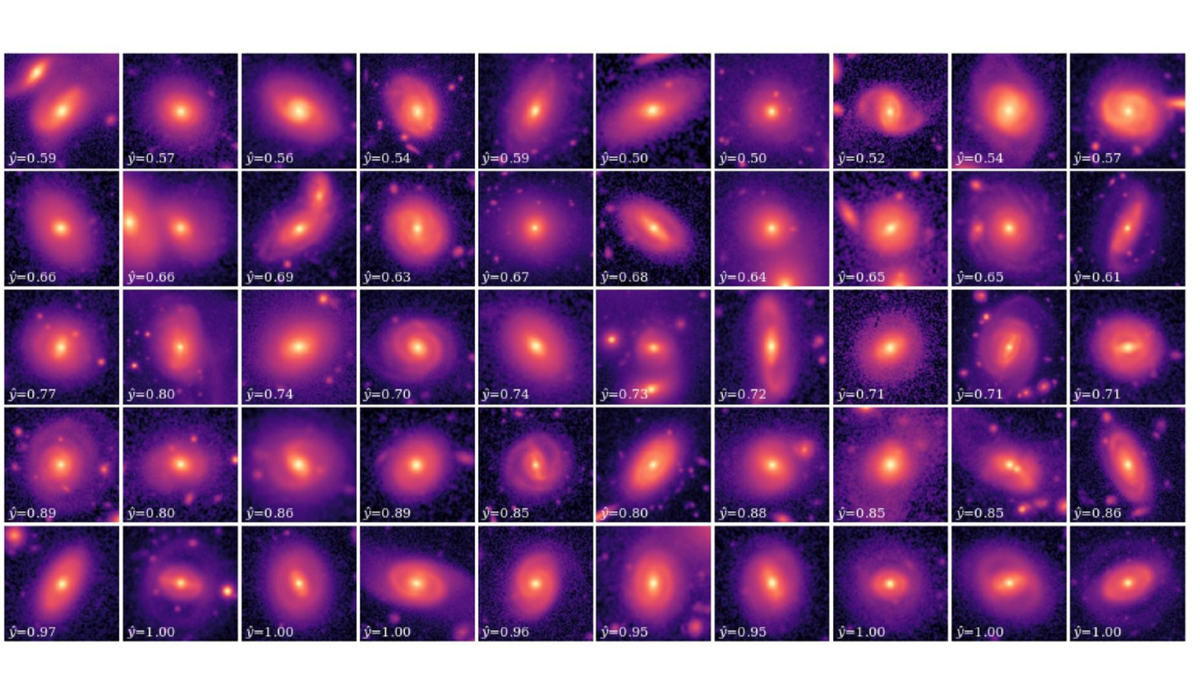
Citizen scientists and AI have discovered 430,000 galaxies, including 30,000 rare ring galaxies, using data from the Subaru Telescope. The "GALAXY CRUISE" project involved 10,000 volunteers and AI to sift through the telescope's massive data. The AI classified 400,000 galaxies as spiral and 30,000 as ring galaxies, shedding light on the rare galaxy type's formation and demonstrating the power of AI in astronomical data analysis.

astronomy1 year ago

"Faintest Moon Found Orbiting Icy Giant Planets by Subaru Telescope"

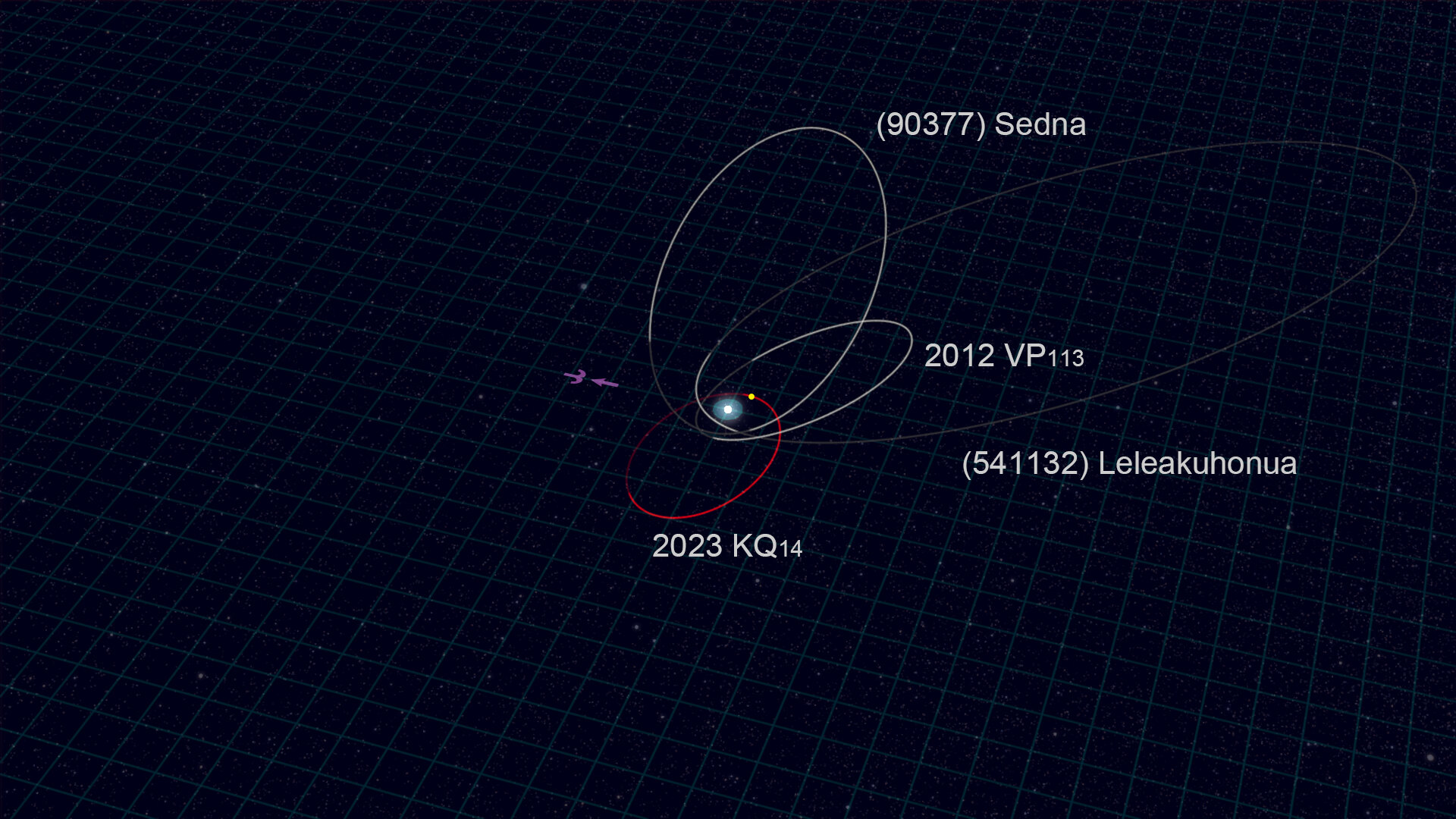
Using the Subaru Telescope, astronomers discovered three new moons orbiting Uranus and Neptune, with one around Uranus and two around Neptune. One of the new moons, S/2021 N1, is the faintest moon ever discovered by ground-based telescopes. The discoveries provide insights into the early solar system's history and the movement of planets on its outer edges, shedding light on the capture of outer moons and the chaotic nature of the early solar system.

astronomy1 year ago

"First-Ever Detection of Dark Matter Hanging from the Cosmic Web"

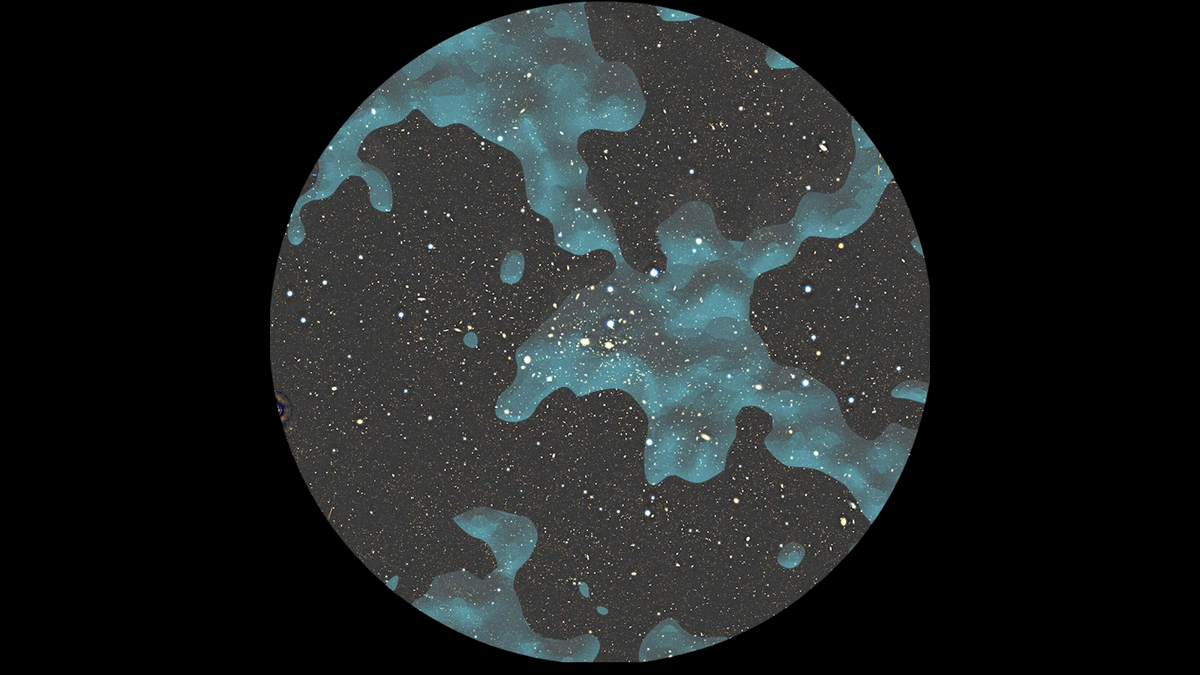
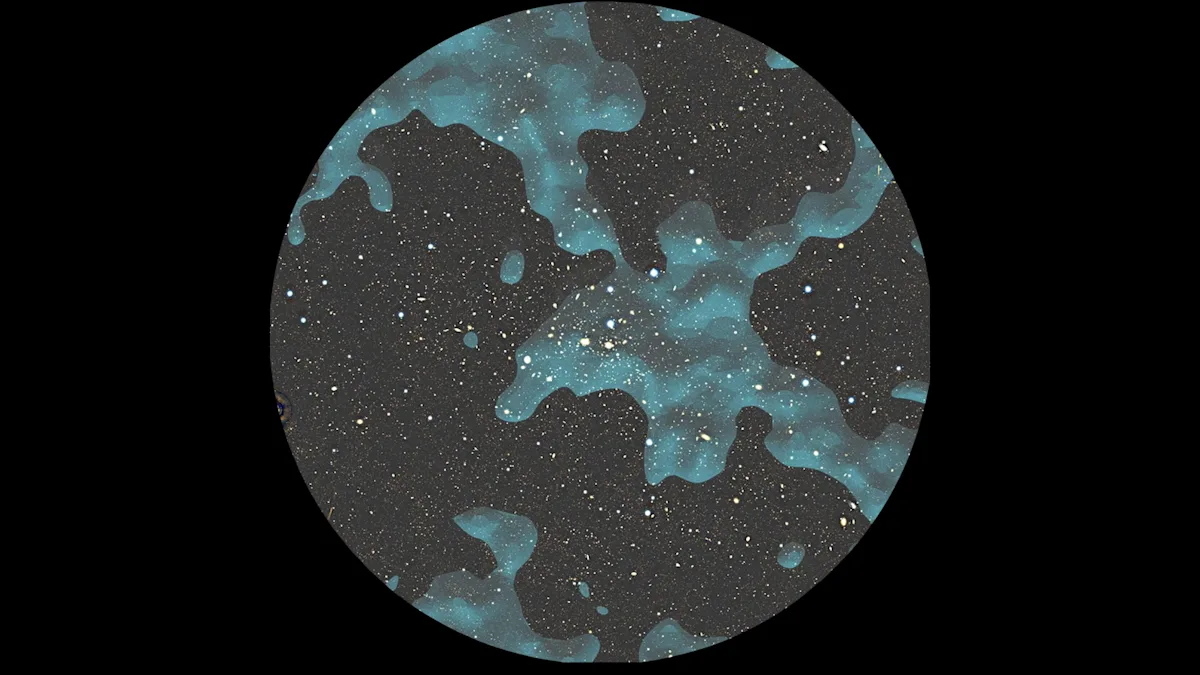
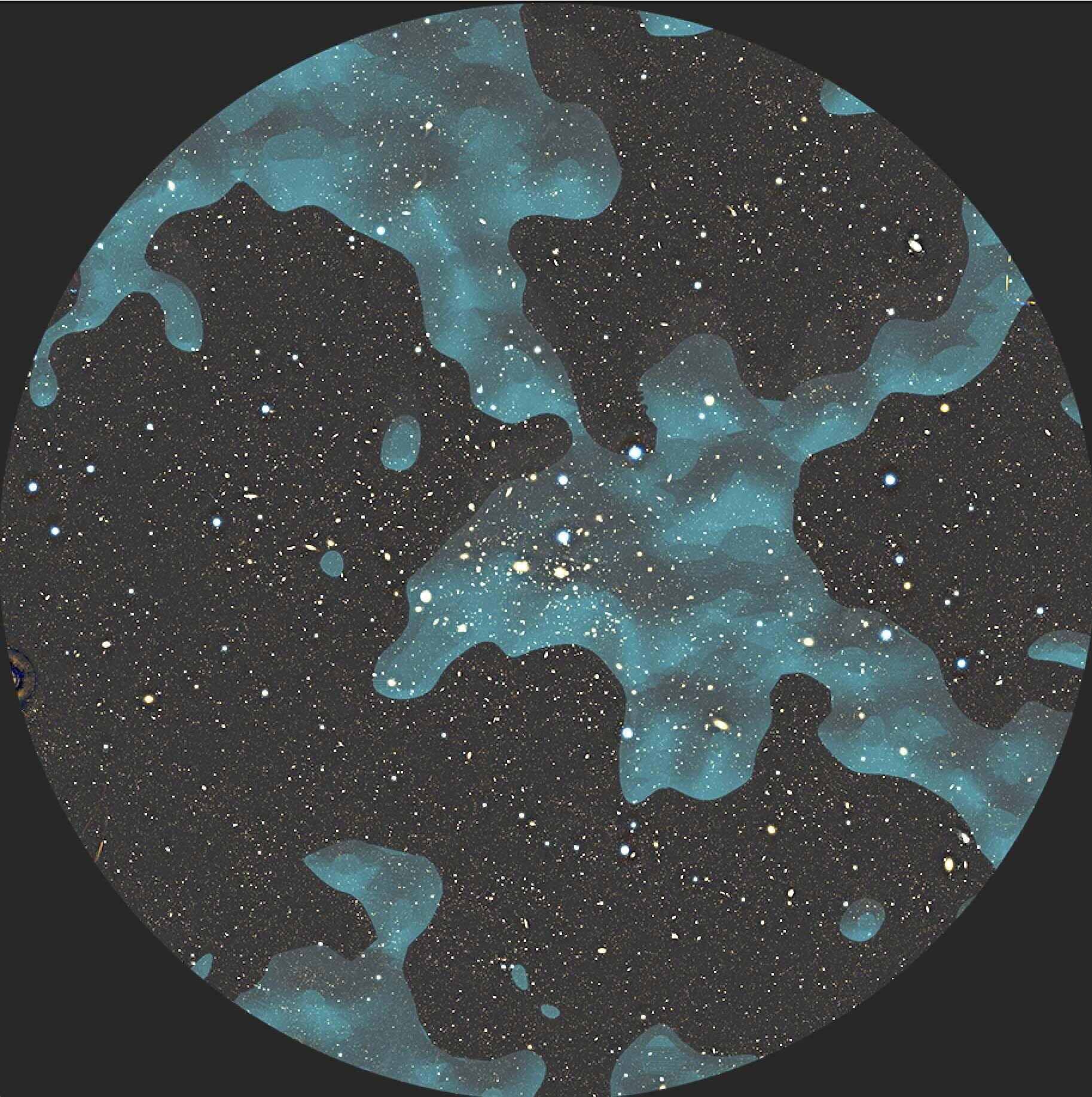
Astronomers have detected dark matter hanging from massive filaments in the cosmic web for the first time using the Subaru Telescope, indirectly observing dark matter on cosmic web filaments in the Coma Cluster. This discovery could help confirm how the cosmic web has influenced the universe's evolution, and the team's results were published in the journal Nature Astronomy.

astronomy1 year ago

"First-Ever Detection of Dark Matter Hanging from the Cosmic Web"

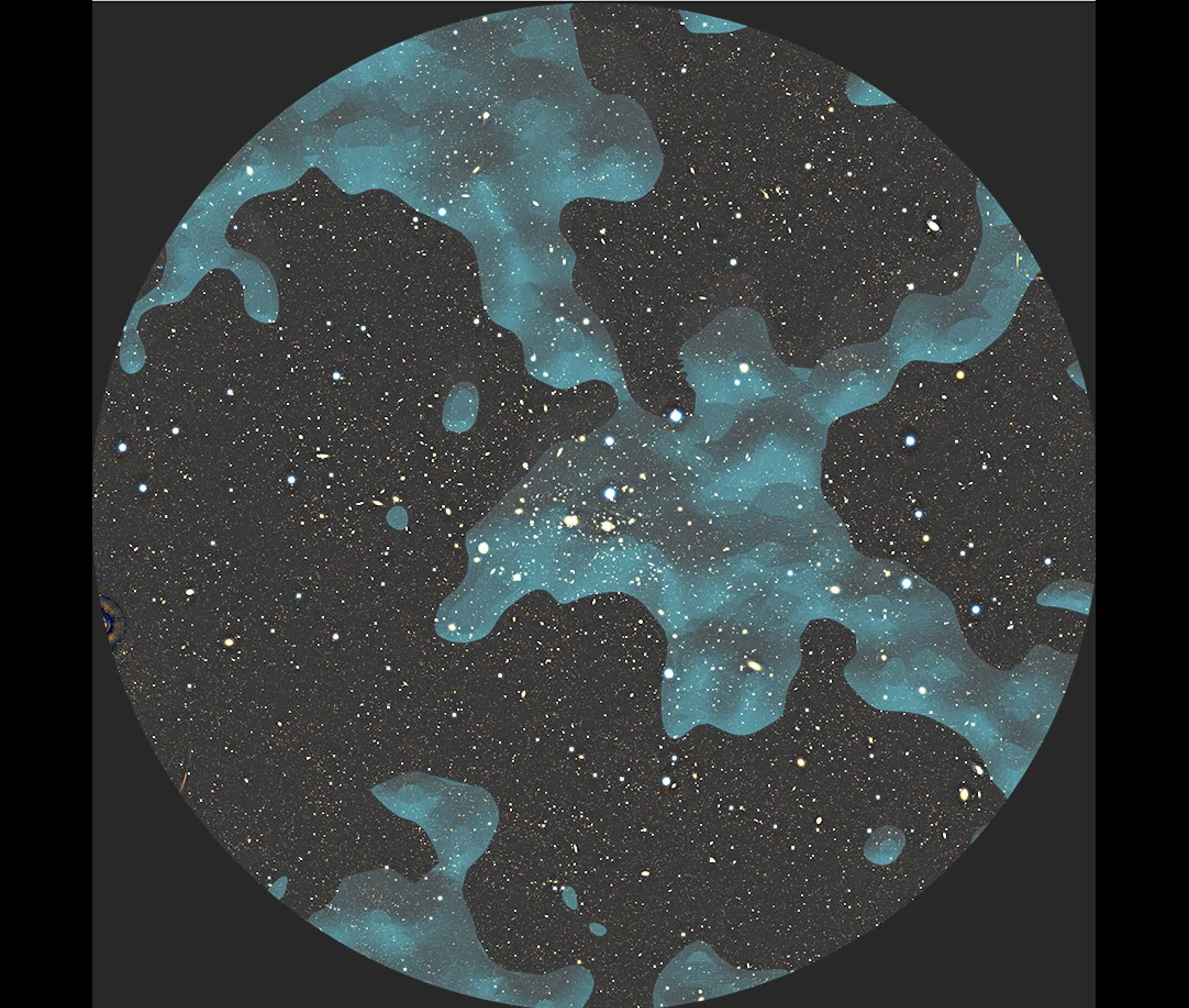
Astronomers have detected dark matter hanging from massive filaments in the cosmic web for the first time using the Subaru Telescope, marking the first-ever observation of dark matter on the cosmic web. This discovery in the Coma Cluster, a collection of over a thousand galaxies, could provide insights into the influence of the cosmic web on the universe's evolution. By utilizing gravitational lensing, the team observed a weak lensing effect of the dark matter component of intracluster filaments, confirming the existence of the large-scale structure spreading across the universe.

astronomy1 year ago

Unveiling the Dark Matter Web Around the Coma Cluster

Astronomers using the Subaru Telescope have directly detected Dark Matter filaments in the massive Coma Cluster, providing new evidence for the structure of the Universe. These filamentary structures, spanning millions of light years, were observed for the first time, offering a means to test cosmological theories and understand the evolution of the Universe.

astronomy1 year ago

"Discovery of Cosmic Dark Matter Web in Coma Cluster"

The Subaru Telescope has directly detected the terminal ends of dark matter filaments in the Coma cluster, providing the first evidence of the cosmic dark matter web spanning millions of light years. This discovery offers new insights for testing theories about the evolution of the universe and was made possible by the telescope's high sensitivity, resolution, and wide field of view. The findings, published in Nature Astronomy, confirm the existence of invisible dark matter filaments attached to the Coma cluster, shedding light on the structure of the universe.

astronomy2 years ago

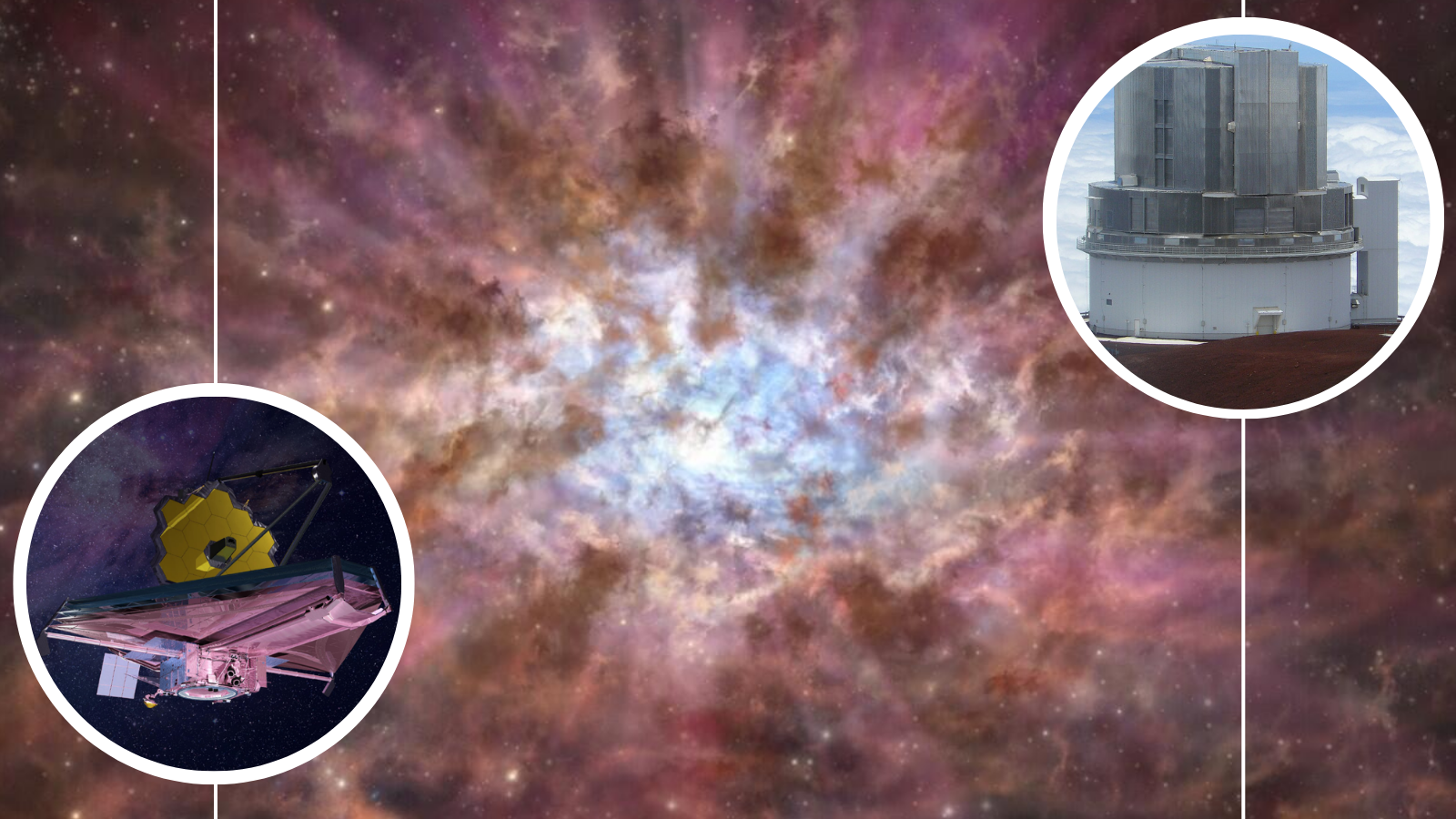
Surprising Discovery: Blue Galaxies Unveiled as Previously Misidentified Red Galaxies

Analysis of extremely red objects (EROs) discovered in James Webb Space Telescope (JWST) data reveals that they are similar to blue-excess dust obscured galaxies (BluDOGs) already reported in Subaru Telescope data. EROs and BluDOGs are likely the same class of objects, but with some important differences. Further research is needed to determine the true relationship between EROs, BluDOGs, and quasars. A larger sample of candidates will be studied using the next generation of astronomy instruments, including the planned infrared space telescope project GREX-PLUS.

astronomy2 years ago

Extragalactic Star Spotted Orbiting Milky Way's Black Hole

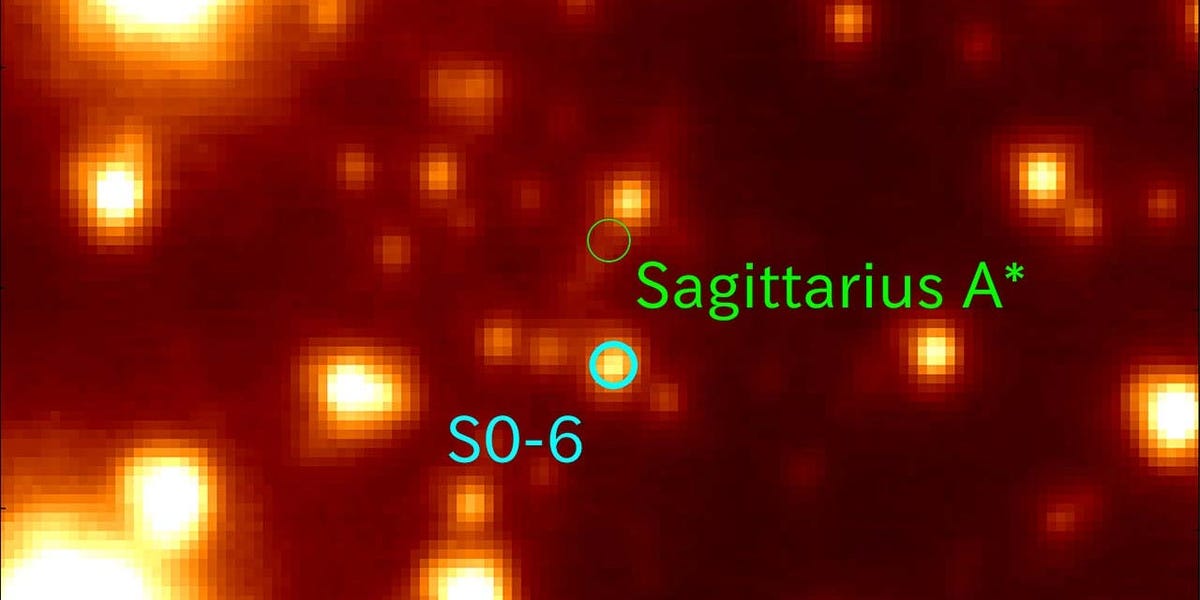
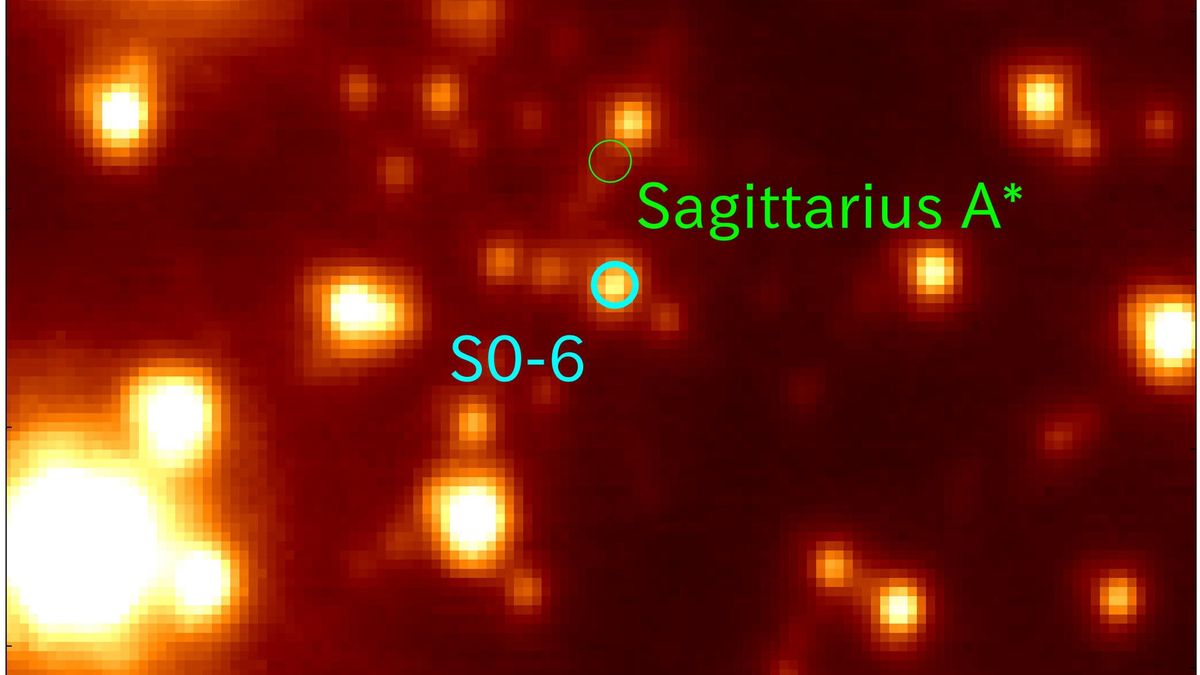
A star named S0-6, located near the center of the Milky Way, is believed to have originated from a galaxy that no longer exists. This interloper star could have traveled over 50,000 light years to reach the supermassive black hole at the heart of our galaxy. The star's composition suggests it came from smaller galaxies outside the Milky Way. This discovery could help explain the mystery of how stars near the black hole are formed. Further investigation will be conducted to confirm the star's origin and determine if it traveled alone or with companions.

astronomy2 years ago

"Possible Extraterrestrial Presence Detected in Orbit around Milky Way's Black Hole"

Astronomers have potentially discovered an extragalactic star, named S0–6, among the stars orbiting the supermassive black hole at the center of the Milky Way, Sagittarius A*. The star's chemical composition suggests it originated in a small satellite galaxy of the Milky Way that was cannibalized billions of years ago. If confirmed, this would make S0–6 the first extragalactic star found near Sgr A*. Further investigation is needed to unravel the mysteries of these stars near the supermassive black hole.