A brain specialist warns that daily consumption of diet sodas can increase the risk of stroke by 300% and dementia by 290%, citing research linking artificial sweeteners to serious health issues, and advises replacing them with water or tea.
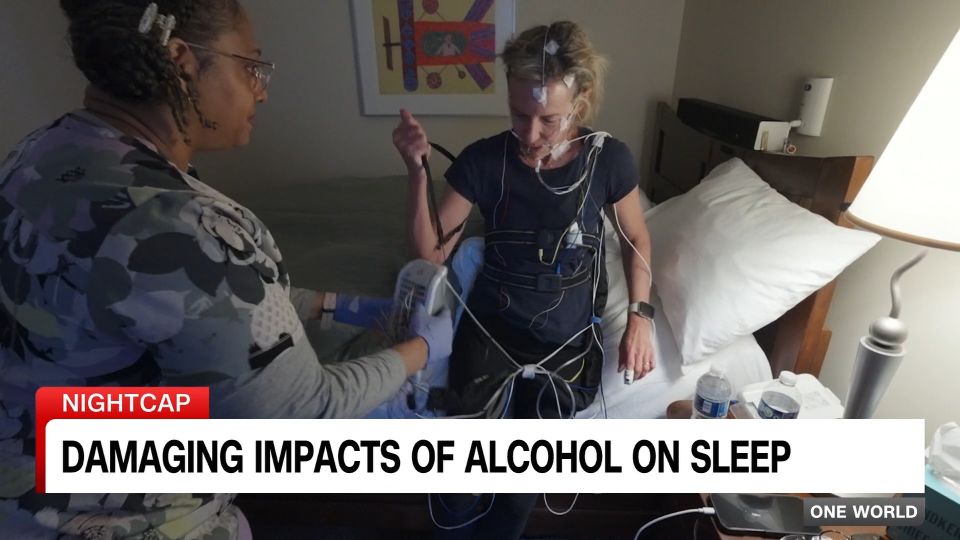
Heavy alcohol use, defined as three or more drinks daily, is linked to increased risk of brain bleeds and earlier brain damage, especially in older adults. Reducing alcohol intake, managing blood pressure through lifestyle changes like exercise and diet, and avoiding illicit substances can help lower the risk of bleeding strokes and improve overall brain health.
A study from Mass General Brigham links heavy alcohol consumption to larger, earlier brain bleeds, damaging small blood vessels and increasing stroke risk, with even moderate drinking showing adverse effects.
Research suggests that erythritol, a common sugar substitute found in many processed foods, may damage the blood-brain barrier and disrupt blood vessel function, potentially increasing the risk of stroke and cardiovascular disease, raising concerns about its safety despite regulatory approval.
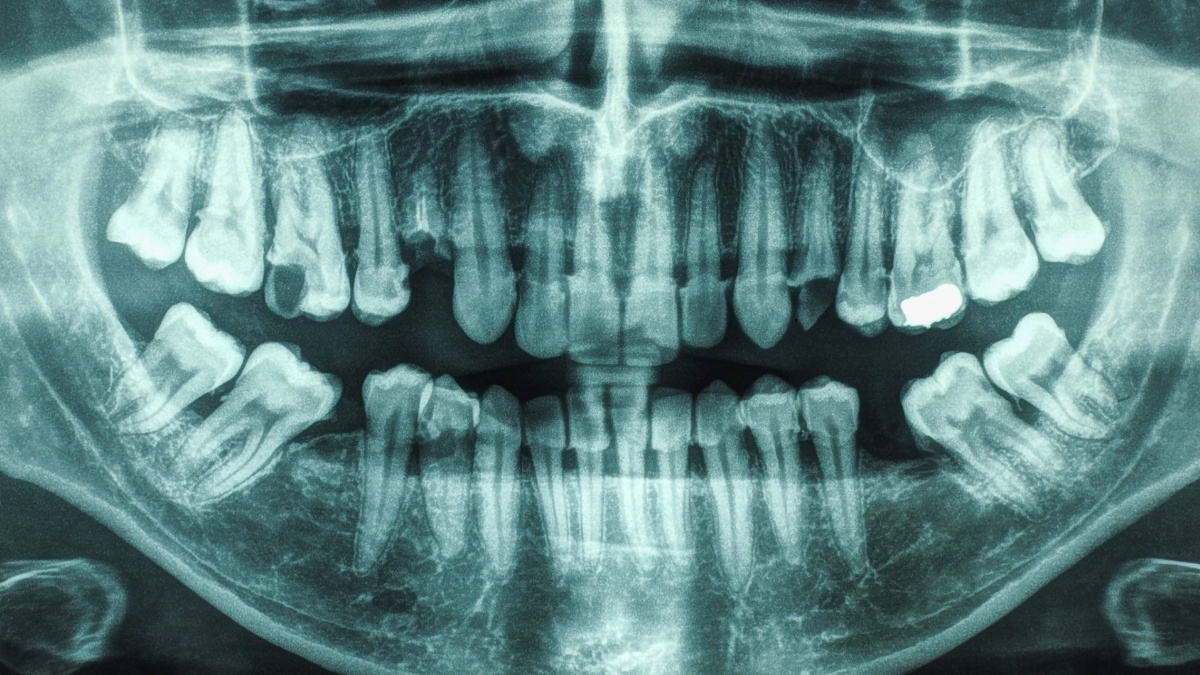
The article highlights that two common dental issues, gum disease and periodontal disease, are linked to an 86% higher risk of stroke, emphasizing the importance of maintaining good oral health to reduce stroke risk.
A 21-year study found that individuals with both gum disease and cavities have nearly double the risk of stroke compared to those with good oral health, highlighting the importance of oral hygiene in stroke prevention.
On World Stroke Day 2025, Chennai cardiologist Dr. Babu Ezhumalai emphasizes the dangers of resistant hypertension, a silent form of high blood pressure that increases stroke risk by 14%, and advocates for regular monitoring, lifestyle changes, and innovative treatments like renal denervation to prevent serious health consequences.
World Stroke Day 2025 highlights the dangers of resistant hypertension, a stubborn form of high blood pressure that does not respond to medication and significantly increases stroke risk, often progressing silently and requiring regular monitoring and lifestyle changes for management.
A study reveals that neck hyperextension during salon hair washes can cause a rare condition called beauty parlor stroke syndrome, which may lead to a stroke and other neurological symptoms, especially in women. To reduce risk, clients should request neck support during hair washes.
A 2022 meta-analysis suggests that individuals with blood type A have a modestly higher risk of early-onset ischemic stroke, especially under age 60, due to factors like higher clotting protein levels, but lifestyle and other health factors play a more significant role in stroke risk. Maintaining healthy habits can help mitigate overall risk.
Research indicates that individuals with blood type A, particularly the A1 subgroup, have a 16% higher risk of experiencing a stroke before age 60, likely due to factors related to blood clotting, although the overall risk increase is small and further studies are needed.
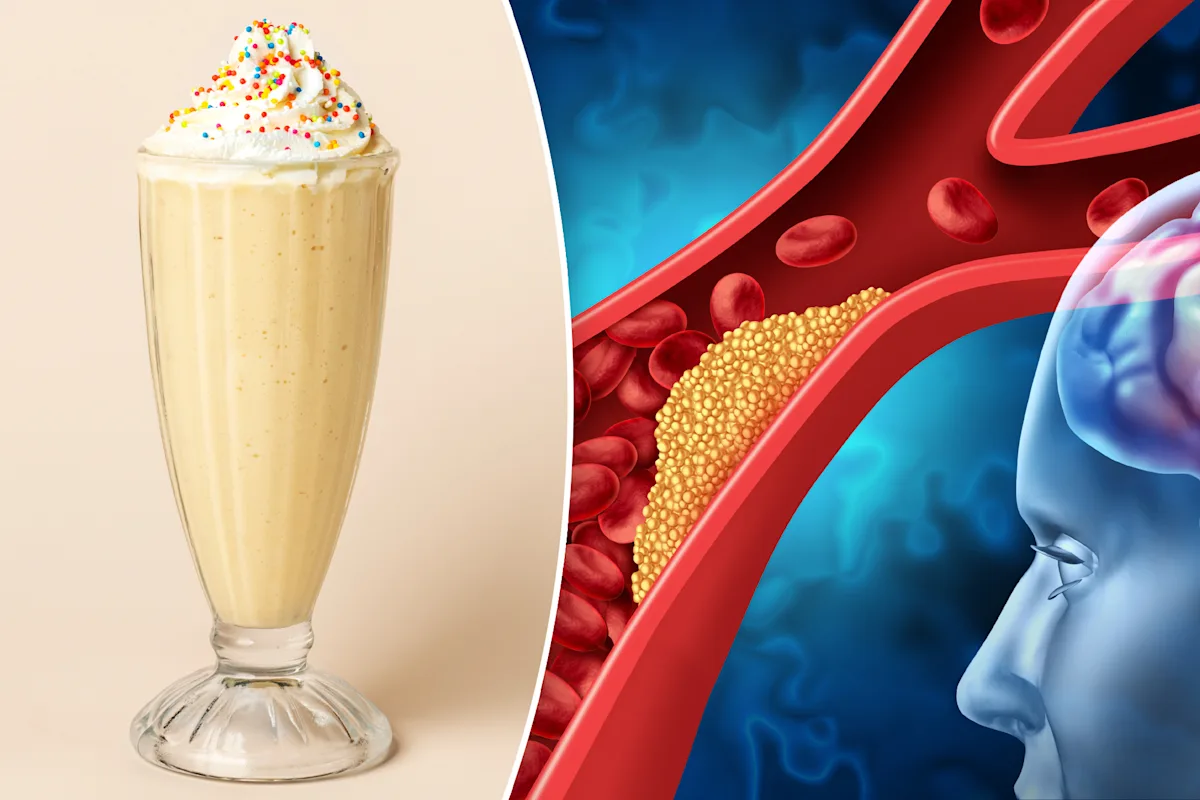
A new study shows that consuming just one high-fat milkshake can impair blood flow to the brain, increasing the risk of stroke and dementia, especially in older adults, highlighting the importance of diet for immediate and long-term brain health.
Atrial fibrillation (AFib) is an irregular heartbeat that can be life-threatening due to its association with increased stroke risk. Common signs include heart palpitations, fatigue, shortness of breath, dizziness, chest pain, and sometimes no symptoms at all. Risk factors include age, high blood pressure, diabetes, obesity, smoking, alcohol use, thyroid issues, and sleep apnea. Early detection and treatment are crucial to prevent serious complications, and individuals should consult a doctor if they experience symptoms or have risk factors.
Atrial fibrillation (AFib) is an irregular heartbeat that can be symptomless but increases the risk of stroke, heart failure, and dementia. Common signs include heart palpitations, fatigue, shortness of breath, dizziness, chest pain, and underlying medical conditions. Regular check-ups and monitoring are crucial, especially for those over 50 or with risk factors, as early detection and treatment can significantly reduce serious health risks.
A recent study suggests that even a single high-fat meal, like a milkshake, can impair blood flow to the brain, potentially increasing the risk of stroke and dementia, especially in older adults. The findings highlight the importance of low saturated fat intake for maintaining both heart and brain health.