Thelma, a 66-year-old woman with resistant hypertension despite multiple medications and lifestyle changes, continues to have elevated blood pressure with no secondary causes identified, highlighting the need for next steps in management beyond triple therapy.
On World Stroke Day 2025, Chennai cardiologist Dr. Babu Ezhumalai emphasizes the dangers of resistant hypertension, a silent form of high blood pressure that increases stroke risk by 14%, and advocates for regular monitoring, lifestyle changes, and innovative treatments like renal denervation to prevent serious health consequences.
Ignoring high blood pressure can lead to serious health issues like heart failure by causing the heart to thicken, damaging blood vessels, and leading to fluid buildup. Regular checkups, a healthy diet, exercise, and lifestyle changes are essential to control blood pressure and prevent these complications.
Research shows that less than 6% of U.S. adults with high blood pressure use salt substitutes, despite their effectiveness in reducing sodium intake and managing blood pressure, highlighting a missed opportunity for better health outcomes.
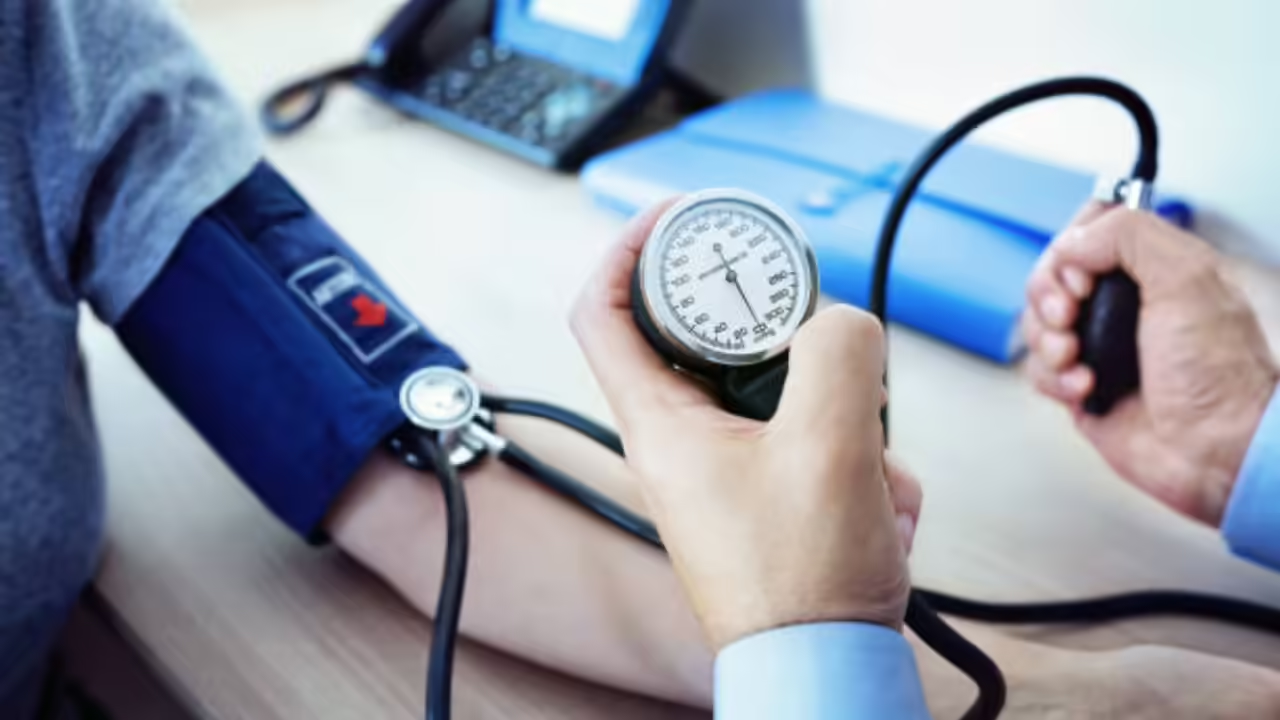
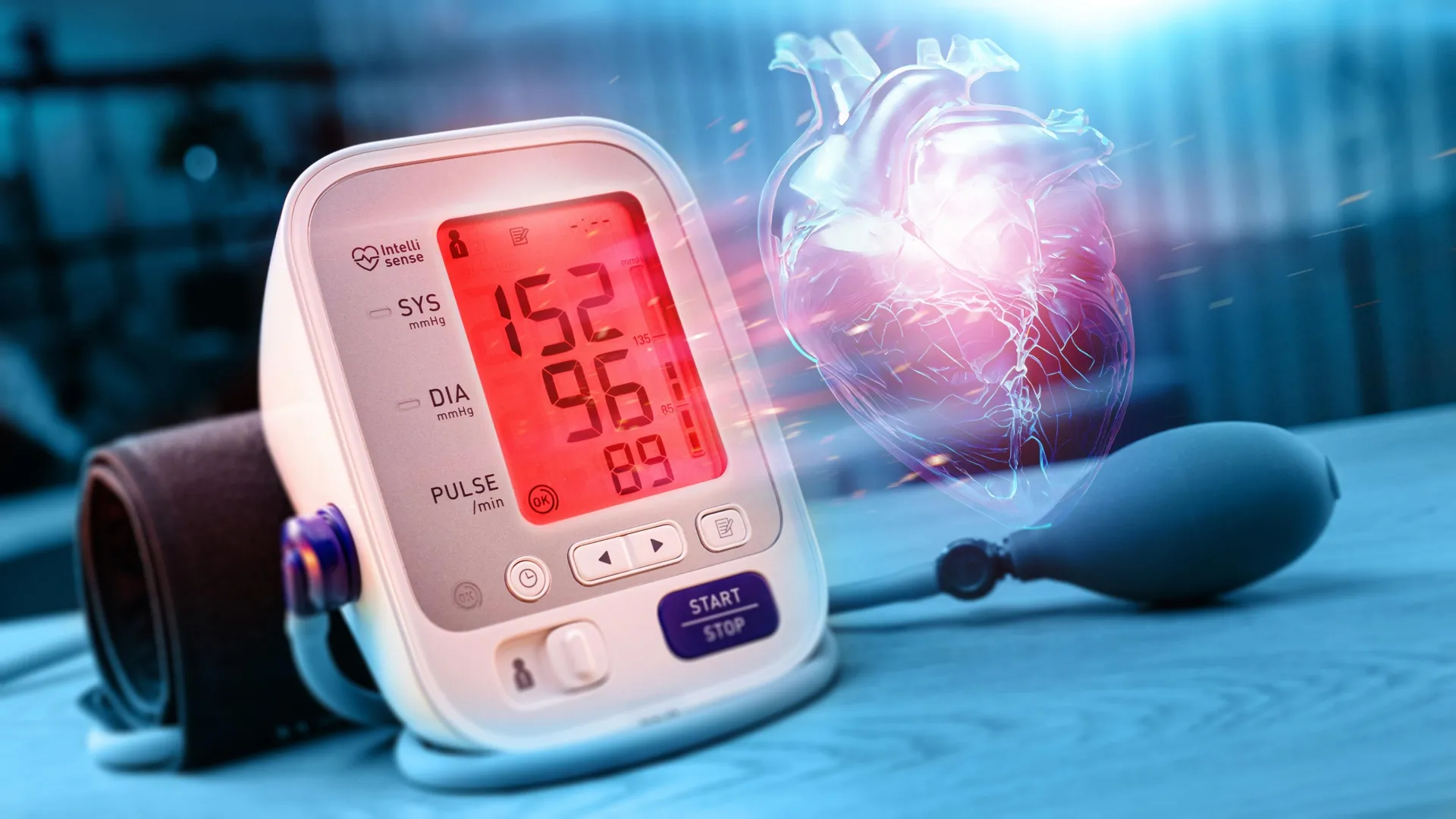
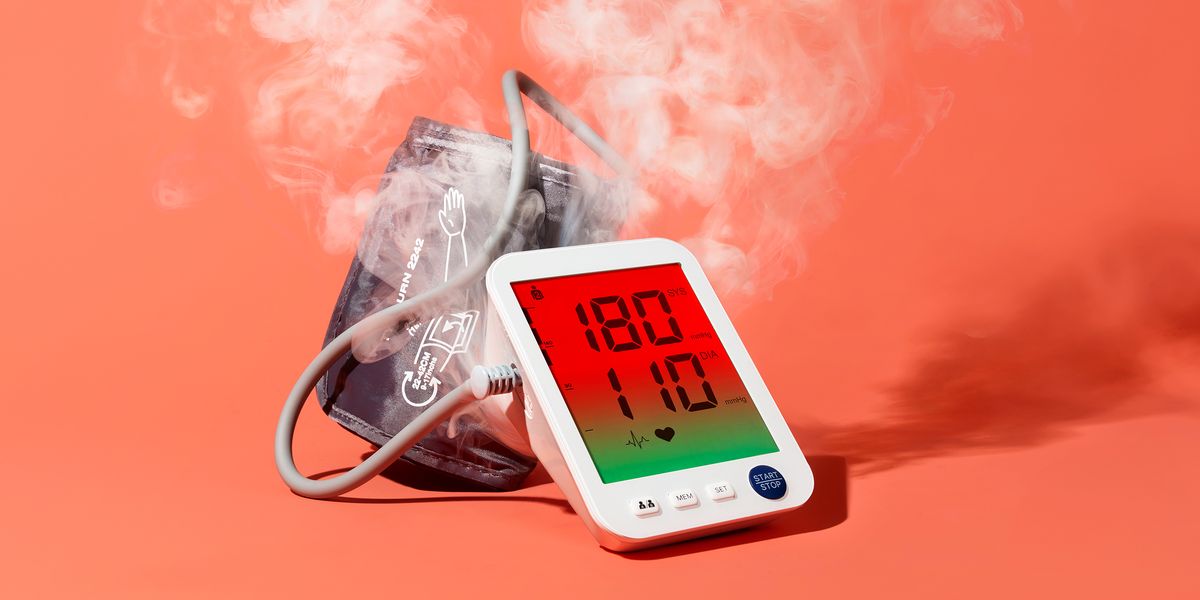
High blood pressure, also known as hypertension, is often referred to as the silent killer because it has no symptoms but can lead to serious health issues such as heart attacks, stroke, and dementia. Managing blood pressure early in life is crucial, yet many people are unaware of their condition. The SPRINT study found that bringing blood pressure down to <120/<80 resulted in significant reductions in the risk of heart attack, stroke, and death. To accurately measure blood pressure, multiple readings over a span of days are recommended, using a home device. Following a consistent protocol for measurements, such as sitting with back support for five minutes and avoiding talking, is important. Managing blood pressure is a critical part of the longevity playbook and can greatly improve healthspan.
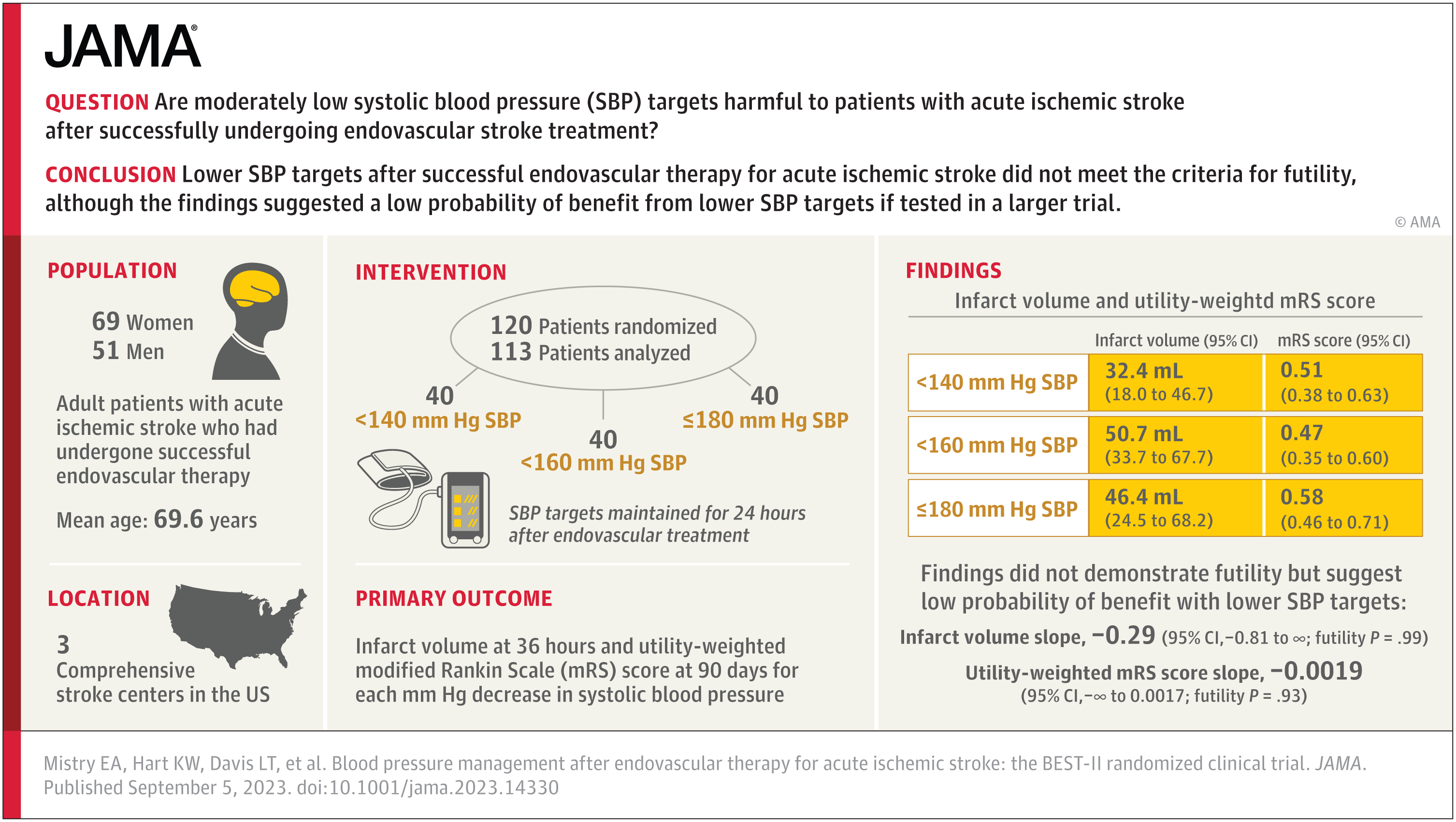
A randomized clinical trial involving 120 participants with acute ischemic stroke who underwent successful endovascular therapy found that lower systolic blood pressure (SBP) targets of less than either 140 mm Hg or 160 mm Hg did not meet the criteria for futility compared to the guideline-recommended target of 180 mm Hg or less. However, the findings suggested a low probability of benefit from lower SBP targets if tested in a future larger trial.