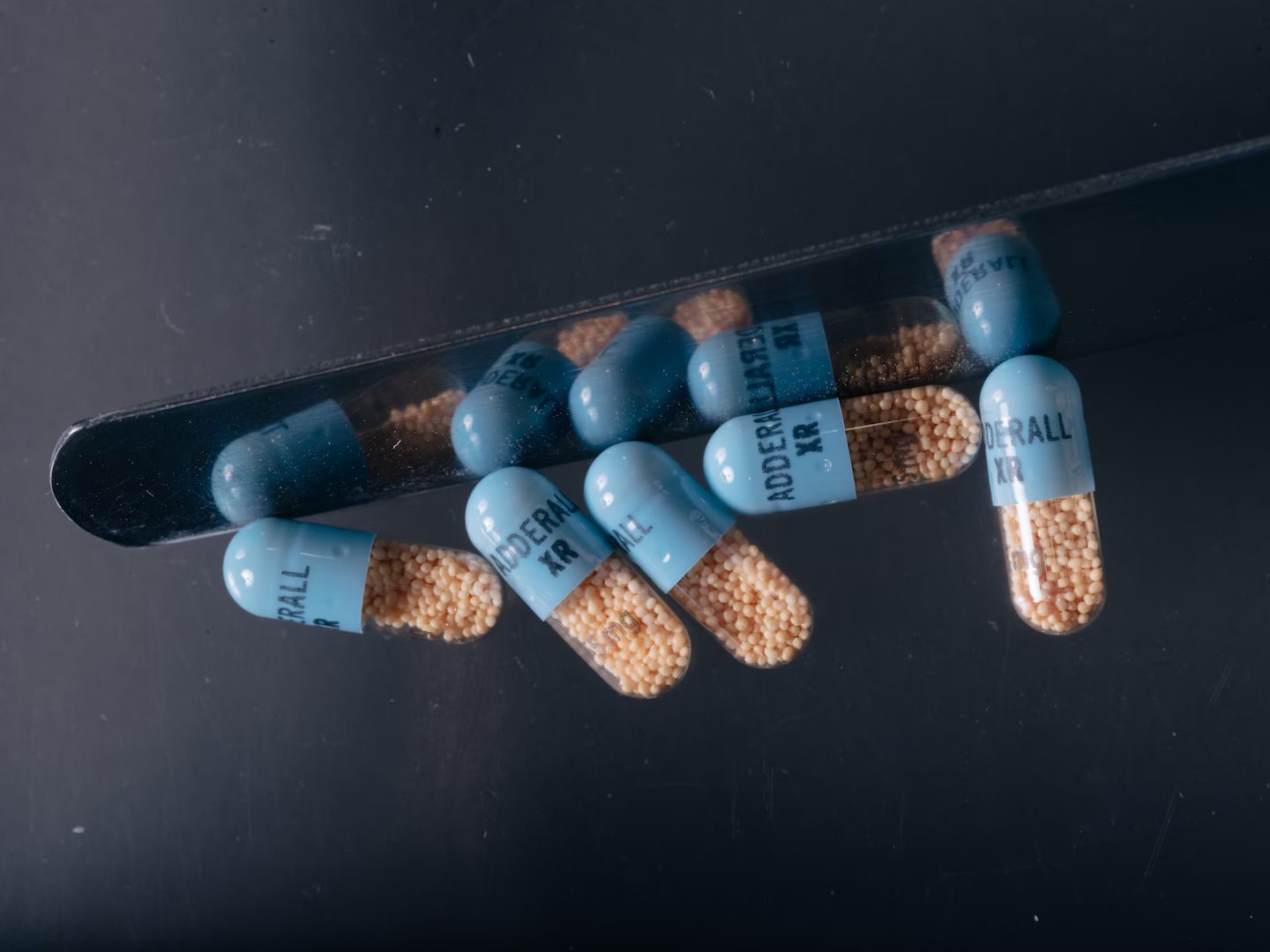
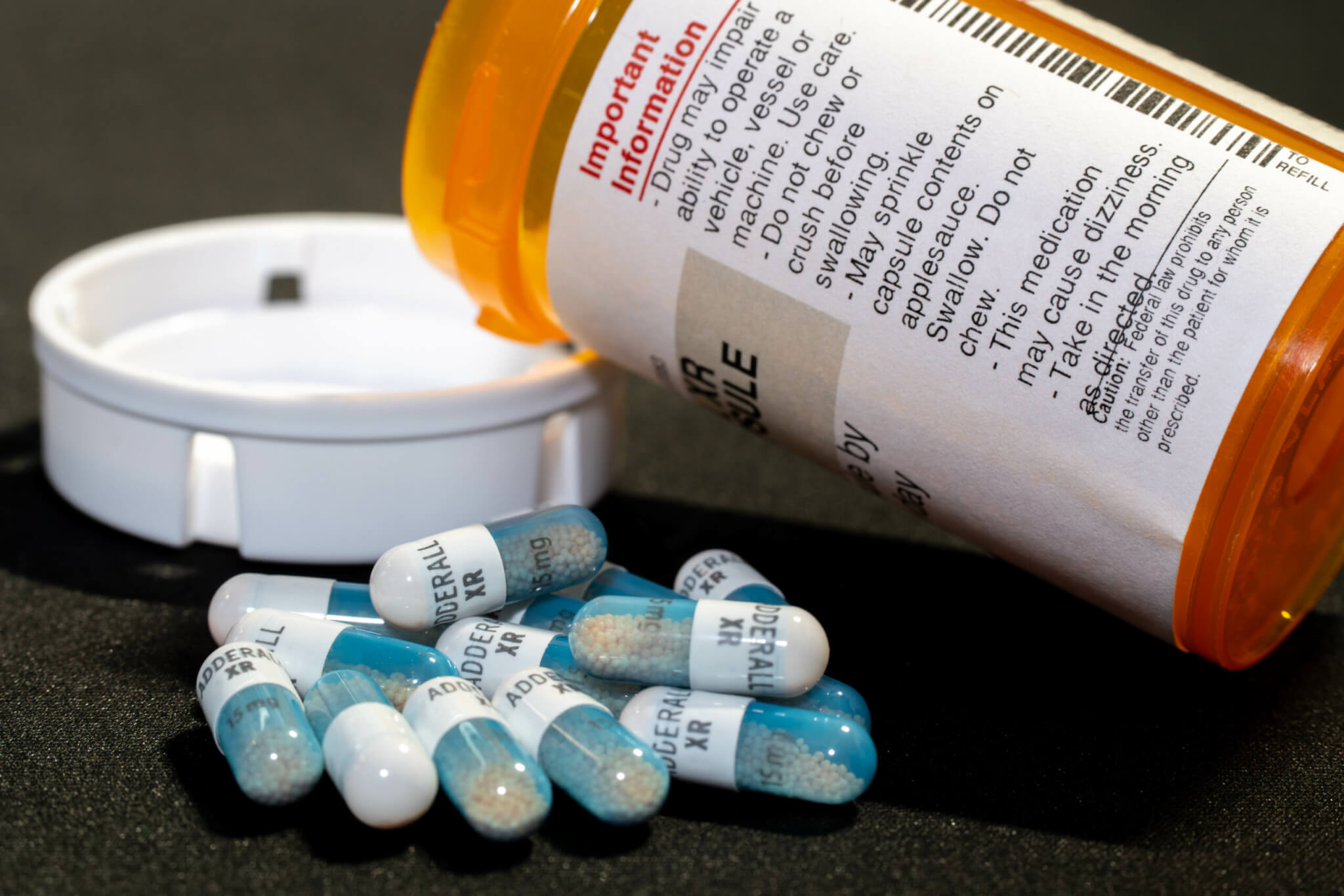
Research indicates that ADHD medications like Ritalin and Adderall do not primarily act on the brain's attention circuitry as previously believed, but instead influence the reward and wakefulness centers.
A large brain imaging study reveals that ADHD medications like Adderall and Ritalin primarily affect brain regions related to arousal and wakefulness, not attention networks as previously believed. These drugs mimic the brain patterns of good sleep, effectively rescuing sleep-deprived children temporarily, but do not enhance cognitive abilities in well-rested children. The findings suggest that sleep issues may underlie some ADHD symptoms and highlight the importance of addressing sleep health.
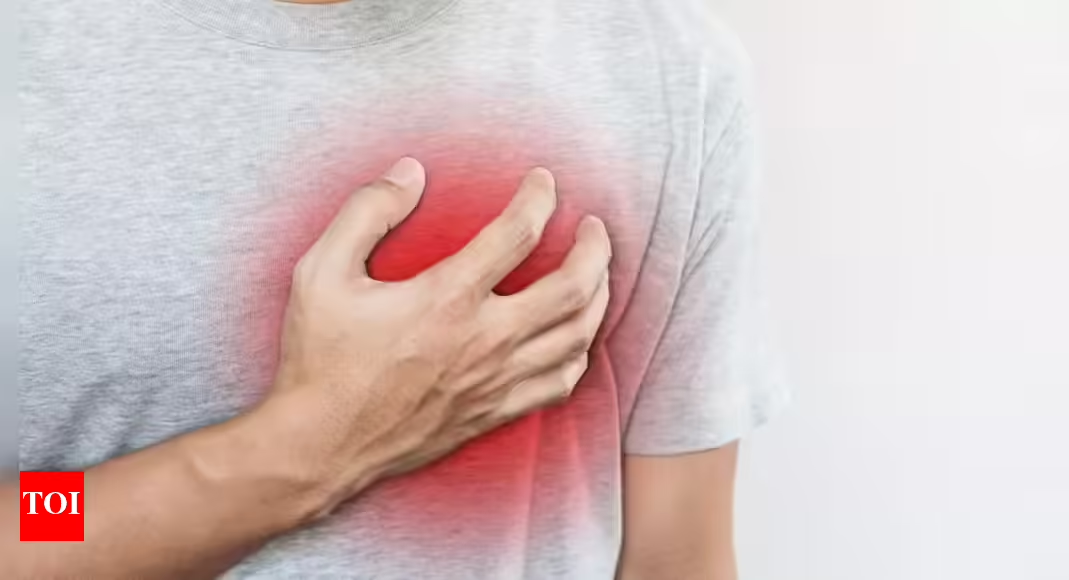
Dr. Dimitry Yaranov warns that common medications like NSAIDs, certain cancer treatments, stimulants, older diabetes drugs, and decongestants can silently harm heart health, emphasizing the importance of consulting healthcare providers and being aware of potential cardiovascular risks associated with these drugs.
Fentanyl-related overdose deaths among seniors have surged by 9,000% over the past eight years, driven by the combination of fentanyl with stimulants like cocaine and methamphetamines, highlighting a dangerous and often overlooked aspect of the ongoing opioid epidemic affecting older Americans. Experts emphasize the need for cautious prescribing, increased screening, and harm reduction strategies to address this rising threat.
Overdose deaths among Americans aged 65 and older have surged dramatically, with a 9,000% increase in fentanyl-stimulant related deaths over the past eight years, driven by the opioid epidemic and the prevalence of illicit fentanyl mixed with drugs like cocaine and methamphetamines. Experts emphasize the need for cautious prescribing, increased awareness, and overdose prevention strategies for this vulnerable age group.
Overdose deaths among Americans aged 65 and older have surged dramatically, with a 9,000% increase in fentanyl-stimulant related deaths over the past eight years, driven by the opioid epidemic and the prevalence of illicit fentanyl mixed with drugs like cocaine and methamphetamines. Experts warn that seniors are particularly vulnerable due to chronic health conditions and medication use, emphasizing the need for cautious prescribing, overdose prevention strategies, and increased awareness of the risks associated with illicit drugs.
Overdose deaths among Americans aged 65 and older from fentanyl combined with stimulants like cocaine and methamphetamines have surged by 9,000% over the past eight years, highlighting the growing impact of the opioid epidemic on seniors, who are particularly vulnerable due to chronic health conditions and medication use.
Fentanyl-related overdoses among adults 65 and older have surged by 9,000% over eight years, with a significant rise in deaths involving stimulants like cocaine and methamphetamines, highlighting a hidden crisis in the aging population that requires increased awareness and targeted prevention strategies.
A cardiologist warns that common medications such as NSAIDs, certain chemotherapy drugs, stimulants, some diabetes medications, and decongestants can silently damage the heart, emphasizing the importance of consulting healthcare providers and monitoring usage to protect heart health.
The article emphasizes that stimulant medication is the primary treatment for ADHD and often necessary to effectively implement other coping strategies. It shares personal experiences highlighting the life-changing impact of medication, discusses alternative treatments like non-stimulant drugs, and stresses the importance of professional diagnosis and tailored treatment plans. The discussion also covers various coping mechanisms, medication side effects, and the importance of comprehensive care including therapy and lifestyle adjustments.
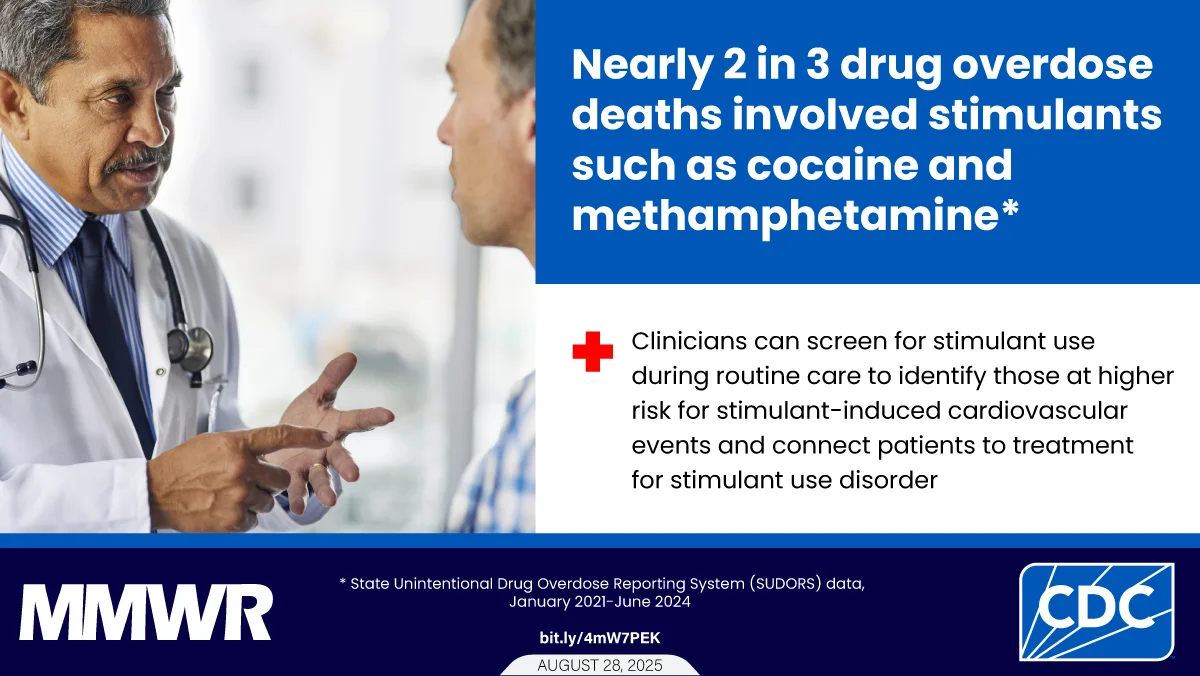
Drug overdose deaths involving stimulants in the US have increased since 2011, with over half of overdose deaths involving stimulants during 2021-2024, especially among certain racial groups and with co-involvement of opioids. Older individuals and those with cardiovascular disease are more affected by stimulant-only overdoses. The report emphasizes the need for expanded treatment options and targeted prevention efforts to reduce these deaths.
A cardiologist warns that five common medications—NSAIDs, certain chemotherapy drugs, stimulants, older diabetes medications, and decongestants—may silently harm the heart, especially with frequent or high-dose use, urging patients to consult healthcare providers for safer alternatives and monitoring.
Regular consumption of energy drinks can temporarily raise blood pressure and may pose health risks, especially for individuals with existing heart conditions, due to high caffeine, sugar, and stimulant content. Limiting intake to one or none per day is recommended for most people.
A study by Polish researchers suggests that Germanic warriors from Northern Europe during the Roman period may have used stimulants to prepare for battle. This challenges the belief that only Mediterranean civilizations used narcotics in antiquity. The hypothesis is based on spoon-shaped artifacts found at archaeological sites, which may have been used to measure doses of substances like poppy, hemp, and fungi. The study implies that the use of stimulants could have been more widespread among Germanic tribes than previously thought, potentially impacting wartime economies.
Archaeologists and biologists have analyzed tiny spoon-shaped artifacts found in Roman-era Germanic warrior burial sites, suggesting they may have been used to dispense stimulants during battles. These spoons, often found with weaponry, indicate possible drug use among barbarians, challenging the assumption that alcohol was their only drug. The study, published in Praehistorische Zeitschrift, explores potential stimulants like opium and nightshades, highlighting the historical use of drugs for medicinal and ritual purposes.