ARMR Sciences is launching a clinical trial in the Netherlands for a new fentanyl vaccine designed to prevent overdose deaths by neutralizing fentanyl in the bloodstream before it reaches the brain, offering a potential new tool in combating the opioid crisis.
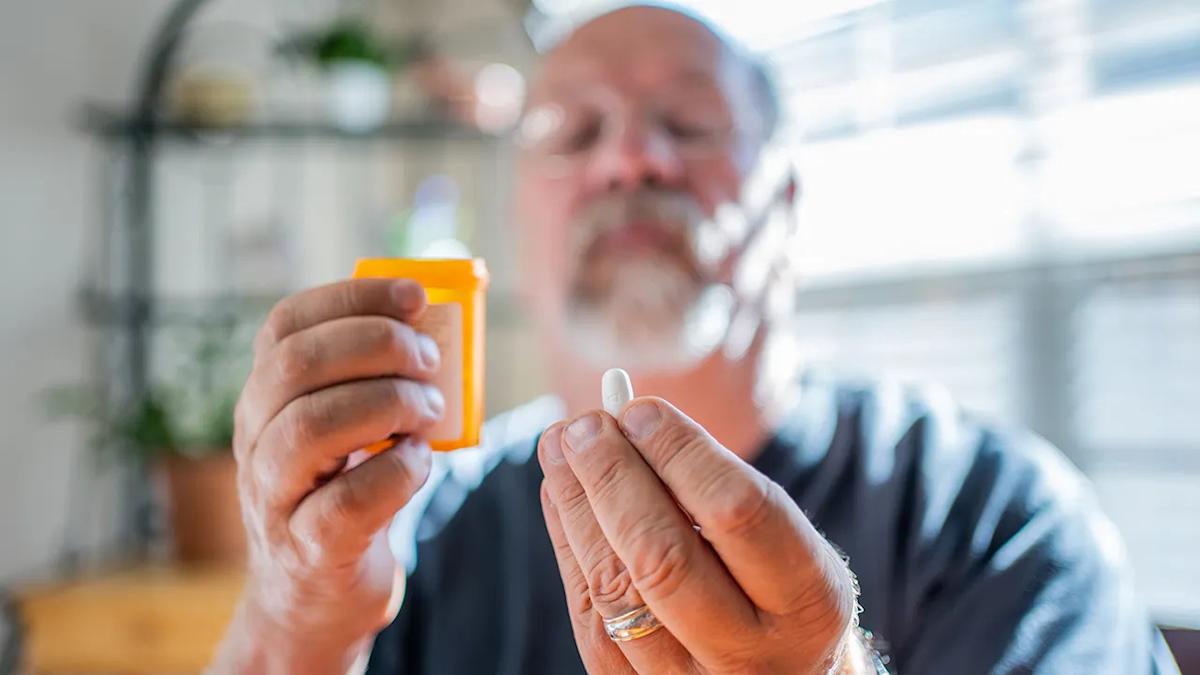
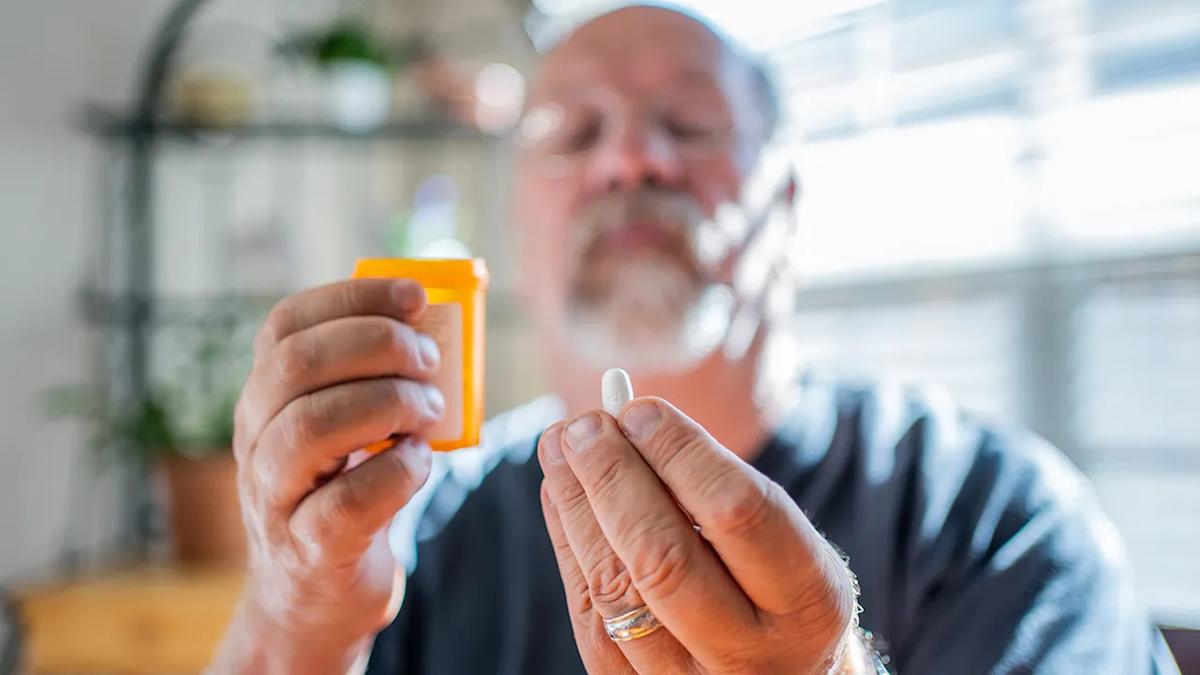
Overdose deaths among Americans aged 65 and older have surged dramatically, with a 9,000% increase in fentanyl-stimulant related deaths over the past eight years, driven by the opioid epidemic and the prevalence of illicit fentanyl mixed with drugs like cocaine and methamphetamines. Experts emphasize the need for cautious prescribing, increased awareness, and overdose prevention strategies for this vulnerable age group.
Overdose deaths among Americans aged 65 and older have surged dramatically, with a 9,000% increase in fentanyl-stimulant related deaths over the past eight years, driven by the opioid epidemic and the prevalence of illicit fentanyl mixed with drugs like cocaine and methamphetamines. Experts warn that seniors are particularly vulnerable due to chronic health conditions and medication use, emphasizing the need for cautious prescribing, overdose prevention strategies, and increased awareness of the risks associated with illicit drugs.
Overdose deaths among Americans aged 65 and older from fentanyl combined with stimulants like cocaine and methamphetamines have surged by 9,000% over the past eight years, highlighting the growing impact of the opioid epidemic on seniors, who are particularly vulnerable due to chronic health conditions and medication use.
During the final debate in New Jersey's governor race, Democrat Mikie Sherrill accused Republican Jack Ciattarelli of being linked to the opioid epidemic, alleging his former publishing company profited from material that contributed to numerous deaths, leading to a heated exchange.
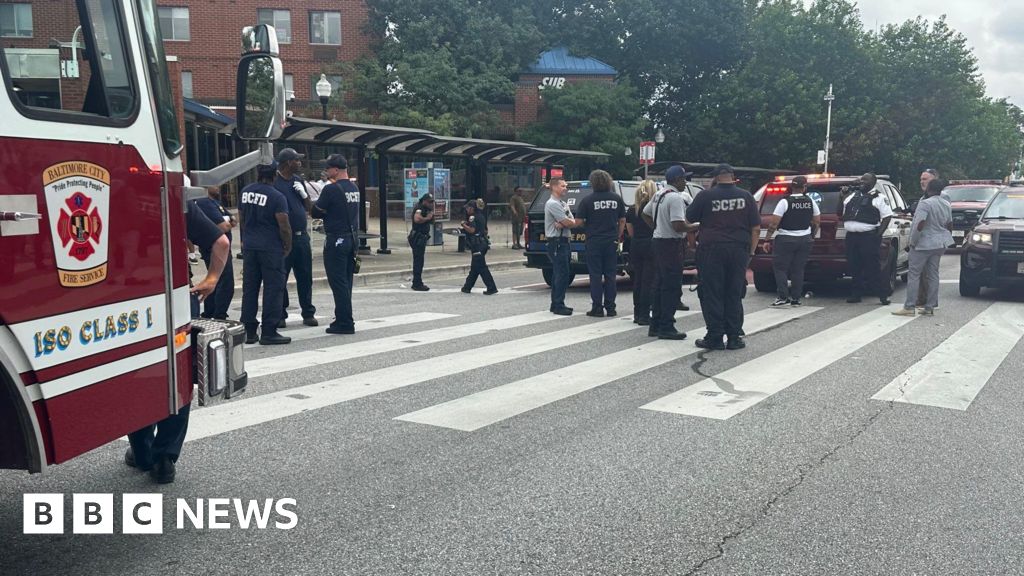
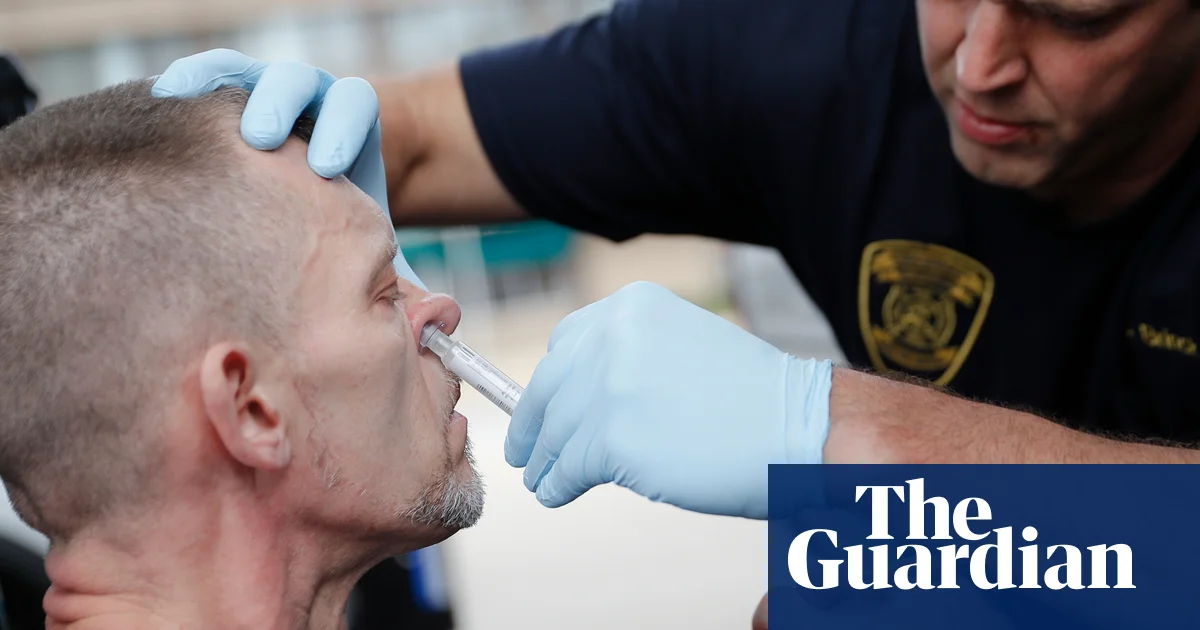
Dozens of people in West Baltimore were hospitalized following suspected drug overdoses, with at least five in critical condition, prompting emergency response and city officials to emphasize the ongoing opioid crisis and the importance of harm reduction measures like carrying Naloxone.
Recent progress in reducing opioid overdose deaths in Appalachia, driven by treatment and harm reduction programs, faces potential setbacks due to proposed federal and state funding cuts by the White House and Republicans, which could undermine ongoing efforts and reverse gains in combating the epidemic.
Law enforcement in Virginia and across the nation are warning about a deadly drug combination of fentanyl and xylazine, a synthetic animal tranquilizer, found in illegal drugs. The addition of xylazine to fentanyl is making the opioid epidemic even deadlier, posing a significant risk to young people, including high school and college students. The DEA has seized mixtures of xylazine and fentanyl in 48 of 50 states, with a rising number of cases. Authorities urge parents to talk to their children about the dangers of these narcotics amidst one of the deadliest opioid epidemics in history.
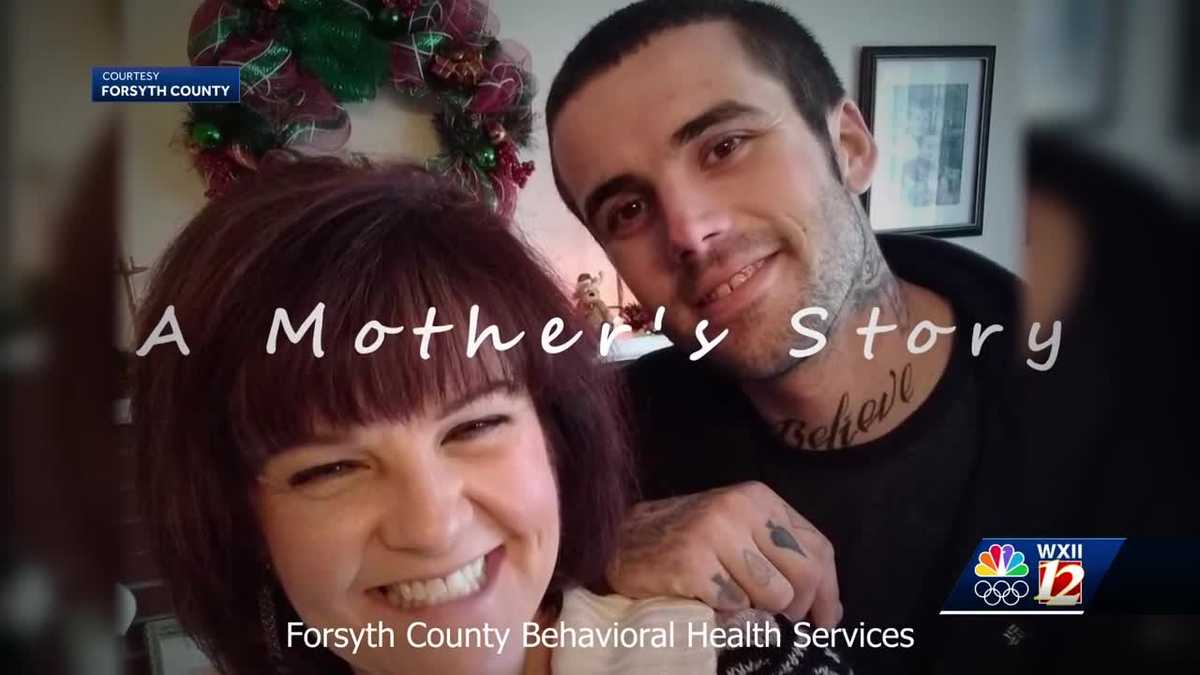
During the NCAA Tournament, an ad created by Forsyth County Behavioral Health Services features Stephanie Lynch sharing her son Evan's battle with addiction, which ultimately led to his death in 2020. Evan became addicted to opioids after being prescribed oxycodone for an injury, and later turned to heroin. Lynch hopes that sharing her son's story will help others struggling with addiction, and the ad aims to raise awareness about the opioid epidemic. The ad will be displayed during NCAA tournament coverage throughout March, and anyone struggling with addiction can reach out to Forsyth County Behavioral Health Services for help.
Private equity firms have acquired stakes in nearly one-third of all methadone clinics in the U.S., leading to outsize control of the addiction treatment industry and sparking a debate over access to addiction medications. Large clinic chains backed by private equity are lobbying to preserve their exclusive right to dispense methadone, while lawmakers and public health experts advocate for expanded access to bypass the clinic system. Critics argue that the clinics are motivated by profits and are resisting reform that would allow trained addiction doctors to prescribe methadone directly to patients with opioid addiction.
The opioid overdose epidemic continues to impact Pennsylvania and Ohio, with Pennsylvania reporting 5,146 overdose deaths in 2022, 78% of which were opioid-related. Mercer and Lawrence counties were among the 19 counties where the overdose death rate exceeded the state average. In Ohio, overdose deaths appear to have fallen about 6% in 2023, with factors such as increased naloxone distribution and use, better access to treatment, and declines in drug use levels potentially contributing to the decline. Both states are implementing various measures to combat the crisis, including new training tools for healthcare providers and public safety professionals.
The UK has seen a surge in deaths linked to the anxiety drug pregabalin, with 441 deaths in 2022 compared to 187 in 2018. Reports comparing this to the US opioid epidemic may cause undue panic, as most fatalities are due to interactions with other drugs, particularly opioids. The rise in deaths coincides with an increase in pregabalin prescriptions, suggesting a need for better education on risks and drug interactions. Certain groups, such as those with substance use disorder, are at higher risk, and there's evidence of growing illicit use. Understanding why people combine pregabalin with other drugs is crucial for developing strategies to reduce harm.
The CDC's report reveals a 1.1 percent rise in drug overdose deaths in the US between October 2022 and October 2023, with 21 states experiencing a surge in fatalities. Oregon saw the largest increase at 44 percent, while Indiana experienced the sharpest decline at 17 percent. Fentanyl continues to drive the overdose epidemic, with newer drugs like 'tranq' further complicating the crisis. The US is currently in the "fourth wave" of the drug epidemic, and health experts are concerned about the potential for further increases in overdose deaths due to the presence of deadly sedatives like tranq in illicit drug supplies.
Oregon, the first state to decriminalize illicit drugs, is now reversing course and reinstating criminal penalties for drug use and possession. While some health advocates argue that Oregon's experience should not discourage other decriminalization efforts, opponents point to a surge in overdose deaths and public drug use as reasons for the reversal. The federal government is also considering reclassifying marijuana, while other states are exploring harm reduction approaches and decriminalization measures for drug possession. Despite Oregon's rollback, advocates remain hopeful that other states will continue to pursue broader decriminalization efforts.
Amanda Davidson shares the story of her boyfriend Jay's struggle with addiction and subsequent death in Palm Beach County. Their journey through relapse, treatment facilities, and the challenges of recovery sheds light on the failures of the addiction treatment system and the devastating impact of the opioid epidemic. Davidson emphasizes the need for systemic change, quality social safety nets, and accountability for poorly regulated treatment centers to address the crisis and prevent further tragedies.