Originally Published 4 months ago — by Hacker News
The article emphasizes that stimulant medication is the primary treatment for ADHD and often necessary to effectively implement other coping strategies. It shares personal experiences highlighting the life-changing impact of medication, discusses alternative treatments like non-stimulant drugs, and stresses the importance of professional diagnosis and tailored treatment plans. The discussion also covers various coping mechanisms, medication side effects, and the importance of comprehensive care including therapy and lifestyle adjustments.
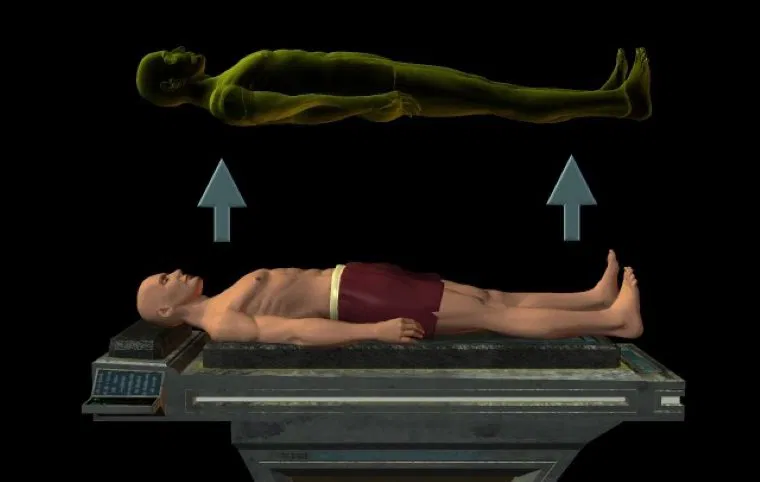
New research suggests that out-of-body experiences (OBEs) are more likely a response to trauma and stress, especially in childhood, rather than a mental health disorder, and could serve as coping mechanisms. The study emphasizes shifting the clinical perspective to better support experiencers and reduce stigma, highlighting the positive aspects of OBEs and their potential role in resilience and understanding of existence.
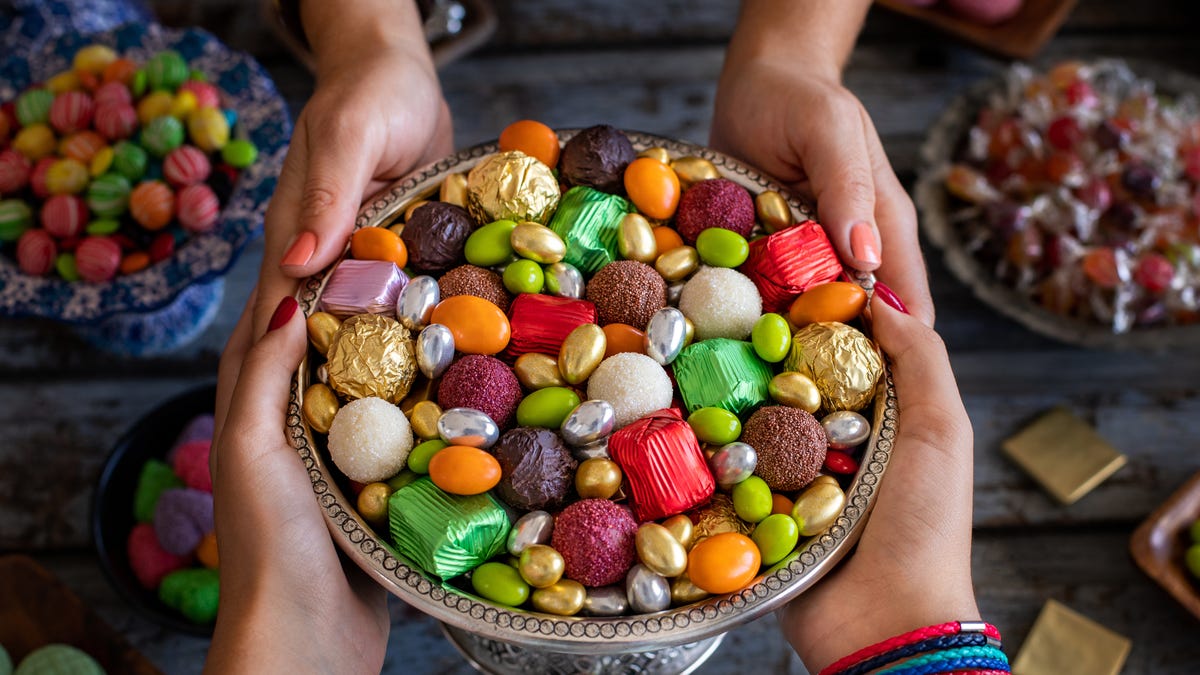
A new TikTok trend involves making "candy salads" while sharing personal traumas, blending humor and vulnerability. Mental health experts suggest that while sharing can be cathartic, it's important not to conflate all distressing experiences with trauma. The trend offers a way for people to process difficult events and feel seen, but should be approached with caution to avoid trivializing genuine trauma.
NPR's health reporting team is planning a series on building resilience and coping with stress. They are seeking public input on what causes stress and effective coping techniques.
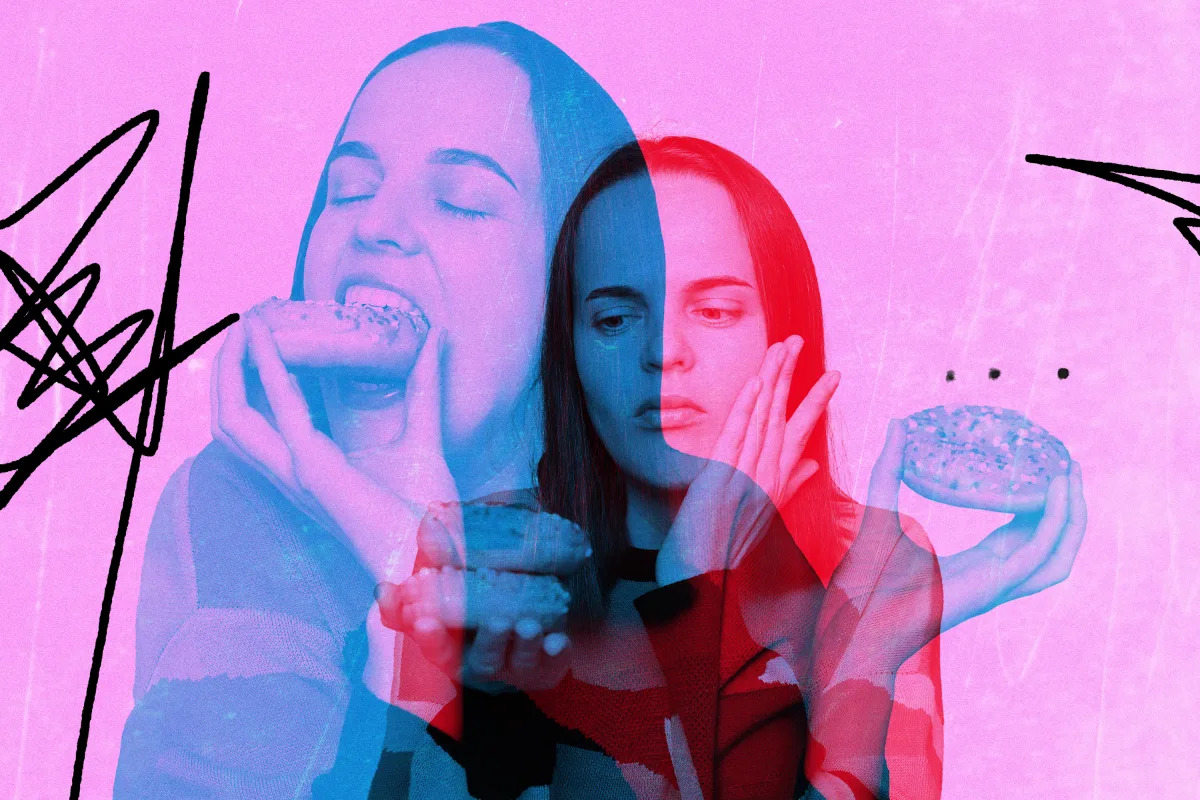
Emotional eating, using food to cope with difficult feelings, is a common behavior, but can become problematic when it leads to shame and guilt. Childhood experiences, social influences, boredom, and stress can contribute to emotional eating, which is not inherently bad but can lead to negative cycles and body image issues. Mindfulness and therapy are key to addressing emotional eating, understanding triggers, and developing new coping skills. Seeking professional help and finding alternative activities can help break the pattern of emotional eating and lead to a healthier relationship with food.
Men who feel alone in life often display behaviors such as self-isolation, overworking, excessive use of technology, short-lived relationships, and a lack of close friendships. Some may also engage in risky or addictive behaviors, identity shifts, and embrace extreme ideologies as a way to cope with their loneliness. Opening up about feelings of loneliness and seeking connection can help address these issues and reduce the self-imposed isolation.
A Reddit thread and TikTok video asked individuals to share how their traumatic childhood experiences manifested in adulthood. Responses included behaviors such as second-guessing, being toxically independent, prioritizing others' needs, being overly apologetic, and being hyper-aware of surroundings. Other common manifestations included always preparing for the worst-case scenario, feeling like an inconvenience, being overly affected by others' emotions, and having heightened responses to difficult situations. These shared experiences highlight the long-lasting impact of childhood trauma and the importance of seeking professional guidance and support for healing.
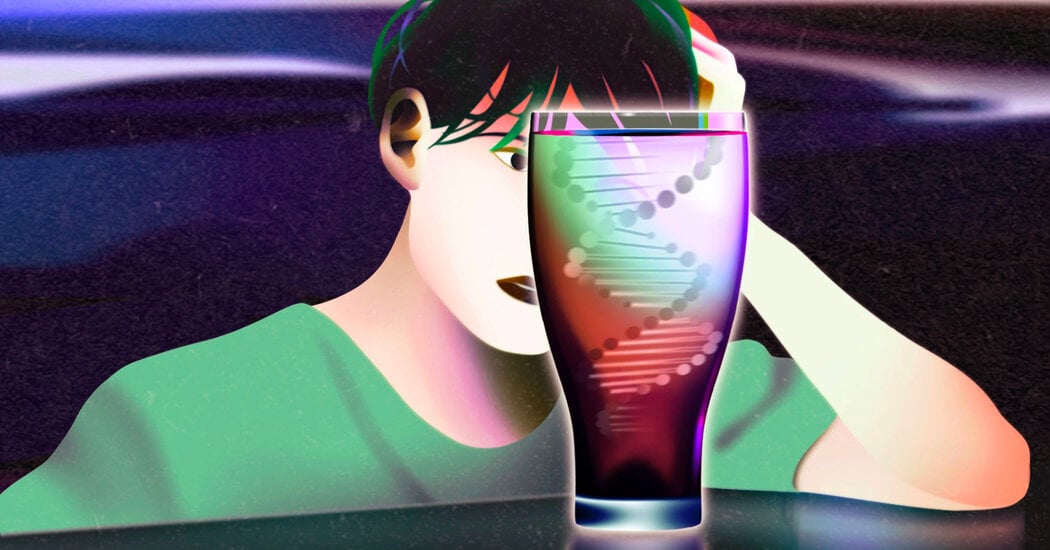
Alcohol use disorder, or alcoholism, has a strong hereditary component, with research suggesting that having a family member with the disorder increases an individual's chances of developing it. While genetics play a significant role, environmental factors such as upbringing and exposure to alcohol also contribute to the risk. Genetic traits influencing alcohol metabolism, tolerance, impulsivity, and reward response can affect a person's susceptibility to alcohol use disorder. Early exposure to alcohol and childhood trauma further increase the risk. To protect oneself, complete abstinence is the most effective solution, but moderation and setting personalized limits can also help. Understanding personal risk factors and seeking alternative coping mechanisms are crucial, and having a supportive friend or partner can aid in recognizing and addressing potential problems.
Living in survival mode, characterized by constant stress and anxiety, can have detrimental effects on mental and physical health. Signs of being stuck in survival mode include feeling a sense of urgency, constant fatigue, easily getting angry or irritated, inability to enjoy activities, waking up stressed, experiencing high levels of anxiety, zoning out frequently, difficulty concentrating, feeling overwhelmed, engaging in destructive behavior, being easily startled, having panic attacks, and experiencing cognitive dulling. Practicing self-care, joining support groups, establishing a routine, and seeking professional help are important steps towards healing and developing healthier coping mechanisms.
Internet slang related to mental health, such as "grippy sock vacation" and "stressy depressy," has become increasingly popular as a way to talk about mental health and destigmatize it. While these phrases can provide a sense of community and humor, they can also have downsides. Some experts argue that using such language may distance individuals from seeking professional help and trivialize serious mental health issues. Additionally, there is concern that overusing these terms may lead to the misinterpretation of normal emotions as mental illnesses, reinforcing stigma. It is important to strike a balance between destigmatizing mental health and ensuring that individuals receive appropriate support and care.
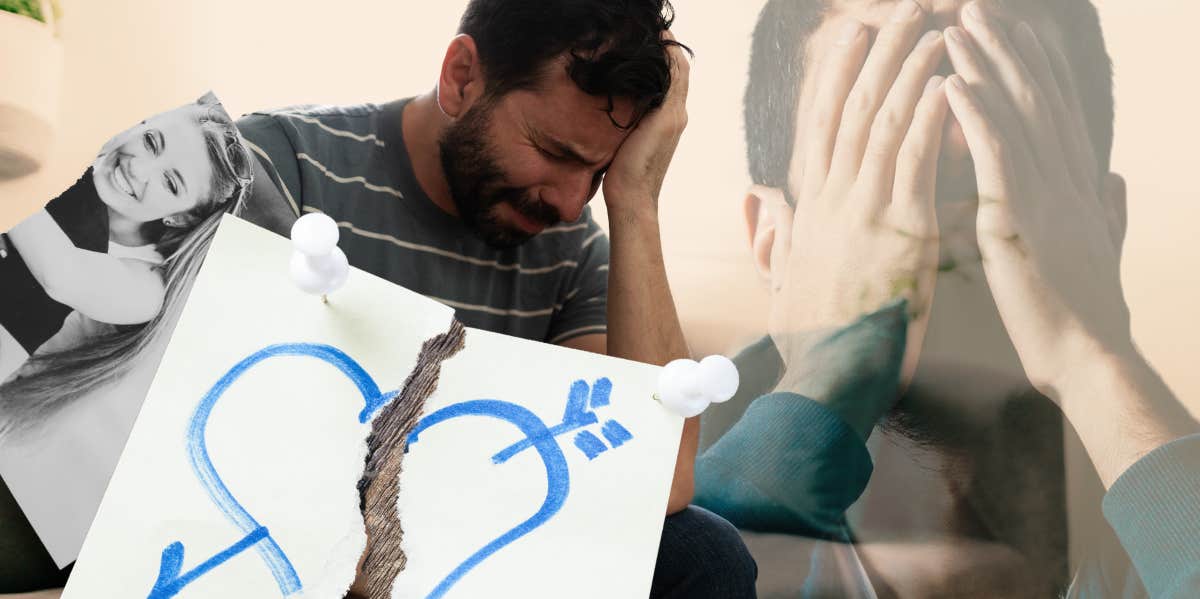
A survey by Elite Singles found that men suffer from lovesickness more than women when a relationship ends. Psychologist Dr. Wiebke Neberich suggests that men may suffer more because they tend to overestimate a woman's interest and experience unrequited love more often. The most painful cause of heartbreak for both men and women is the end of a relationship due to another person. Lovesickness can have emotional and physical effects, and while coping mechanisms vary, seeking support from friends is common. Revenge is the least preferred way to deal with heartbreak.
This article explores why people tend to become obsessed with individuals who are not interested in them romantically. The author suggests that our infatuation with uninterested individuals may be a combination of cultural expectations and a healthy reaction to social rejection. The societal pressure to be in a relationship and the subsequent loss of identity when rejected contribute to the difficulty in coping with romantic rejection. However, the author encourages individuals to redefine themselves and not let others define their worth based on relationship status.
The author shares her personal experience of living with anxiety and panic attacks while trying to maintain a facade of being carefree. She describes the physical symptoms and emotional turmoil she faced, as well as the coping mechanisms she used to avoid confronting her mental health issues. Eventually, she seeks help through therapy and acknowledges the importance of destigmatizing mental health struggles and seeking support.
The author shares her experience of hiding her mental health crisis, including panic attacks, anxiety, and depressive tendencies, while presenting a carefree facade. She describes the physical symptoms she experienced and the denial she had about her own mental health struggles. Eventually, she seeks help through therapy and acknowledges the importance of destigmatizing mental health issues and seeking support.
Landon Asher Barker, son of Travis Barker, opened up about his struggle with five different psychological disorders - ADHD, OCD, anxiety, depression, and derealization. He revealed that he used to drink heavily to cope with the effects of these disorders, but after hitting his head and experiencing a concussion, he was unable to continue drinking. Landon has since focused on therapy and finding healthier ways to manage his mental health. He also discussed his fear of flying and his close relationship with his half-sister, Atiana De La Hoya. Landon hopes to collaborate on music with his sister Alabama Luella Barker in the future.