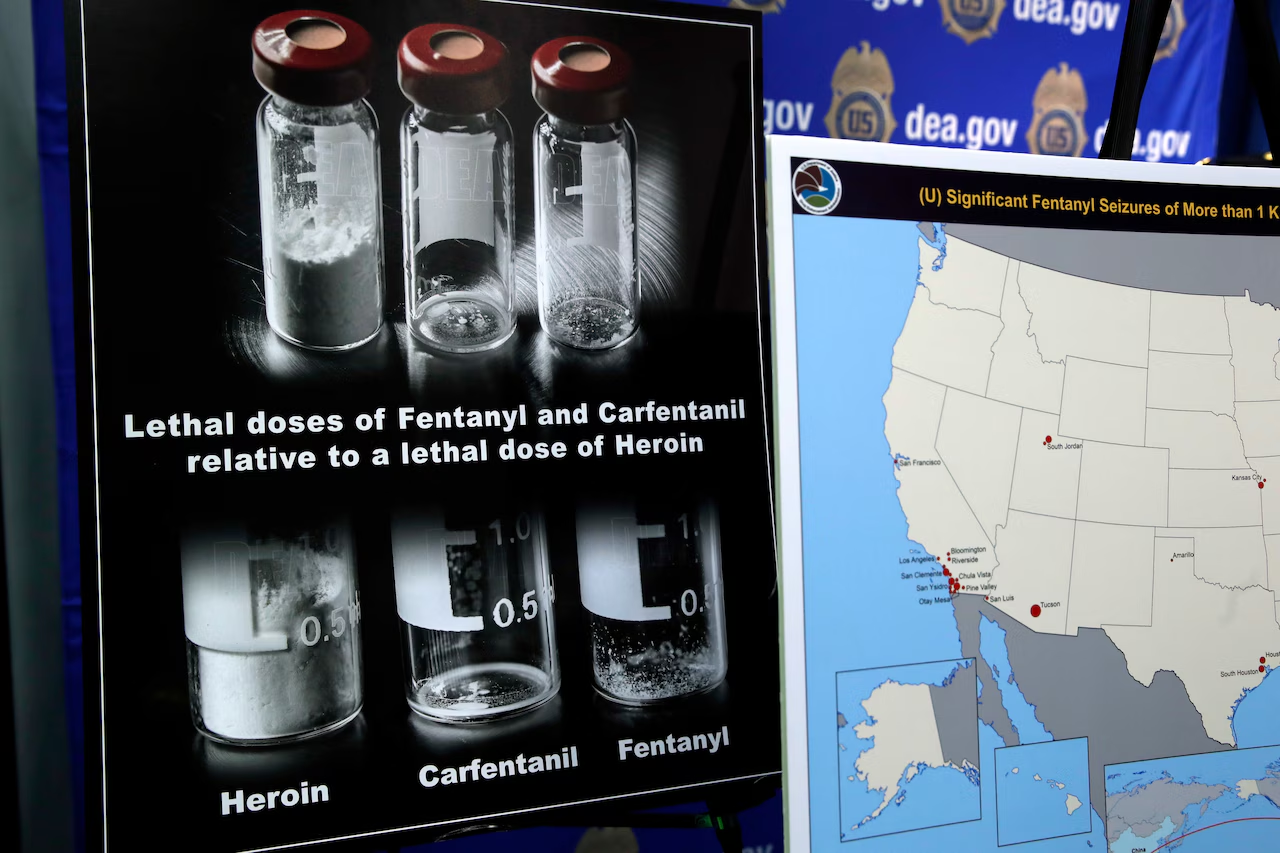
President Trump signed an executive order designating illicit fentanyl as a weapon of mass destruction, aiming to enhance efforts against drug trafficking and production, citing its lethal impact and potential for weaponization, with increased military and legal measures.
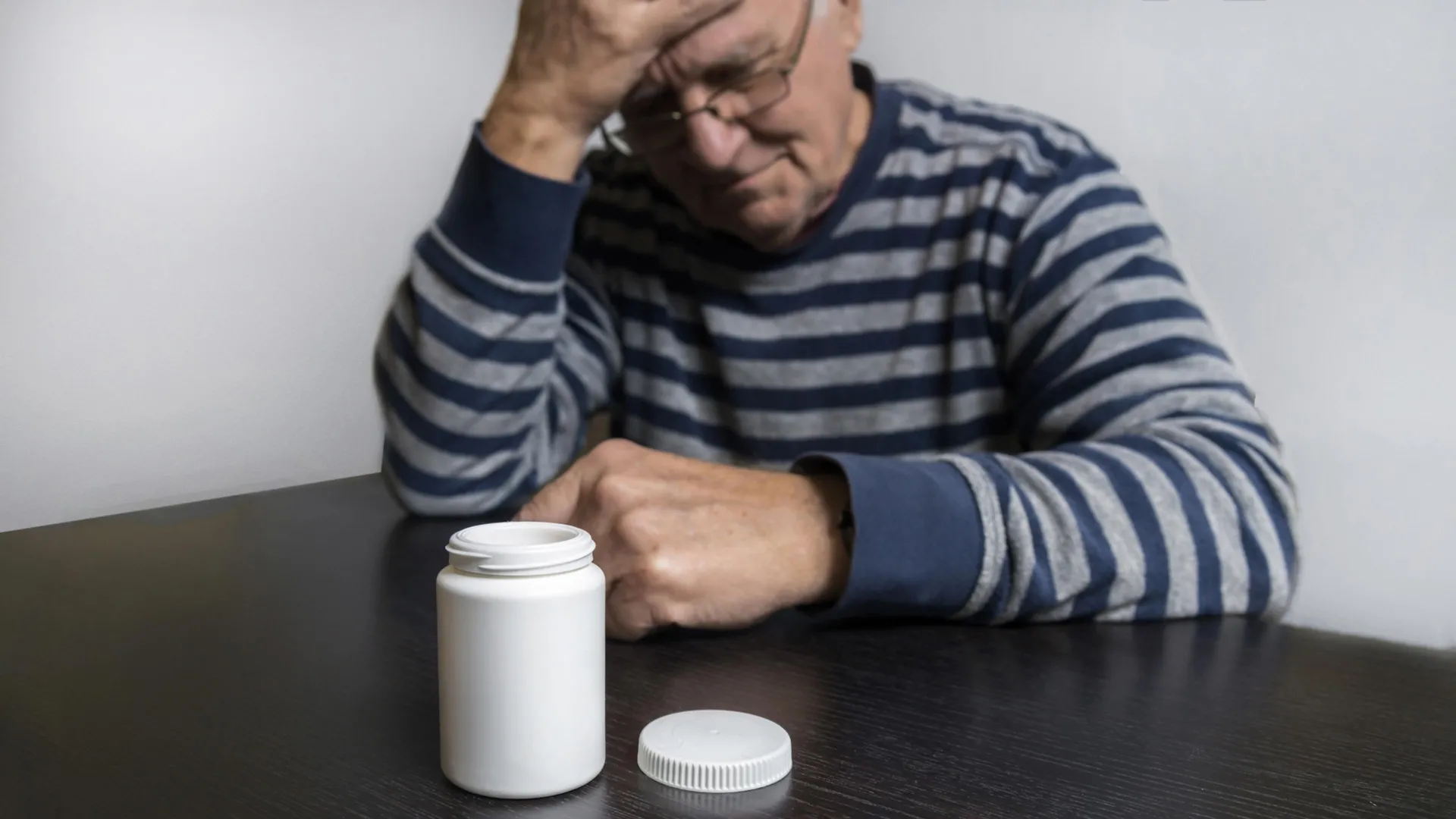
Fentanyl-related overdoses among adults 65 and older have surged by 9,000% over eight years, with a significant rise in deaths involving stimulants like cocaine and methamphetamines, highlighting a hidden crisis in the aging population that requires increased awareness and targeted prevention strategies.
Experts warn that drug traffickers are increasingly mixing potent veterinary sedatives like carfentanil, which is 100 times stronger than fentanyl, with opioids, significantly raising the risk of overdose and death, with substances like xylazine and medetomidine also contributing to the danger.
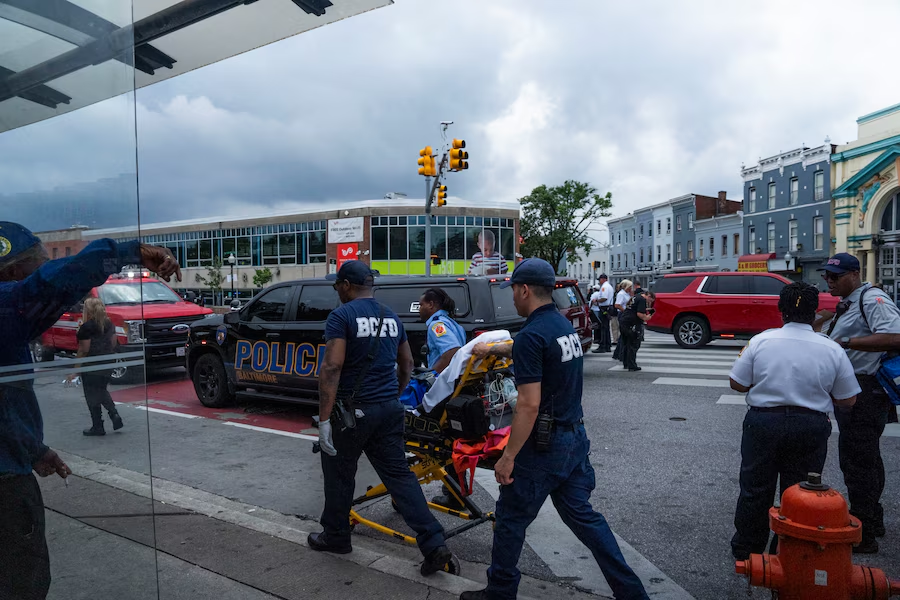
Baltimore experienced a severe mass overdose event linked to dangerous drug testers, prompting a rapid city and community response that included hospitalizations, emergency services, and harm reduction efforts, highlighting the ongoing opioid crisis and the need for expanded prevention strategies.
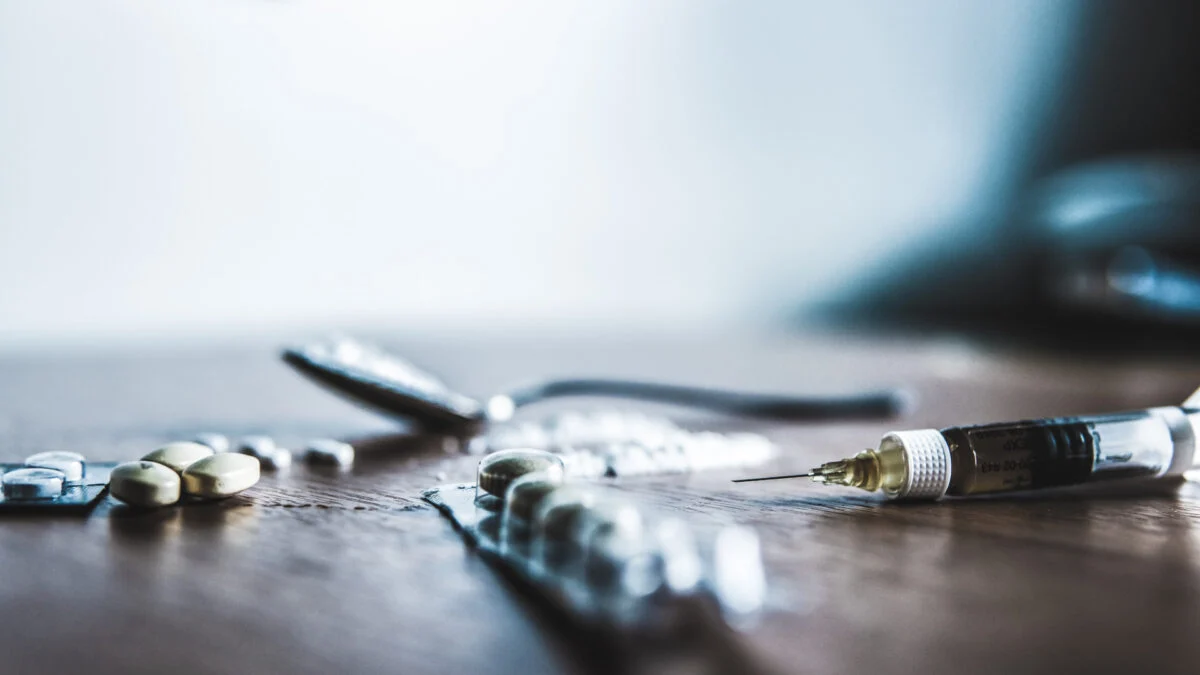
Speedballing, the dangerous practice of combining stimulants like cocaine or methamphetamine with opioids such as heroin or fentanyl, has become a major public health crisis in the U.S., leading to a significant rise in overdose deaths due to the lethal interactions and contaminated drug supply. Addressing this issue requires increased awareness, better access to treatment, and harm reduction strategies like fentanyl test strips and naloxone distribution.
Incumbent San Francisco Mayor London Breed has conceded the mayoral race to challenger Daniel Lurie, who campaigned on addressing the city's homelessness, crime, and drug overdose issues. Lurie, a first-time candidate and founder of an anti-poverty nonprofit, emphasized the need for accountability and change, proposing measures like building shelter beds and tiny homes, increasing police foot patrols, and clearing open-air drug markets. Breed, acknowledging the election outcome, pledged a smooth transition and expressed gratitude for her time in office.
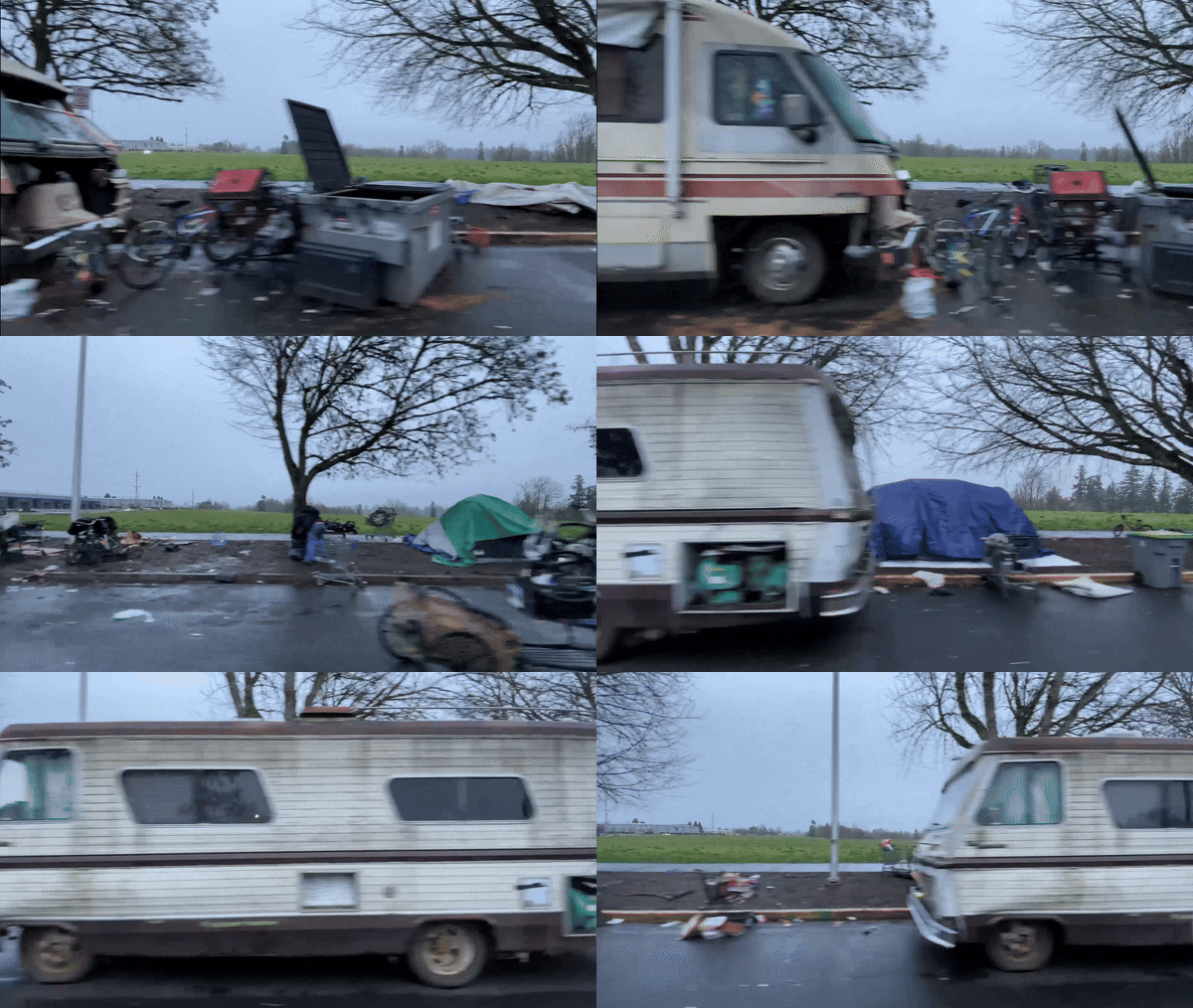
The drug and homelessness crises in Oregon have impacted rural areas, with Yamhill County being particularly affected. Fentanyl use has surged, leading to overdoses and a lack of addiction treatment services in rural communities. While Portland's economic success is seen as beneficial for the entire state, rural areas feel neglected and left out of the conversation. Lawmakers are considering re-criminalizing drug possession and addressing public drug use, with hopes that policies will benefit the entire state, not just urban areas.
Mexican drug cartels have targeted Montana, particularly indigenous communities, flooding the state with super potent meth and deadly fentanyl. The drug crisis has hit Montana's Indian reservations hard, with high rates of addiction and limited law enforcement. Cartel associates have targeted single women on reservations and used their homes as bases of operations. The reservations, sovereign nations with restricted local law enforcement, suffer from a lack of resources and accountability, creating a "Wild, Wild West" situation.
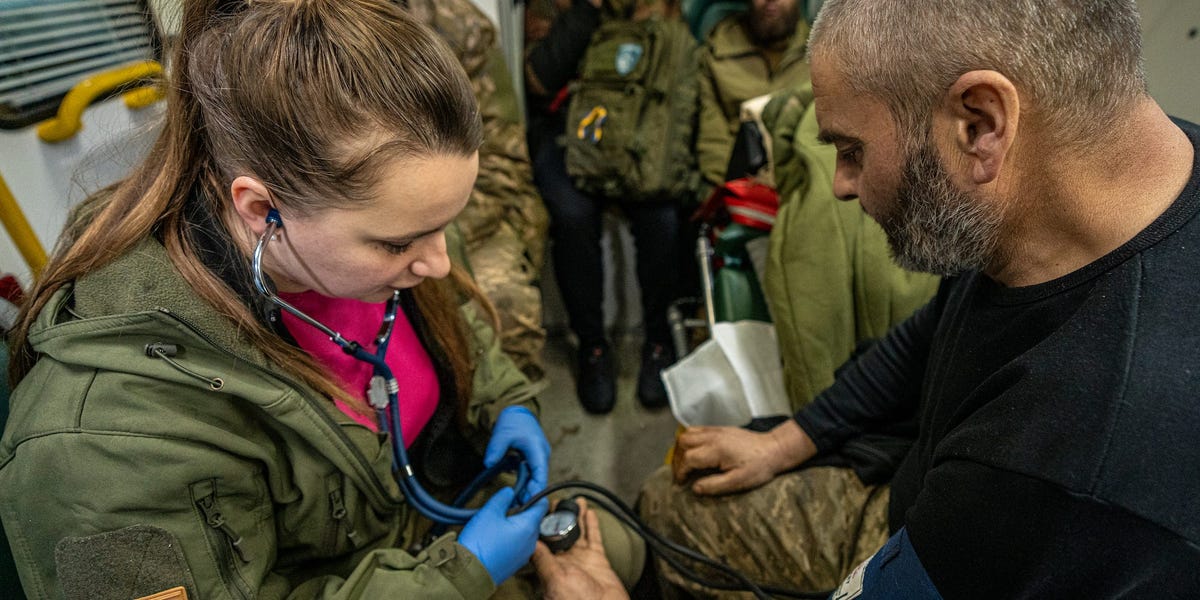
A Ukrainian doctor suggests that the country's soldiers should be prescribed cannabis instead of opioids to avoid a drug crisis similar to that of the US. Ukraine, which previously had one of the world's highest rates of opioid use, recently legalized medicinal marijuana to treat PTSD and cancer related to the war. The doctor believes that prescribing medical cannabis instead of opioids could be an ideal treatment for certain patients, citing the side-effects of opioids and the potential benefits of cannabis.
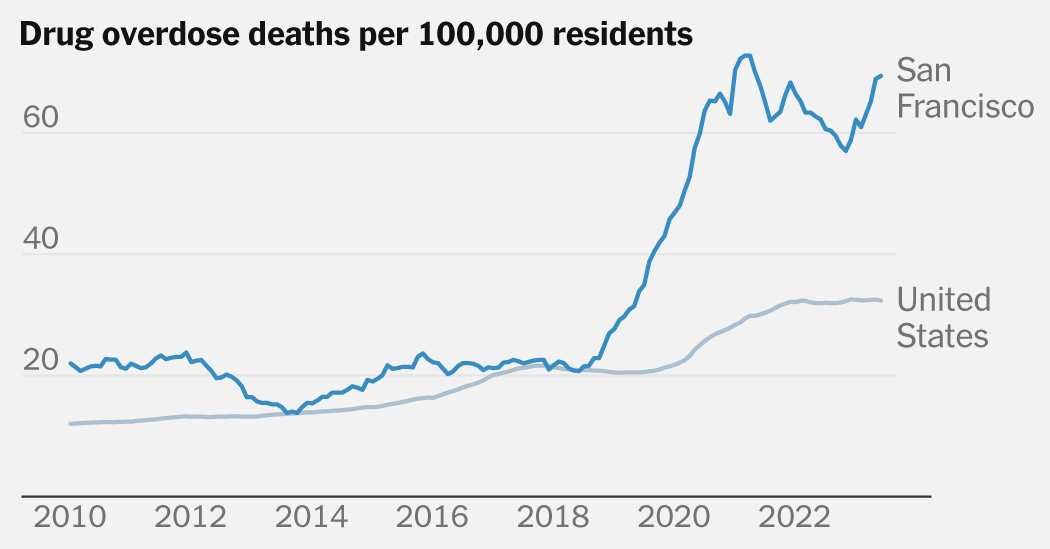
San Francisco is grappling with a severe drug crisis, with record-high overdose deaths and widespread public drug use. The city's overdose death rate has more than doubled the national average, partly due to the rise of fentanyl and policy changes such as Prop 47, which reduced drug possession to a misdemeanor. While some advocate for emulating Portugal's successful decriminalization approach, liberal cities like San Francisco have struggled to replicate its results, highlighting the challenges in addressing the city's drug crisis.
Philadelphia City Council is considering a bill that would impose curfews on some businesses in the Kensington neighborhood's open-air drug market, requiring them to close between 11 p.m. and 6 a.m. due to the area's rampant addiction and crime issues. The proposal is part of ongoing efforts to address the drug crisis in Kensington, which has gained international attention for its extreme public drug use and high crime rates. The bill is part of a larger legislative package aimed at tackling illegal drug activity and quality-of-life nuisances in the area.
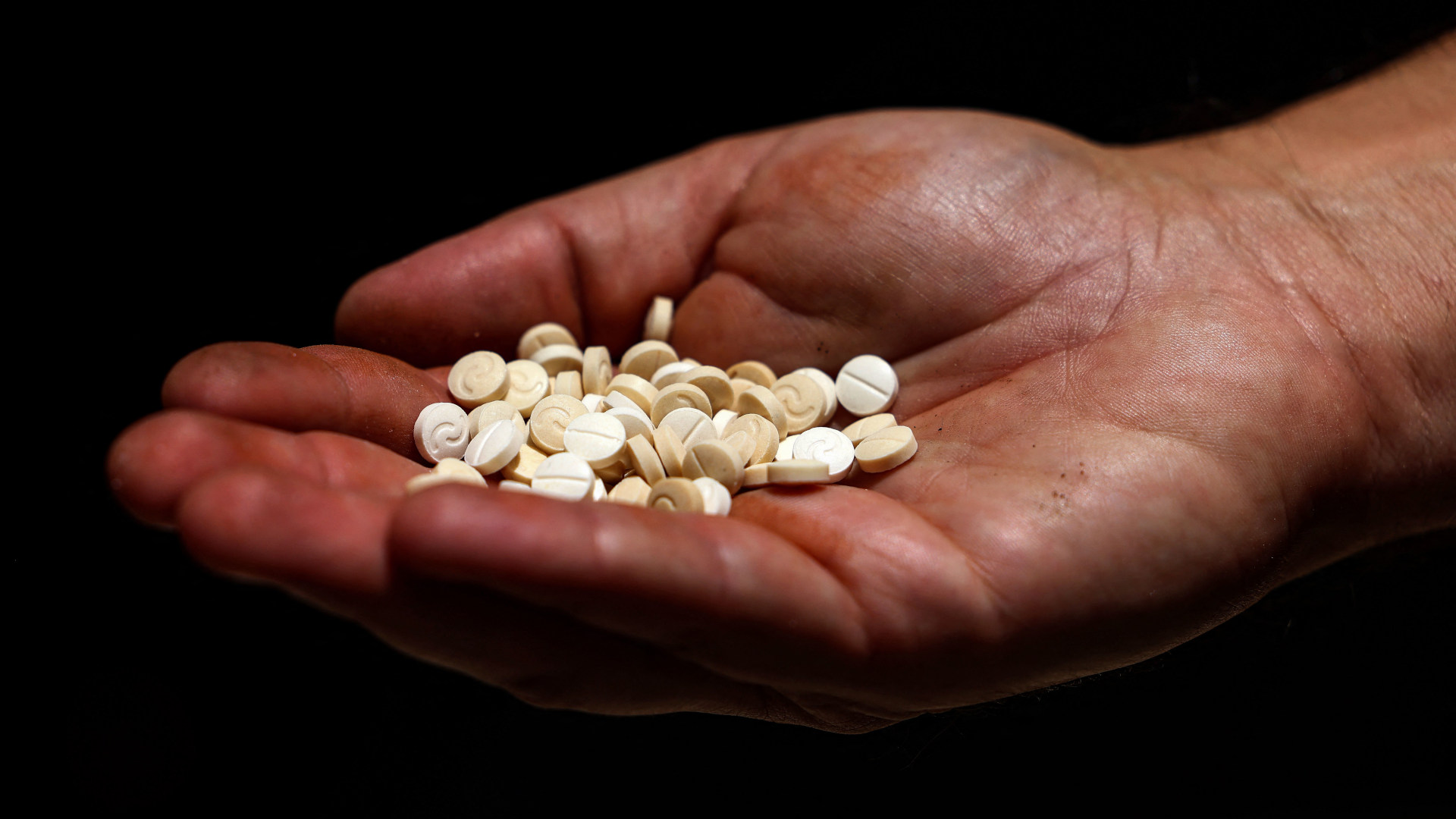
As the opioid crisis shows signs of slowing down, experts warn of a potential new wave of an emerging stimulant crisis in the US. Overdoses involving both stimulants and fentanyl have increased dramatically in recent years, indicating a shift in substance abuse patterns. Methamphetamine and cocaine are the primary stimulant drugs of concern, with methamphetamine-related overdose deaths nearly tripling from 2015 to 2019. Synthetic drugs, created in labs to mimic the effects of naturally occurring drugs, pose a significant threat. Counterfeit drugs like Captagon, known as "poor man's cocaine," are already popular in the Middle East and could potentially gain traction in the US. To address this looming crisis, improved data collection, monitoring, and collaboration across public health and law enforcement organizations are crucial.
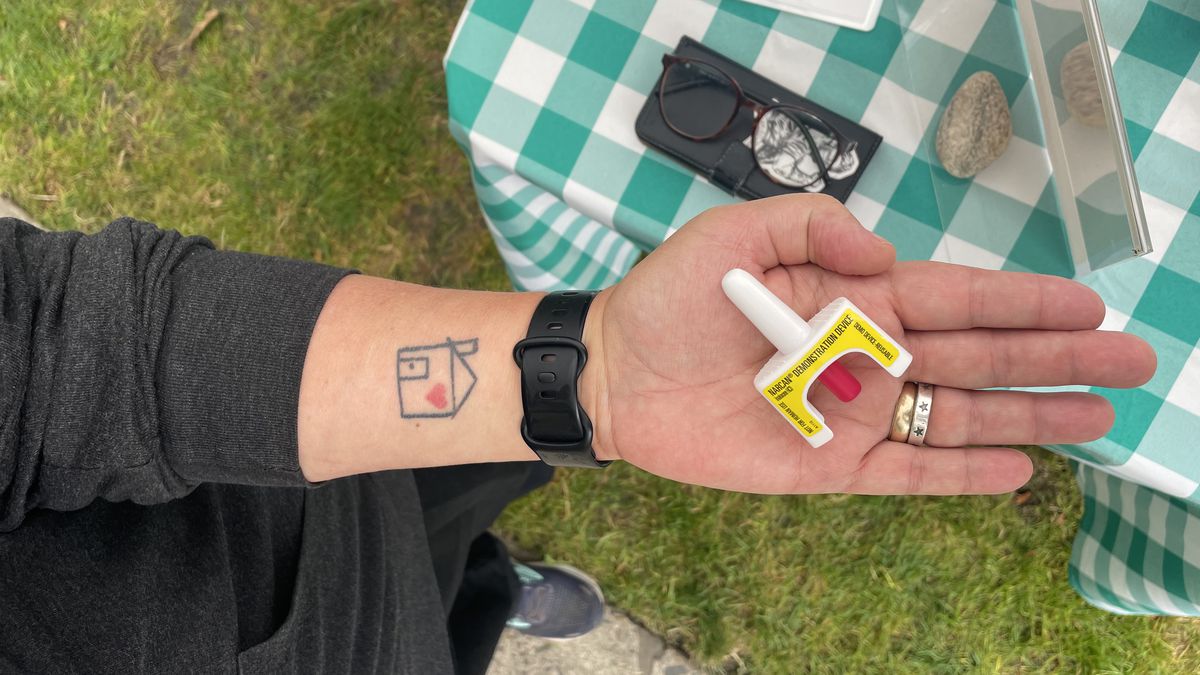
Nurses at Oregon Health & Science University are urging Oregonians, especially parents and those around young adults, to obtain a prescription for Naloxone, also known as Narcan, which can reverse opioid overdoses. Oregon has seen a rise in fentanyl-related overdose deaths among young people. Naloxone is safe and easy to use, and can be obtained at participating retail pharmacies. It is important for bystanders to be prepared and have Naloxone on hand to potentially save lives in the event of an overdose.
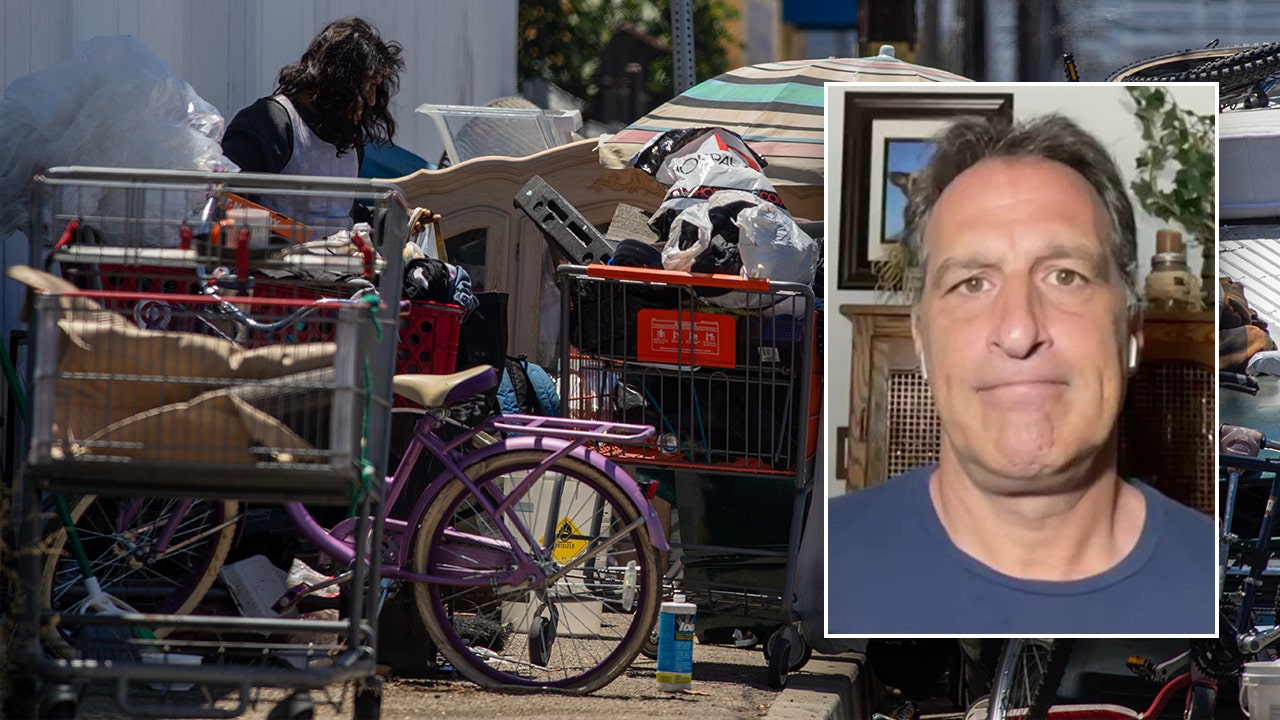
A business owner in Los Angeles criticizes the city's approach to addressing the drug crisis, arguing that efforts to distribute crack pipes and provide oxygen cylinders to homeless addicts on Skid Row are "less than a Band-Aid approach." He believes that the city is normalizing depravity and failing to take effective action to combat the problem. The owner highlights the impact on businesses, the decrease in police officers, and the need for a different approach to address the unsustainable situation in Los Angeles.