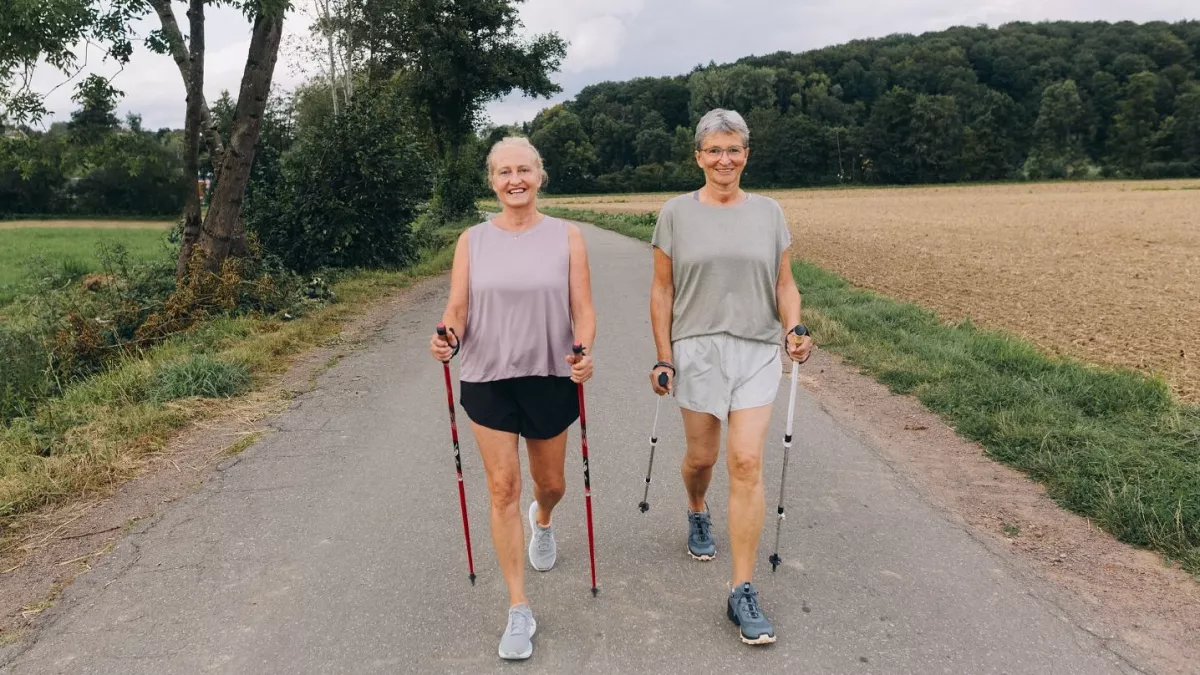
Research shows that walking around 8,000 steps daily for adults under 60 and 6,000-8,000 for those over 60 optimizes health benefits, significantly reducing risks of mortality, cardiovascular issues, and chronic diseases, with benefits starting at as low as 2,500 steps.

A new study suggests that walking as few as 3,000 to 5,000 steps daily can delay cognitive decline and reduce the risk of dementia, including Alzheimer's, by slowing tau protein buildup in the brain. Increasing daily steps to 5,000 to 7,000 can provide up to seven extra years of cognitive protection, highlighting the importance of regular physical activity for brain health.
A new study suggests that older adults at risk for Alzheimer's can slow disease progression by walking as few as 3,000 steps daily, with those walking 3,000 to 5,000 steps delaying cognitive decline by about three years.
A study published in Nature Medicine suggests that walking 3,000 to 7,500 steps daily can slow the progression of Alzheimer's disease by delaying the buildup of amyloid proteins in the brain, with benefits plateauing beyond 7,500 steps. The research highlights the importance of outdoor activity for brain health, especially in aging populations, and encourages winter outdoor walks for their additional health benefits.
A study suggests that walking 3,000 to 7,000 steps daily may delay the onset of Alzheimer's symptoms, with higher step counts associated with longer delays in cognitive decline.
A study finds that walking 3,000 to 7,500 steps daily can significantly slow cognitive decline in people at risk of Alzheimer's, with benefits lasting up to 7 years, especially in those with high amyloid-β levels, suggesting even modest exercise can be protective.
A Harvard study suggests that combining heart rate and step count data into a new metric called DHRPS provides a more accurate assessment of cardiovascular fitness and disease risk than steps alone. The study found that higher DHRPS scores are associated with increased risk of chronic diseases, emphasizing the importance of monitoring both heart rate and activity levels for better health insights.
A study found that older women who take at least 4,000 steps one or two days a week have significantly lower risks of death and cardiovascular disease, with greater benefits up to a certain point, emphasizing the importance of total step volume over frequency.
A new study suggests that older women can significantly improve their heart health and reduce mortality risk by walking at least 4,000 steps one to two days per week, challenging the traditional 10,000-step goal and highlighting the benefits of moderate physical activity.
A study suggests that older adults who walk at least 4,000 steps on one or two days a week can reduce their risk of early death by about 25%, emphasizing that total step volume is more important than daily consistency for health benefits.
A recent study suggests that walking 7,000 steps a day provides most health benefits and is more achievable than the traditional 10,000 steps, significantly reducing risks of early death, cardiovascular disease, and other health issues.
Recent research suggests that walking 7,000 steps a day provides similar health benefits to the traditional 10,000-step goal, including reduced risks of serious health outcomes, emphasizing personalized and achievable activity levels over a fixed target.
Research shows that walking 9,000 steps daily significantly reduces the risk of 13 types of cancer, including lung, liver, colon, and breast cancer, with benefits plateauing after this level. The study emphasizes that the number of steps, rather than walking speed, is key to cancer risk reduction, and provides practical tips for reaching this goal through daily activities.
The '3×3 by 12' Morning Rule encourages completing three health-focused tasks—walking 3,000 steps, drinking one-third of your daily water goal, and consuming 30 grams of protein—before noon to boost energy, mood, and overall well-being, with expert-backed benefits and customizable options.