Tag

Stellar Merger

All articles tagged with #stellar merger

astronomy1 year ago

"Stellar Merger Unveils Magnetic Monster: Solving Nebula Mysteries"

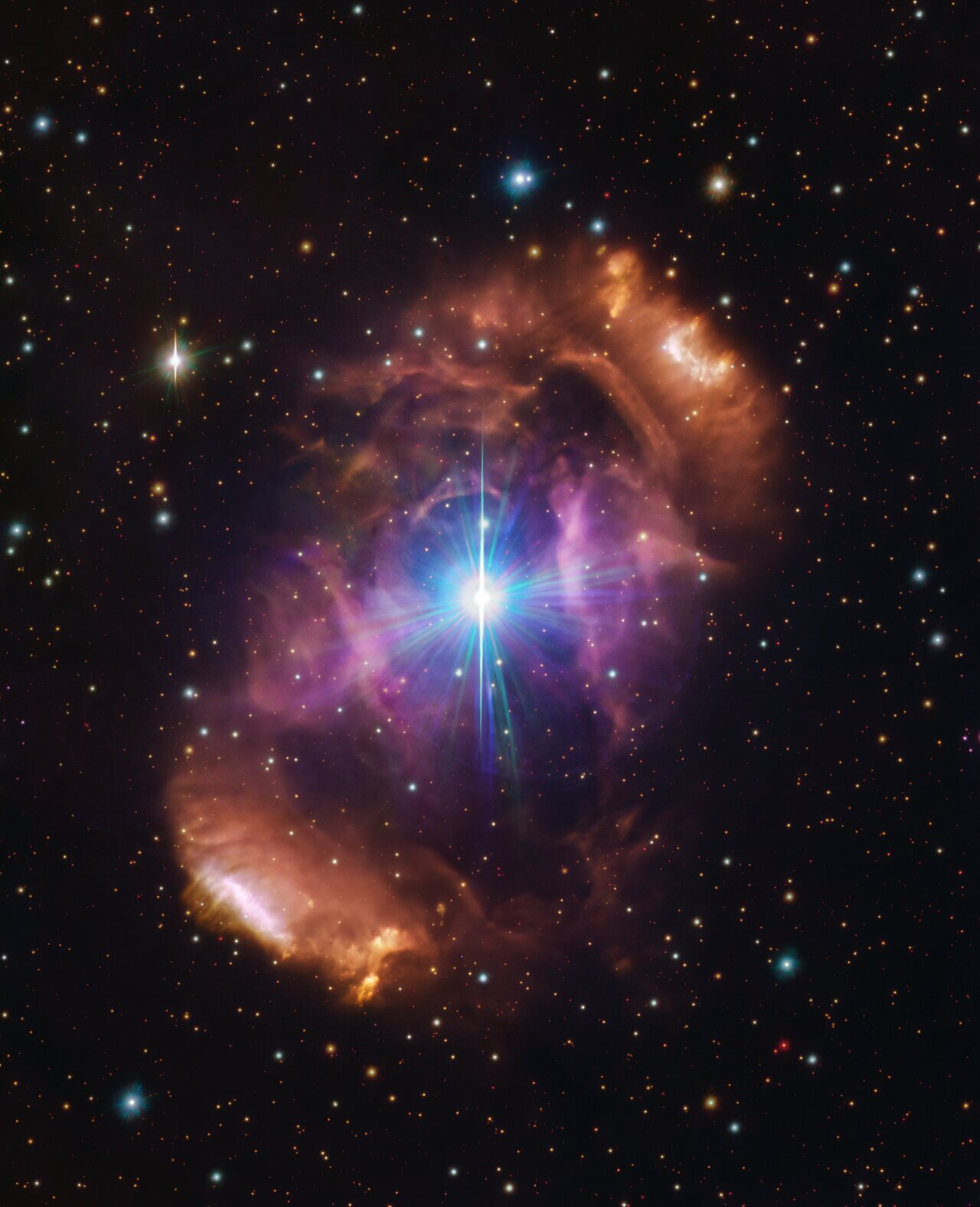
A bizarre binary star system, HD 148937, located 3,800 light-years away, contains two massive stars, one of which is the brightest and hottest known to have a magnetic field. Despite the conventional understanding that massive stars should not have magnetic fields, about 7% of them do. Recent observations suggest that the magnetic field in HD 148937's star was acquired through a violent merger with another star, leading to the creation of a bipolar nebula and shedding light on the origin of magnetic fields in massive stars.

astronomy1 year ago

"Unraveling the Magnetic Mystery of the 'Dragon's Egg' Nebula"

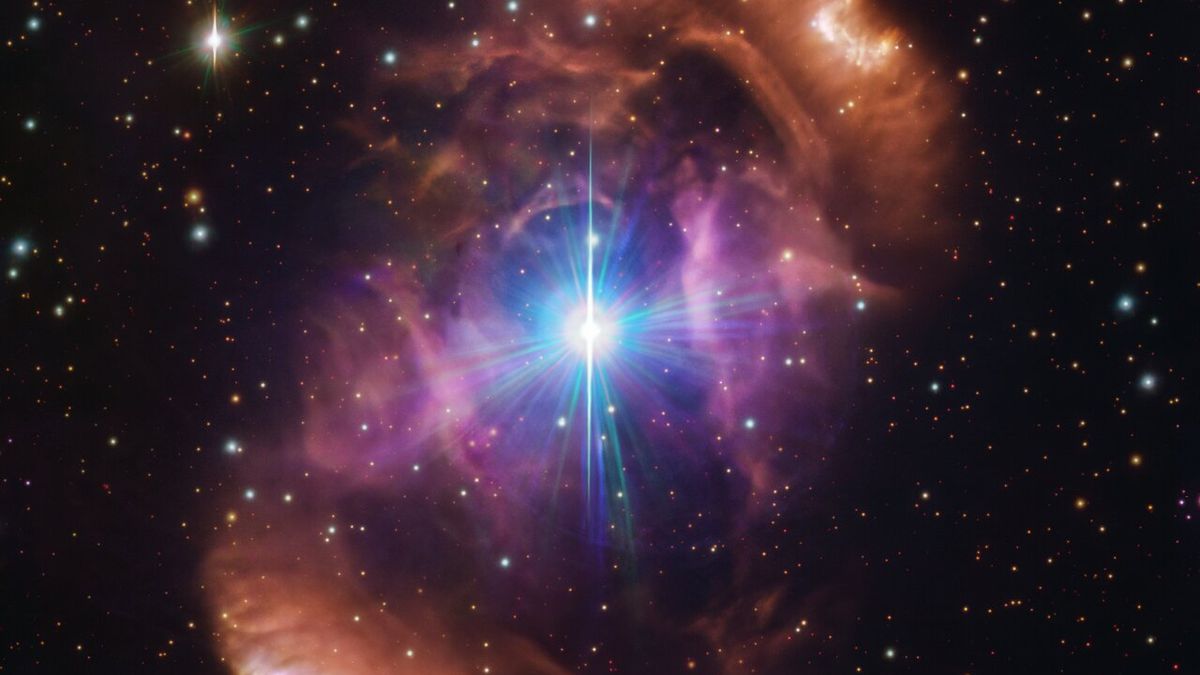
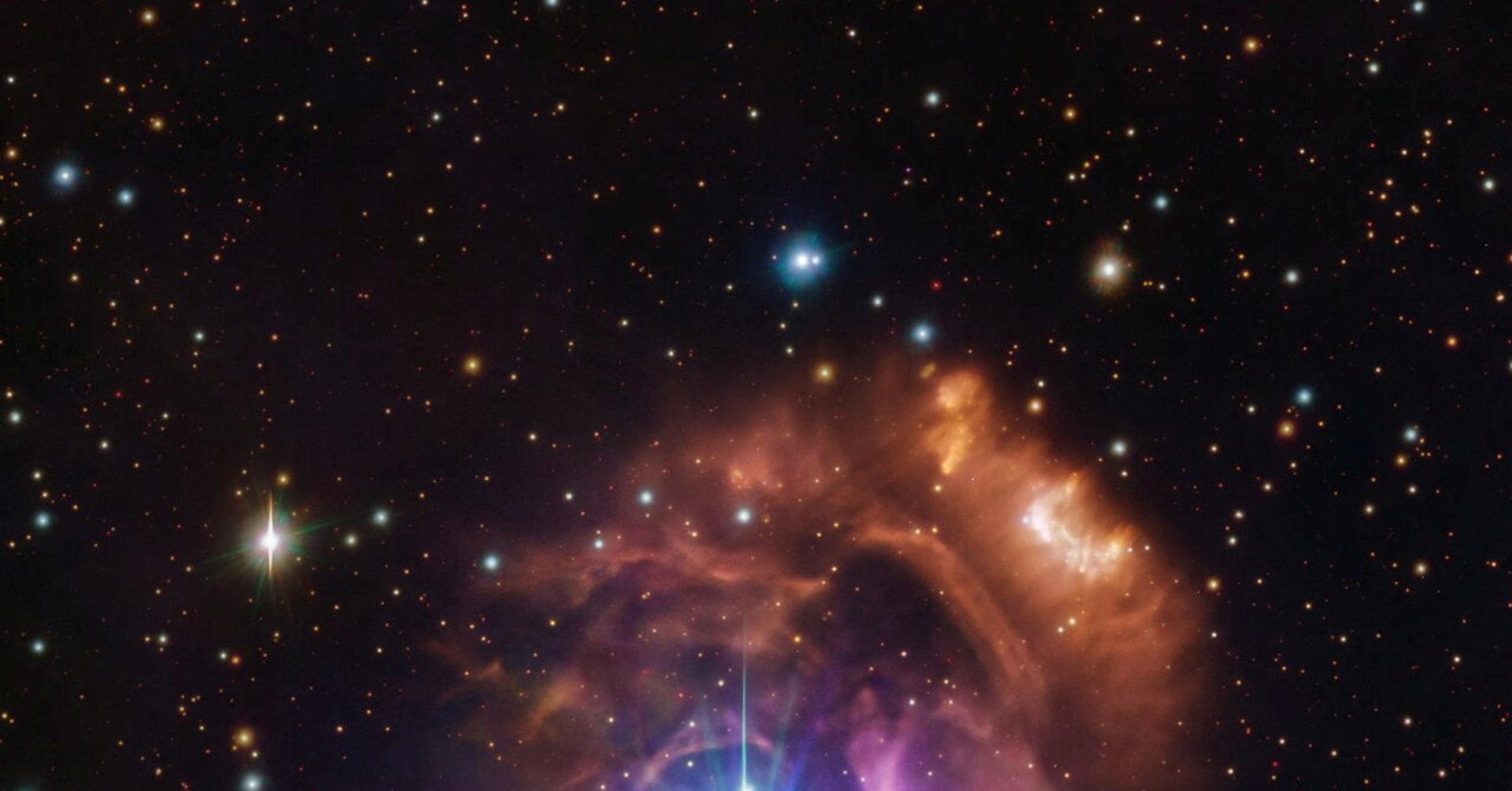
Astronomers have unraveled the mystery of the "Dragon's Egg" nebula, discovering that the magnetic field in one of the stars within it was likely created through a violent merger with a smaller sibling star. This finding explains the presence of magnetic fields in relatively few massive stars and sheds light on the complex physics and chemistry at play in the nebula. The stunning cloud of gas and dust, located in the Milky Way galaxy, is a result of a recent cosmic event and provides valuable insights into the formation and evolution of massive stars.

astronomy1 year ago

"Stellar Clash Unravels Nebula's Violent History"

Astronomers studying the beautiful nebula NGC 6164/6165, also known as the Dragon's Egg, have discovered a violent history behind the stellar pair HD 148937 at its center. New data from the European Southern Observatory (ESO) suggests that the system originally had three stars, with two of them merging in a violent clash, creating the surrounding nebula and altering the system's fate. This discovery also provides direct evidence of how massive stars can acquire magnetic fields through mergers, solving a long-standing mystery in astronomy.

astronomy2 years ago

Unraveling the Enigma: JWST Sheds Light on the Vanishing Massive Star

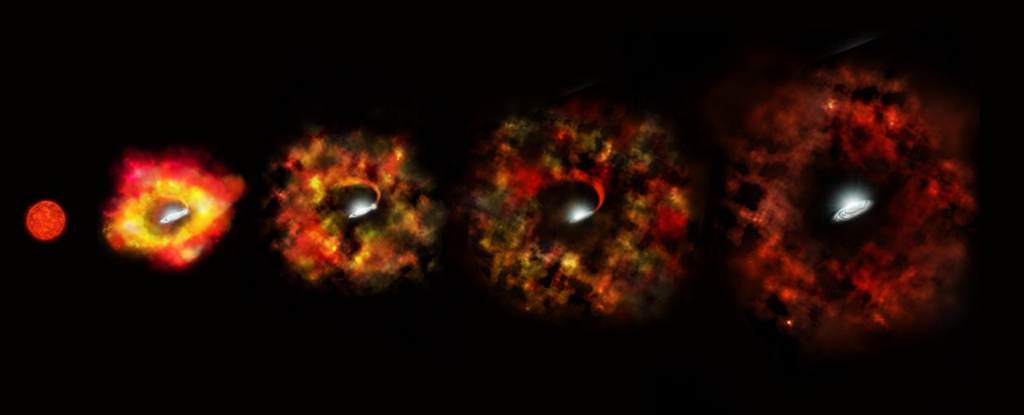
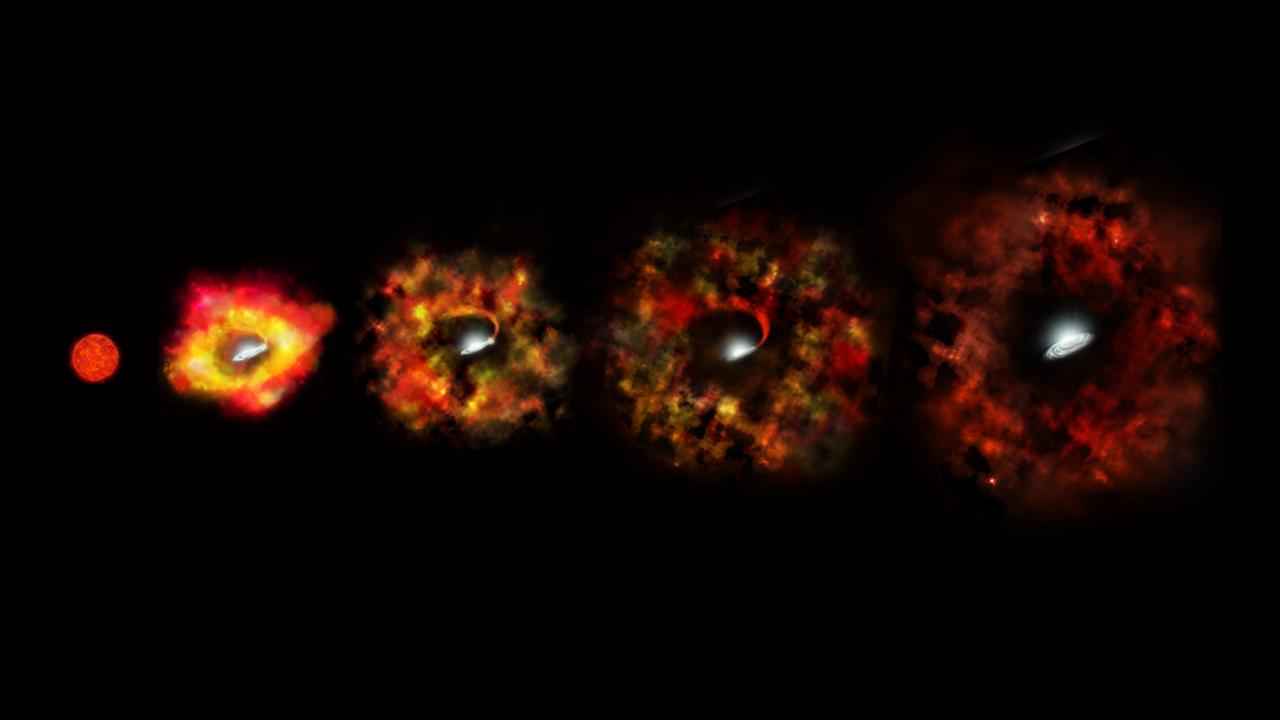
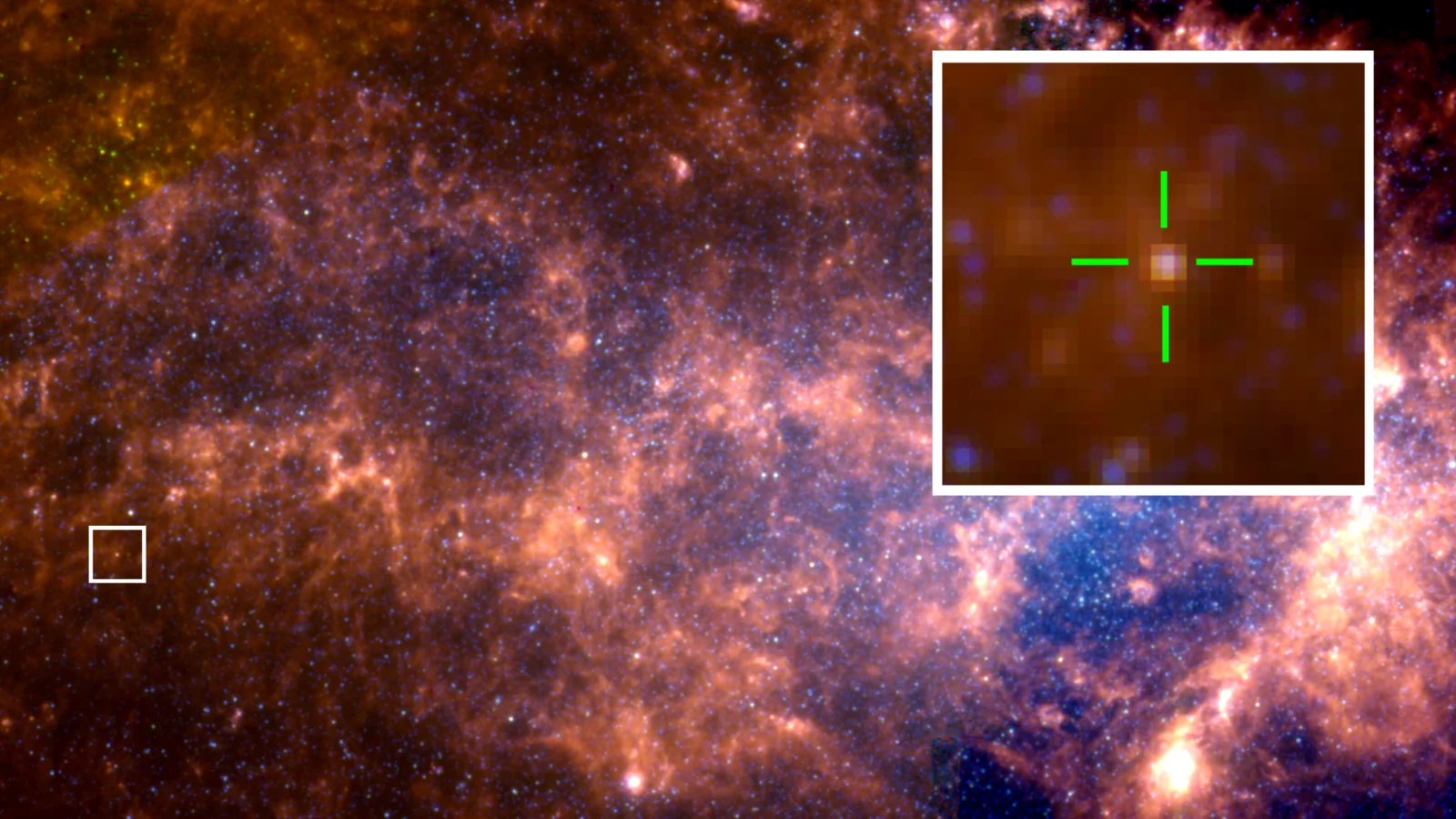
In 2009, a massive star known as N6946-BH1 underwent a period of brightening, leading astronomers to believe it was about to explode into a supernova. However, it faded instead of exploding, and subsequent observations couldn't detect the star. A new study using data from the James Webb Space Telescope (JWST) has revealed a bright infrared source consistent with material ejected from the star during its rapid brightening. Surprisingly, the study also found three remnant objects instead of one, suggesting a stellar merger rather than a failed supernova. This discovery complicates our understanding of supernovae and the formation of stellar-mass black holes. Further observations will help distinguish between stellar mergers and true failed supernovae, shedding light on the final stages of stars becoming black holes.

astronomy2 years ago

"JWST Sheds Light on Mysterious Vanishing of Massive Star"

Astronomers have used the James Webb Space Telescope (JWST) to study the mysterious disappearance of a massive star known as N6946-BH1. Previous observations suggested that the star had collapsed into a black hole rather than exploding into a supernova. However, new data from JWST's NIRCam and MIRI instruments reveal a bright infrared source consistent with material ejected from the star during a rapid brightening phase. Surprisingly, the study also identifies three remnant objects, indicating a possible stellar merger rather than a failed supernova. This discovery complicates our understanding of supernovae and the formation of stellar-mass black holes. Further observations will help distinguish between stellar mergers and true failed supernovae, shedding light on the final stages of massive stars.

astronomy2 years ago

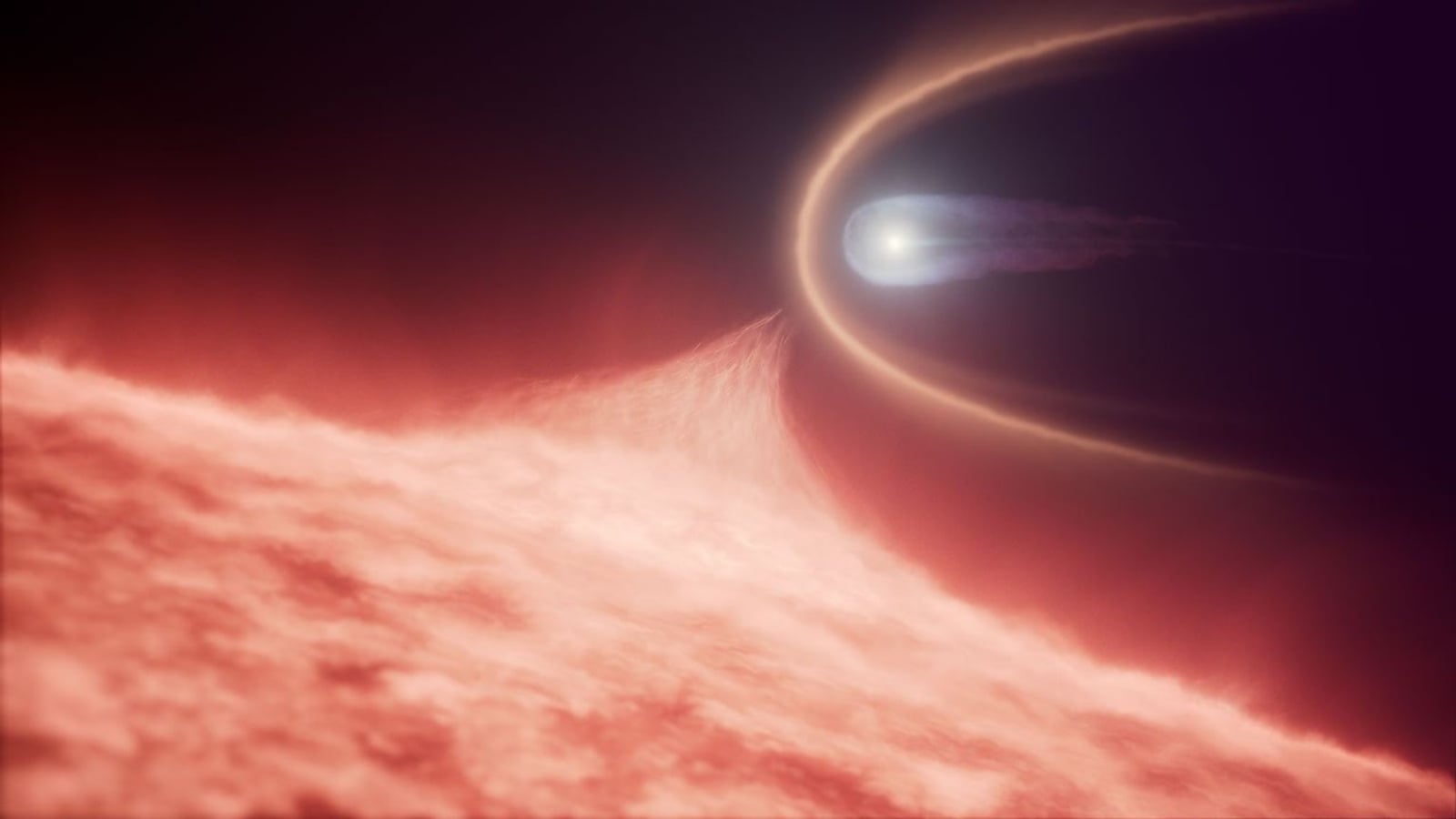
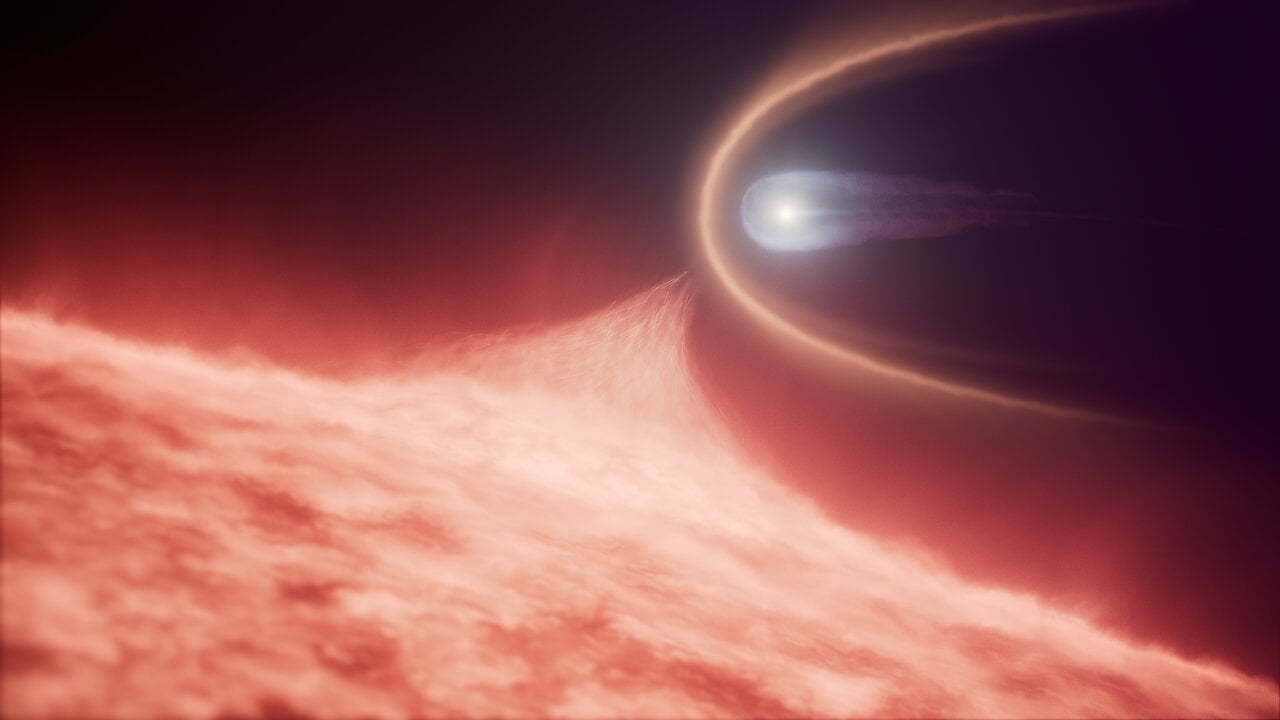
Surviving the Unthinkable: The Forbidden Planet's Miraculous Escape

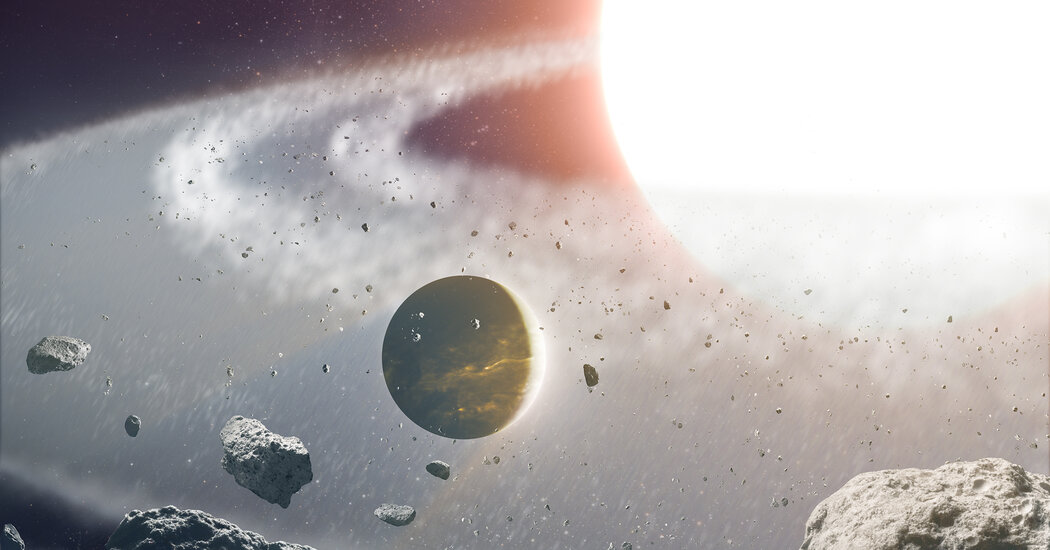
The giant planet Halla has defied the odds by surviving the engulfment of its dying star, Baekdu. Scientists propose that Baekdu may have formed from the merger of two stars, preventing it from growing large enough to swallow Halla. Alternatively, Halla could be a newborn planet that formed from the debris of the stellar merger. However, Halla's survival is temporary, as Baekdu is expected to expand again in the future. This discovery suggests the existence of other death-defying planets in the galaxy and calls for further research on star-planet interactions and stellar mergers.