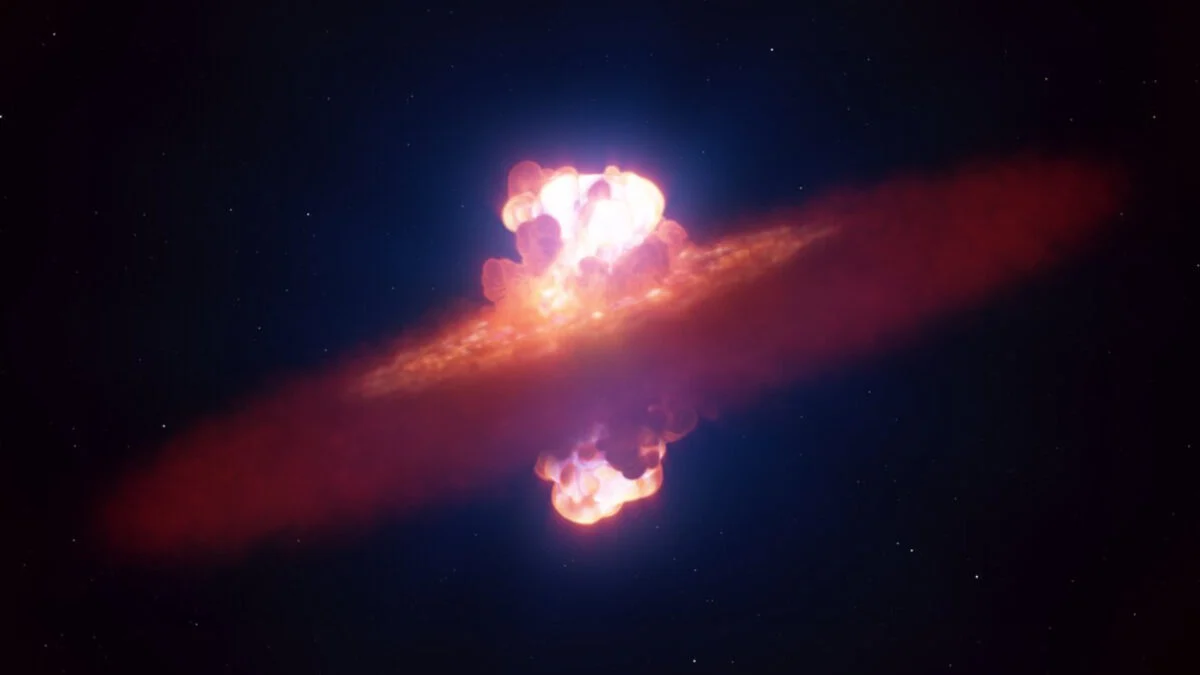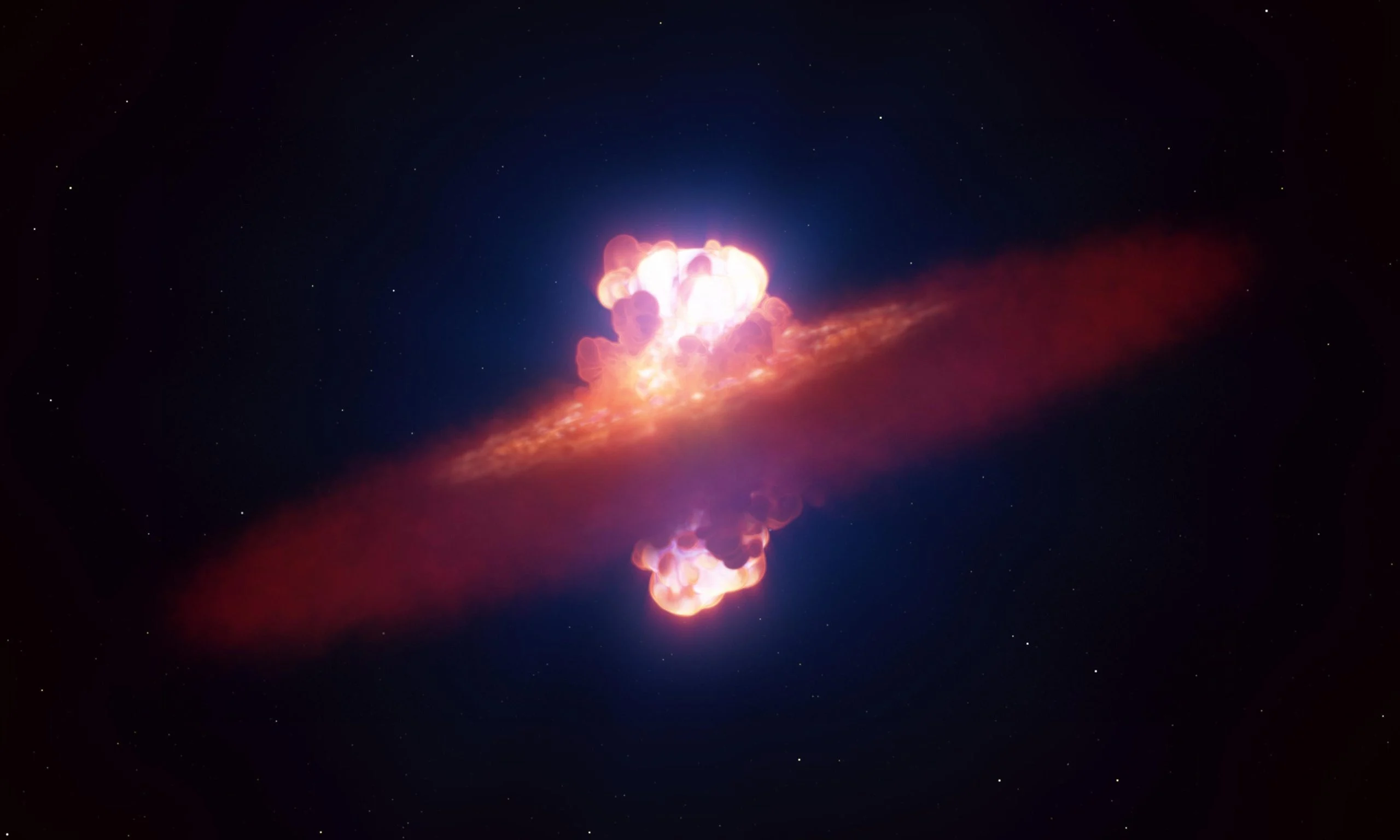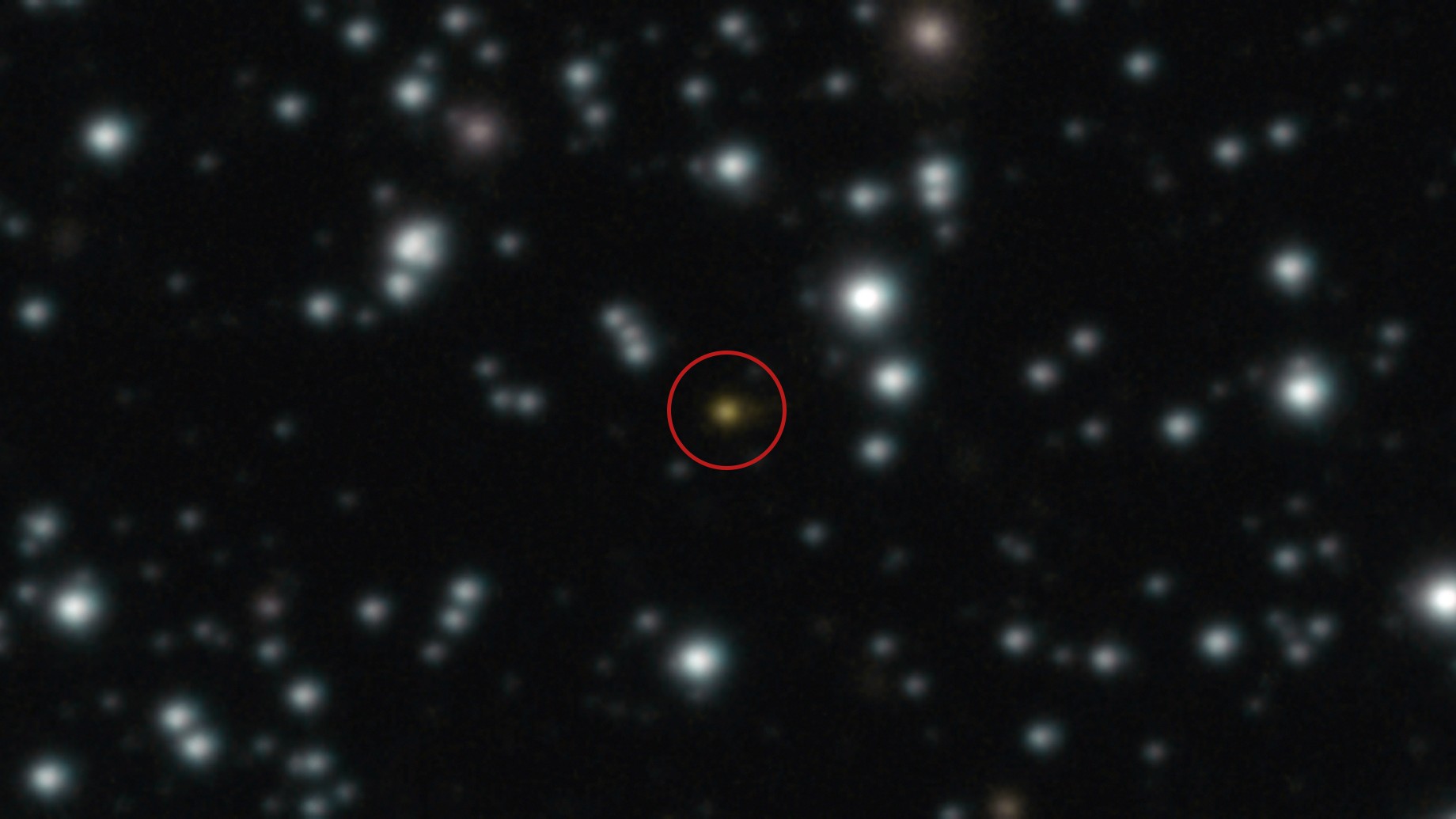
Astronomers captured the earliest image of a supernova, SN 2024ggi, just 26 hours after explosion using ESO's VLT, revealing its olive-shaped geometry and providing new insights into the explosion mechanics of massive stars.
Astronomers using ESO’s Very Large Telescope captured the earliest moments of a supernova explosion, SN 2024ggi, revealing its olive-like shape and providing new insights into how massive stars end their lives, marking a historic first in observing a supernova's initial breakout shape.
European Southern Observatory engineers regularly polish and recoat the 25-ton mirrors of the Very Large Telescope in Chile's Atacama Desert to maintain optimal performance for astronomical observations, ensuring the telescope can continue to deliver detailed images of the universe.
Scientists observed a mysterious, long-lasting gamma-ray burst that lasted nearly a day, unlike typical bursts that last milliseconds to minutes. The event, detected by NASA and Chinese space telescopes, appears to originate from beyond our galaxy and may involve an unusual black hole or a star being torn apart, making it a unique and puzzling cosmic phenomenon.
Scientists observed a mysterious gamma-ray burst lasting nearly a day, unlike any previously recorded, and are exploring explanations involving unusual black holes or stellar events, but its exact cause remains unknown.
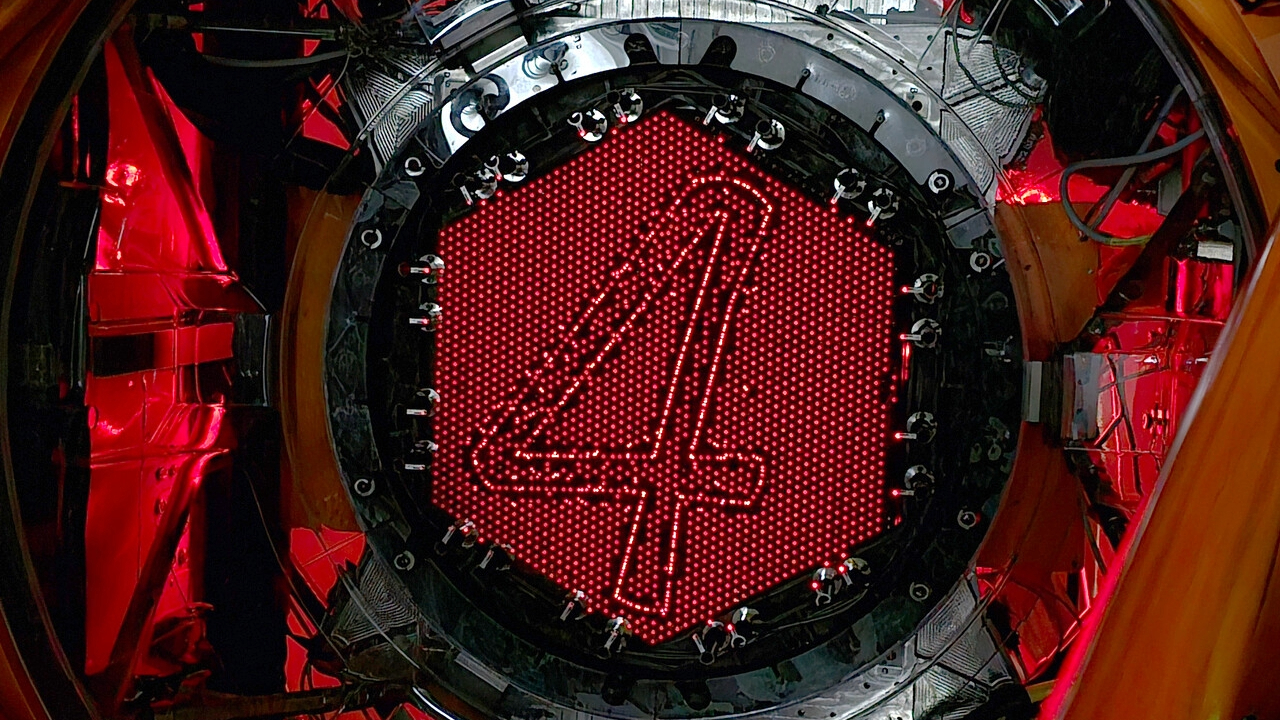
The European Southern Observatory has unveiled the 4MOST instrument, a fiber optic spectroscopic telescope with 2,436 fibers that can analyze multiple celestial objects simultaneously, significantly advancing astronomical surveys and understanding of the universe's composition and evolution.
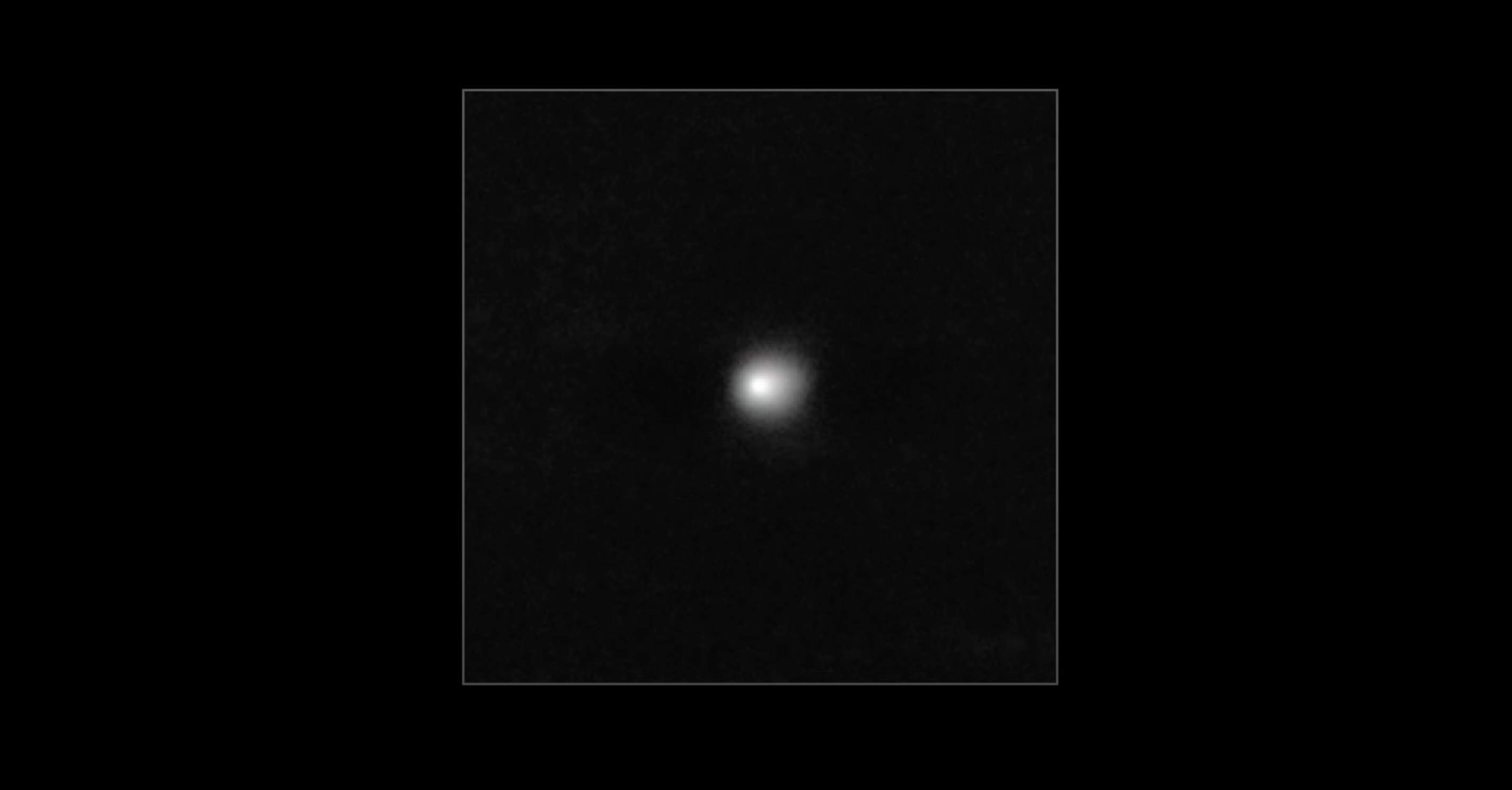
The European Southern Observatory has captured the clearest images yet of the interstellar comet 3I/ATLAS as it travels through the solar system, providing valuable data about this rare visitor, which is only the third interstellar object detected in our solar system. The comet was discovered on July 1, 2025, and will be closest to Earth in late October 2025, though it will be hidden behind the sun at that time. Observations will continue to study its structure, composition, and origin.
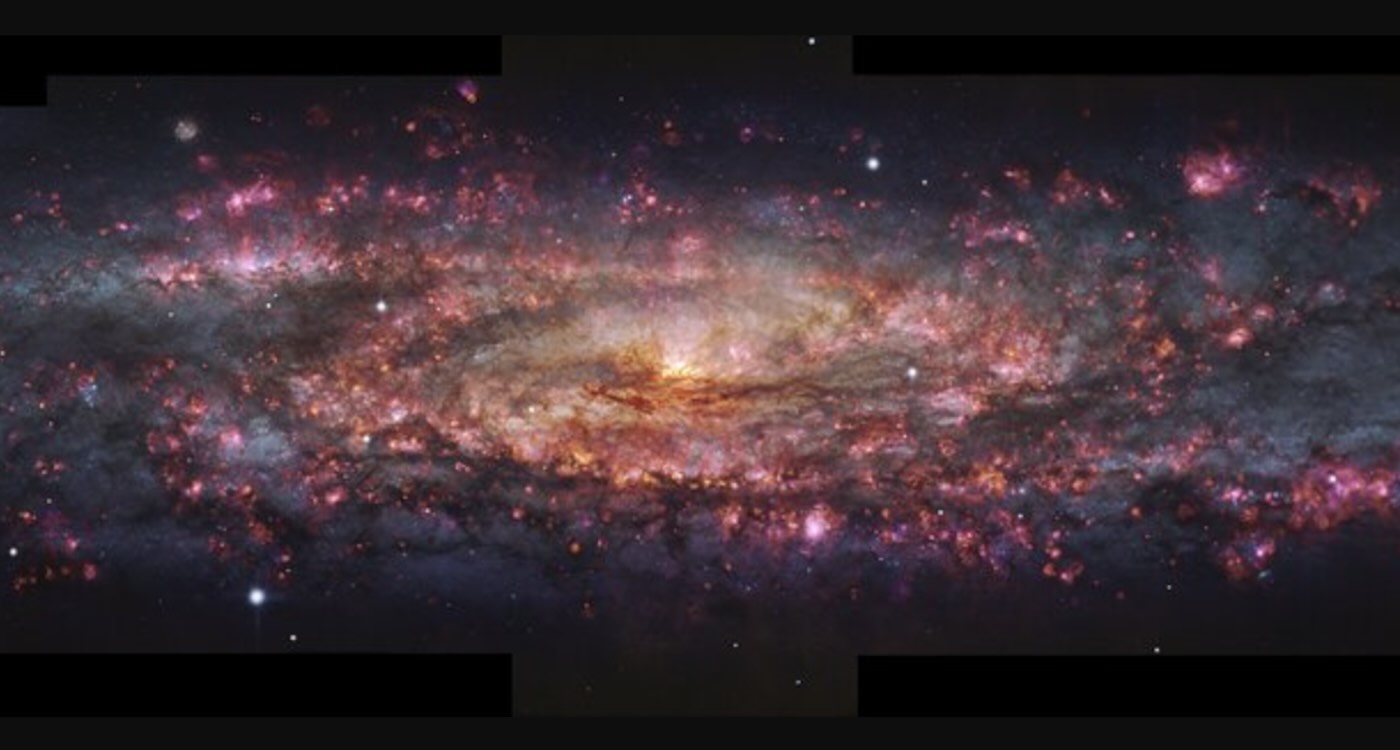
Astronomers using ESO’s Very Large Telescope captured thousands of unseen colors in the Sculptor Galaxy, revealing detailed insights into its star-forming regions and gas dynamics, thanks to 50 hours of observations and 100 exposures, enhancing our understanding of this complex galaxy 1.1 million light years away.
The European Southern Observatory's staff clean the primary mirror of the La Silla telescope in Chile to maintain its precision for space observations, particularly in the search for exoplanets, involving a delicate process of removing old coating and applying a new ultra-thin aluminum layer.
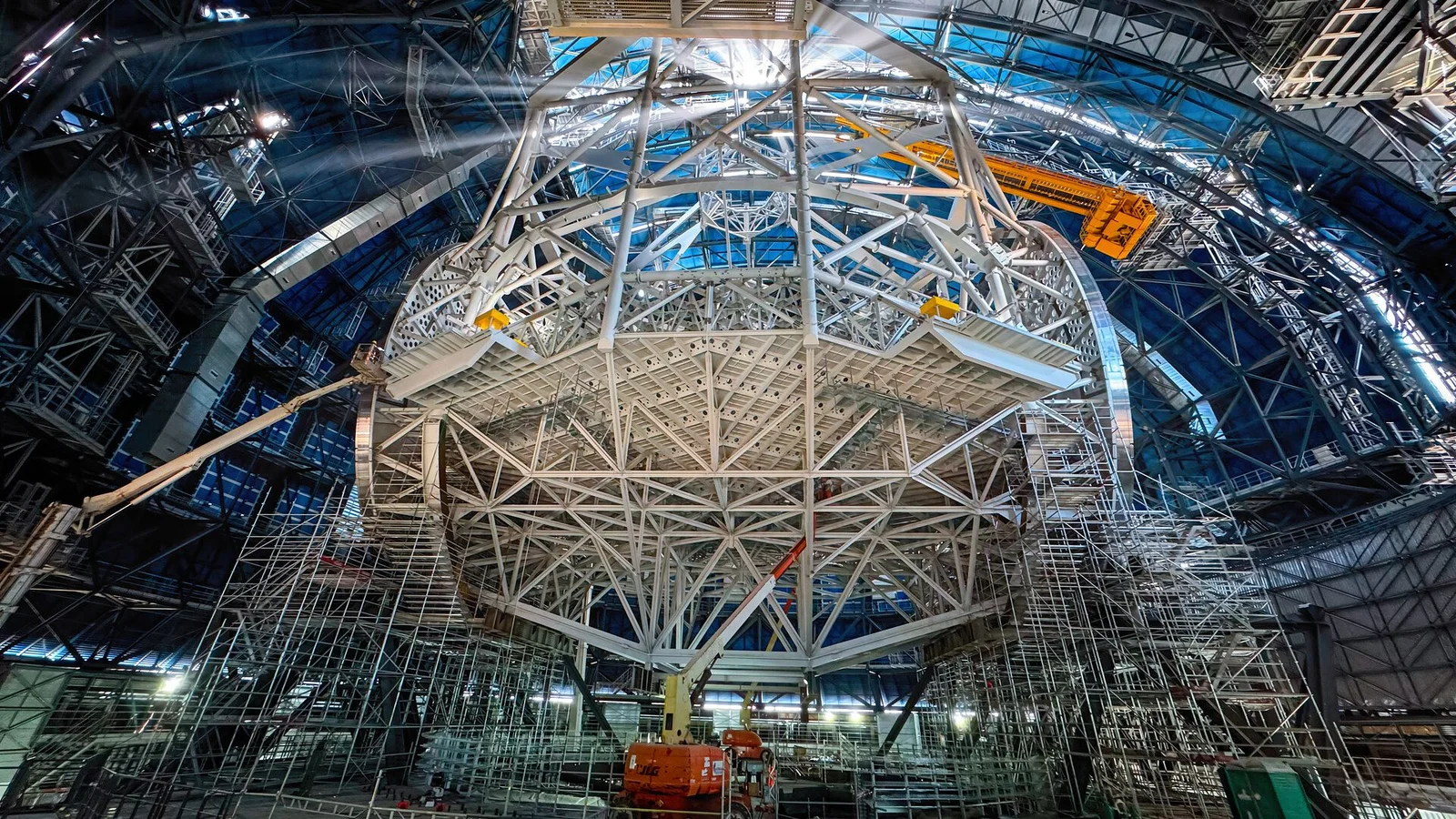
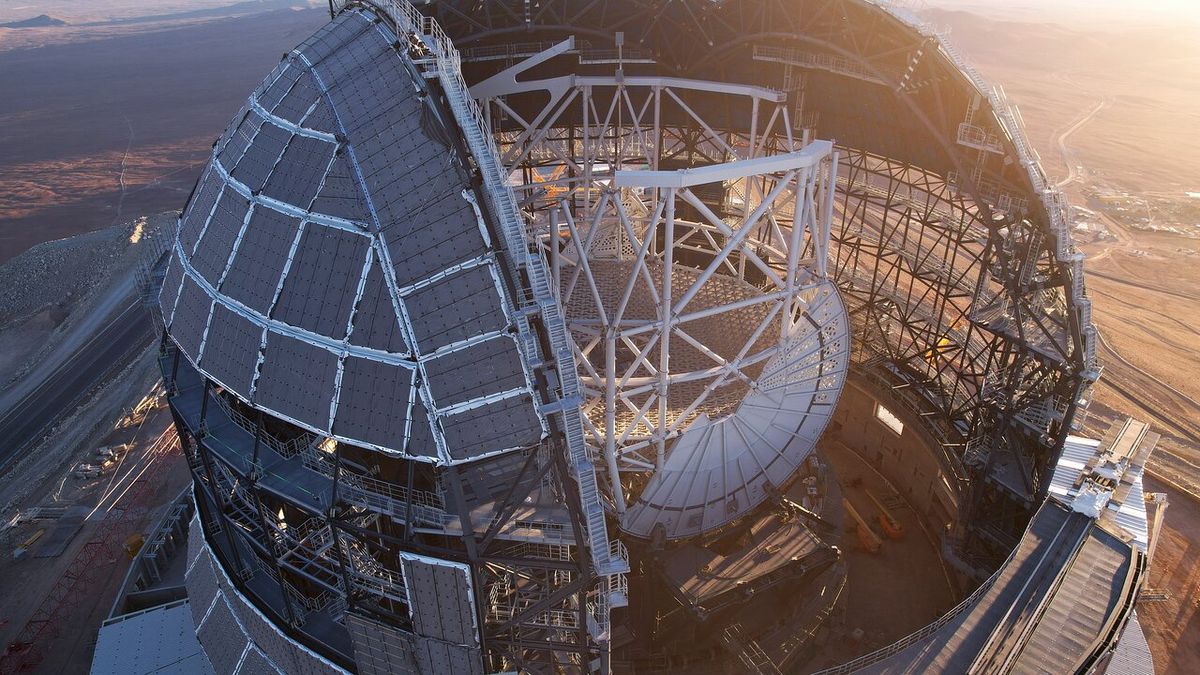
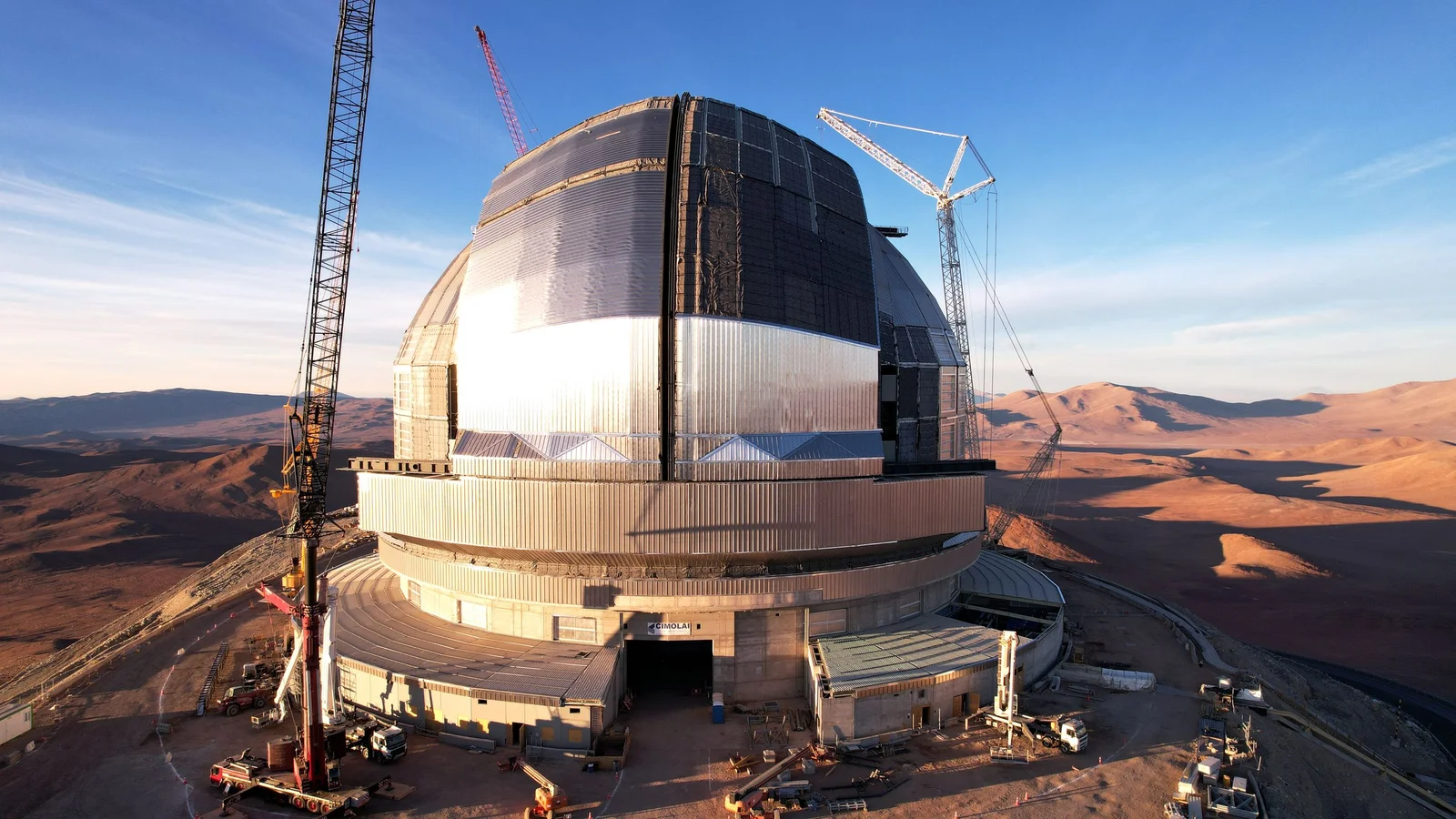
The European Southern Observatory's Extremely Large Telescope (ELT), set to be the world's largest visible- and infrared-light telescope, is under construction in Chile's Atacama Desert. Expected to achieve "first light" by 2028, the ELT aims to study exoplanets and the universe's expansion. Recent photos show significant progress on its dome and primary mirror housing. The M1 mirror will be 128 feet wide and weigh 200 tons, with the entire structure expected to be completed by 2026. The project is a major milestone for the ESO, with live updates available via webcams and drone footage.
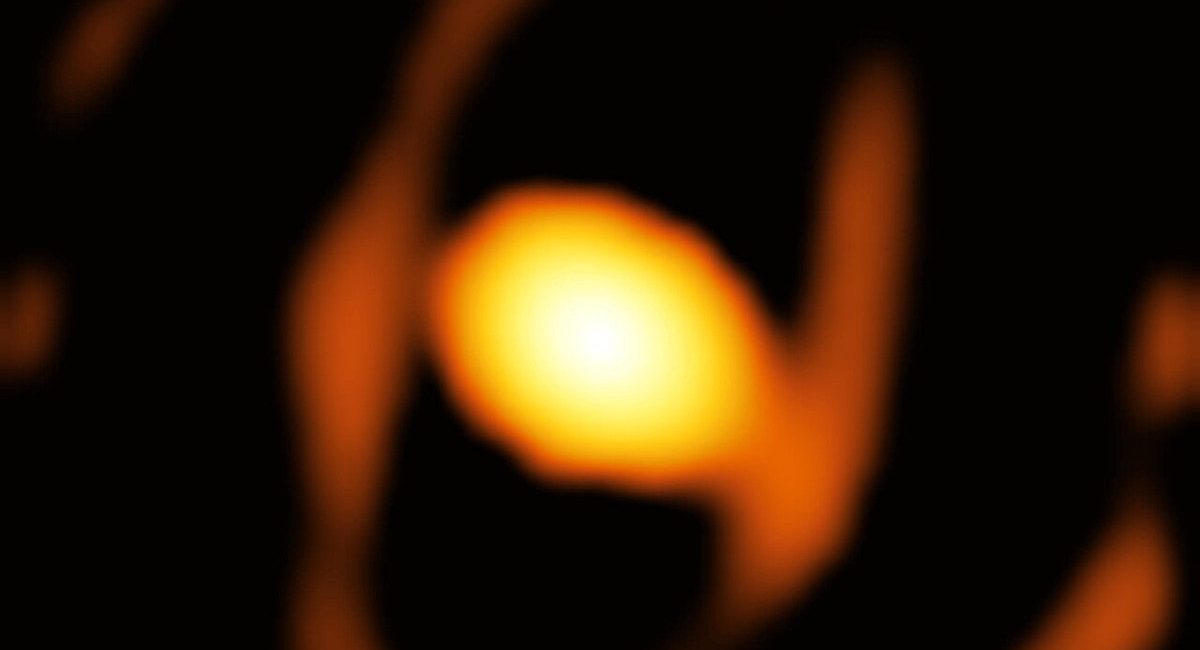
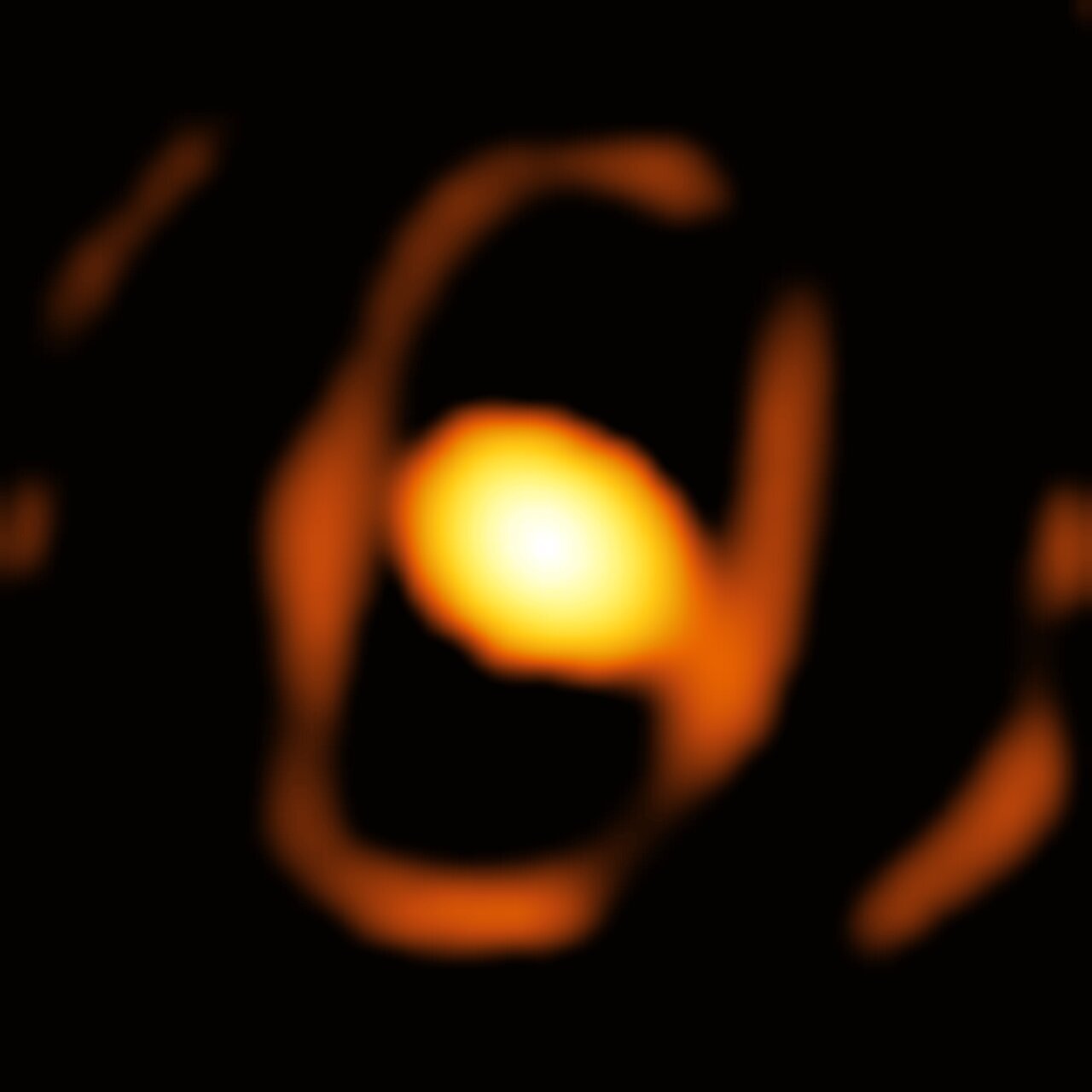
Astronomers have captured the first close-up image of a star outside our Galaxy, WOH G64, located 160,000 lightyears away in the Large Magellanic Cloud. This red supergiant, imaged using the ESO's Very Large Telescope Interferometer, is in its final life stages, shedding gas and dust before a potential supernova. The discovery offers a rare opportunity to observe a star's life cycle in real time, revealing a dimming and an egg-shaped cocoon around the star, possibly due to material ejection or an unseen companion star.
Astronomers have captured the first close-up image of a star outside the Milky Way, WOH G64, using the GRAVITY instrument on ESO's Very Large Telescope Interferometer. Located in the Large Magellanic Cloud, this red supergiant is over 160,000 light-years away and is in the final stages before a supernova. The image reveals a dusty cocoon around the star, which has dimmed over the past decade, possibly due to material shedding or an undiscovered companion star. This observation offers a rare glimpse into the life cycle of distant stars.
Astronomers studying the beautiful nebula NGC 6164/6165, also known as the Dragon's Egg, have discovered a violent history behind the stellar pair HD 148937 at its center. New data from the European Southern Observatory (ESO) suggests that the system originally had three stars, with two of them merging in a violent clash, creating the surrounding nebula and altering the system's fate. This discovery also provides direct evidence of how massive stars can acquire magnetic fields through mergers, solving a long-standing mystery in astronomy.
Astronomers have discovered the fastest-growing black hole known to date, with a mass of 17 billion suns and consuming over one sun per day, making it the most luminous object in the known Universe. The black hole powers the quasar J0529-4351, emitting more than 500 trillion times the luminous energy of the Sun. This record-breaking object was first discovered in 1980 but was only recently identified as a quasar, highlighting the challenges of finding and classifying such rare and bright celestial objects.
Recent observations of asteroids by the SPHERE instrument at the European Southern Observatory's Very Large Telescope are providing new insights into the composition and origins of these celestial bodies, suggesting that many may have formed beyond their current location in the Main Asteroid Belt. The findings indicate a bimodal density distribution among these asteroids, with implications for the history of the solar system and the potential for asteroids to have delivered water and prebiotic materials to Earth. The research is also paving the way for future studies with ESO's upcoming Extremely Large Telescope, which will further our understanding of the early solar system and the emergence of life on Earth.