Caltech researchers may have discovered the first superkilonova, a rare event where a star explodes twice in different ways, involving the formation of low-mass neutron stars within a supernova, followed by their merger producing a kilonova, challenging previous understanding of stellar explosions.
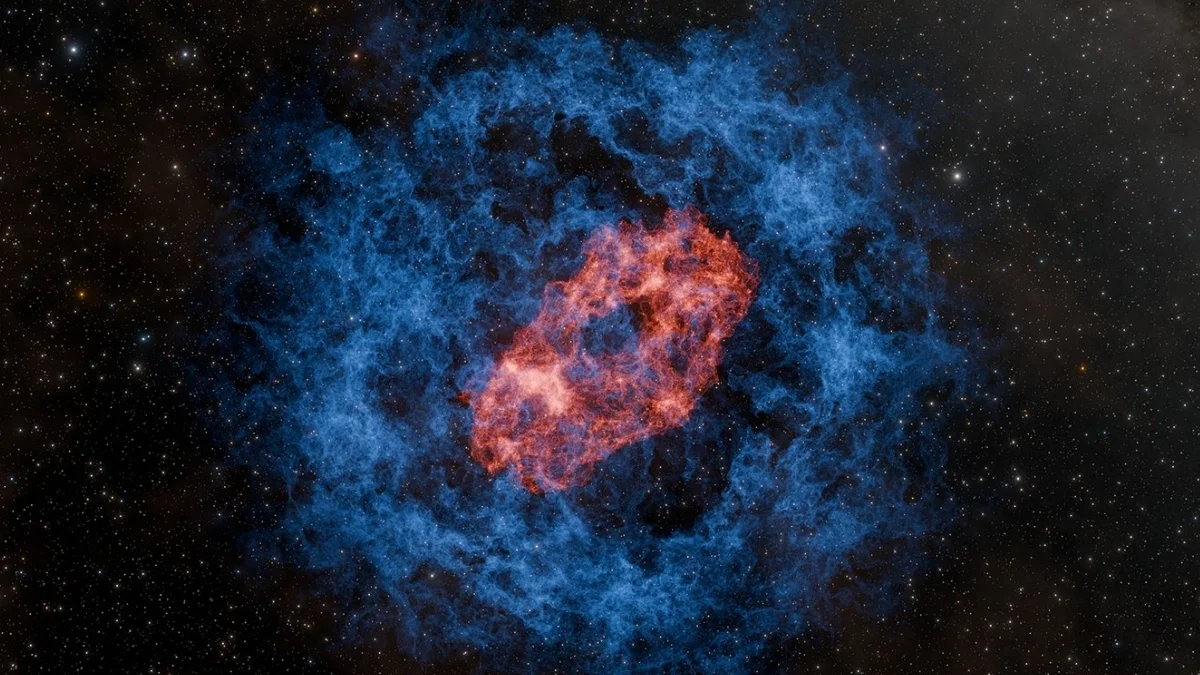
Astronomers have discovered a rare type of supernova where a star was stripped down to its heaviest elements before exploding, providing new insights into how elements essential for life are formed in stars.
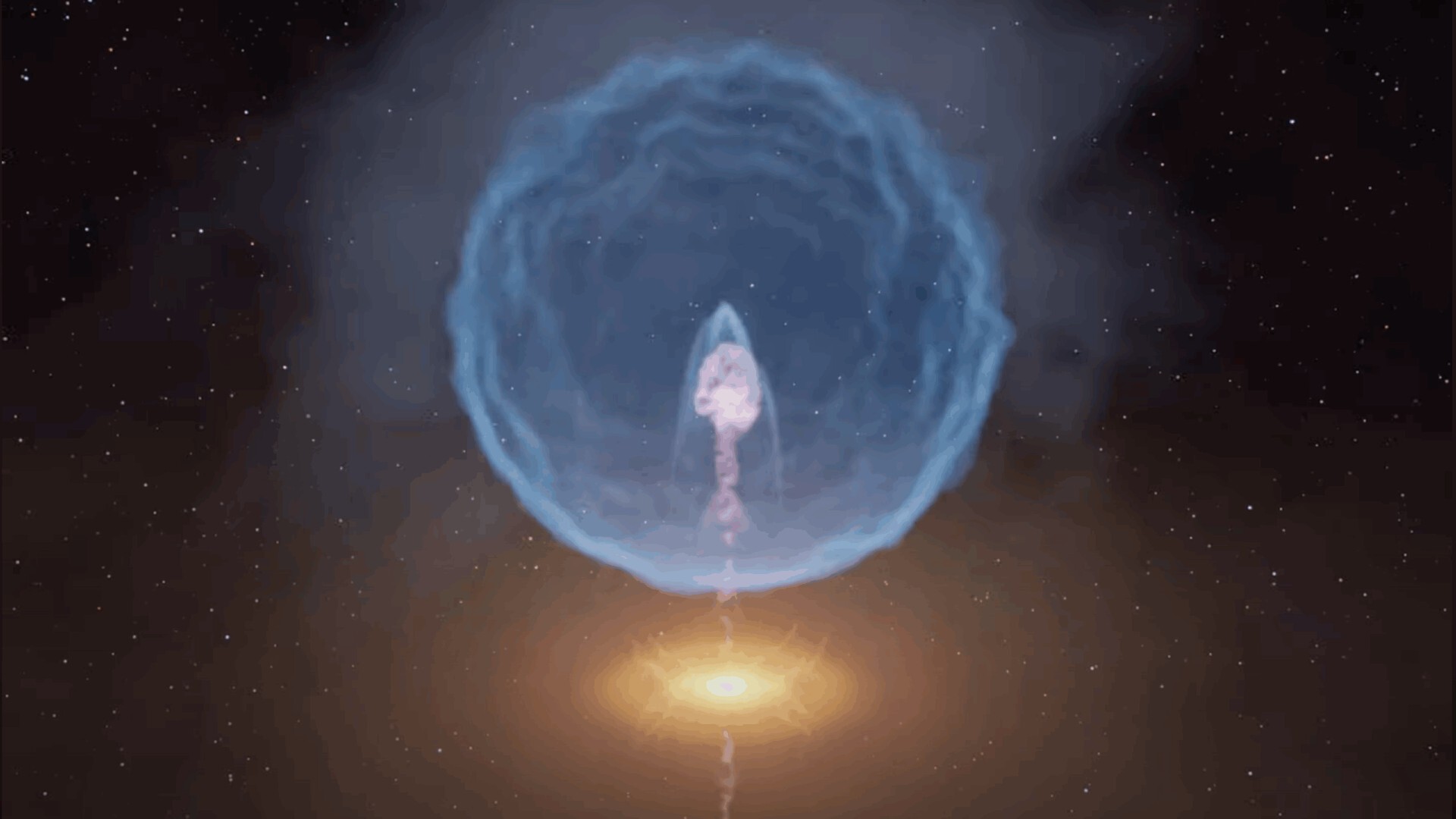
Japanese astronomers discovered a star-triggered explosion near a young star, which is distorting its surrounding protoplanetary disk, revealing that star and planet formation environments are more chaotic and intense than previously thought.
Astronomers are eagerly awaiting a nova in the T Coronae Borealis star system, expected to occur between now and the end of 2024. This rare event, visible even from urban areas, will be exceptionally bright and offers a unique opportunity for both sky watchers and scientific observation.
A star system located 3,000 light-years away is expected to become visible to the naked eye due to a nova outburst, a rare event that occurs approximately every 80 years. Known as T Coronae Borealis, or T CrB, the star last exploded in 1946 and is predicted to do so again between February and September 2024. NASA experts describe this as a "once-in-a-lifetime" event, with the star system becoming as bright as the North Star during the outburst, visible for several days and longer with binoculars.
A massive star explosion, known as a nova, is expected to occur in the Milky Way, visible to the naked eye, as T Coronae Borealis is set to explode at some point before September 2024. This event, which happens every 80 years, is dubbed a "once-in-a-lifetime thing" by a NASA astronomer. To catch a glimpse, observers should look towards the constellation Corona Borealis, with the explosion likely reaching the brightness of the North Star. No specific date has been given, but updates can be found on NASA's social media, and the spectacle will be visible for a few days with the naked eye and over a week with binoculars.
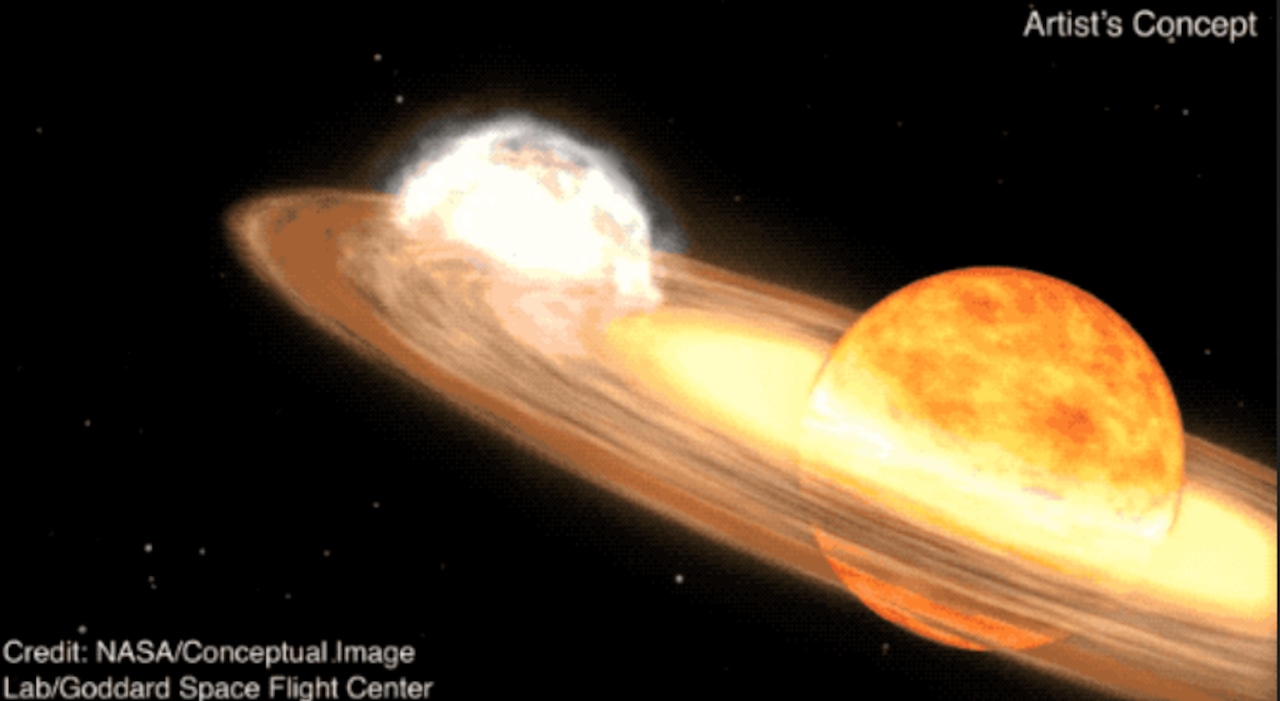
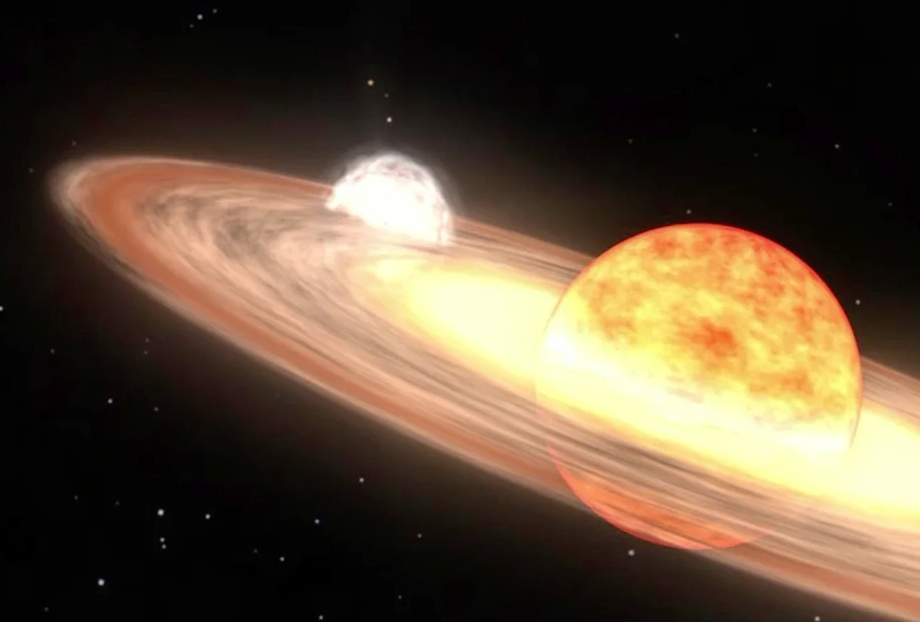
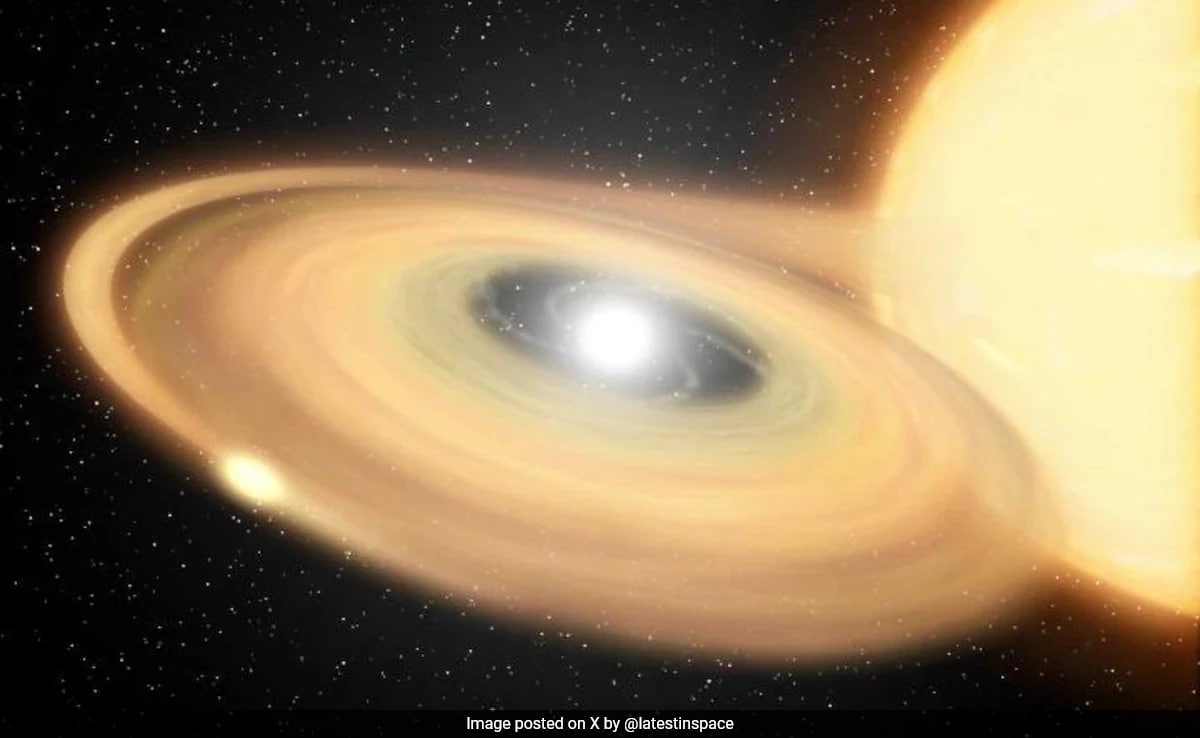
A massive star explosion from the T Coronae Borealis (T CrB) star, located 3,000 light-years away, is expected to light up the night sky for the first time since 1946. This once-in-a-lifetime event, visible to the naked eye, could occur anytime between now and September 2024. The explosion, caused by a binary system of a red giant and a white dwarf, will make the star as bright as the North Star and will be closely observed by NASA using the James Webb Telescope.
A massive explosion in a binary star system in the constellation Corona Borealis, located 3,000 light years from Earth, is set to flare up in the night sky, offering amateur astronomers a rare opportunity to witness this event. The explosion, which occurs approximately every 80 years, will make the star system visible to the naked eye and appear as bright as the North Star for a few days. This recurring nova, known as T Coronae Borealis or "Blaze Star," is the result of a runaway nuclear reaction between a red giant and a white dwarf in a deadly embrace. Astronomers are eagerly anticipating the event, and the James Webb space telescope will also be observing the outburst.
The recurring nova T Coronae Borealis, located 3,000 light years from Earth, is expected to undergo a massive explosion visible in the night sky over the next five months, offering a rare opportunity for amateur astronomers to witness this extraordinary event. This binary star system, known as the "Blaze Star," experiences periodic outbursts due to interactions between its white dwarf and red giant stars, resulting in a runaway nuclear explosion and the temporary appearance of a new, bright star in the night sky. Astronomers are eagerly anticipating the event, which will be observable without advanced technology, and the James Webb space telescope will also be directed towards the phenomenon.
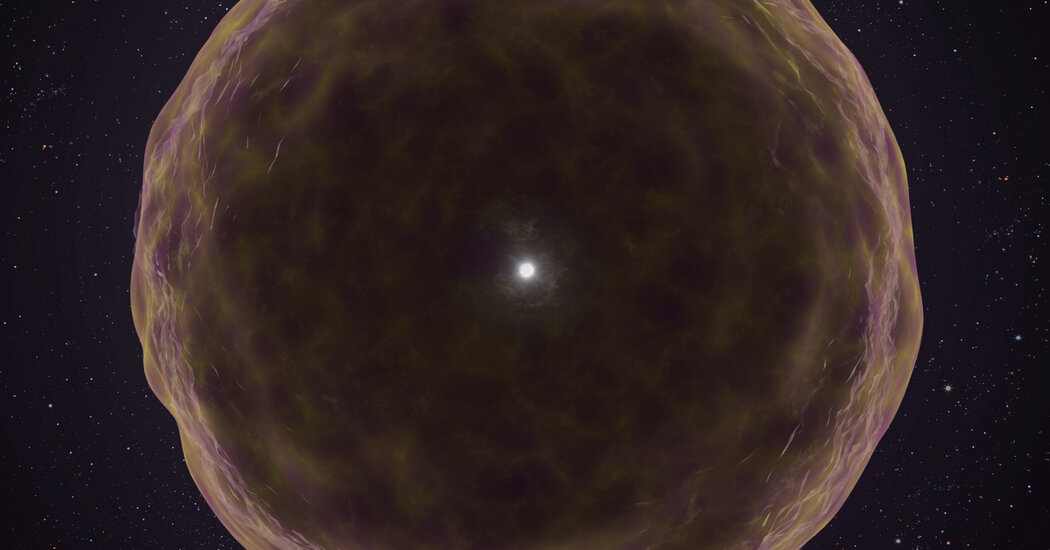
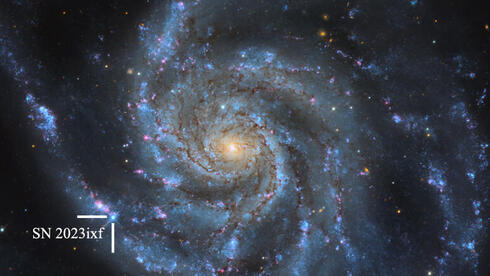
Scientists at the Weizmann Institute of Science have captured unprecedented detail of a supernova in a neighboring galaxy using the Hubble Space Telescope, shedding light on the processes leading to these explosive events. By studying the explosion and the star's final years, they have gained new insights into the mechanisms behind supernovae, including the potential formation of a black hole. This research offers a rare opportunity to better understand the complex processes that occur in a star's core as it approaches its demise, providing valuable data to unravel the mysteries of the universe.
Scientists at Israel's Weizmann Institute of Science observed a supernova in real time using NASA's Hubble Space Telescope, providing a comprehensive look at a star's explosion in a nearby galaxy. This breakthrough offers valuable insights into the cosmic cycle of life, creation, and death, shedding light on the formation of neutron stars and black holes. The researchers' timely observation and data collection have significantly advanced our understanding of supernovae and their role in shaping the universe.
The rare celestial phenomenon of the T Coronae Borealis (T CrB) star explosion, set to occur sometime between now and September, will light up the Corona Borealis constellation for about a week, reaching a brightness comparable to the North Star, Polaris. This event, classified as a nova, results from the interaction of a white dwarf and a red giant star, triggering an enormous thermonuclear explosion. Unlike a supernova, the star system survives, and the nova is expected to be visible to the naked eye for several days, offering a unique opportunity to witness the ephemeral yet awe-inspiring nature of celestial phenomena.
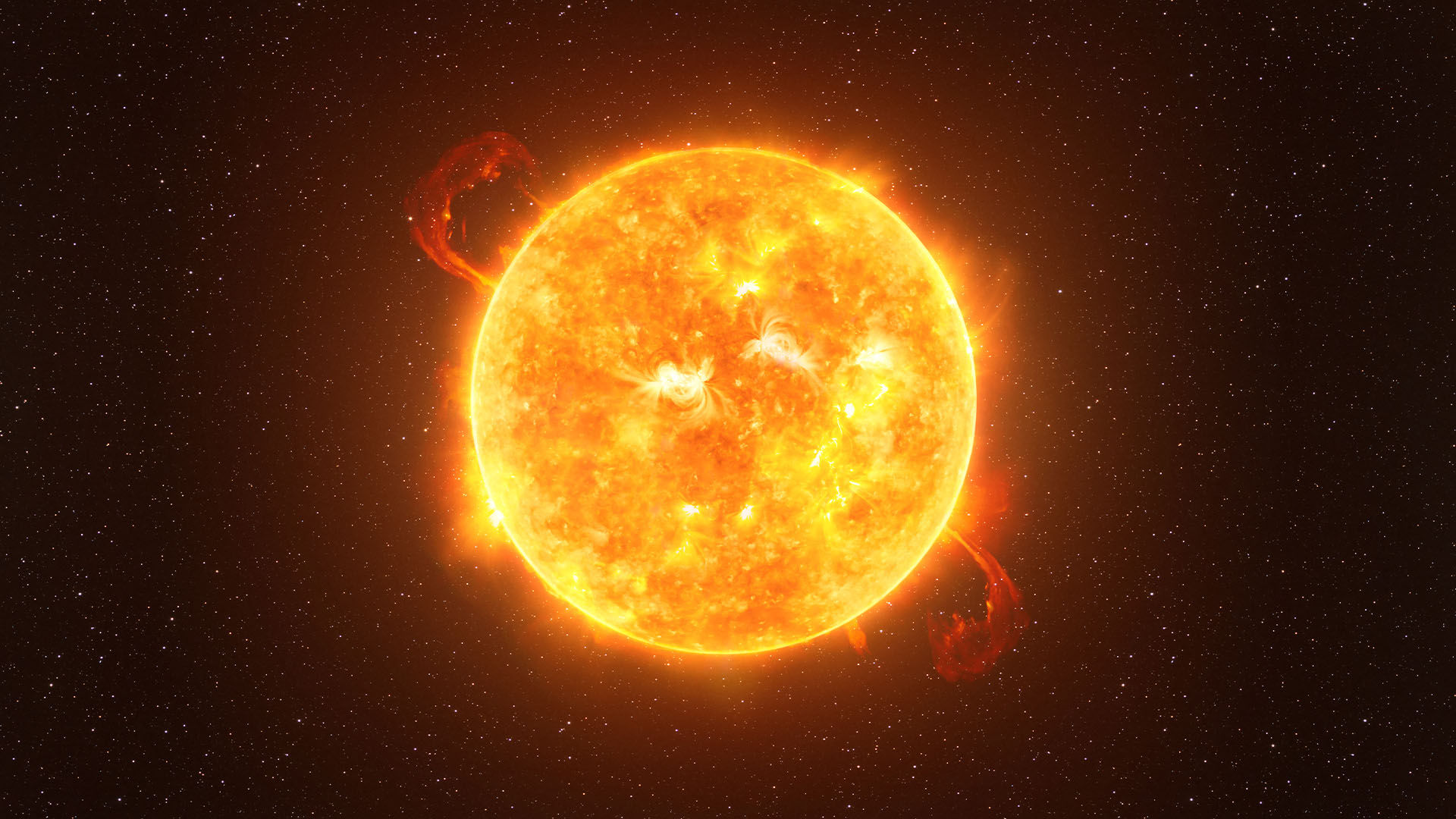
Betelgeuse, one of Earth's closest star neighbors, may explode in a giant supernova within our lifetime, according to a new study. The research suggests that Betelgeuse is in the late stages of its life, with oscillations indicating a decreasing brightness at an accelerating rate. If the hypothesis is correct, the star could shine brighter than the moon for several weeks or even months before fading from the Orion constellation forever. However, most astronomers believe Betelgeuse is younger and do not expect it to explode anytime soon.