Tag

Nova Outburst

All articles tagged with #nova outburst

astronomy1 year ago

"Get Ready to Witness a Rare Nova Explosion: A Once-in-a-Lifetime Opportunity"

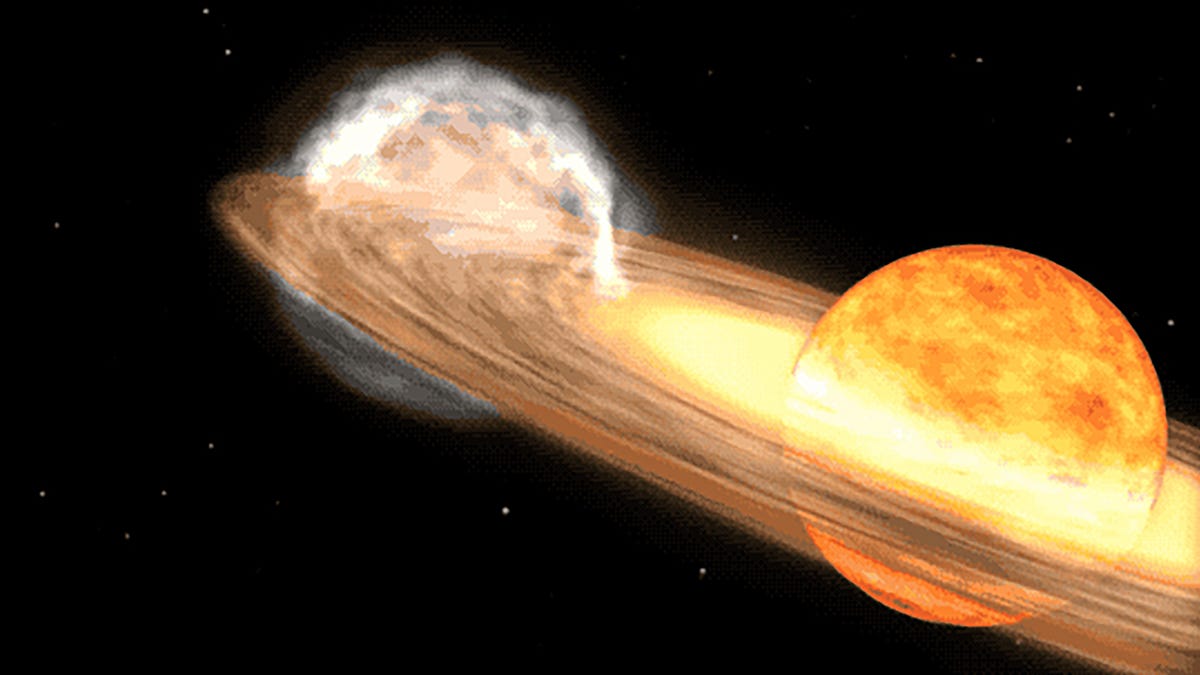
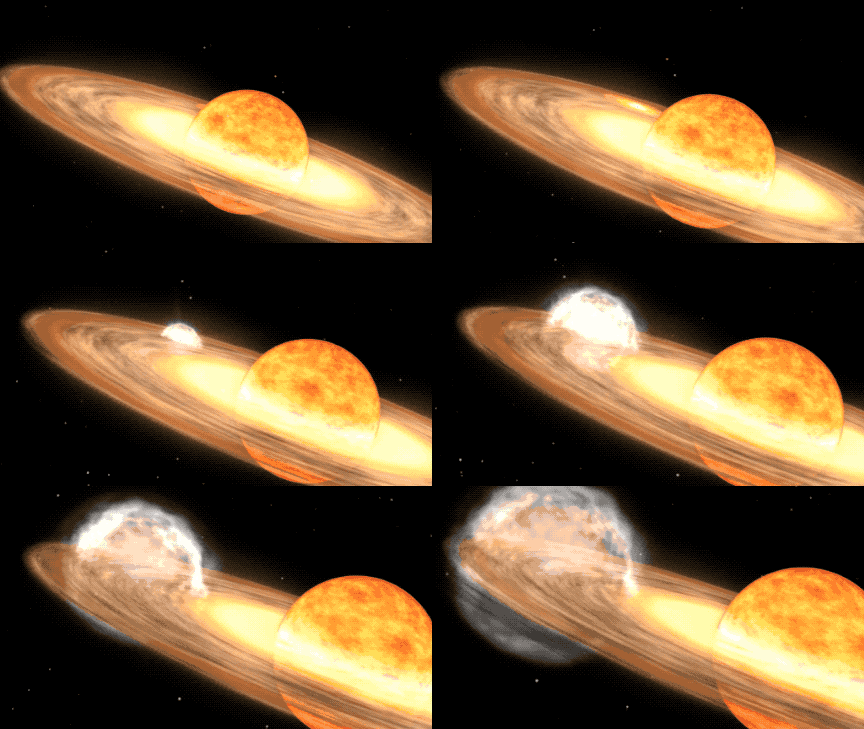
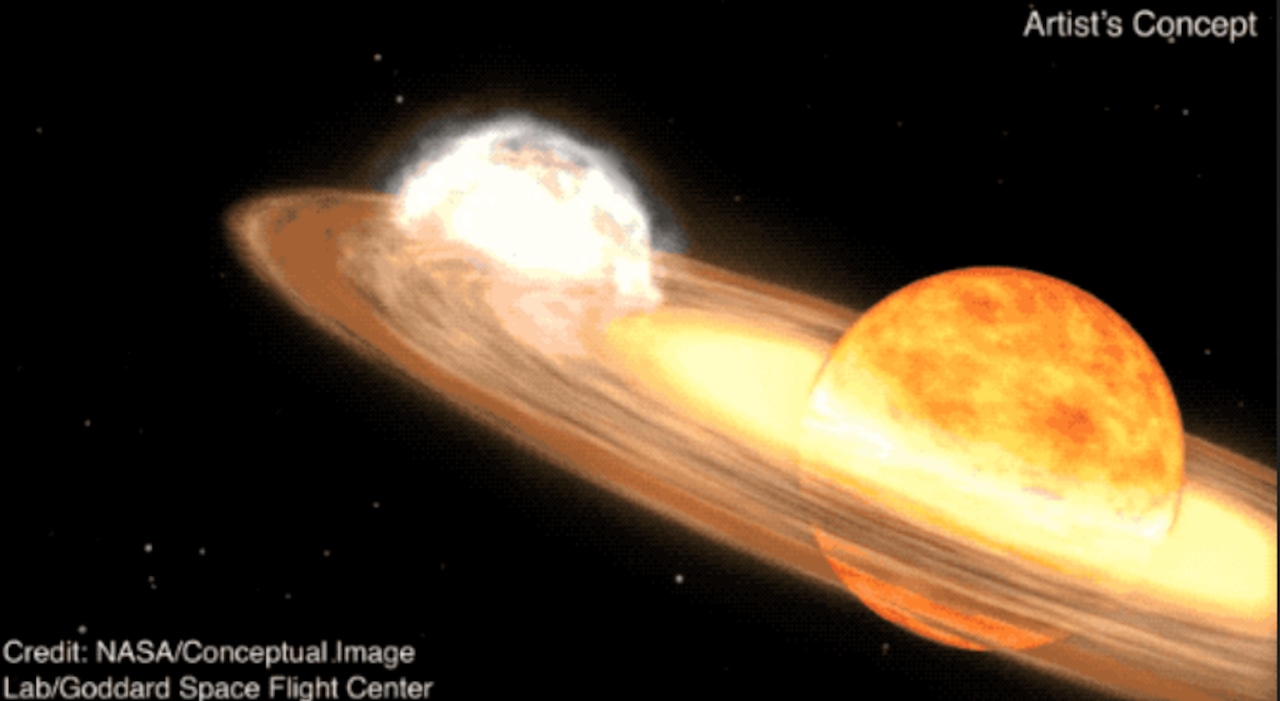
A star system located 3,000 light-years away is expected to become visible to the naked eye due to a nova outburst, a rare event that occurs approximately every 80 years. Known as T Coronae Borealis, or T CrB, the star last exploded in 1946 and is predicted to do so again between February and September 2024. NASA experts describe this as a "once-in-a-lifetime" event, with the star system becoming as bright as the North Star during the outburst, visible for several days and longer with binoculars.
astronomy1 year ago

"Get Ready to Witness a Once-in-a-Lifetime Exploding Star Event in Florida"

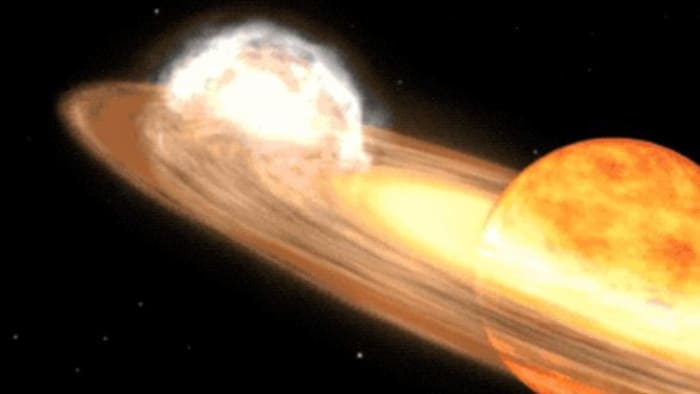
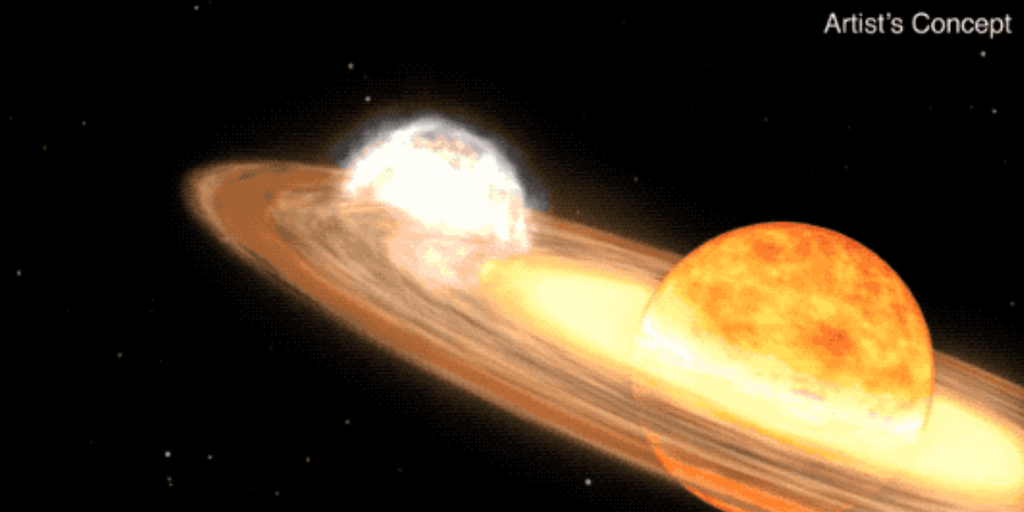
A nova outburst from the T Coronae Borealis star system is expected to be visible in the night sky over Florida sometime between now and September 2024, providing a rare opportunity for skywatchers. This recurring event, which occurs roughly every 80 years, is caused by a binary system consisting of a red giant and a white dwarf. While the exact timing is uncertain, the burst is expected to make the star system as bright as the North Star and remain visible to the naked eye for several days. Astronomers recommend looking for the "new" star within the Corona Borealis constellation and staying updated through NASA Universe for the event.

astronomy1 year ago

"Rare Nova Explosion to Create Spectacular 'New Star' in Night Sky"

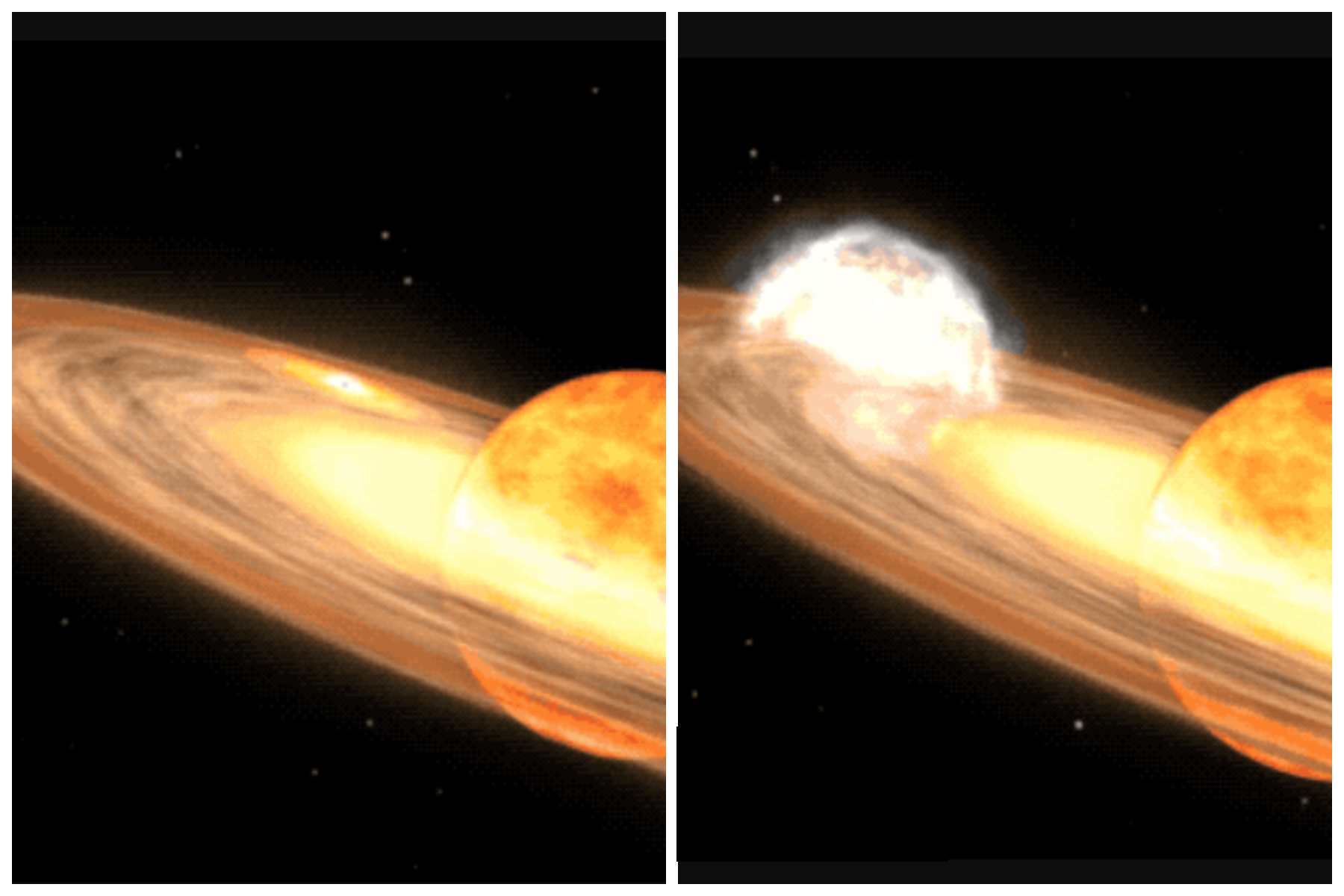
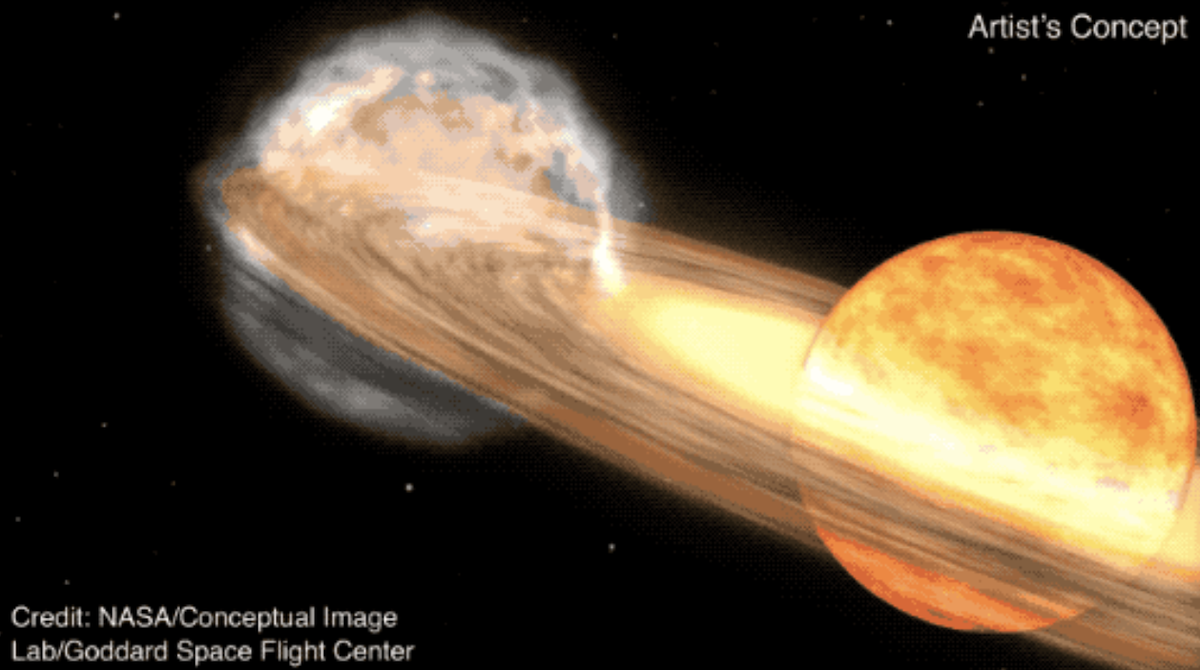
A binary star system known as T Coronae Borealis, located 3,000 light years away, is expected to undergo a massive explosion, creating the appearance of a "new" star in the night sky visible to the naked eye for several days and with binoculars for weeks. This celestial event, known as a Nova outburst, is caused by a white dwarf star accumulating hydrogen from a red giant star, resulting in an uncontrolled thermonuclear explosion. The T CrB system, a reoccurring nova, is one of only five in our galaxy, and the upcoming explosion is anticipated to occur before October 2024, making the star as bright as Polaris, the North Star, and visible in the constellation Corona Borealis in the northern sky.

astronomy1 year ago

"Get Ready for a Once-in-a-Lifetime Nova Outburst: A 'New' Star in the Night Sky"

The white dwarf T Coronae Borealis, located 3,000 light-years away, is expected to undergo a nova outburst, making it visible for a limited time as bright as the North Star, Polaris. This rare event, last observed in 1946, is anticipated to occur between now and September and will appear as a "new" bright star in the constellation Corona Borealis. NASA suggests stargazers look to the sky in the coming weeks for this once-in-a-lifetime viewing opportunity, as the outburst is caused by a white dwarf gathering enough hydrogen-filled matter from an aging star, leading to a thermonuclear reaction.

astronomy1 year ago

"Rare Nova Outburst Creates 'New' Star in Once-in-a-Lifetime Sky Event"

The distant stellar system T Coronae Borealis (T CrB) is expected to explode for the first time since 1946, briefly shining brighter than the North Star Polaris, due to a recurring nova event caused by a white dwarf stripping the atmosphere of a red giant in a binary system. This rare event, expected between February and September 2024, will create a new star visible in the night sky, providing a unique opportunity for stargazers and offering insights into astrophysics and cosmology.

astronomy1 year ago

"Rare Nova Explosion: A Stargazer's Guide to Witnessing a New Star"

A once-in-a-lifetime nova outburst in the star system T Coronae Borealis, visible to the naked eye, will light up the night sky this year, providing an exciting opportunity for amateur astronomers and astrophysicists. Astrophysicist Jonathan Blazek explains that novae occur when a white dwarf strips gas from a red giant, leading to a thermonuclear reaction that makes the white dwarf brighter. These events are crucial for understanding the cosmos and may lead to the discovery of dark energy. This particular nova is of interest because it is a prime candidate for Type 1a supernovae, which are essential for mapping the universe.

astronomy1 year ago

"Rare Nova: Witness the Birth of a 'New Star' in the Night Sky"

A "once-in-a-lifetime" nova outburst is expected to light up the night sky between now and September 2024, as the star T Coronae Borealis (T CrB) is predicted to explode, becoming as bright as the North Star. This rare celestial event, which hasn't occurred since 1946, will be visible for at least a week and can be observed in the constellation Corona Borealis. Stargazers are advised to keep an eye out for this extraordinary astronomical phenomenon.

astronomy1 year ago

"Guide to Observing This Year's Rare Nova Igniting a 'New Star' in the Sky"

A rare nova outburst from the T Coronae Borealis star system, expected to occur between February and September 2024, will offer a once-in-a-lifetime skywatching opportunity as it becomes visible in the constellation Corona Borealis. This event, occurring approximately every 80 years, will appear as a bright "new" star in the night sky, reaching a magnitude comparable to the North Star. The outburst is triggered by a white dwarf siphoning material from its red giant companion, leading to a brief flash of nuclear fusion. This binary star system, located 3,000 light-years away, is one of only five recurrent novae observed within the Milky Way galaxy.

astronomy1 year ago

"Rare Chance to Witness Nova Explosion in Northern Crown"

A star system, T Coronae Borealis, located 3,000 light-years away, is expected to become visible to the naked eye during a nova outburst, a rare event occurring approximately every 80 years. This event, predicted to happen between February and September 2024, will elevate the star's brightness to a level similar to the North Star, Polaris, making it visible for several days and with binoculars for just over a week before dimming again. The outburst will appear as a "new" bright star in the constellation Corona Borealis, and it is one of only five recurring novas in our galaxy, caused by a binary system with a white dwarf and red giant.