Tag

Amateur Astronomers

All articles tagged with #amateur astronomers

astronomy1 year ago

"2023's Spectacular Celestial Events: A Year of Rare Cosmic Phenomena"

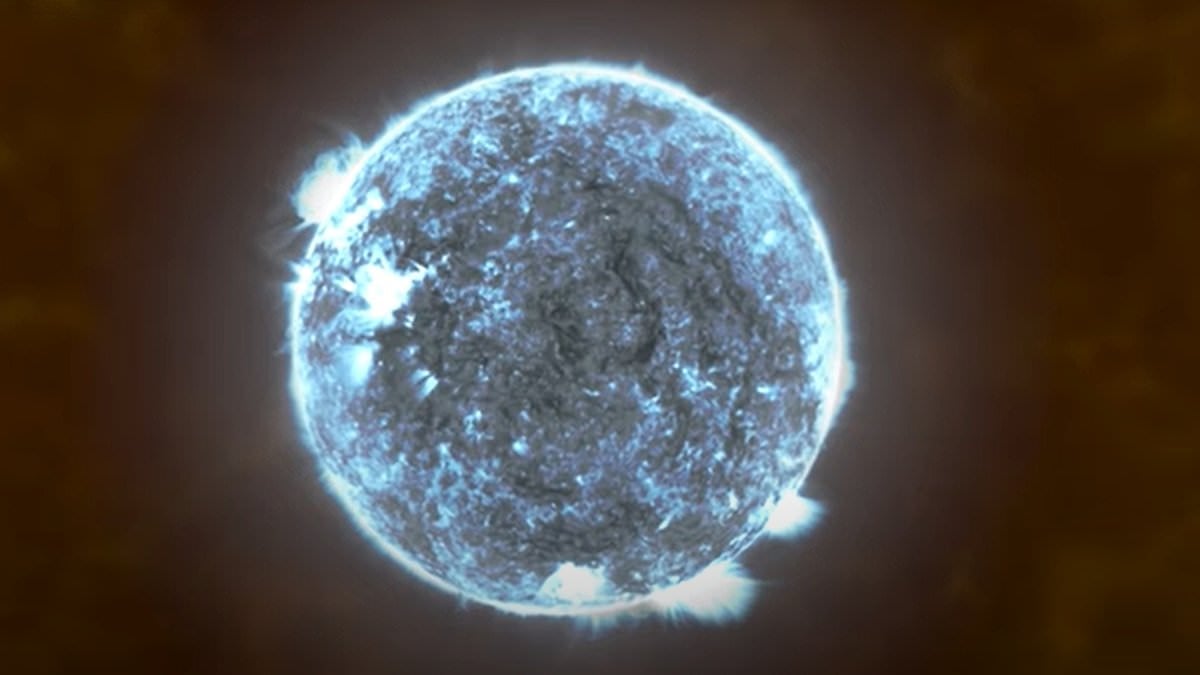
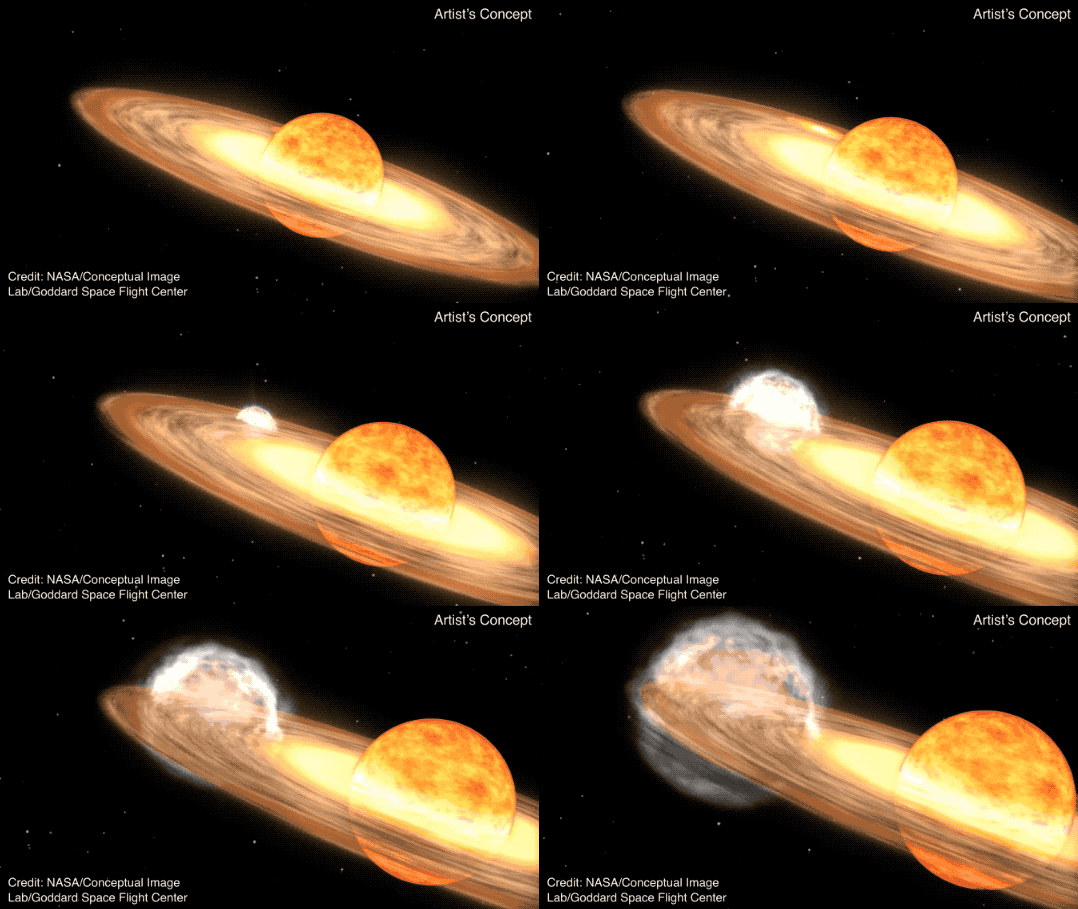
Astronomers are eagerly awaiting the appearance of T Coronae Borealis, a recurrent nova that erupts every 80 years, causing a brief but intense brightening in the Northern night sky. The eruption, which could occur anytime between now and September, will be visible to the naked eye for only a week. This rare celestial event is the result of a white dwarf star consuming material from its red giant companion, triggering powerful nuclear fusion reactions. Amateur astronomers are closely monitoring the star, and the eruption will be observed using both professional and backyard telescopes.
astronomy1 year ago

"Rare Celestial Event: Massive Star Explosion to Illuminate Sky"

The recurring nova T Coronae Borealis, located 3,000 light years from Earth, is expected to undergo a massive explosion visible in the night sky over the next five months, offering a rare opportunity for amateur astronomers to witness this extraordinary event. This binary star system, known as the "Blaze Star," experiences periodic outbursts due to interactions between its white dwarf and red giant stars, resulting in a runaway nuclear explosion and the temporary appearance of a new, bright star in the night sky. Astronomers are eagerly anticipating the event, which will be observable without advanced technology, and the James Webb space telescope will also be directed towards the phenomenon.

astronomy1 year ago

"Revised Path of 2024 Total Solar Eclipse: Impact and Celebration Plans"

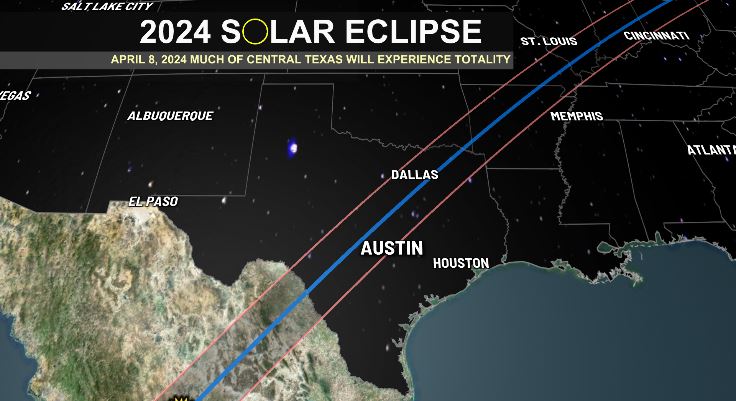
A new report by amateur astronomers suggests that the path of the upcoming April 8 eclipse may have shifted north in some areas and become narrower due to adjustments accounting for the Moon and Earth's topography, potentially impacting towns like Comanche, Eagle Mountain, Elizabethtown, Krugerville, and Dorchester in Texas. Only areas within 100% of the eclipse's path of totality will see the total eclipse, and towns along the southern edge of the path may need to move less than a mile north to still witness it. Professional space organizations like NASA have not yet published a similar map.

astronomy1 year ago

"Photographing Rare Comet C/2021 S3 PanSTARRS to Protect Earth from the Sun"

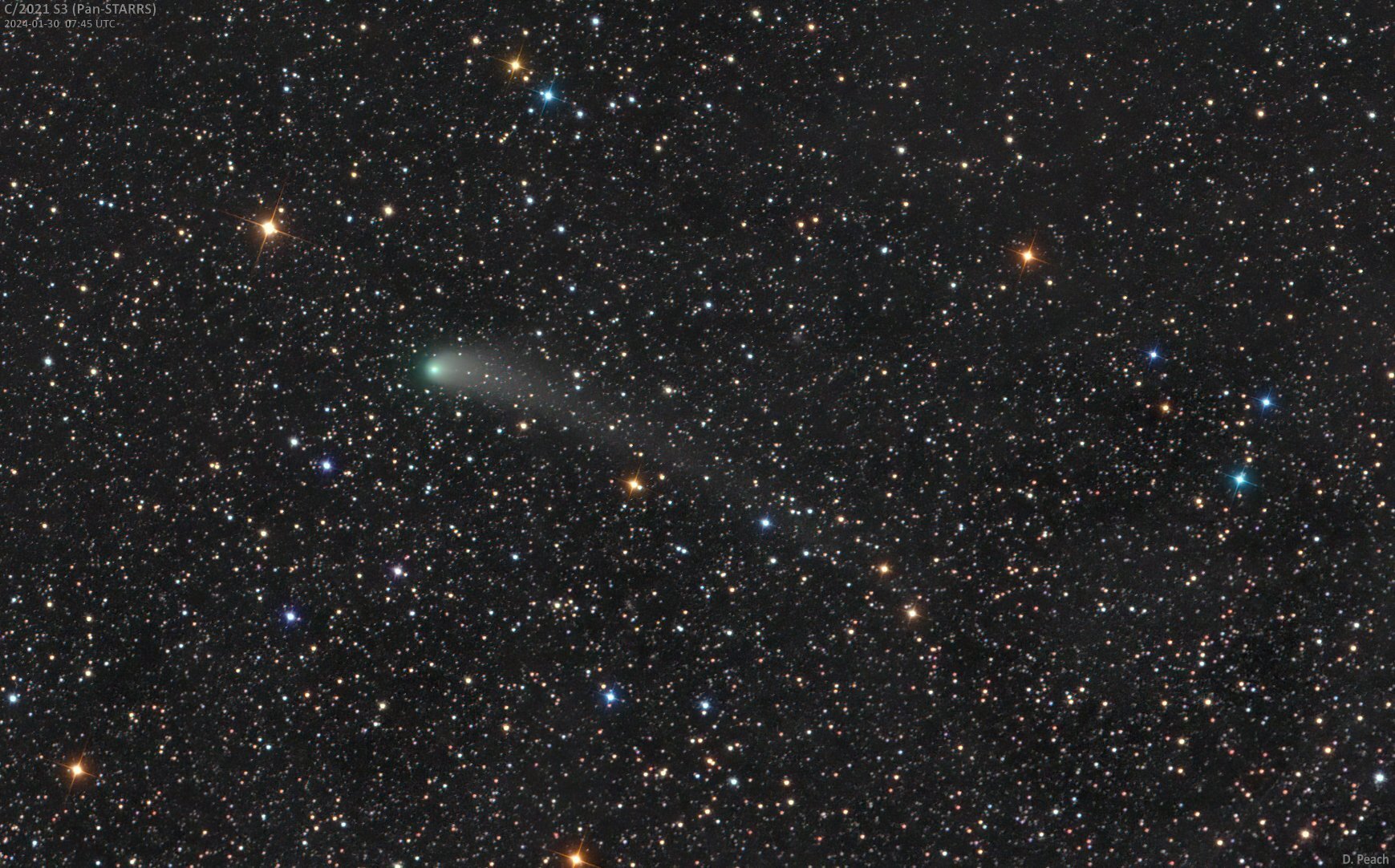
Comet C/2021 S3 Pannstars is set to pass by Earth, and scientists are seeking images from amateur astronomers to study its tail and improve forecasts of space weather, which are crucial for preventing damage caused by solar winds. The comet, visible in the night sky, may appear different as its tail could detach due to solar winds. Photographers are encouraged to capture the comet and send their images to contribute to important scientific research. Understanding solar wind is essential for improving space weather forecasts and preventing potential damage to Earth's infrastructure.

science-and-astronomy1 year ago

"Amateur Astronomers: Unsung Heroes of Scientific Photography"

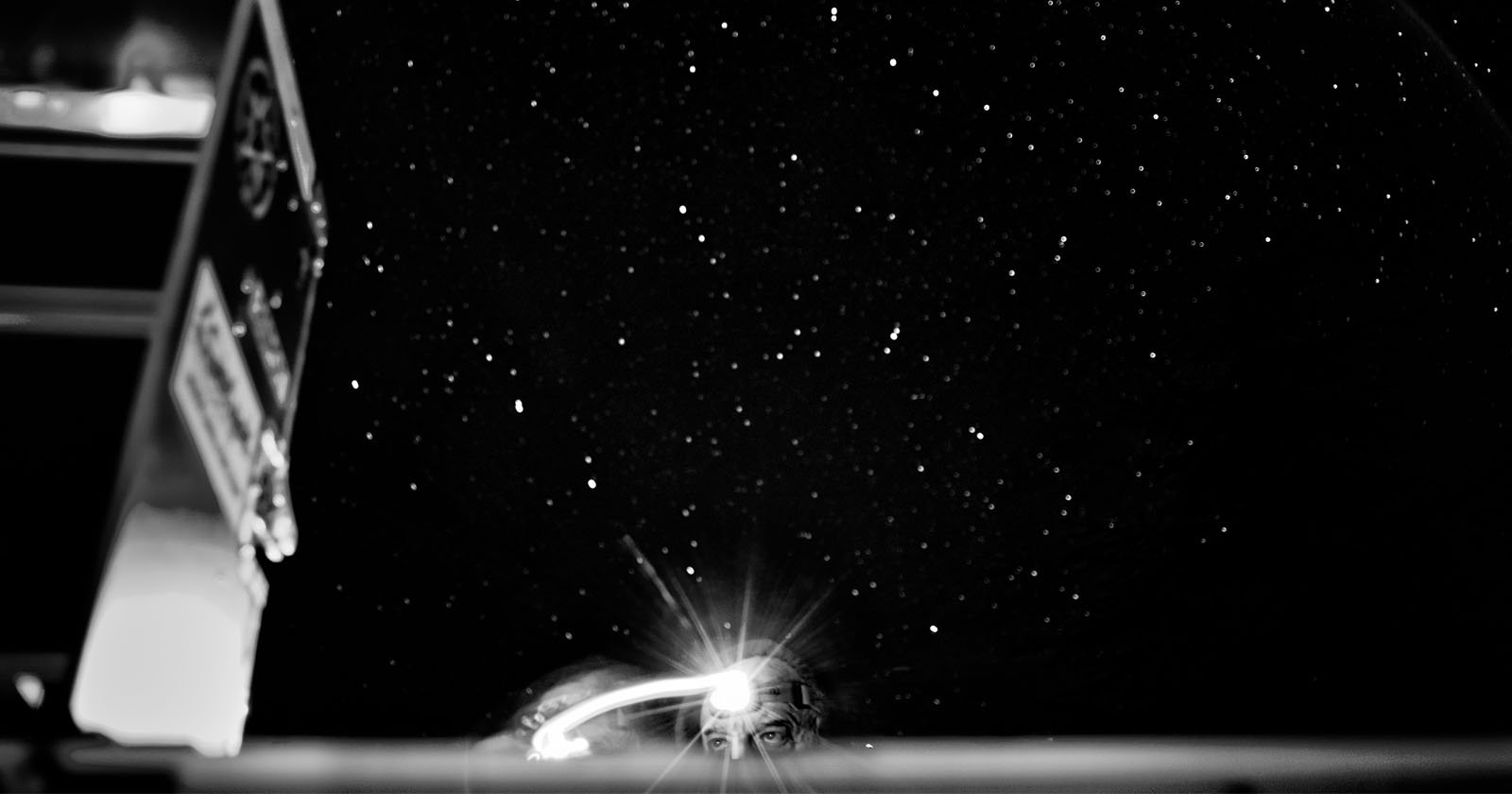
Photographer Dan Homer spent five years traveling the world to capture black and white photos of amateur astronomers who have made significant contributions to scientific research, showcasing their environments and the impact of their work. These citizen scientists, often located in remote areas, have aided astrophysics with their unpaid and voluntary efforts, proving valuable due to their geographical positioning. Homer's project, "Route de la Belle Etoile," is currently crowdfunding on Kickstarter to release as a book, highlighting the global network of amateur astronomers and their meaningful role in scientific discovery.

space-science2 years ago

"Join NASA in Unraveling Cosmic Mysteries"

NASA is enlisting amateur astronomers to help decode the origins of gamma-ray bursts through the Burst Chaser project, where volunteers classify and submit findings of these cosmic events detected by the Neil Gehrels Swift Observatory telescope. These bursts, among the most energetic explosions in the universe, remain a mystery in terms of their characteristics and origins. The project has garnered over 1,200 volunteers and aims to provide insights into extreme cosmic environments and the formation of the universe.

astronomy2 years ago

"Blink Out: Witness the Disappearance of Betelgeuse, One of the Brightest Stars"

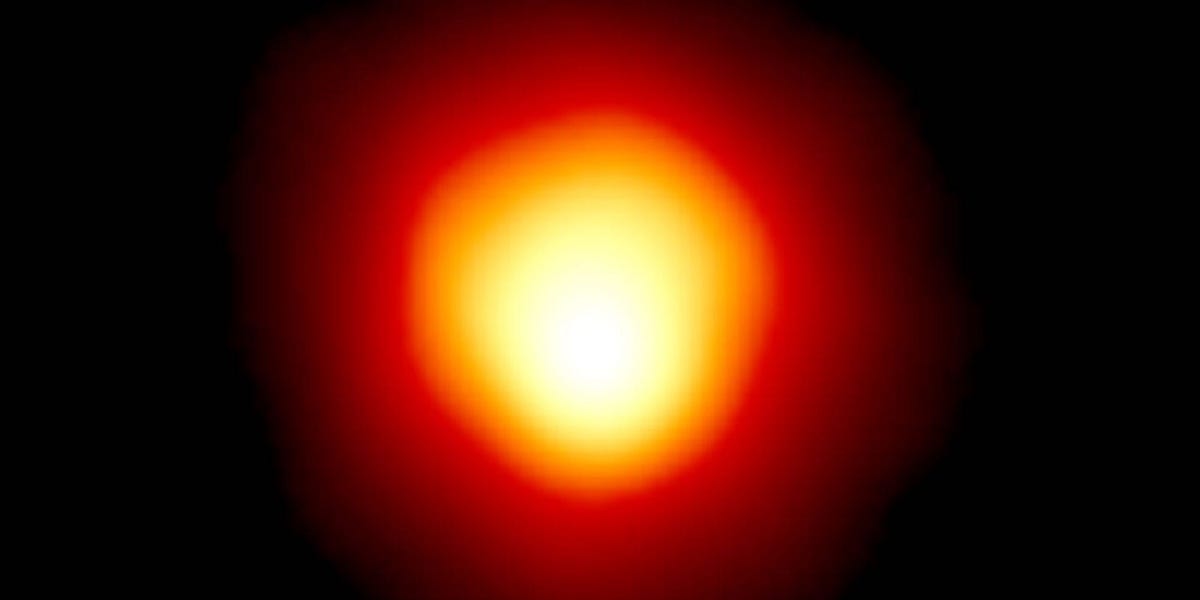
Betelgeuse, one of the brightest stars in the sky, will almost disappear on December 12 due to an asteroid named 319 Leona blocking its view from Earth for up to five seconds. This rare event presents a "once-in-a-lifetime opportunity" for amateur astronomers to gather valuable data about Betelgeuse and its convective cells, shedding light on the birth of planetary systems. Scientists hope to understand how hot, charged gas moves around dying stars and how they launch their stellar wind. Observers within a narrow path across southern Europe to southern Florida can participate by recording the star's dimming through telescopes and sharing their observations with local groups. The Virtual Telescope Project will also live-stream the event for those unable to witness it in person.

astronomy2 years ago

Catch Mercury at its peak in the morning sky this weekend

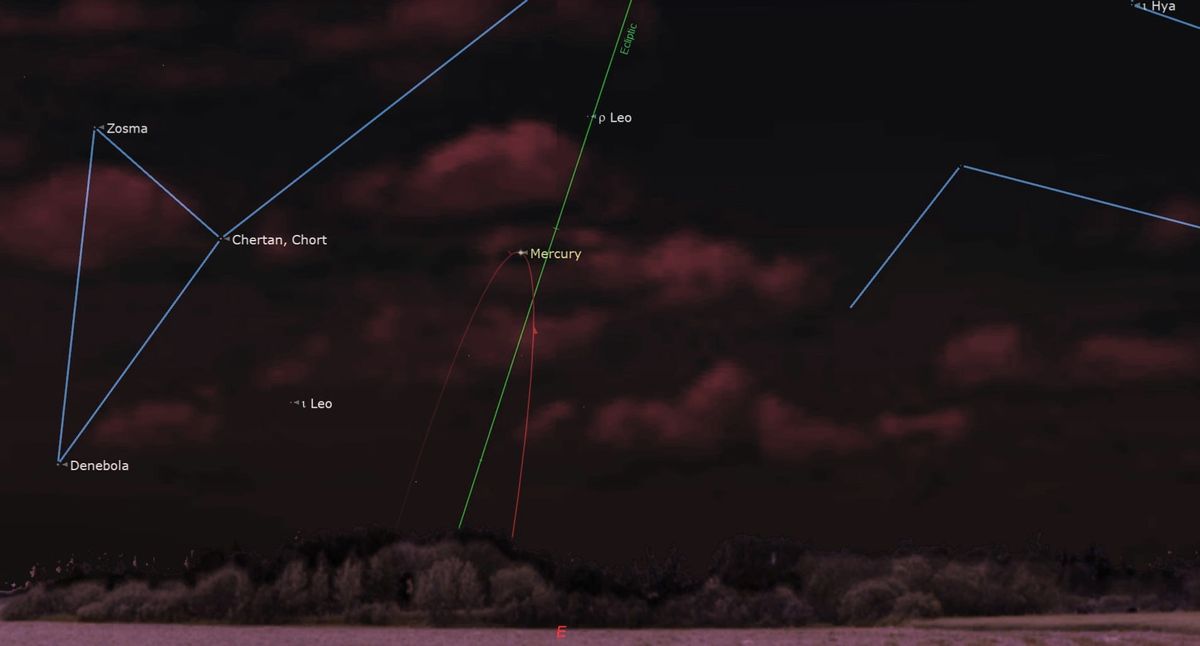
On September 23, the planet Mercury will reach its highest point in the morning sky. As the closest planet to the sun and the smallest in the solar system, Mercury will be a challenge to spot for amateur astronomers due to its low position on the horizon. To see it, look to the east an hour before sunrise and locate a yellowish Mercury between the back legs of Leo, the lion. Take precautions to never point any optics in the direction of the rising sun.

astronomy2 years ago

Jupiter's Fiery Encounter Caught on Camera

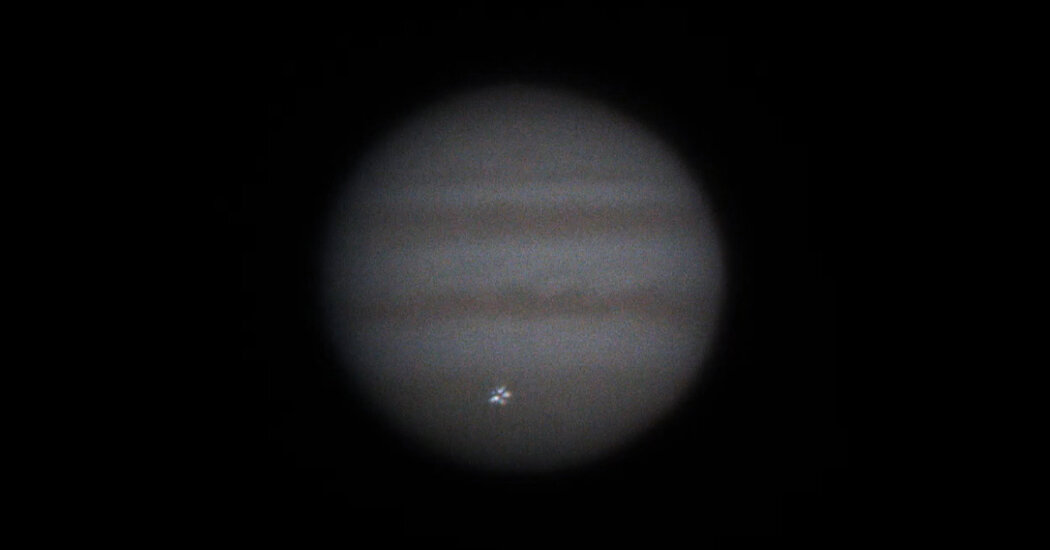
Amateur astronomers in Japan captured a bright flash on Jupiter's atmosphere, believed to be one of the brightest ever recorded on the gas planet. These flashes, caused by asteroids or comets impacting Jupiter, provide valuable insights into the violent processes that occurred during the early days of our solar system. While direct observation of these bodies is challenging, Jupiter's gravity attracts them, making it a unique tool for studying them. Scientists analyze these flashes to understand the history and evolution of our solar system. Amateur astronomers play a crucial role in this research, as most collisions with Jupiter are reported by them using techniques like lucky imaging.

astronomy2 years ago

"Astronomy Photographer of the Year 2023: Captivating Images and Discoveries"

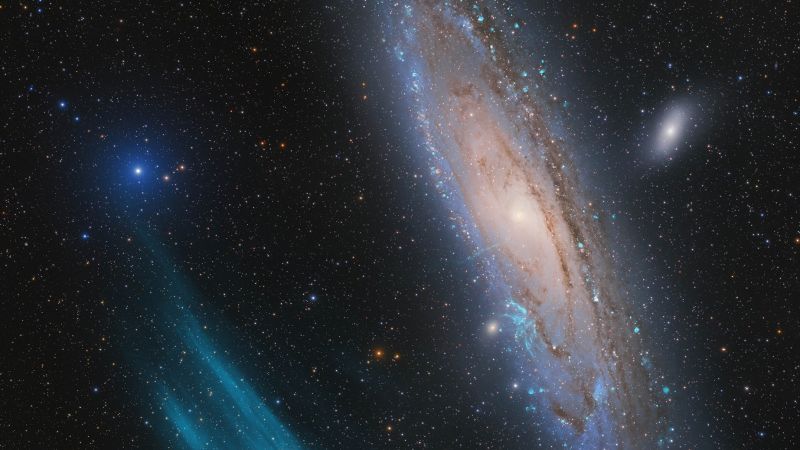
A team of amateur astronomers has won the 2023 Astronomy Photographer of the Year competition with their photograph titled "Andromeda, Unexpected," featuring a massive plasma arc next to the Andromeda Galaxy. The image is a surprising discovery and could be the largest structure of its kind near us in the universe. Other winners include images of an ultra-deep stellar remnant, the Running Chicken Nebula, aurora, moon passing in front of Mars, the sun with a huge solar filament, and the rare phenomenon of Sprites. The winning images will be displayed in an exhibition at London's National Maritime Museum.

astronomy2 years ago

"Jupiter's Encounter: High-Speed Object Captured in Astonishing Footage"

Amateur astronomers have captured footage of a small space rock colliding with Jupiter, causing a bright flash in the Jovian sky. The impact, which occurred on August 29, involved an asteroid or piece of an asteroid/comet a few dozen yards across. While this was a small event for Jupiter, collisions with the gas giant are not uncommon due to its size and gravitational pull. Such observations by amateur astronomers contribute to a better understanding of our cosmic neighborhood.

space2 years ago

Amateur Astronomers Capture Bright Flash as Unknown Object Collides with Jupiter

Amateur astronomers accidentally captured the moment a celestial object collided with Jupiter, releasing a flash of energy. Objects frequently collide with Jupiter due to its proximity to the asteroid belt and its strong gravitational pull. While collisions are common, it is rare for scientists to document them in action. This latest collision was spotted by Okinawa-based observation projects and later confirmed by the MASA Planetary Log. The size of the object is unknown, but it was large enough to create a spectacle. Jupiter's mass and gravitational pull protect the inner planets from rogue objects, but it may occasionally sling asteroids or comets towards Earth.

space2 years ago

"Join NASA in Exploring the Ice Giants: Your Help is Needed!"

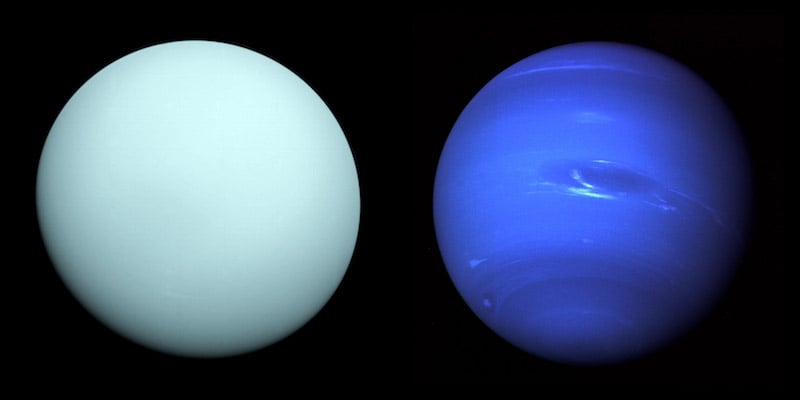
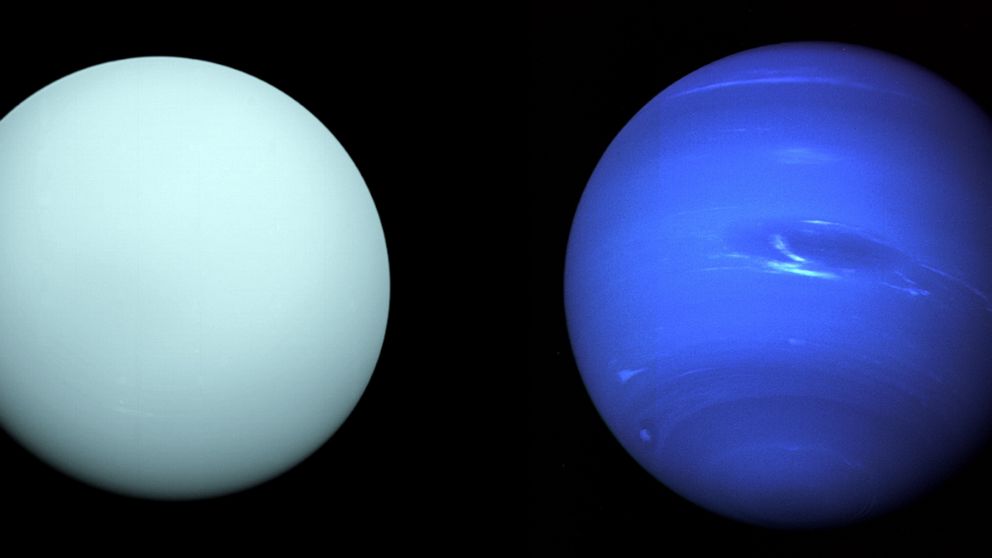
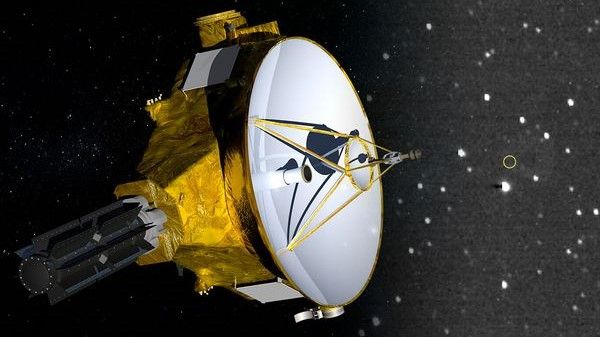
NASA's New Horizons spacecraft and the Hubble Space Telescope will observe the ice giants Uranus and Neptune in September, and amateur astronomers are invited to contribute their observations. The distant vantage point of New Horizons will provide unique insights into the atmospheres of these planets. Amateur astronomers can help track bright features in the planets' atmospheres and supplement the data collected by the spacecraft and telescope. Images can be shared on social media with the hashtag #NHIceGiants. Additional details about the campaign will be posted soon, and the images from New Horizons and Hubble will be publicly available later this year.

space-science2 years ago

"NASA Seeks Assistance in Exploring Uranus and Neptune for Groundbreaking Images"

NASA is seeking the assistance of amateur astronomers to study Uranus and Neptune as its New Horizons spacecraft prepares to capture new images of the ice giants. By combining data from New Horizons and telescopes on Earth, NASA hopes to gain insights into the atmospheres of these distant planets. The agency plans to make the Hubble images of Uranus and Neptune publicly available in September, while the New Horizons images will be received in 2023. This collaborative effort is crucial as only one spacecraft, Voyager 2, has previously visited Uranus and Neptune.

space2 years ago

"Amateur Astronomers Invited to Aid NASA's New Horizons in Studying Uranus and Neptune"

NASA's New Horizons spacecraft, along with the Hubble Space Telescope and amateur astronomers worldwide, is embarking on an observing campaign of Uranus and Neptune to learn more about their atmospheres and thermal energy. The campaign aims to gather data on how the planets absorb and emit heat energy, as well as how thermal energy is transported from their cores to their outer atmospheres. Amateur astronomers with telescopes as small as 16 inches can contribute by imaging and tracking activity in the planets' atmospheres, which appear as bright spots caused by swirling storms. The observations will provide the most complete survey of Uranus and Neptune to date, and participants are encouraged to share their images on social media using the hashtag #NHIceGiants.