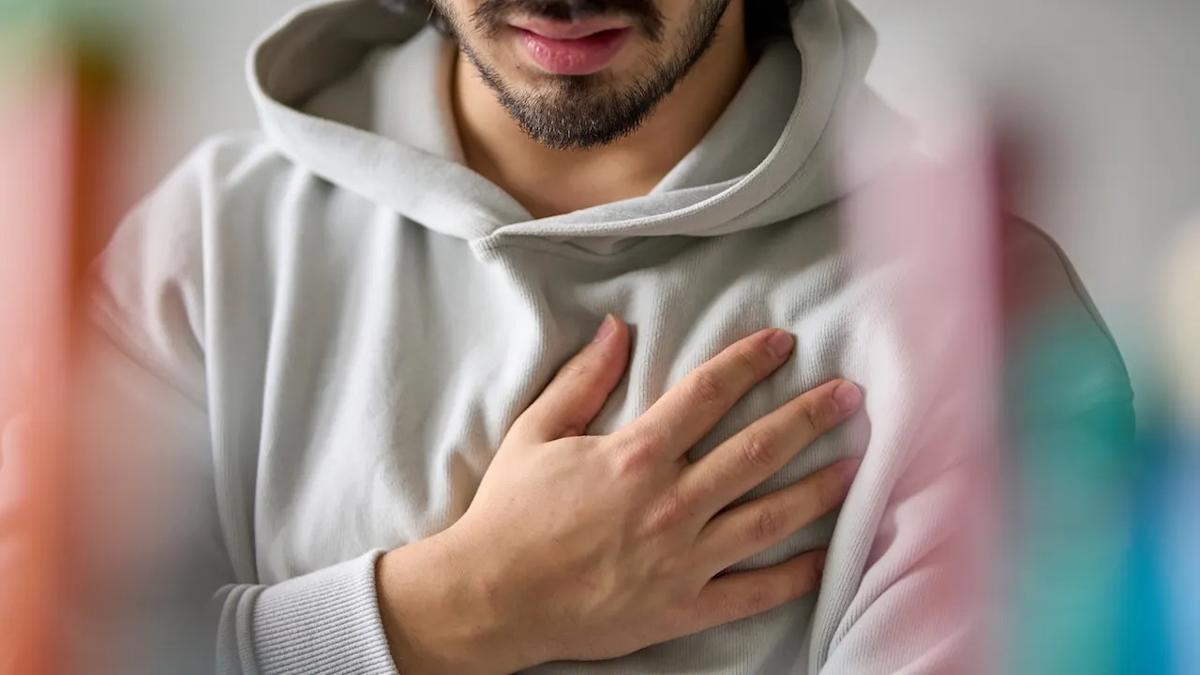
A Stanford study explains that myocarditis, a rare heart inflammation linked to COVID-19 vaccines, is caused by immune proteins CXCL10 and IFN-gamma. The research suggests that targeted immune modulation could reduce risk, especially in young males, without compromising vaccine benefits. The overall safety of COVID vaccines remains high, with myocarditis being a very rare side effect.
A Stanford study highlights a rare risk of myocarditis, or heart inflammation, associated with mRNA Covid-19 vaccines, especially in young men and children, with an estimated occurrence of 1 in 140,000 after the first dose and 1 in 32,000 after the second. While most recover quickly, the study emphasizes that Covid itself is more likely to cause myocarditis than the vaccine, and advises seeking medical help if chest pains occur post-vaccination.
A Stanford study reveals that the adoption of generative AI has led to a 13% decline in employment among young workers aged 22-25 in AI-exposed jobs like customer service and software development, highlighting a disproportionate impact on entry-level positions, while more experienced workers and less-exposed occupations remain stable or grow.
A Stanford Medicine study reveals that human aging accelerates significantly at ages 44 and 60, with molecular changes occurring in bursts rather than gradually. To combat this rapid aging, experts recommend prioritizing sleep, reducing alcohol intake, engaging in strength training, maintaining a balanced diet with adequate protein, incorporating cardio, and using sunscreen. As individuals approach age 60, additional strategies include discussing hormone replacement therapy, stimulating cognitive function, and adding flexibility and balance exercises to routines. These habits can help mitigate the effects of aging and promote overall well-being.
Facebook is inundated with bizarre AI-generated images, including depictions of Jesus and flight attendants, garnering millions of engagements and leaving users amused, befuddled, and wary of potential scams. The images, often lacking systematic labeling, have raised concerns about the spread of misleading content and disinformation. A Stanford study found that some of the images were posted from hijacked Facebook pages and may be used to bait gullible users for potential scam targets. The phenomenon has also led to suspicions of AI-generated content being used for spam and scam activities, with some users receiving suspicious replies from newly created accounts.
A new Stanford study reveals that the number and intensity of foreshocks dramatically increase just before major volcanic earthquakes, providing insights into how earthquakes begin along major fault lines. This information could help in understanding and predicting seismic activity and earthquakes in the future.
A mother shares her experience of participating in a Stanford study on Fragile X, a genetic condition causing developmental problems, with her daughter. The study involves wearing NIRS caps to map neuro-responses and evaluate how girls with Fragile X connect and collaborate with their closest ones. The mother reflects on the challenges and adjustments in her relationship with her daughter due to the diagnosis, and the impact it has on their everyday interactions and future plans.
A Stanford study has found that both ketamine and placebo treatments can reduce depression symptoms in patients, suggesting that positive expectations may play a crucial role in treatment outcomes. The researchers conducted a unique trial where participants with moderate to severe depression were given either ketamine or a placebo during routine surgery while under general anesthesia. Surprisingly, both groups experienced significant improvements in depression symptoms, with scores on the depression rating scale dropping by half just one day after treatment. The researchers believe that positive expectations may be a key factor in ketamine's effectiveness, highlighting the power of psychological factors in treatment. However, they also emphasize that ketamine is not just a placebo and that there may be a physiological mechanism at play. Further research is needed to understand the direct pharmacological effects of ketamine and its potential benefits beyond the placebo effect.