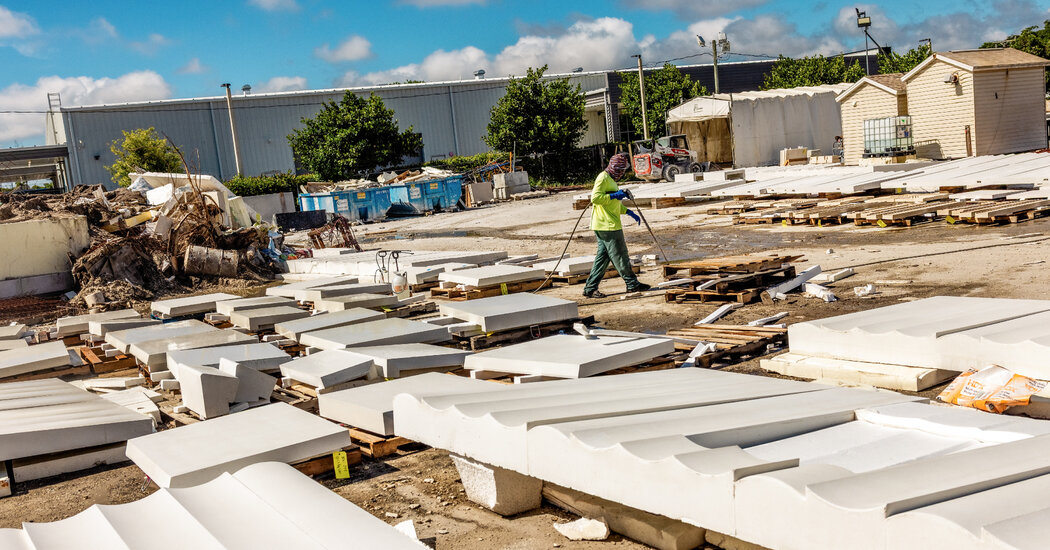
A study links federal immigration raids in California to a significant decline in private sector employment, especially among noncitizens and women, with broader implications for the U.S. economy as immigrant populations shrink and sectors reliant on immigrant labor face challenges.
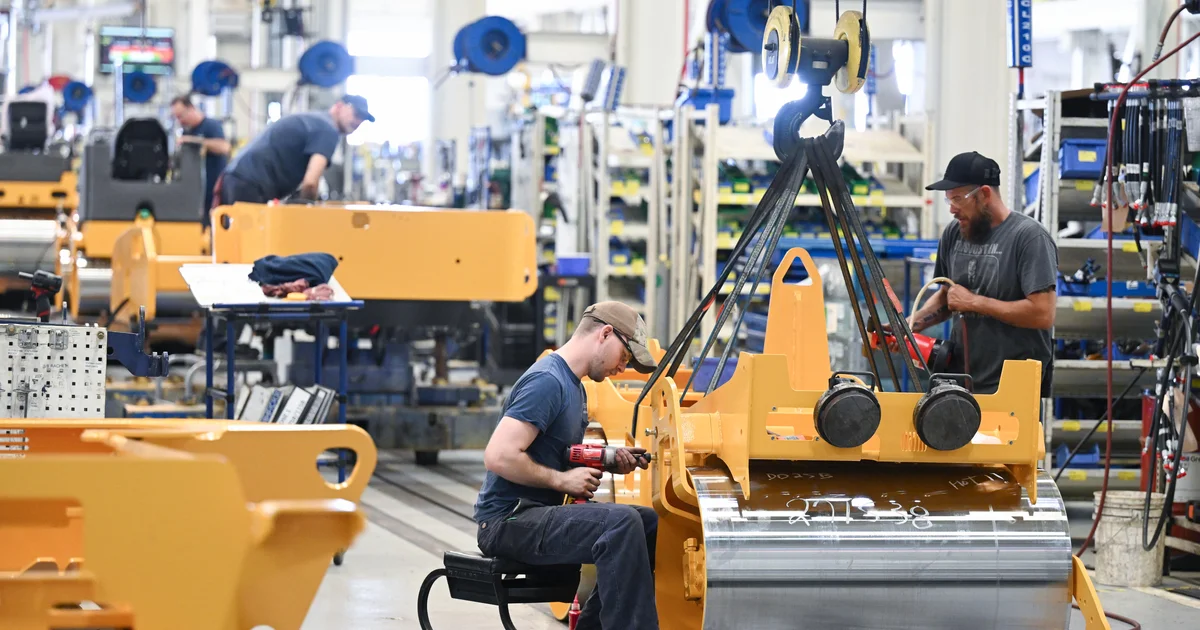
U.S. manufacturing jobs are declining, with 12,000 jobs lost in August and a total of 33,000 in 2025, due to tariffs, economic uncertainty, and automation, despite government efforts to revitalize the industry.
The US labor market showed signs of slowdown with only 22,000 jobs added in August, a slight rise in unemployment to 4.3%, and a decline in employment in June, challenging President Trump's claims of a booming economy amid the impact of tariffs and deportations.
The US labor market has significantly slowed down, ending a 53-month streak of job growth, with recent data showing minimal hiring and some employment contraction, driven by economic uncertainty, immigration policies, and trade tensions, prompting increased attention from policymakers like the Federal Reserve.
A Stanford study reveals that the adoption of generative AI has led to a 13% decline in employment among young workers aged 22-25 in AI-exposed jobs like customer service and software development, highlighting a disproportionate impact on entry-level positions, while more experienced workers and less-exposed occupations remain stable or grow.
A Stanford study reveals that AI is significantly impacting entry-level workers in the U.S., especially those aged 22-25, with employment declines concentrated in AI-exposed jobs since late 2022, primarily due to automation rather than wage changes, indicating a shift in the labor market driven by AI adoption.
The article discusses the declining job prospects for economists with Ph.D.s, highlighting how the once-booming market for high-skilled economists is shrinking due to budget cuts, technological changes, and economic uncertainty, which could have broader implications for innovation and government research.