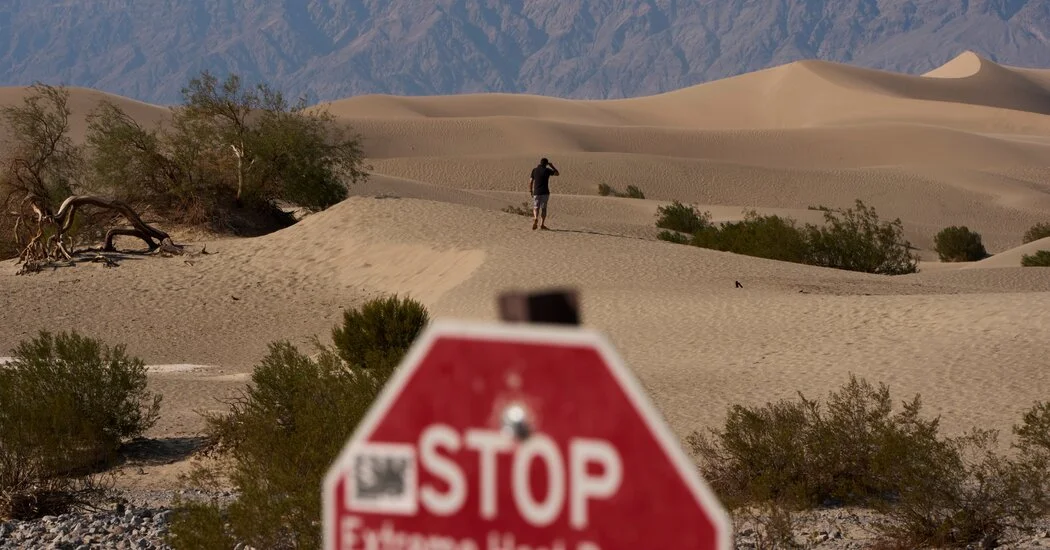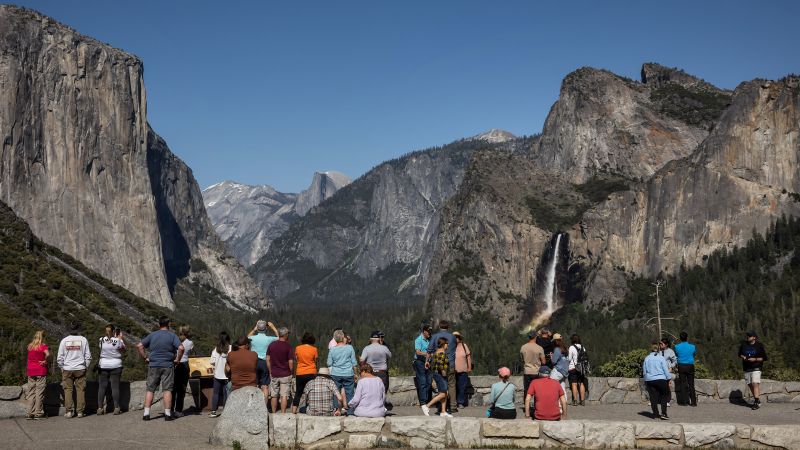
Former national park superintendents warn that reopening parks during government shutdowns, as done in 2019, causes significant environmental damage due to limited staff, and urge the government to close parks instead of risking further harm.
A nationwide study found that patient deaths in emergency rooms increased after hospitals were acquired by private equity firms, likely due to staffing and salary cuts, raising concerns about for-profit healthcare models.
The Trump administration's budget cuts have significantly strained over one-fifth of U.S. national parks, leading to reduced staffing and maintenance, despite parks remaining open and attracting millions of visitors.
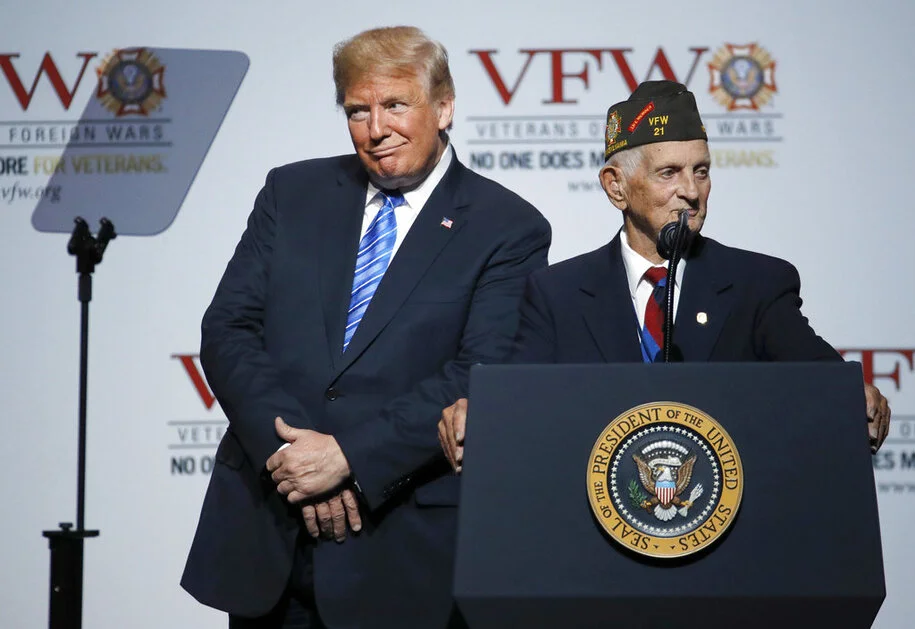
A report from the VA inspector general reveals severe staffing shortages across veterans' healthcare facilities, worsened by staffing cuts under the Trump administration, leading to decreased access and quality of care for veterans, with many healthcare professionals refusing VA jobs due to the crisis.
The U.S. Education Department is shrinking due to staffing cuts just as Congress increases its workload, raising concerns about delays and confusion in implementing new student loan repayment plans and the upcoming FAFSA application process, potentially impacting students and borrowers.
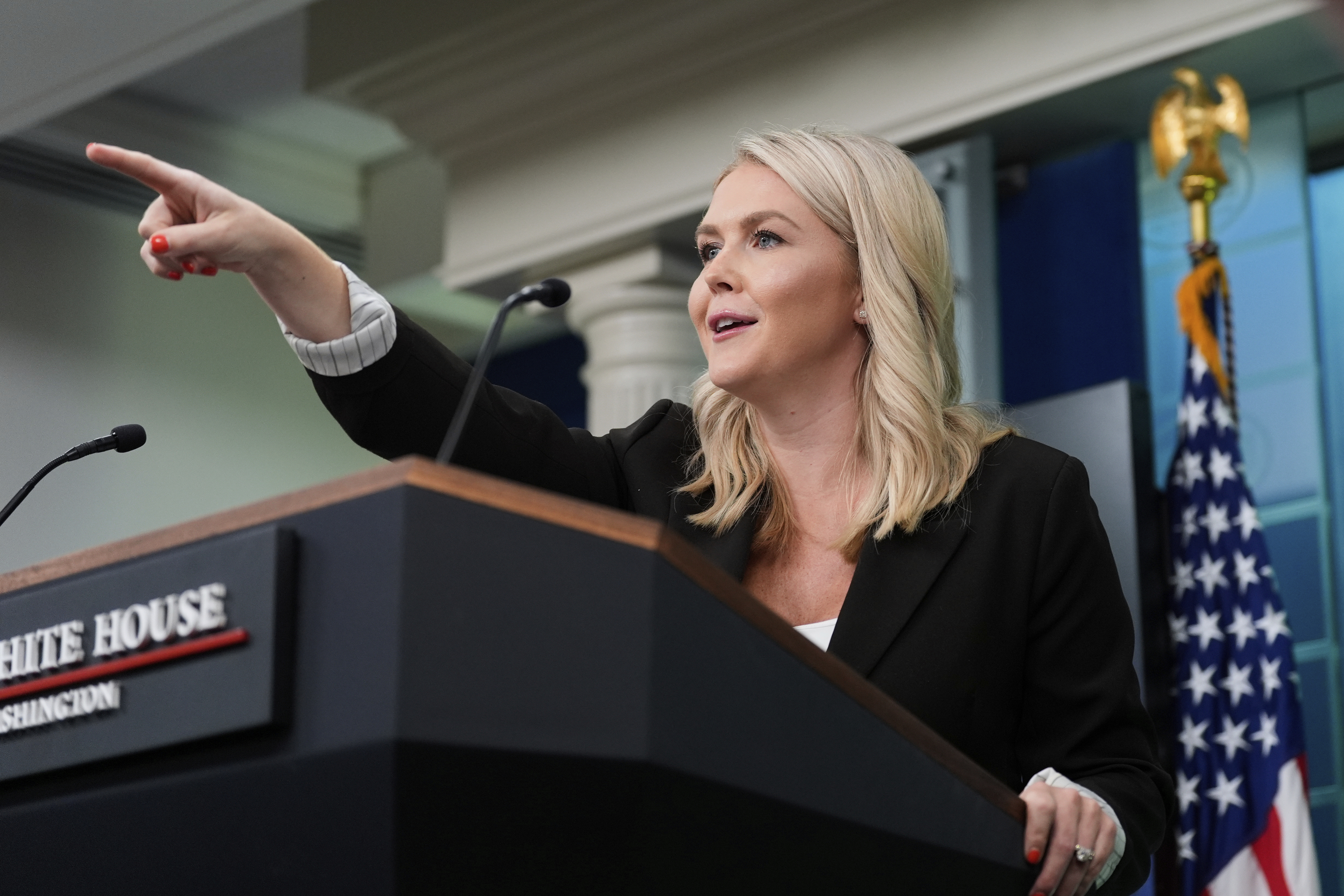
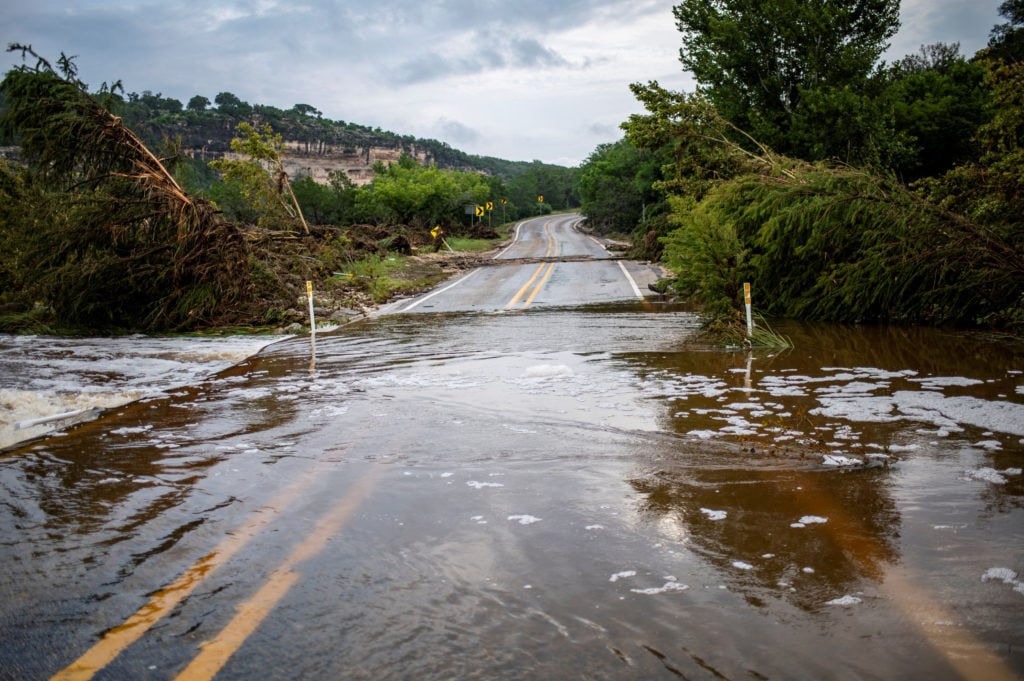
The White House defends the staffing levels at the National Weather Service amid criticism that recent layoffs and vacancies hampered Texas flood response, with officials asserting that timely warnings were still provided and that the staffing issues did not impact disaster management.
The article discusses the controversy surrounding staffing reductions at the National Weather Service under the Trump administration, which critics argue have compromised weather forecasting and emergency response during deadly Texas floods, with at least 80 deaths linked to the disaster. Experts warn that ongoing cuts could impair future forecasts and public safety, amid broader efforts to privatize and diminish federal weather agencies.
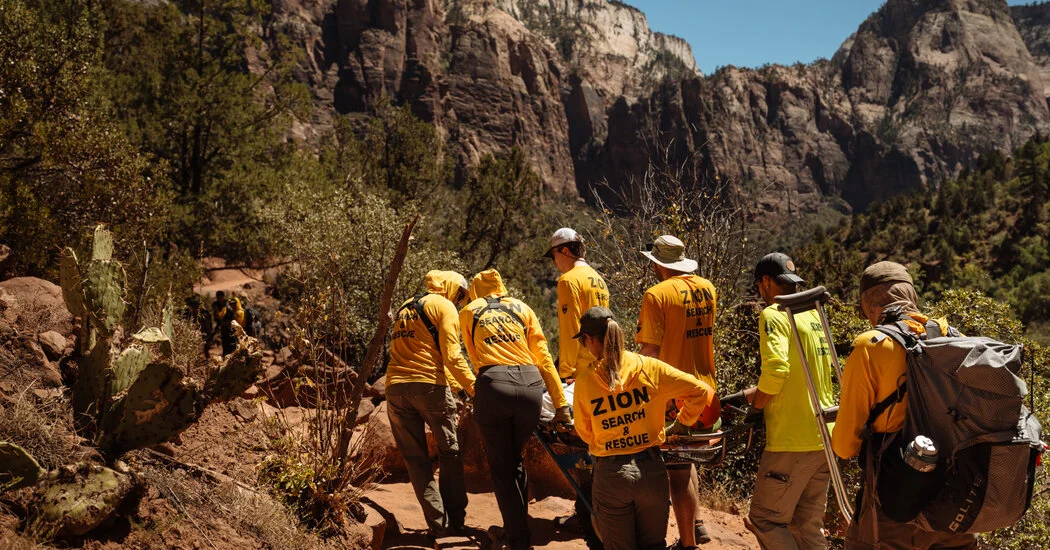
Visitors to U.S. national parks are experiencing reduced services and safety concerns due to significant staffing cuts following the Trump administration's layoffs, with fewer rangers and seasonal workers available during peak summer months, raising worries about safety and park maintenance.
The Trump administration has petitioned the U.S. Supreme Court to intervene and lift an injunction that prevents staffing cuts at the Education Department, arguing that only Congress can authorize such changes and emphasizing their intent to streamline operations, despite ongoing legal challenges and court rulings that question the feasibility of such reductions.
California House Democrats are demanding the reinstatement of Weather Service staff and increased staffing at key offices in Sacramento and Hanford, citing concerns over staffing cuts that threaten public safety, especially during wildfire season. The cuts, part of broader reductions by NOAA, have led to staffing vacancies and raised alarms about less effective weather forecasting and delayed severe weather warnings, with critics warning of potential loss of life. NOAA asserts it remains committed to public safety despite reorganizations and staffing challenges.
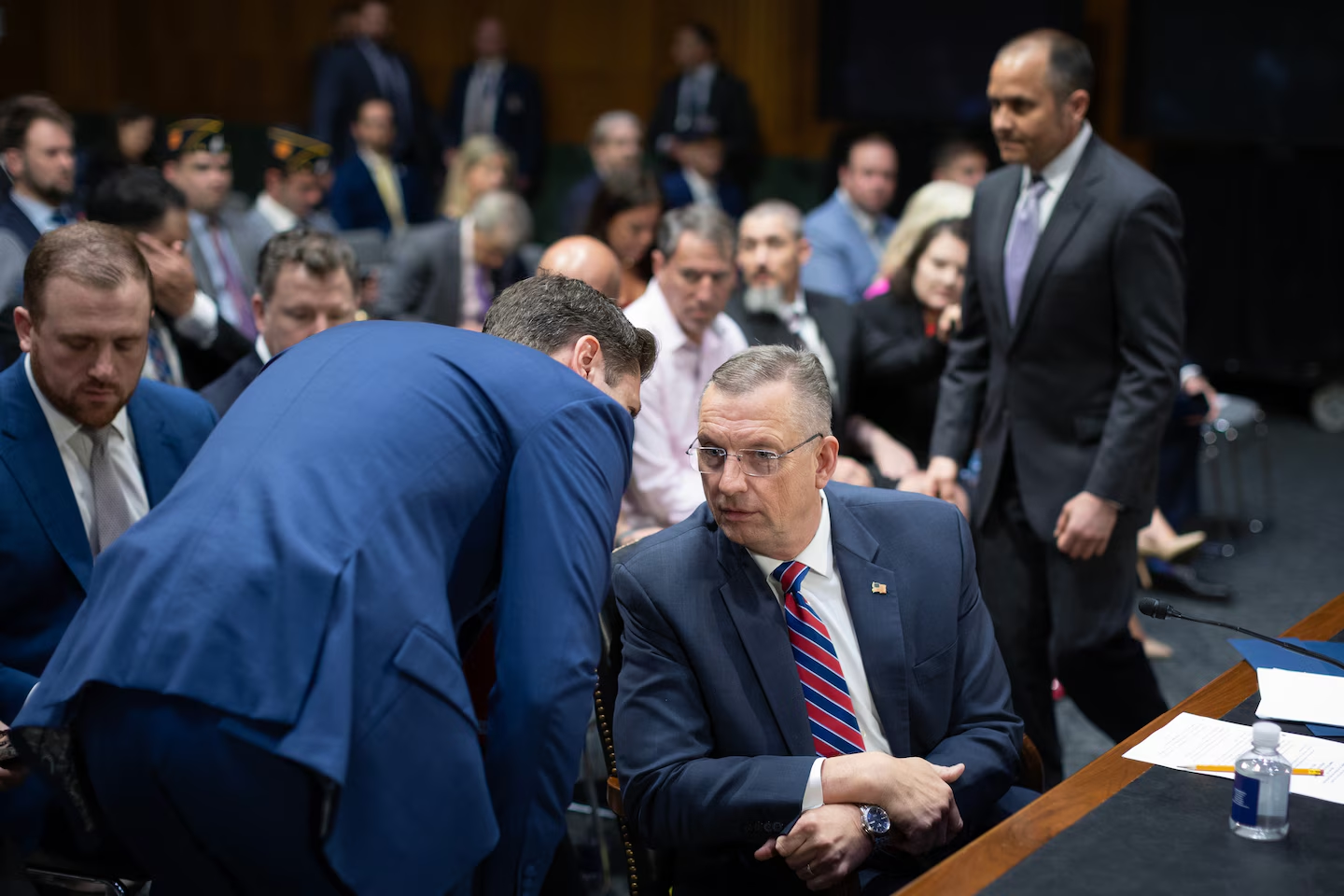
The Department of Veterans Affairs plans to cut its workforce by 15%, or about 83,000 employees, causing significant concern among staff, veterans, and advocates due to fears of reduced care and benefits, despite assurances that front-line workers will be protected.
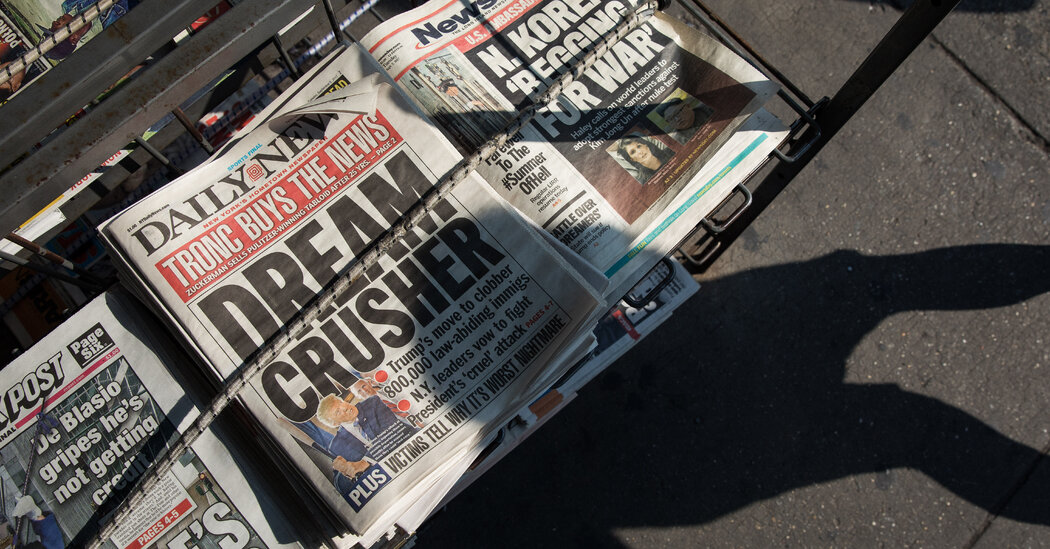
Journalists at The New York Daily News walked off the job for the first time in over three decades, as the Daily News Union, formed in 2021, is in negotiations for their first contract. The one-day work stoppage was in protest of staffing cuts and a new policy requiring advance approval for overtime. The paper, once one of the largest in the country, has faced ownership changes and staffing cuts, with about a third of union members leaving since spring 2022. The parent company, Tribune Publishing, was purchased by Alden Global Capital in 2021, known for making deep cuts to newsrooms.
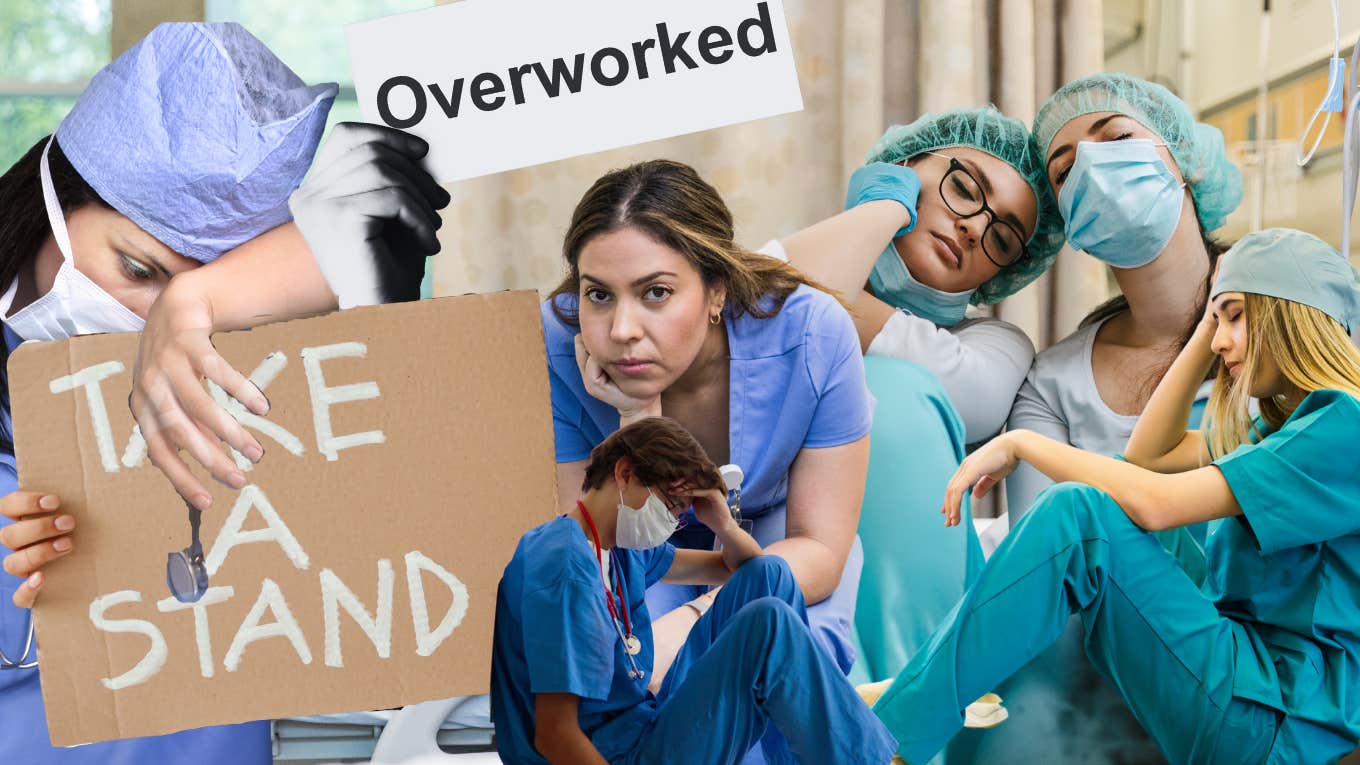
75,000 healthcare professionals, including nurses, pharmacists, and technicians, have launched the largest healthcare strike in American history, demanding better pay to keep up with inflation and increased staffing requirements. The strike, affiliated with the Service Employees International Union, aims to address the staffing cuts that have led to long wait times, patient neglect, and potentially life-threatening oversights in diagnoses. Workers argue that the impacts of the pandemic have exacerbated the already crumbling healthcare system, leaving them overworked and struggling with PTSD. They are also demanding a $25 per hour minimum wage, highlighting the disparity between their pay and that of fast-food workers. The strike is part of a nationwide trend of workers demanding better treatment and fair compensation.
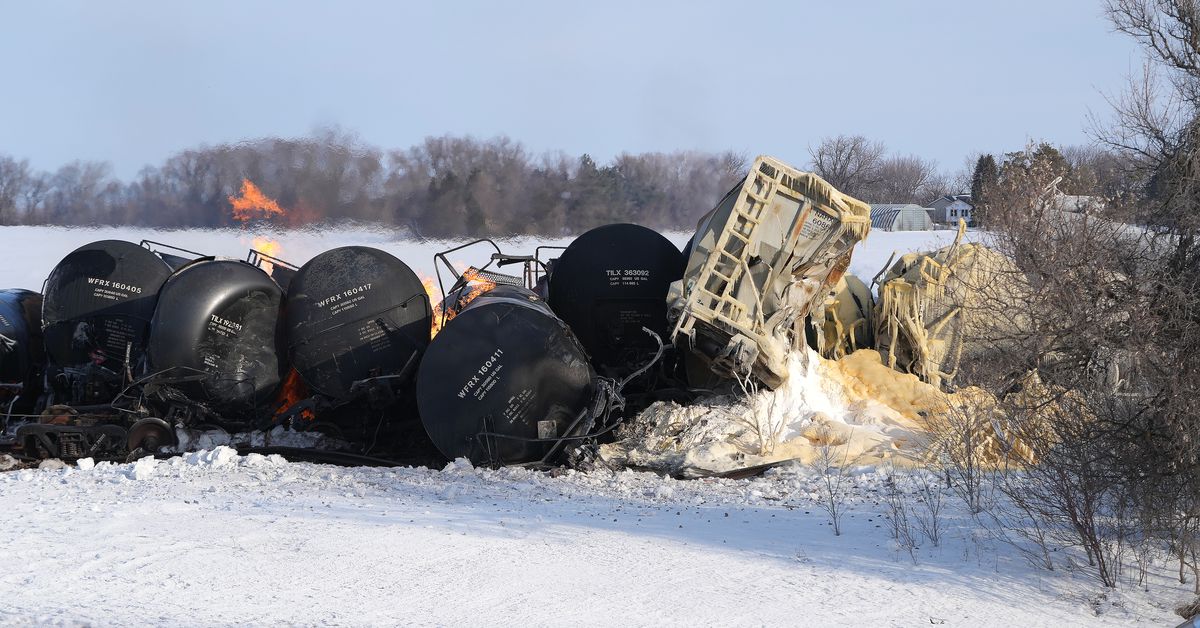
A train carrying hazardous chemicals derailed in Minnesota, raising questions about train safety and whether new regulations are needed to prevent more of these dangerous incidents from happening in the future. Human error, track defects, and equipment failures are the biggest causes of derailments, and staffing cuts railroads have made in recent years and their resistance to more costly equipment upgrades may be contributing factors. There have been fewer train derailments over time, but those that do occur tend to be worse because companies have increasingly made trains longer. Recent accidents have led to discussions at the federal level about reinstating safety rules.