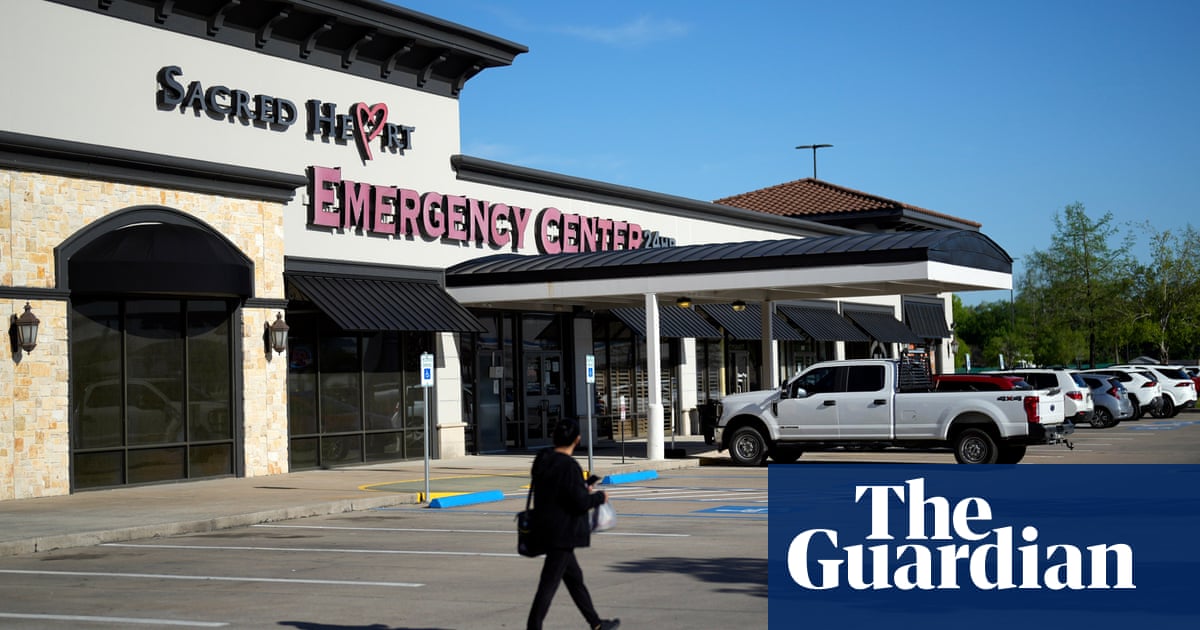
A nationwide study found that patient deaths in emergency rooms increased after hospitals were acquired by private equity firms, likely due to staffing and salary cuts, raising concerns about for-profit healthcare models.
Emergency room visits for self-harm in the US increased by nearly 19% between 2011 and 2020, highlighting a significant unmet need for mental health services. The rise in self-harm incidents was observed across all age groups, including children and adults over 65. Despite the introduction of a crisis phone number, 988, barriers to mental health care remain high.
Federal documents obtained by the Associated Press reveal a spike in complaints of pregnant women being turned away from US emergency rooms following the US supreme court's overturning of Roe v Wade. Despite federal mandates requiring emergency rooms to treat or stabilize pregnant patients, cases of women being denied care have raised alarms about the state of emergency pregnancy care, particularly in states with strict abortion laws. The Biden administration has sued Idaho over its abortion ban, arguing it conflicts with federal law, and federal investigators have looked into dozens of pregnancy-related complaints. The incidents highlight the challenges pregnant women face in accessing emergency medical care, and the ongoing debate over healthcare access and abortion rights.
After the U.S. Supreme Court overturned Roe v. Wade, complaints surged about pregnant women being turned away from emergency rooms, despite federal law mandating their treatment. Instances included a woman miscarrying in a Texas ER lobby, another giving birth in a car after being denied an ultrasound, and a woman being refused care at a Florida hospital. The Biden administration has sued Idaho over its abortion ban, arguing it conflicts with federal law. The Supreme Court will hear arguments that could weaken protections for pregnant patients, raising concerns about the state of emergency pregnancy care in the U.S.
After the U.S. Supreme Court overturned Roe v. Wade, complaints surged about pregnant women being turned away from emergency rooms, despite federal law mandating treatment. Some women miscarried or gave birth in dire circumstances after being refused care, raising concerns about emergency pregnancy care in the U.S. The Biden administration has sued Idaho over its abortion ban, arguing it conflicts with federal law. Emergency rooms are subject to fines and risk losing Medicare funding for violating the law, but it's unclear what penalties might be imposed on hospitals that failed to properly treat pregnant patients. The Supreme Court will hear arguments that could weaken protections for pregnant patients seeking emergency care.
Long Island emergency rooms are experiencing a surge in patients with flu, COVID-19, and other respiratory illnesses, following a national trend of increased respiratory virus activity. Hospitalizations associated with COVID-19 and flu have risen, with some patients experiencing complications from chronic medical conditions. Health officials are urging mask-wearing in crowded indoor settings, and many health systems on Long Island are requiring or recommending masks for staff and visitors. Emergency room visits have increased by 15-20%, partly due to respiratory viruses and also complications from chronic conditions and missed medication during the holiday season.
Several emergency rooms that were shut down due to a ransomware attack on Ardent Health Services are gradually resuming service, although some patients continue to face lingering issues. While some hospitals are diverting crucial patients, others have resumed normal emergency services. The attack, which occurred on Thanksgiving Day, resulted in the locking up of computer networks and a demand for ransom. Although some patients had to reschedule procedures, no deaths have been reported as a result of the cyberattack. The hackers' deliberate targeting of a healthcare system has raised concerns about patient care and cybersecurity.
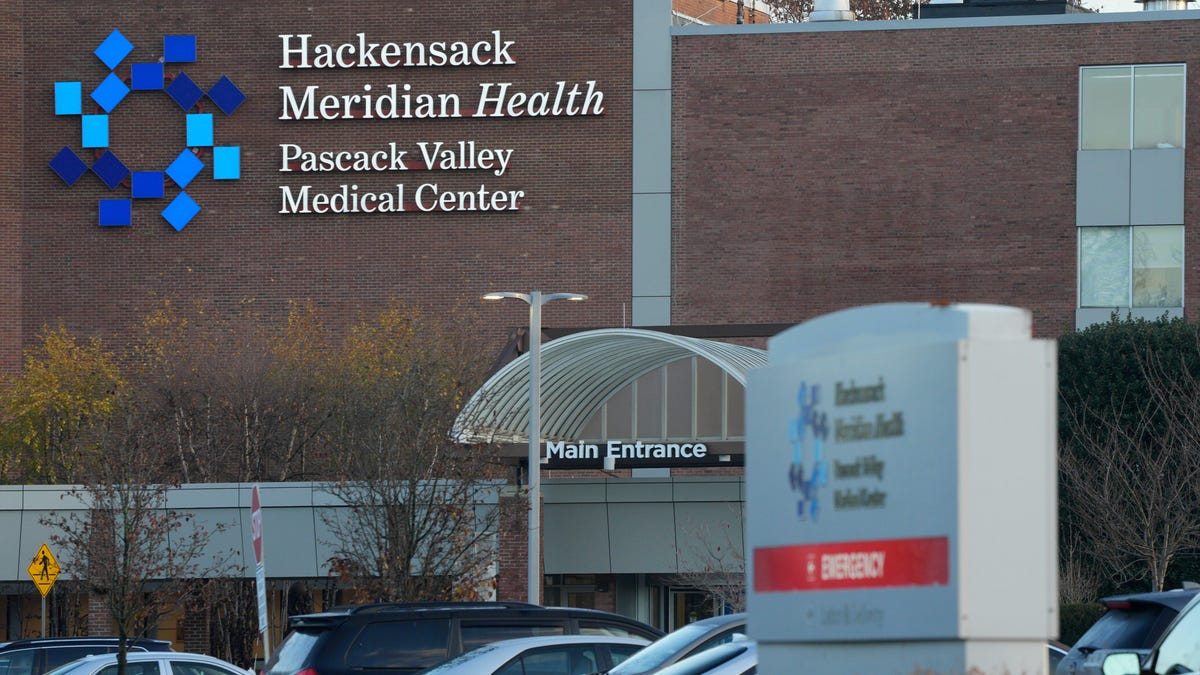
Hospitals operated by Ardent Health Services in at least four states have diverted patients from their emergency rooms following a ransomware attack. While patient care continues to be delivered safely, some emergency room patients have been transferred to other hospitals, and non-urgent procedures have been rescheduled. The affected hospitals include those run by Hillcrest HealthCare System, Lovelace Health System, UT Health, Hackensack Meridian's Mountainside Medical Center, and Pascack Valley Medical Center. Ardent Health Services, which owns and operates 30 hospitals and over 200 sites of care, took its network offline and suspended user access to IT applications after the cyberattack. The company is working to restore its technology operations and has reported the incident to law enforcement.
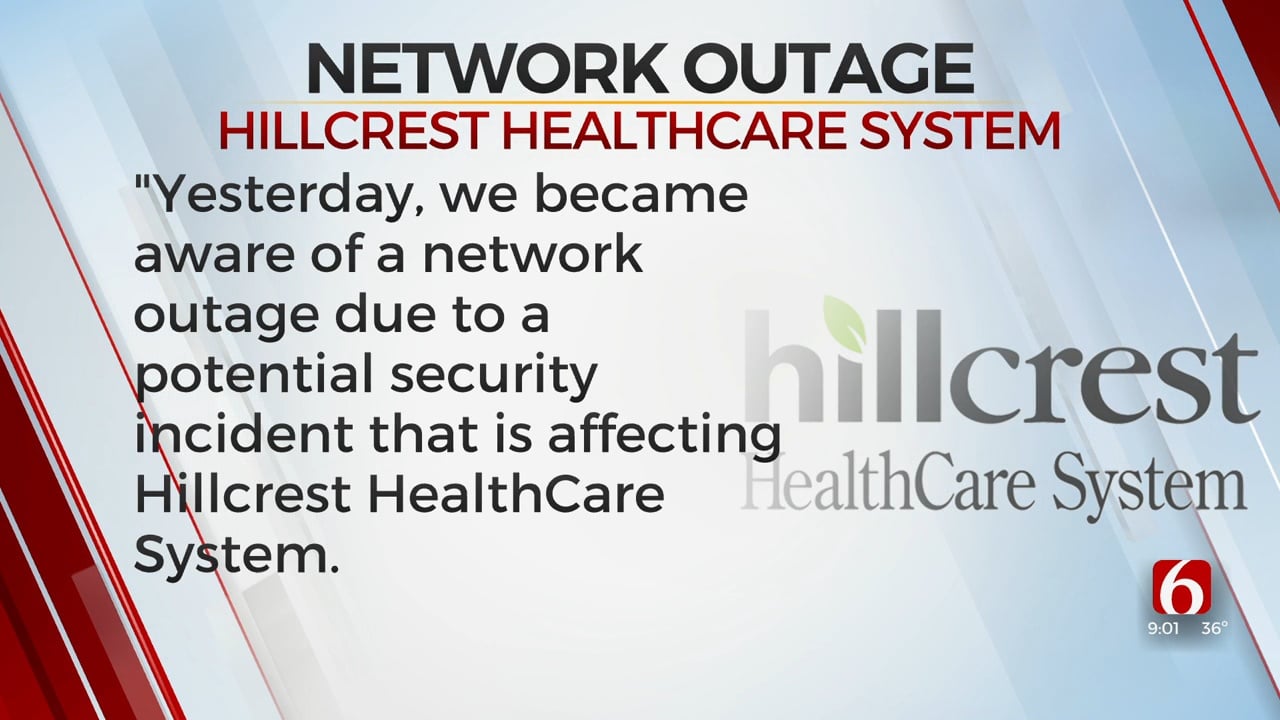
Hillcrest HealthCare facilities are experiencing a network outage due to a potential security incident, resulting in some emergency rooms being on divert status and redirecting patients to other hospitals. Patient care has not been affected, and the healthcare system is working to assess the impact and restore access.
Fresno County Department of Public Health is reinstating a policy to reduce emergency room admissions and alleviate strain on staff and resources due to the rise in respiratory illnesses such as Covid, the Flu, and RSV. Paramedics will assess patients to determine if they can be referred to alternative care options like urgent care, primary care physicians, or telehealth. The department also recommends Covid-19 and Flu vaccines for everyone over 6 months old, as well as RSV vaccines for specific groups. People are advised to take precautions during the holiday season, such as using air purifiers and practicing good hand hygiene. Free Covid tests can be ordered from the CDC starting Monday.
People with sickle cell disease face life-threatening waits and discrimination when seeking care in emergency rooms. The rare blood disorder affects an estimated 100,000 Americans, with Black patients being the majority. Sickle cell crises can lead to extreme pain and complications, requiring high doses of opioids and IVs. However, ER staff often lack experience in treating the disease and are hesitant to prescribe necessary painkillers. Patients report long delays, discrimination, and suspicion of drug-seeking behavior. Despite established guidelines, best practices for sickle cell care are not widely adopted. Legislators are working on bills to improve physician education, care coordination, and data collection. Patients advocate for themselves while balancing the need not to alienate hospital staff.
Smoke from Canadian wildfires that drifted into the U.S. caused a spike in asthma-related emergency room visits, particularly in the New York area. Three studies conducted by the U.S. Centers for Disease Control and Prevention found that asthma-associated ER visits were 17% higher nationally during the days of wildfire smoke. In New York and New Jersey, hospital traffic rose by 46%. The smoke, which contained tiny particles that can cause severe problems for asthmatics, led to an 82% increase in asthma-associated ER visits statewide on the worst air quality day. However, the smoke had lower amounts of some toxic elements found in urban air pollution.
A study published in Pediatrics reveals that over 20,500 children have been injured by ceiling fans between 2013 and 2021, with approximately 2,300 children treated for head injuries caused by ceiling fans in US emergency rooms each year. The study found that injuries occurred most frequently in children under 1 year old and at 4 years old, with children under 3 years old having twice the risk of injury. Lacerations were the most common injury, but more serious injuries like concussions and skull fractures were also reported. Experts warn that many ceiling fan injuries likely go unreported, emphasizing the importance of monitoring children for signs of head injury and seeking medical attention when necessary.
Tuesday marked the hottest day on Earth in at least 44 years, with the global average temperature reaching 69 degrees Fahrenheit. Utah experienced temperatures over 100 degrees, leading to an increase in heat-related illnesses. Emergency rooms have already seen patients with heat-related illnesses, including heat stroke and sunburns. It is important for everyone, including young and healthy individuals, to take precautions such as staying hydrated, staying in the shade, and avoiding exertion during the hottest times of the day.
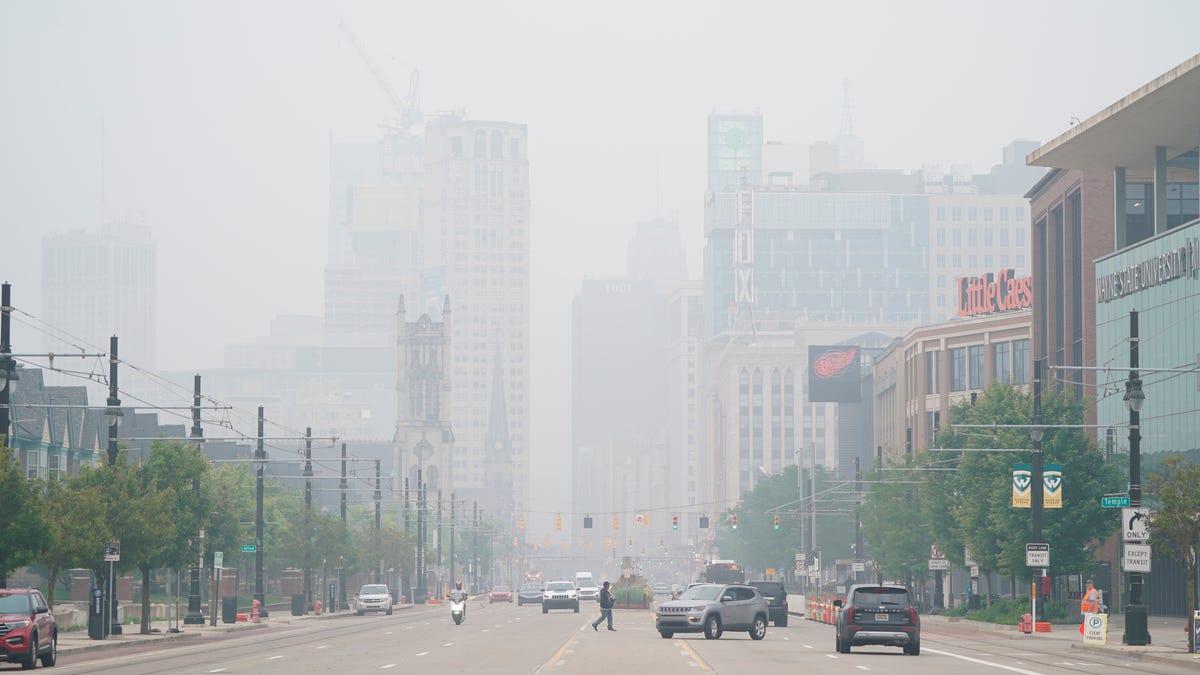
Metro Detroit emergency rooms and medical centers have reported an increase in respiratory problems due to poor air quality caused by Canadian wildfires. Both healthy individuals and patients with preexisting conditions, such as asthma and COPD, have been affected. The air quality alert has been extended, and doctors are advising people to limit outdoor activities and pay attention to air quality alerts and warnings. While some hospitals have not seen a significant uptick in respiratory issues yet, they caution that prolonged poor air quality conditions could lead to more acute exacerbations of lung diseases and other underlying health issues.