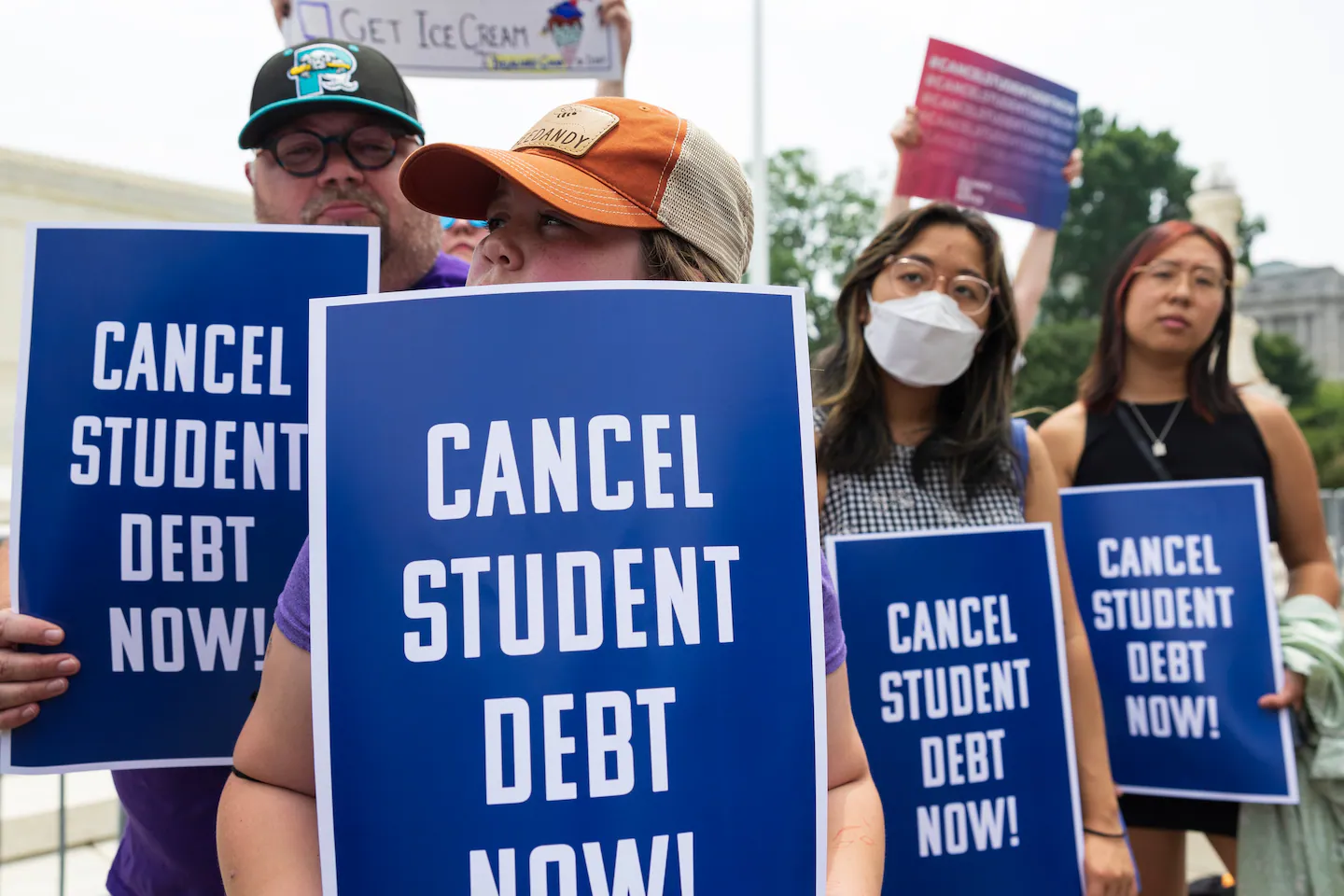
The GOP is pushing back against new student debt rules that cap loans for nursing students, with critics arguing the caps could limit access and increase tuition, while the Education Department defends the policy as a way to reduce costs and address high tuition rates in health education.
A federal judge ruled that the Trump administration violated the First Amendment rights of Education Department employees by replacing their personalized out-of-office emails with partisan messages blaming Democrats for the government shutdown, ordering the department to restore or remove the messages.
A federal court ruled that the Trump administration unlawfully used Education Department employees' email accounts to send partisan messages blaming Democratic Senators during the government shutdown, violating employees' rights and the principle of nonpartisanship in the civil service.
A federal court ordered the Education Department to stop using employee email messages that contained partisan political language blaming Democrats for a government shutdown, citing First Amendment violations and emphasizing that civil servants cannot be used as political spokespeople.
Nearly two dozen attorneys general sued the Education Department over a new rule that limits eligibility for the Public Service Loan Forgiveness Program by deeming certain activities 'substantially illegal,' arguing it violates the law and politicizes student loan forgiveness, while the Department defends it as a measure against organizations involved in illegal activities.
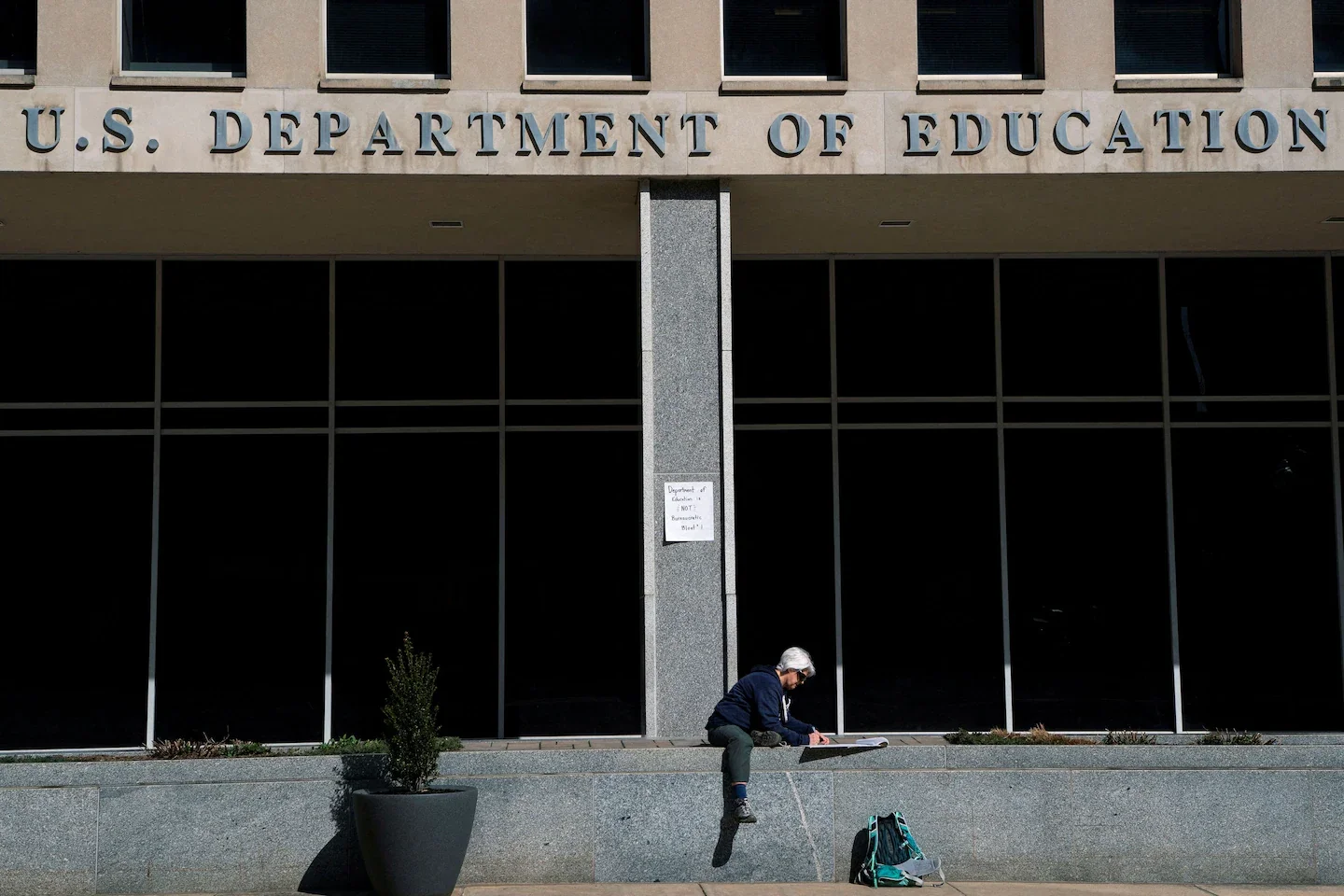
The article discusses President Trump's efforts to eliminate the Education Department through budget cuts and a government shutdown, moving closer to this goal.
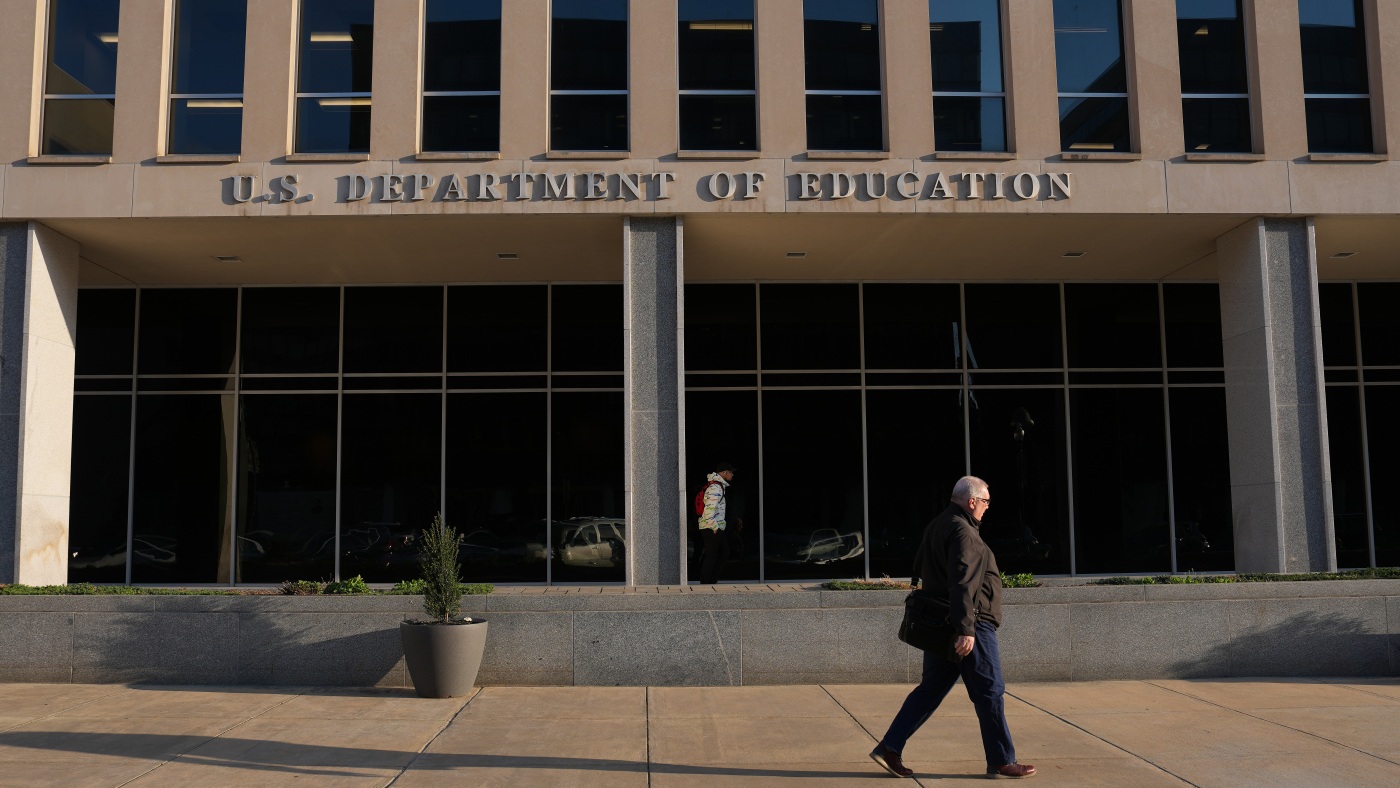
A new wave of layoffs at the Education Department is significantly reducing staff, especially in offices overseeing special education, civil rights, and funding programs, threatening disruptions in services for students with disabilities, low-income students, and educational programs nationwide, amid broader government shutdown-related budget cuts.
Mass firings have occurred at the CDC, Education Department, and other federal agencies, breaking with precedent and raising concerns about transparency and internal stability, as reported by Sam Stein.
A federal workers union is suing the Trump administration over the insertion of partisan language blaming Democrats for the government shutdown in out-of-office email messages, arguing it violates employees' First Amendment rights and possibly the Hatch Act, amid concerns of politicization of government communications.
The Education Department has resumed student loan forgiveness for borrowers under the Income-Based Repayment plan, allowing those who have been repaying for 25 years to have their remaining balances cleared.
The US government shutdown has halted operations at the Education Department, causing delays in student loan forgiveness and repayment plans, with over a million borrowers facing extended wait times and increased risk of missing out on benefits amid staffing cuts and backlog issues.
George Mason University refuses to apologize to the Education Department after being accused of violating civil rights laws, asserting that the investigation was incomplete and that no discrimination occurred, and criticizes the allegations as baseless.
The Supreme Court's conservative majority authorized President Trump to dismantle the Department of Education without following statutory procedures, undermining the separation of powers and setting a precedent for executive overreach, despite congressional statutes explicitly prohibiting such actions.
The US Supreme Court is facing criticism for its unexplained and seemingly partisan rulings favoring Donald Trump, including allowing him to dismantle the Education Department and blocking Biden's student loan relief, raising concerns about inconsistent judicial reasoning and potential bias.
The Supreme Court allowed the Trump administration to proceed with dismantling the Education Department by firing about 1,400 employees, a move critics say bypasses legal procedures and shifts power from Congress to the president, raising concerns about the erosion of checks and balances and the court's partisan bias.