As World Cup 2026 approaches, a FEMA/DHS security grant program funding freeze jeopardizes security planning and Fan Fest prep in US host cities, leaving staffing gaps and prompting concerns that some cities may withdraw from hosting games.
A partial U.S. government shutdown has left $625 million in DHS security funding for 11 World Cup 2026 host cities unfunded, risking security planning and large fan events as kickoff nears. Local officials say they haven’t received the funds, forcing tough budgeting decisions and possibly canceling or scaling back fan festivals and related events in cities like Miami, Kansas City, and New Jersey. ICE funding remains intact, but the looming deadlines—roughly 100 days to kickoff and about a month to finalize fan fest plans—mean preparations could be severely affected without timely federal support.
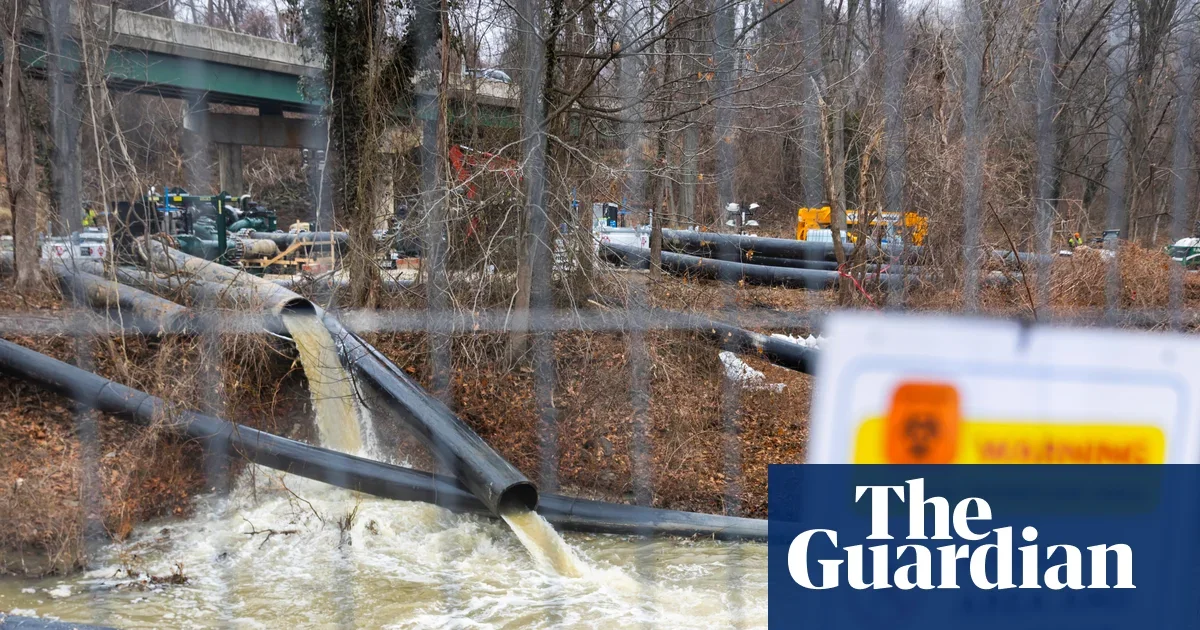
President Trump approved a federal emergency declaration to mobilize FEMA for cleanup after a rupture in the Potomac Interceptor released hundreds of millions of gallons of raw sewage into the Potomac, prompting health advisories and renewed questions about infrastructure maintenance in DC and surrounding areas.
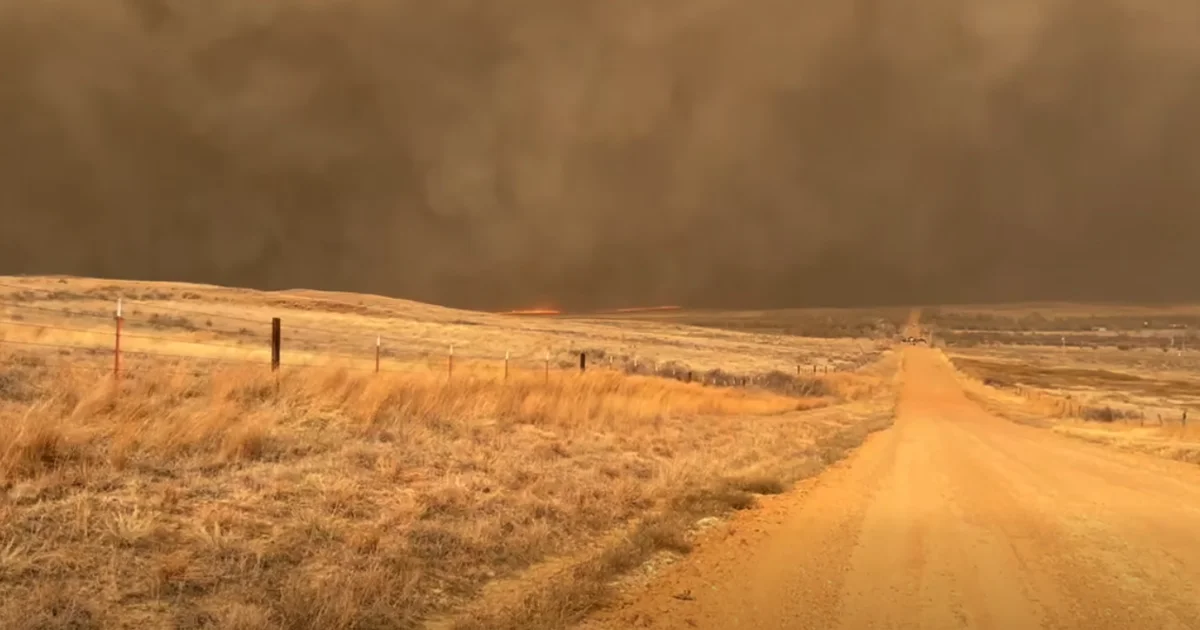
Wildfires in eastern Oklahoma and parts of Kansas have scorched more than 150,000 acres, injuring four firefighters in Beaver County and destroying eight structures in Texas and Woodward Counties. Gov. Kevin Stitt declared a state of emergency for three counties as crews battle wind-driven fires under Red Flag conditions; evacuations occurred in Woodward, and FEMA aid is being sought while authorities warn of rapid spread due to gusty winds and low humidity.
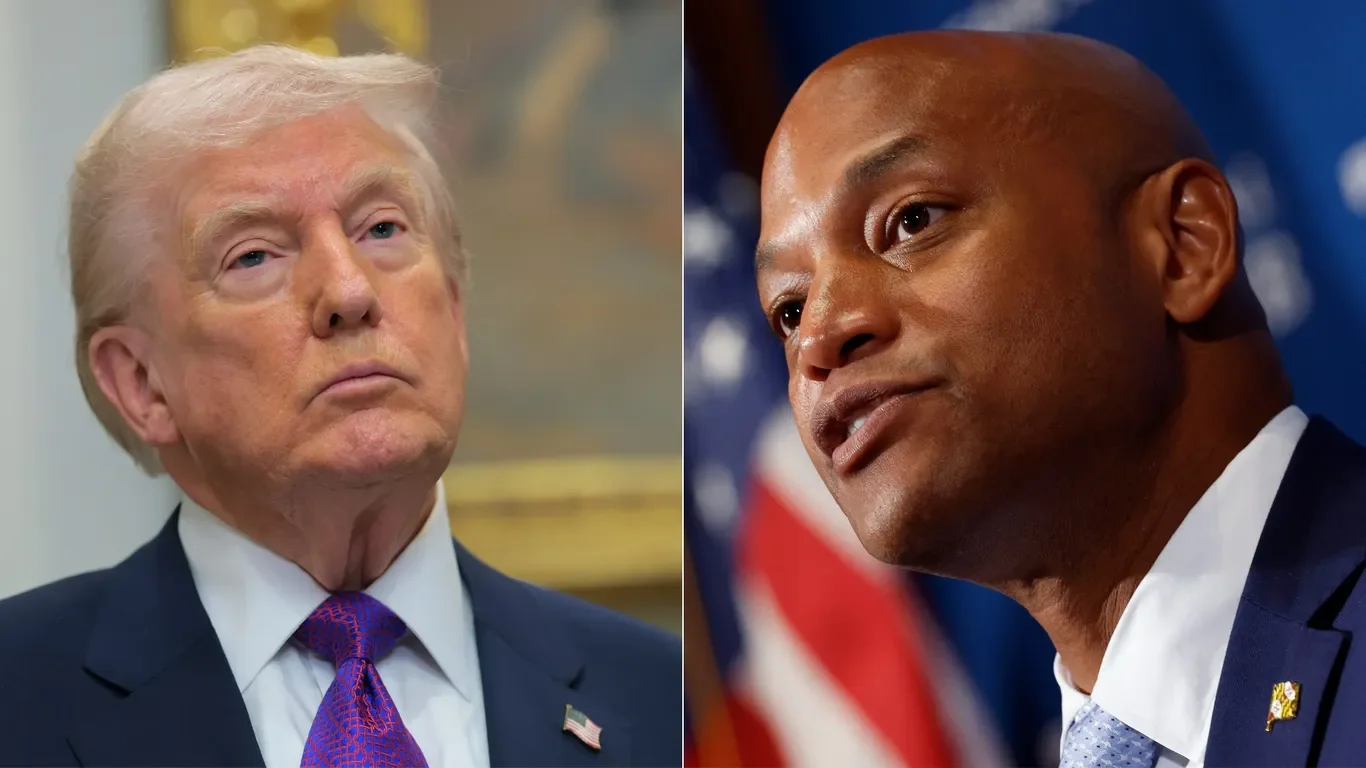
Trump pressed FEMA involvement and accused Maryland's governor and local officials of mismanaging the Potomac River sewage spill, while Gov. Wes Moore said the federal government has failed to act and pointed to DC Water as the responsible entity; bypass pumps are preventing further spills as crews work on a rock blockage, with repairs expected to take 4–6 weeks, and the public advised to avoid the river even as upstream drinking water remains safe.
President Donald Trump announced FEMA will play a key role coordinating the response to a Potomac River sewage spill that dumped more than 200 million gallons of wastewater, criticizing Maryland Gov. Wes Moore and arguing the federal government must step in. Maryland officials say DC Water is routing the flow and that the EPA’s participation is a point of contention, with repairs potentially taking up to 10 months. The situation comes as FEMA faces funding constraints amid a partial DHS shutdown, though most disaster aid can continue for now with about $7 billion in its relief fund.
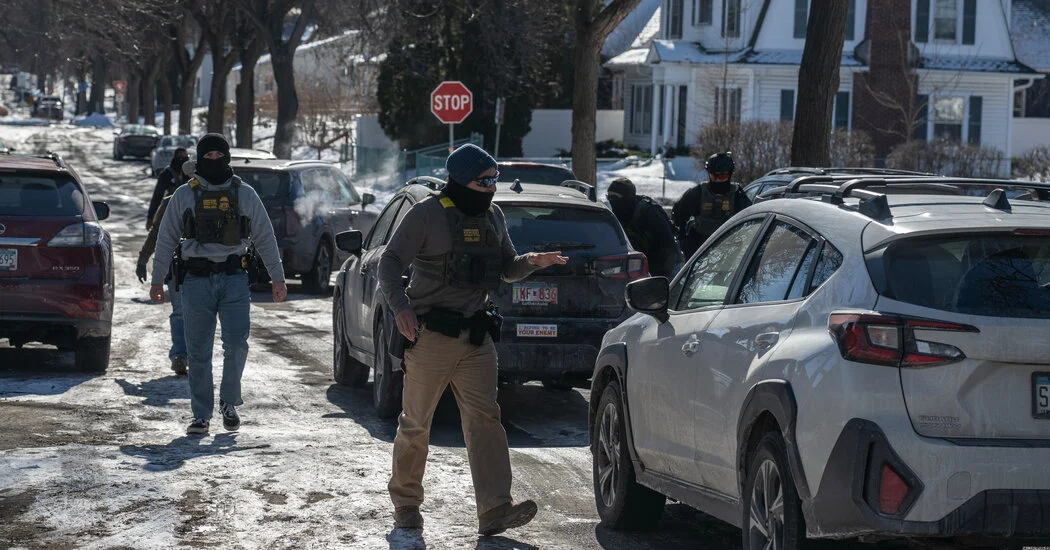
Funding for the Department of Homeland Security has lapsed amid a partisan dispute over Democrats’ demands to curb immigration enforcement, but most DHS operations continue with essential workers on duty. ICE and CBP are expected to operate with little disruption, TSA workers remain largely on the job, and FEMA staff—about 85%—will work without pay, potentially growing strains over time. The standoff centers on Senate votes and policy concessions: Democrats want warrants, visible identification, limits on face coverings, stricter use-of-force and training rules, and an end to roving patrols, while Republicans warn against burdensome safeguards and seek broader restrictions on sanctuary jurisdictions. Travelers could face delays as the situation unfolds, though air traffic control funding was already secured for now.
Republicans are broadening their critique of Homeland Security Secretary Kristi Noem beyond the Minneapolis immigration fallout, highlighting perceived missteps at FEMA and the agency’s cyber unit (CISA), concerns about transparency with Congress, and internal leadership tensions, even as Trump expresses support for Noem and GOP lawmakers weigh how DHS should be run.
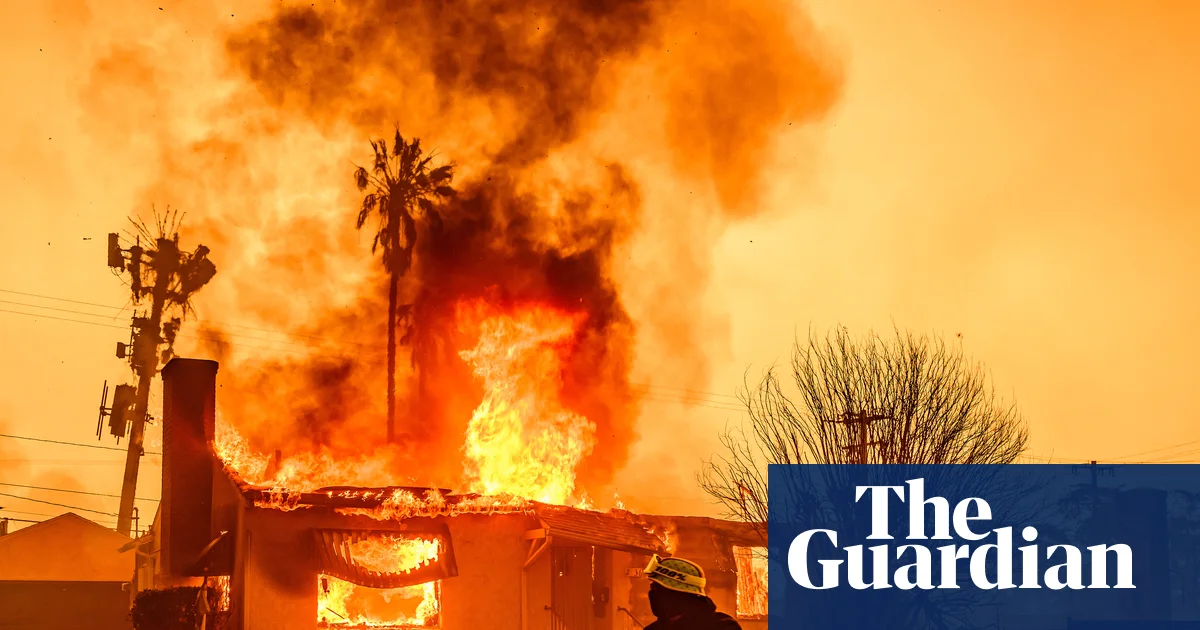
President Trump says he will appoint EPA chief Lee Zeldin to take over California’s home-construction permitting, effectively overruling local authorities to speed rebuilding after the Los Angeles-area wildfires. He also ordered FEMA to audit federal funding, setting up a clash with California Democrats who argue the move is an overreach and that federal aid, not permitting control, is needed. LA and state leaders have criticized the effort while thousands of permits remain pending as reconstruction proceeds amid a costly, deadly disaster.
A massive winter storm is forecast to bring heavy snow, dangerous freezing rain, and life-threatening wind chills across up to 34 states, potentially affecting 230 million Americans and causing widespread power outages, tree damage, and hazardous travel. FEMA and DHS urge following local officials, enabling emergency alerts, and preparing supplies for several days, including heating sources and shelter plans. Stay indoors when advised, avoid travel, check on neighbors, and practice safety to prevent fires, carbon monoxide poisoning, hypothermia, and frostbite. Use resources like 2-1-1 for services, text SHELTER + ZIP to 43362 to locate shelters, and Ready.gov/winter-weather for more guidance.
A massive winter storm could test FEMA’s readiness as the agency’s manpower is reduced under the Trump administration. With up to about 160 million people at risk of multi-day outages, FEMA has deployed incident management teams and state coordination resources, but watchdogs warn that staffing gaps and past proposals to dismantle FEMA programs could hamper response and recovery.
The Department of Homeland Security paused non-renewals of dozens of FEMA disaster-response employees as it ramps up preparations for a massive, life-threatening winter storm projected to strike about half the country this weekend.
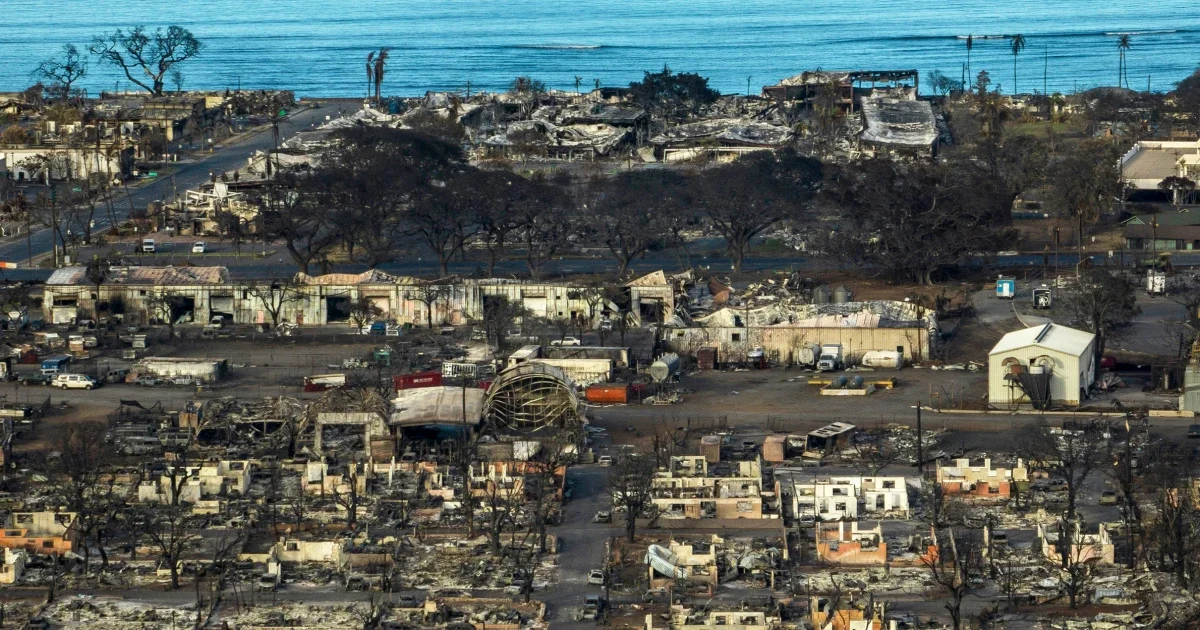
Nearly 1,000 Maui households displaced by the 2023 wildfires could lose FEMA rental assistance as a decision on extending the program approaches; the current 18-month aid runs through February 2026, but Hawaii has asked for another extension amid a rental market with under-2% vacancy and rents up 50–60% since the fires. If aid ends, hundreds in modular and direct-lease units and those depending on aid face eviction or relocation, threatening recovery in Lahaina. Contingency plans include Kilohana’s 167-unit modular complex and Ka La’i Ola housing, and officials say extensions could come with milestones to accelerate rebuilding, while the county and state prepare plans to take over units if needed.
Experts warn that under Trump's leadership, the US has experienced significant reductions in disaster preparedness and response capabilities, including budget cuts and staffing reductions at FEMA and NOAA, leaving the country more vulnerable to natural disasters amid escalating climate crises.
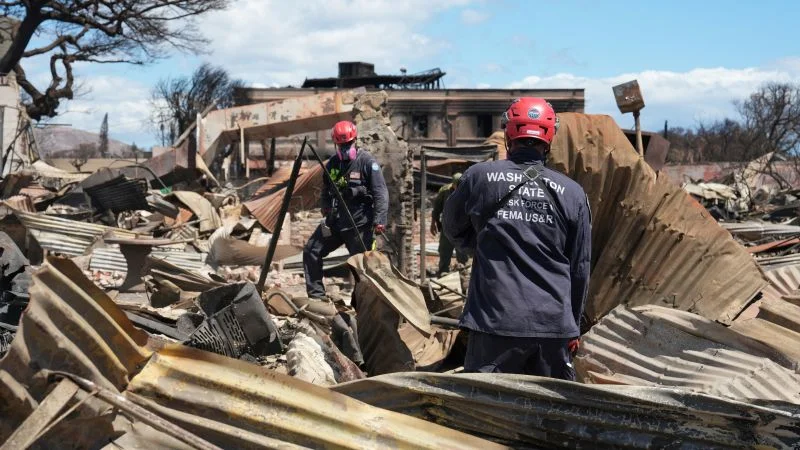
The Trump administration is significantly reducing FEMA's disaster response staff, particularly targeting the CORE teams, as part of a broader effort to downsize the agency and shift disaster management responsibilities to states, raising concerns about preparedness and federal support during emergencies.