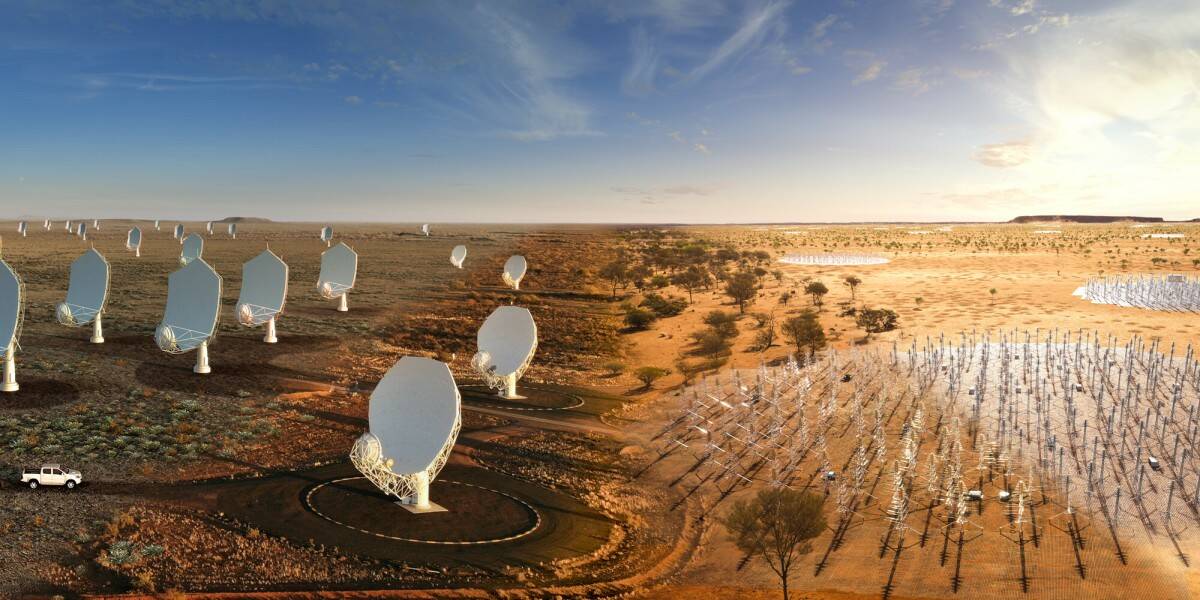
The SKA's datacenter in Western Australia, nearly complete, is protected by two Faraday cages to prevent RF leaks that could interfere with the world's largest radio telescope, which aims to explore the universe with unprecedented sensitivity. The project involves extensive antenna installation and will continue until 2029, with scientific proposals starting in 2024 and initial tests in 2027.
The Australian Square Kilometre Array Pathfinder (ASKAP) is developing techniques to mitigate satellite interference as it copes with increased satellite traffic, particularly in the bands used for its observations. The project's head of data operations, Dr. Matthew Whiting, highlighted concerns about the impact of satellite signals on ASKAP's operations and discussed efforts to predict and mitigate interference. ASKAP's use of Pawsey's "Setonix" supercomputer has also presented challenges due to the project's high data rate, producing four terabytes an hour at its peak.
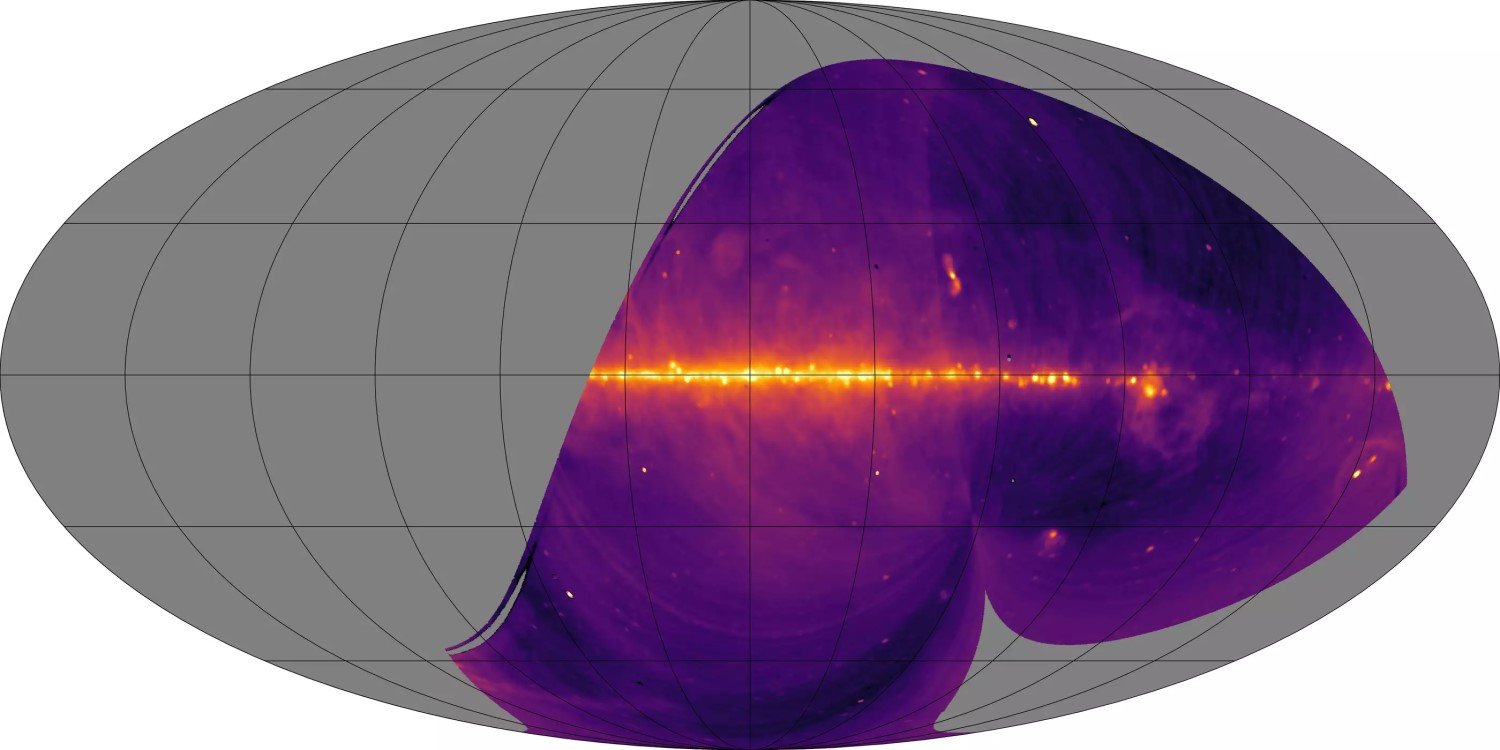
The Square Kilometre Array's radio telescope prototype, SKAMPI, has achieved first light in South Africa, demonstrating its spectral and pulsar capabilities by capturing the Southern sky at 2.5GHz wavelength. The telescope's success will inform the development of the 197-dish SKA-Mid telescope and the construction of the SKA-Low facility in Australia. India has also recently become a full member of the Square Kilometre Array project.
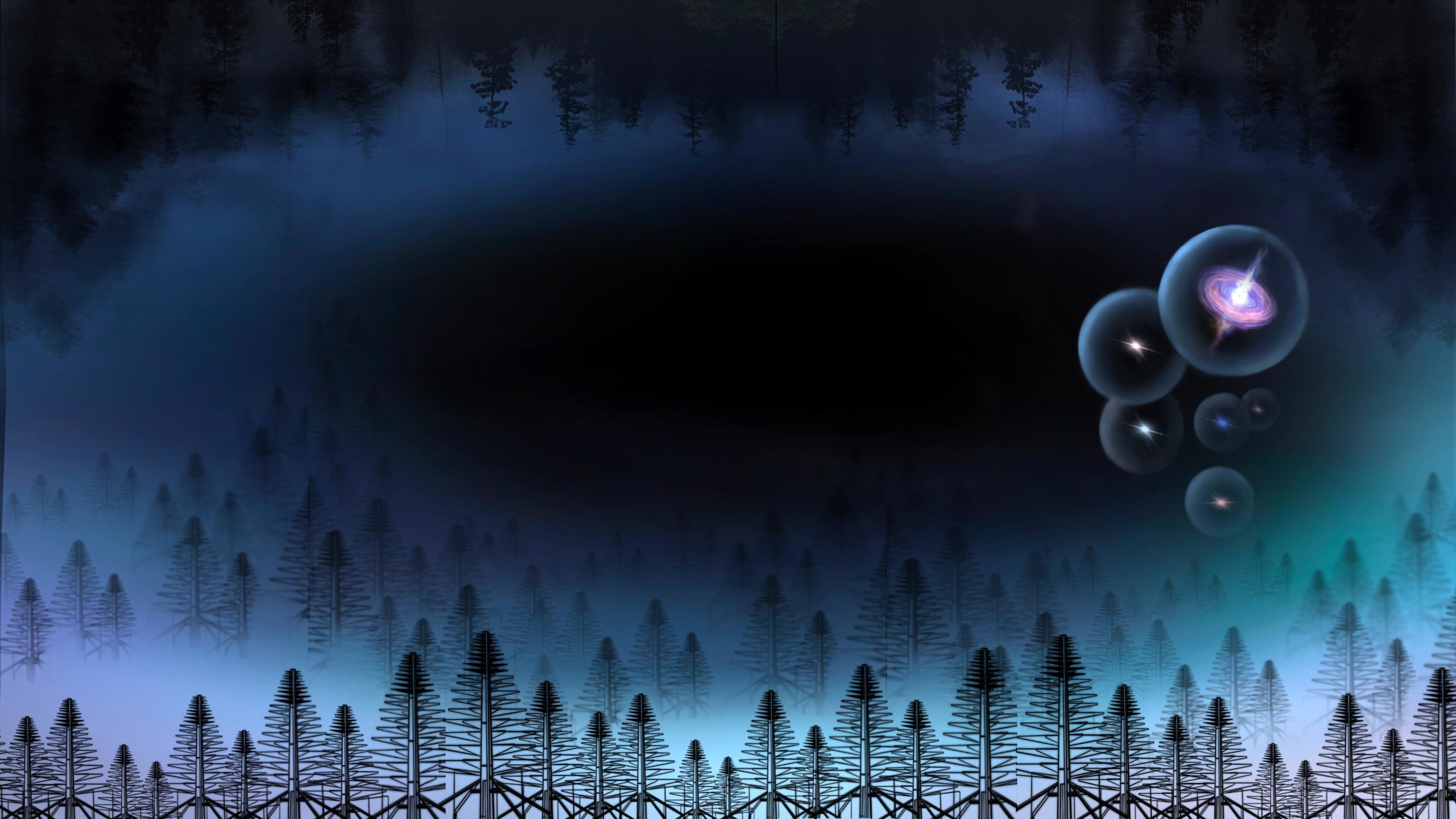
A joint research team has proposed using the 21-cm forest probe to study dark matter and the formation of early galaxies simultaneously. This novel approach, made possible by the ongoing Square Kilometre Array project and the discovery of high-redshift radio-loud quasars, could provide insights into the thermal history of the universe and help constrain dark matter properties. The 21-cm forest probe, which measures the 1-D power spectrum of atomic hydrogen gas, offers a viable means of understanding dark matter and the first galaxies beyond the reach of other observations.