The Australian Square Kilometre Array Pathfinder (ASKAP) is developing techniques to mitigate satellite interference as it copes with increased satellite traffic, particularly in the bands used for its observations. The project's head of data operations, Dr. Matthew Whiting, highlighted concerns about the impact of satellite signals on ASKAP's operations and discussed efforts to predict and mitigate interference. ASKAP's use of Pawsey's "Setonix" supercomputer has also presented challenges due to the project's high data rate, producing four terabytes an hour at its peak.
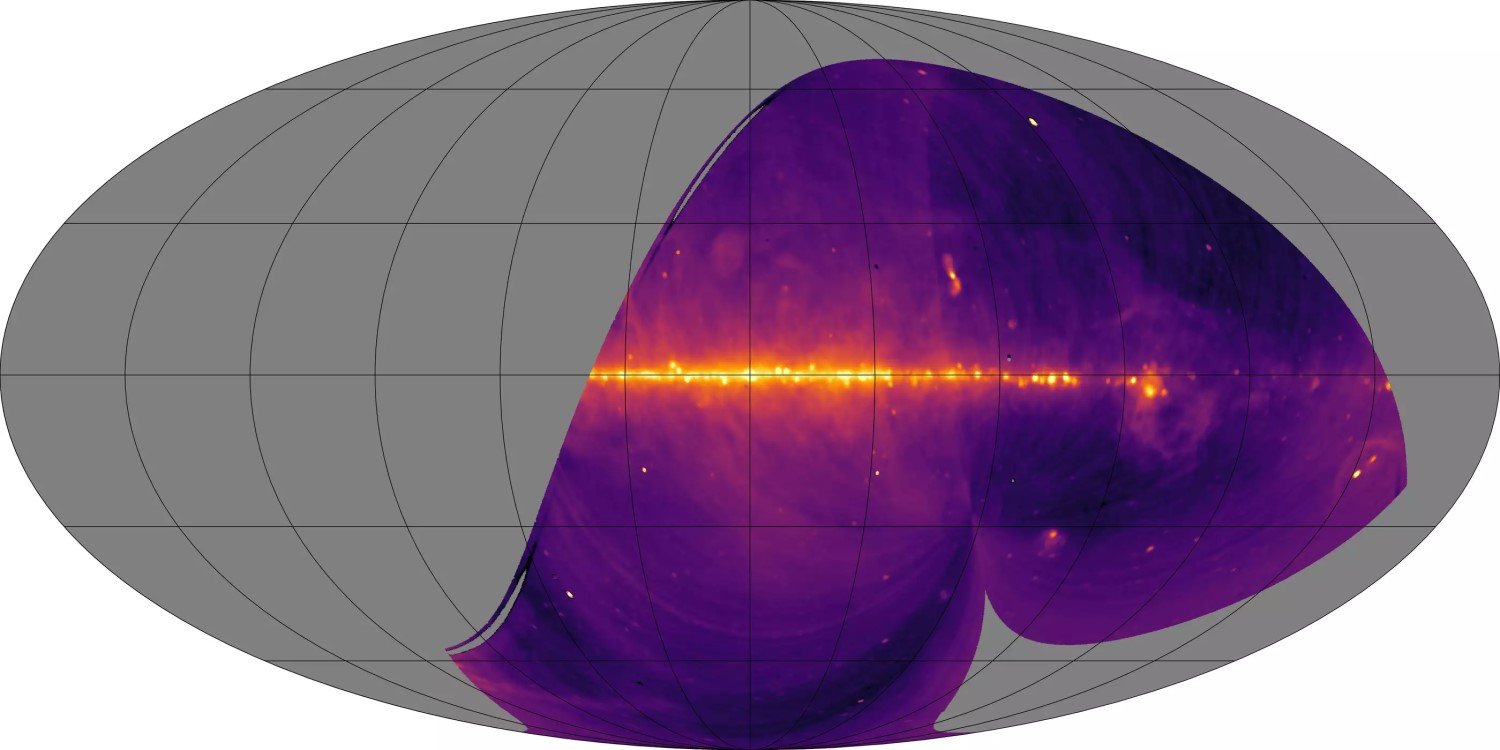
The Square Kilometre Array's radio telescope prototype, SKAMPI, has achieved first light in South Africa, demonstrating its spectral and pulsar capabilities by capturing the Southern sky at 2.5GHz wavelength. The telescope's success will inform the development of the 197-dish SKA-Mid telescope and the construction of the SKA-Low facility in Australia. India has also recently become a full member of the Square Kilometre Array project.
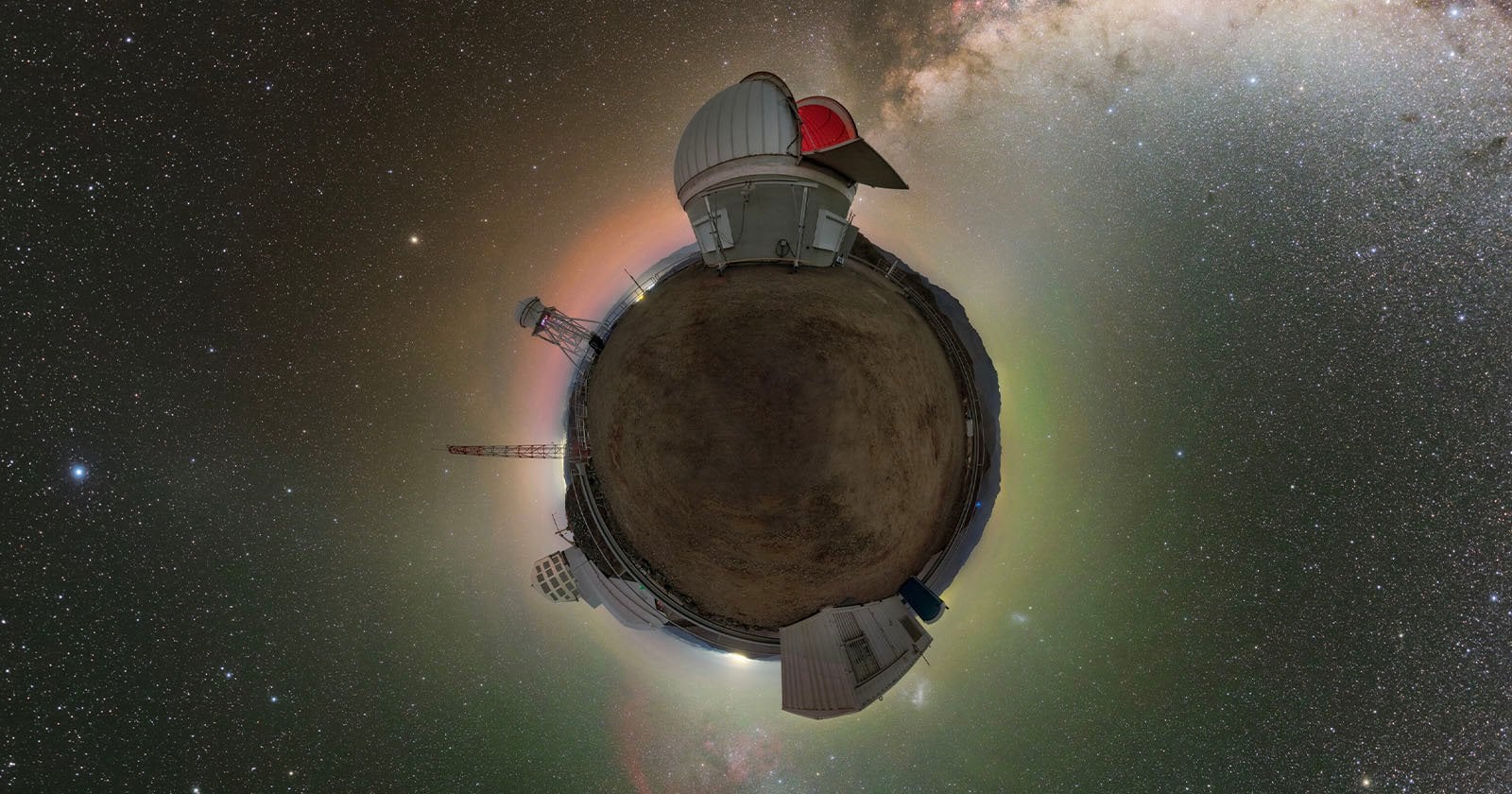
Astrophotographer Petr Horálek captured a stunning 360-degree image of the Vera C. Rubin Observatory in Chile, where the world's largest digital camera will be housed. The observatory, located atop Cerro Pachón, will host the powerful 3,200-megapixel LSST Camera, which will conduct a decade-long survey of the sky, generating 20 terabytes of data nightly. Scientists anticipate the camera will identify asteroids, supernovas, and an estimated 20 billion galaxies and stars, making it a groundbreaking tool for astronomy.
Amateur radio enthusiasts in the UK have set up the UK Meteor Beacon project, which uses radio signals to observe meteors as they pass through a section of sky over England and Wales. The system captures over 100 meteors per hour and can be observed in any weather conditions, allowing for the discovery of new meteor showers and potential tracking of previously unknown comets. The project has gained funding and attention from various organizations and scientists, and the team plans to distribute echo receivers throughout the country. The low cost of the receivers encourages schools to participate in STEM-related projects. The team also aims to calculate the location and trajectory of meteors and study samples for a better understanding of the universe.