The article discusses the growing financial and emotional strain within the American frum community caused by the pressure to conform to high spending standards for events and lifestyle, which threatens the community's core values and unity, and calls for increased awareness and cultural change.

Despite consumer sentiment near record lows at the end of 2025, Americans continue to spend robustly, driven by job security and rising incomes, although inflation remains a major concern. Expectations for economic improvement in 2026 are cautious, with inflation and interest rate policies likely to influence consumer confidence. Market indices responded positively to the economic outlook.
The article discusses how economic uncertainty, inflation, and low consumer confidence are leading to decreased spending on haircuts, colors, and beauty services, with many clients opting for lower-cost options and stylists experiencing slower business, reflecting a broader economic slowdown.
Morgan Housel advocates for writing a 'reverse obituary' to guide life choices, emphasizing legacy and meaningful relationships over material wealth, similar to Warren Buffett and Jeff Bezos, and views spending as an art that reflects personal values.
Morgan Housel emphasizes that wealth is a balance of what you have minus what you want, advocating for long-term, steady wealth accumulation over quick riches, and highlights the importance of aligning spending with personal values rather than social pressures to achieve true contentment and financial independence.
Many wealthy retired boomers are living frugally and working longer than expected due to fears of running out of money, driven by increased longevity and rising costs, leading to a phenomenon called the retirement consumption puzzle where retirees save more and spend less than anticipated.
The article discusses various serious and humorous indicators that people have noticed as signs of an impending recession, including changes in fashion, music, employment patterns, consumer spending, and social behaviors, reflecting widespread economic anxiety.
The article highlights five common money mistakes that can delay retirement, including lifestyle creep, neglecting small expenses, carrying credit card debt, not having an emergency fund, and impulsive spending of windfalls. It offers practical strategies to avoid these pitfalls and improve long-term financial security.
Gen Z's spending habits are characterized by a focus on subscriptions, thrift shopping, and strategic saving, with many aiming to save around 25% of their income due to economic pressures and personal priorities, while also splurging on skincare, dining out, and travel.
Gen Z feels judged for their spending habits, blaming a lack of financial education in schools and high living costs, while many rely on parental support for expenses and lifestyle choices. Despite criticism, they aim to save and plan for future financial independence, with some expecting to become the wealthiest generation as they inherit wealth. The article highlights the need for better financial education to help them manage money more effectively.
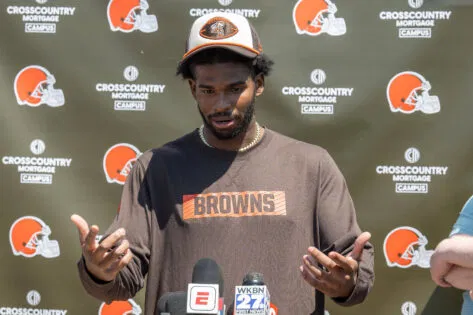
Shedeur Sanders, a Cleveland Browns rookie quarterback, has attracted criticism for his extravagant spending on luxury cars, including a $500,000 Rolls-Royce, despite not yet being a starter and facing questions about his focus and future financial stability. Fans and critics alike have debated whether his spending reflects poor judgment or justified self-reward, especially given his endorsement earnings and potential for future success.
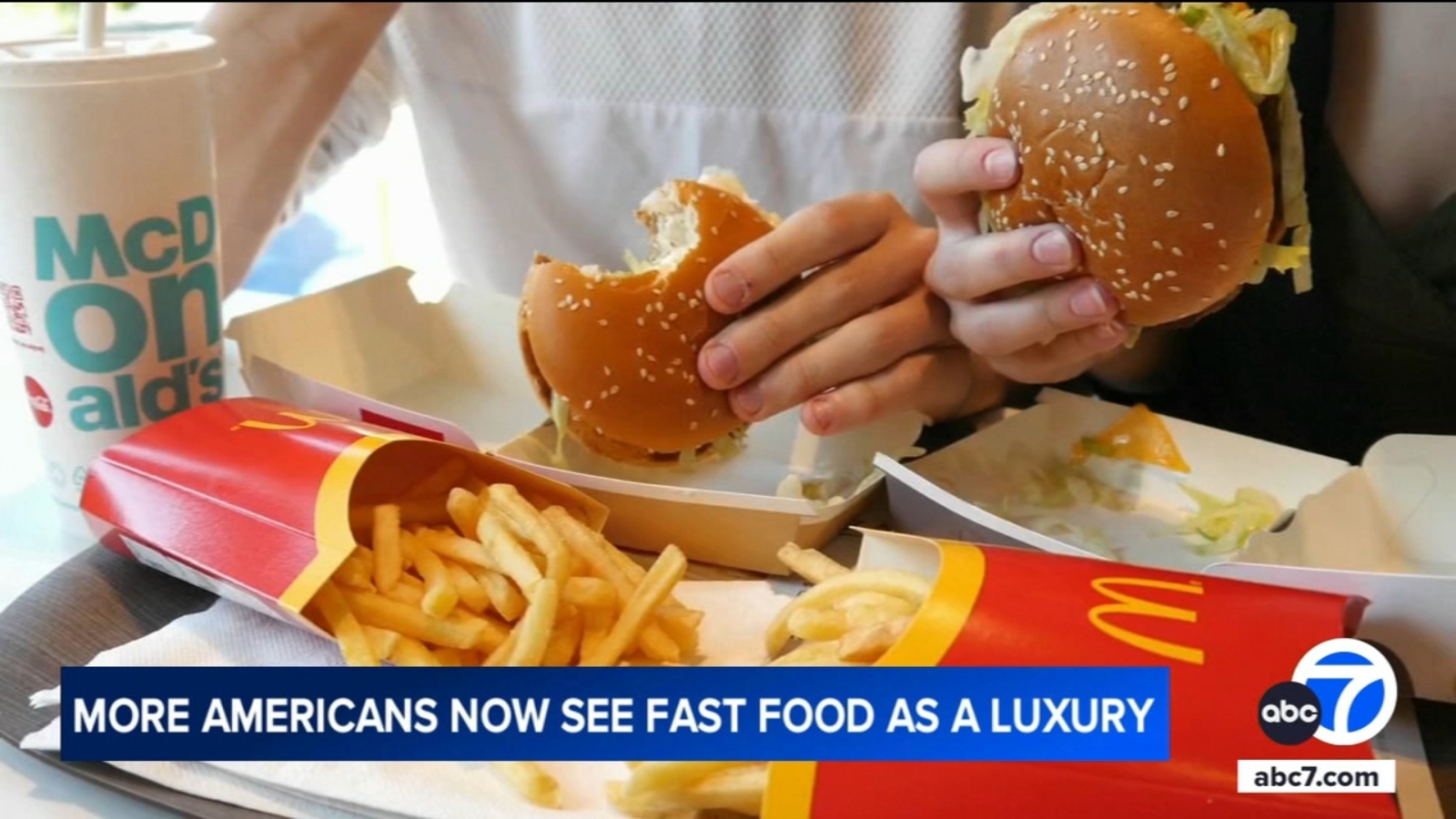
A new survey by LendingTree reveals that nearly 80% of Americans now view fast food as a "luxury" due to financial struggles, with 56% opting to cook at home instead. Concerns about surge pricing and financial constraints are particularly high among those earning less than $30,000 a year, parents with young children, Gen Zers, and women.
Market veteran Ed Yardeni argues that baby boomers' rising spending habits, fueled by a transition into retirement with a record $76 trillion in net worth, have been instrumental in fending off a consumer recession. Despite concerns about a looming economic downturn, Yardeni points to the resilience of the services sector and the impact of retirees' consumption on boosting real incomes. He also highlights how the Federal Reserve's actions and the focus on service spending may have distorted recession indicators, offering a fresh perspective on the role of the postwar generation in the economy.
Research suggests that consumers tend to spend about 10% more on average when using mobile contactless payment methods compared to traditional methods, due to the convenience and ease of use. This trend is attributed to the swift transaction process and the absence of the need to carry physical cards or a wallet. While mobile payment apps offer convenience and improved security, consumers should be aware of the potential for increased impulsive expenditures and manage their financial resources accordingly.
A New York bankruptcy judge declined to rule on a motion to force Rudy Giuliani to sell his $3.5 million Florida condo, despite concerns about his spending habits and the significant amount of money he has put into the property since declaring bankruptcy in December. Giuliani's diverse coalition of creditors, including a supermarket employee, elections technology companies, and the IRS, are seeking payment. The judge hinted at potential "draconian" measures if Giuliani does not comply with information requests about his spending habits, with the next hearing scheduled for May 14th.