In the 1960s, Michel Siffre's cave experiments revealed that humans have an internal biological clock that can operate independently of external cues, influencing our understanding of circadian rhythms, with implications for space travel, military operations, and health research.
Michel Siffre's 1962 underground experiment in a glacier cave revealed that humans have an internal biological clock, leading to the development of circadian science, with wide-ranging implications for medicine, space exploration, and understanding sleep and fatigue.
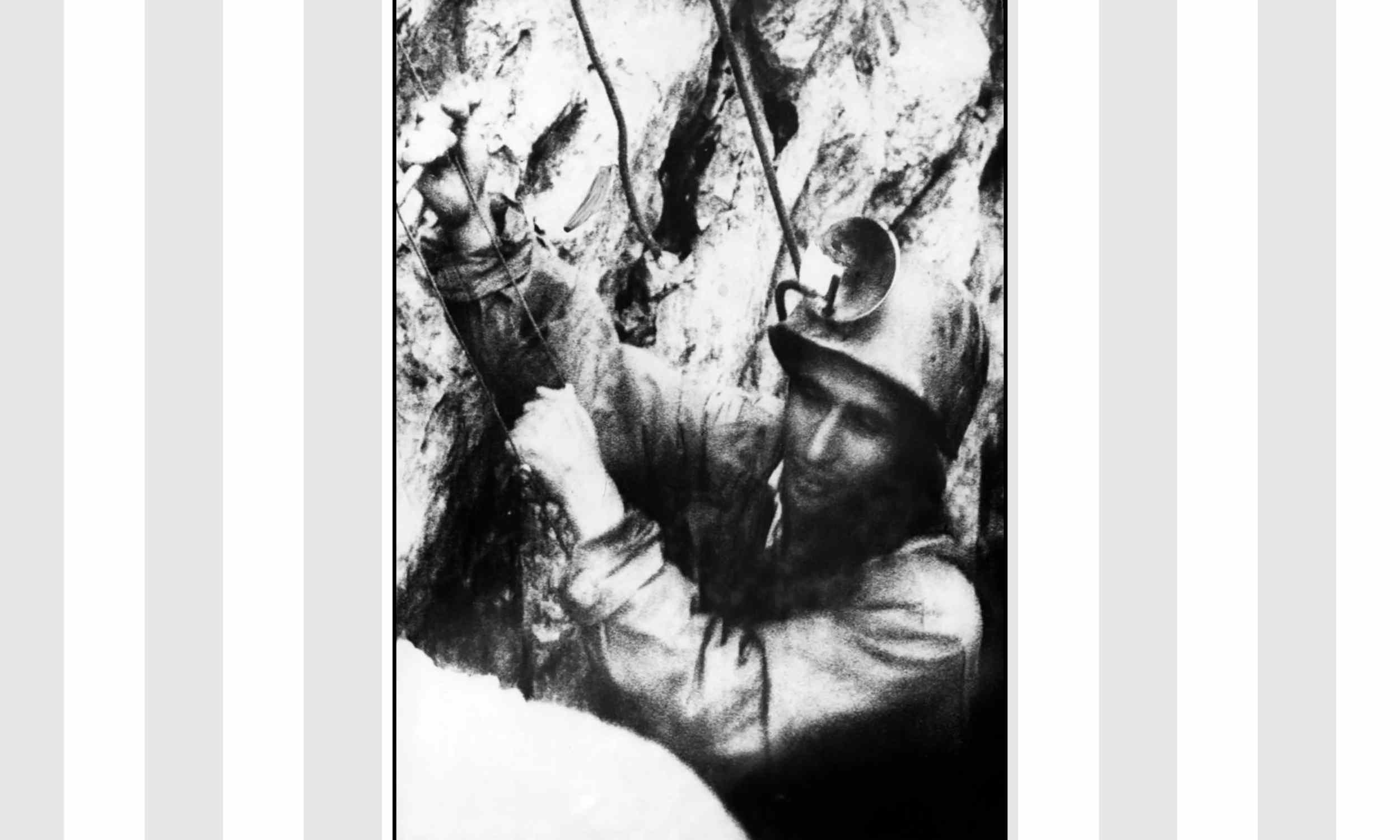
Michel Siffre's 1962 underground cave experiment, where he lived in darkness for two months, led to the discovery that humans have an internal biological clock independent of external cues like sunlight, founding the field of human chronobiology.
In 1962, Michel Siffre's 63-day cave experiment revealed that humans have an internal biological clock that can operate independently of external cues like sunlight, leading to groundbreaking insights in chronobiology and implications for space travel and military isolation.
Michel Siffre's 63-day underground experiment revealed that humans have an internal clock that can operate independently of external cues, significantly advancing the field of chronobiology and influencing studies on sleep, health, and space travel.