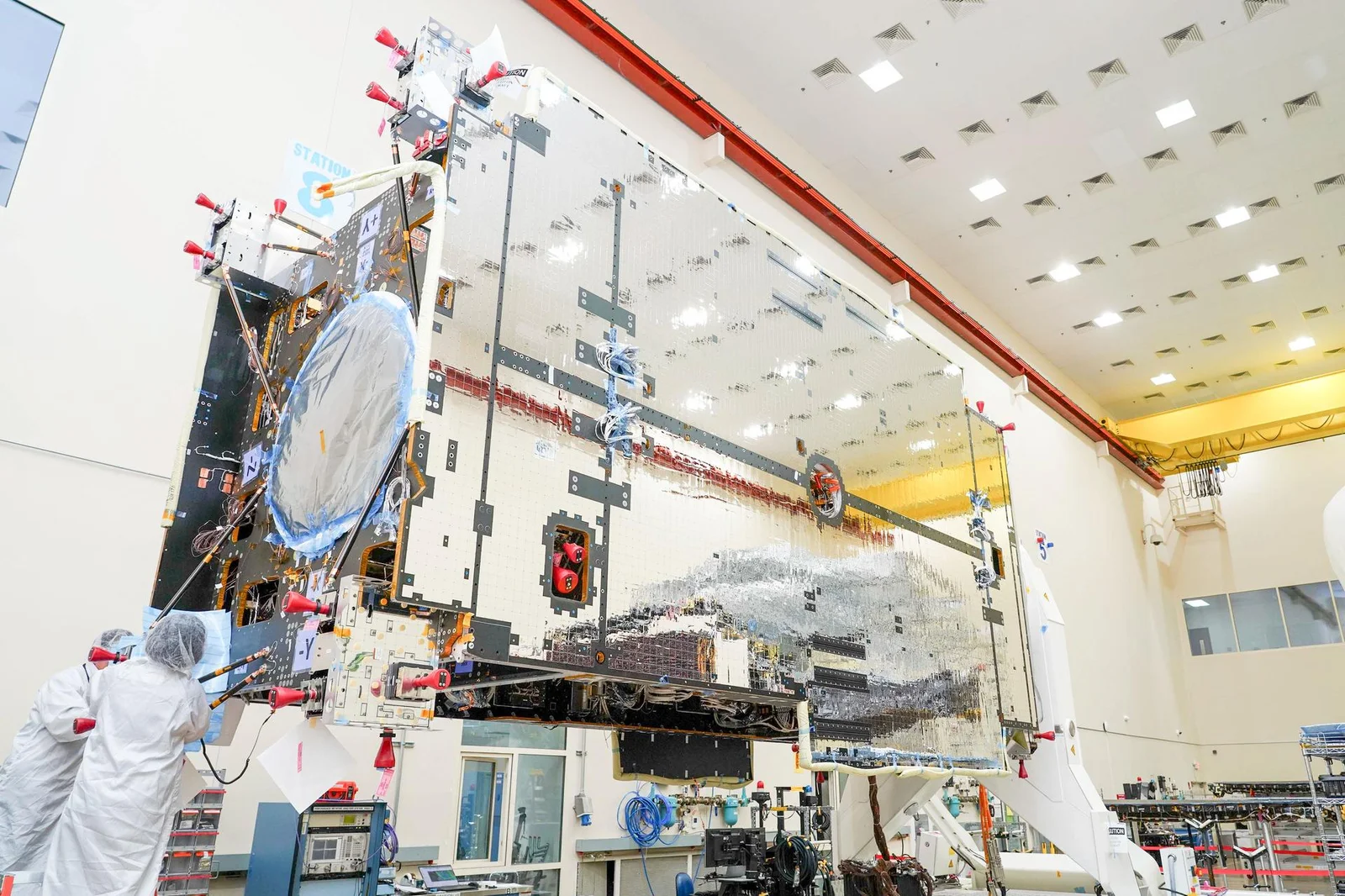
NASA has successfully powered on the Power and Propulsion Element for the Gateway lunar orbit station, demonstrating its capability to generate 60 kilowatts of power, support communications, attitude control, and orbital maneuvers, marking a significant milestone in lunar exploration technology.
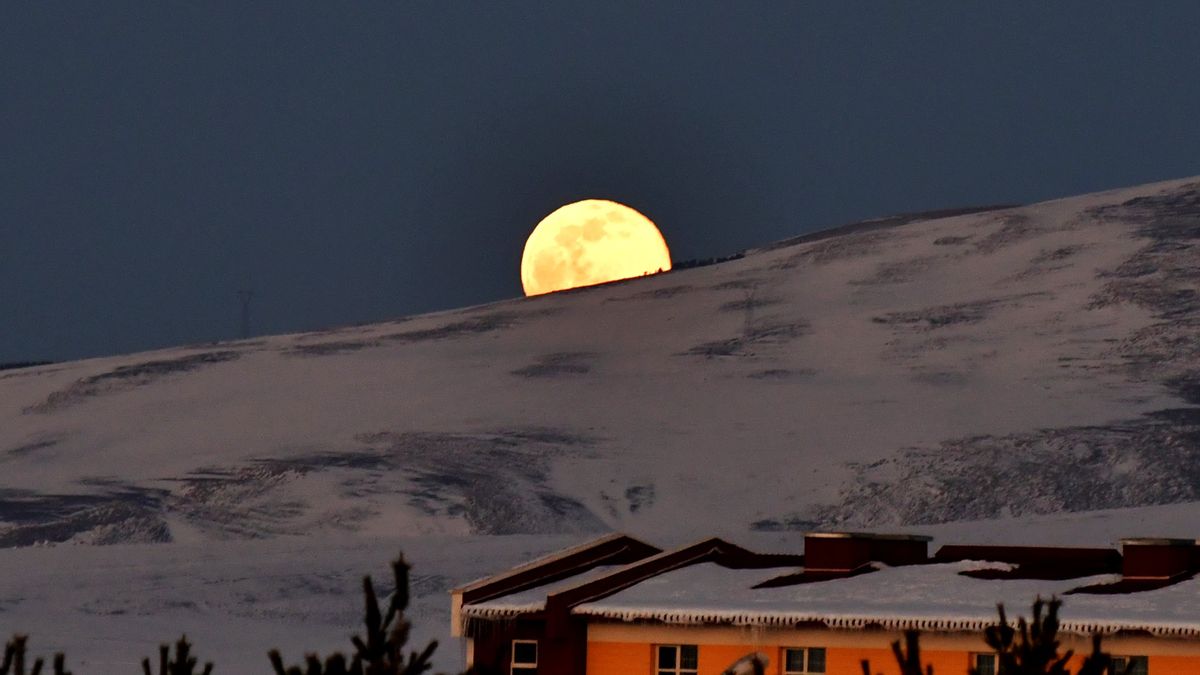
The January 2026 Wolf Supermoon will be exceptionally bright due to its proximity to Earth, coinciding with Earth's perihelion, resulting in a rare triple brightness boost, making it an ideal opportunity for moon gazing in the Northern Hemisphere.
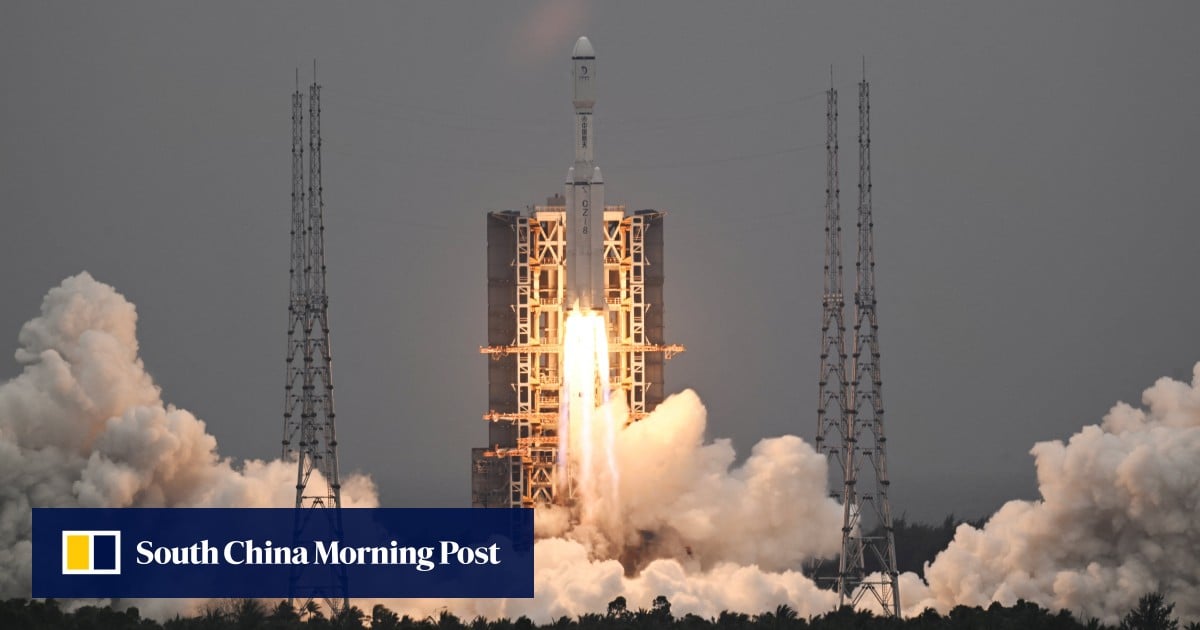
China has deployed several small spacecraft into specialized lunar and Earth-moon resonance orbits to test communication, navigation, and orbital dynamics, supporting future cislunar infrastructure development, including establishing assets at Earth-moon Lagrange points and supporting upcoming lunar missions.
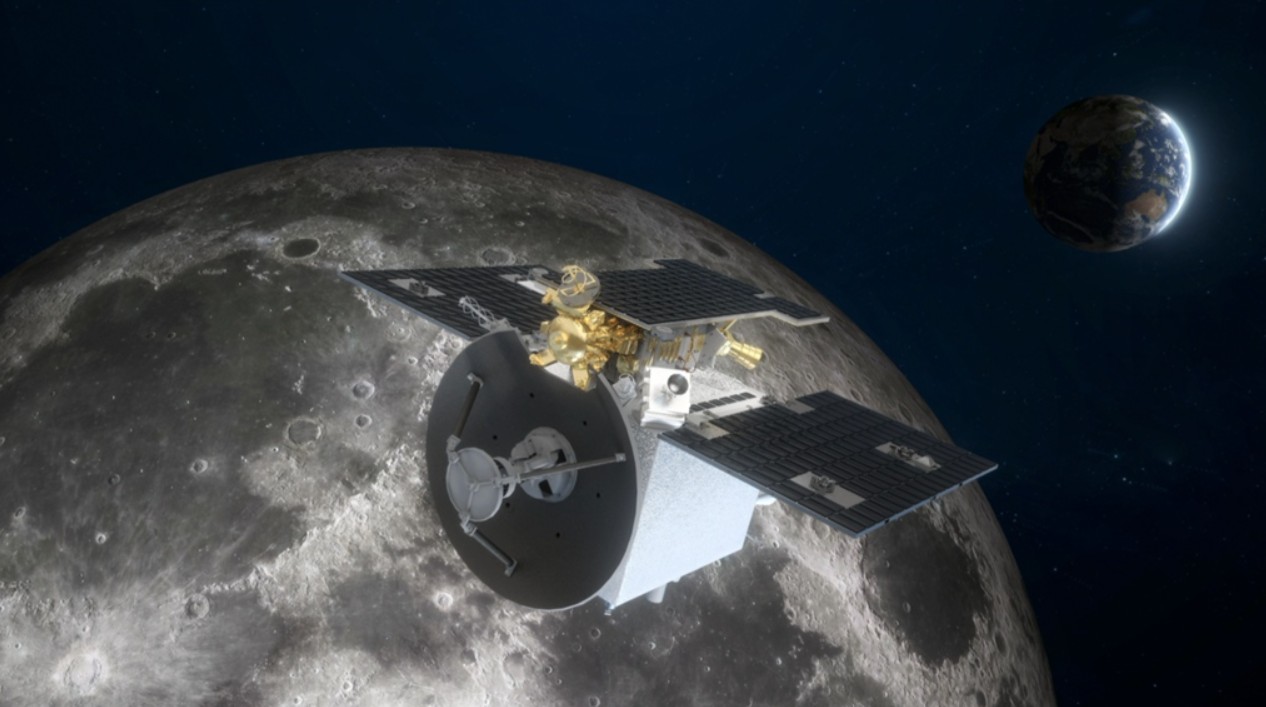
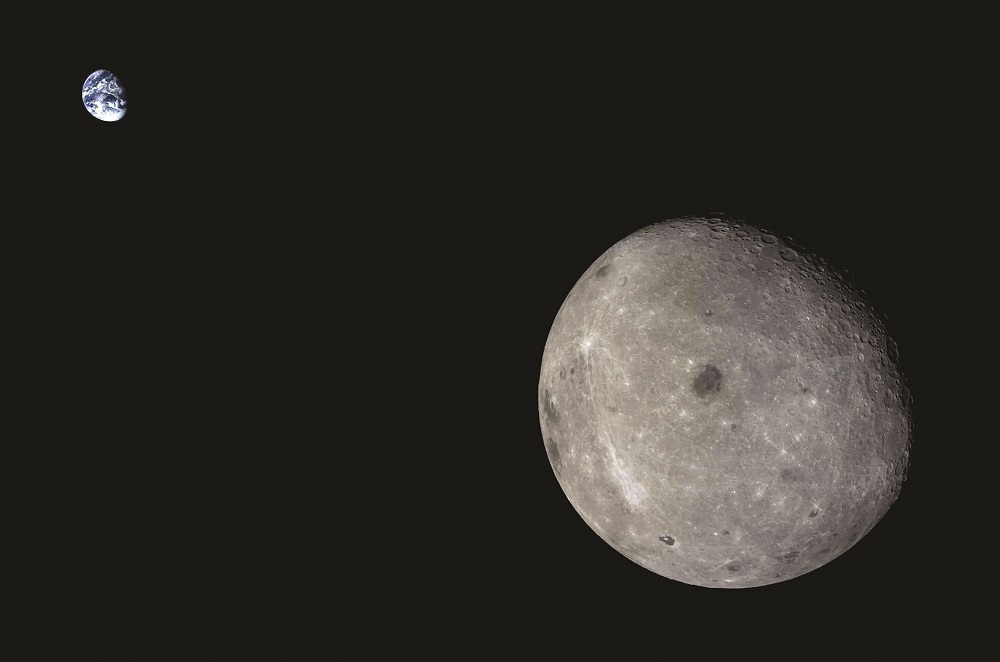
Three Chinese satellites, including the Queqiao-2 communication relay satellite, have successfully entered lunar orbit, while the fate of two others remains unclear after apparent rescue efforts. The two smaller satellites, Tiandu-1 and Tiandu-2, also successfully entered lunar orbit to test lunar navigation technologies. The status of the DRO-A/B satellites, which failed to reach their designated altitude due to an upper-stage rocket issue, remains uncertain. Queqiao-2 will conduct communication tests with the Chang'e 4 spacecraft on the moon's far side and pave the way for China's upcoming Chang'e 6 mission to collect and return moon samples from the lunar far side.
China's Queqiao-2 relay satellite has successfully entered lunar orbit, setting the stage for a future lunar far side sample return mission. The spacecraft will be crucial for communication during the upcoming Chang'e-6 mission, and it is part of China's broader plans for lunar exploration, including supporting the ongoing Chang'e-4 mission and future missions targeting the lunar south pole. Queqiao-2 also carries payloads for the science objectives of the 2026 Chang'e-7 mission and is intended to support international lunar exploration efforts.
February's Full Snow Moon, the smallest full moon of 2024, will appear up to 10% smaller in the night sky as it coincides with the moon's farthest point from Earth in its orbit, known as apogee. This month's full moon will rise around 6:30 p.m. local time in the east, reaching its highest point around midnight. The moon's elliptical orbit causes its distance from Earth to fluctuate, resulting in variations in its apparent size. While not officially recognized terms, full moons at perigee are called "supermoons," appearing up to 14% larger and brighter, while those at apogee are referred to as "micromoons." The Full Snow Moon gets its name from its occurrence in the midst of winter for the Northern Hemisphere, and it holds cultural significance in various traditions and celebrations around the world.
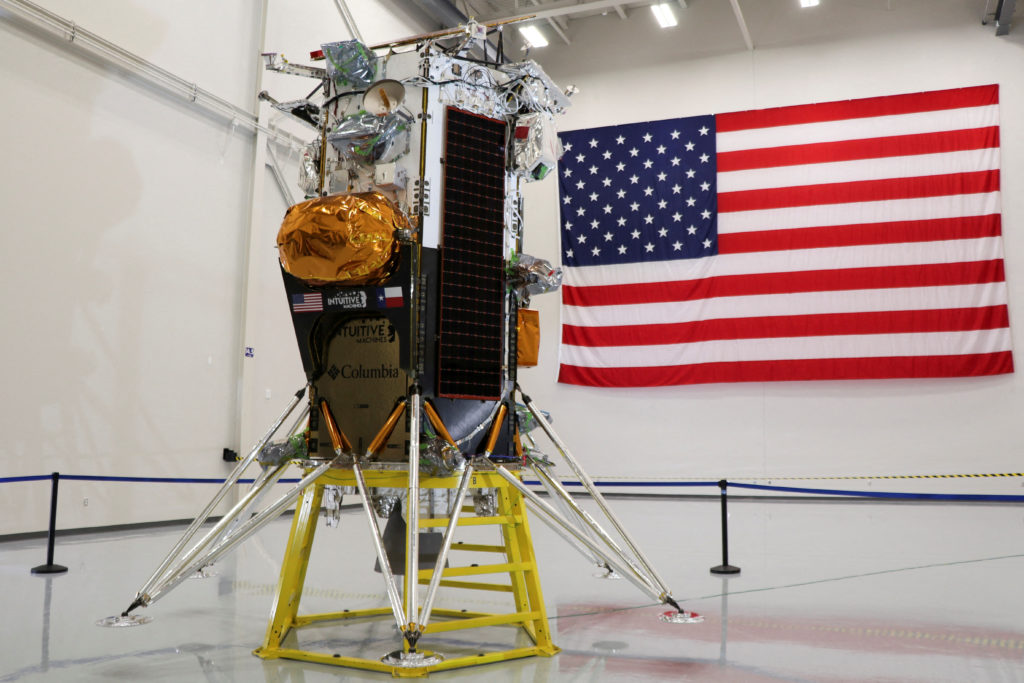
A private U.S. lunar lander, Intuitive Machines' Odysseus, has successfully reached low lunar orbit ahead of attempting a landing near the moon's south pole, a crucial maneuver that will occur on the moon's far side. If successful, this would mark the first private moon landing and the return of the U.S. to lunar exploration since the Apollo program. The mission, part of a NASA program to kickstart the lunar economy, carries experiments from NASA and other clients and aims to explore the prime real estate near the moon's south pole, believed to hold frozen water.
Intuitive Machines' moon lander, Odysseus, has successfully entered lunar orbit and is set to attempt the first U.S. touchdown on the moon in over 50 years, and the first ever by a private spacecraft. The 13-foot-tall lander is carrying science instruments and technology demonstrations for NASA and commercial customers, with a planned touchdown near the moon's south pole. If successful, this mission would mark the first controlled descent to the lunar surface by a U.S. spacecraft since Apollo 17 and the first "soft landing" on the moon by a commercially manufactured and operated vehicle.
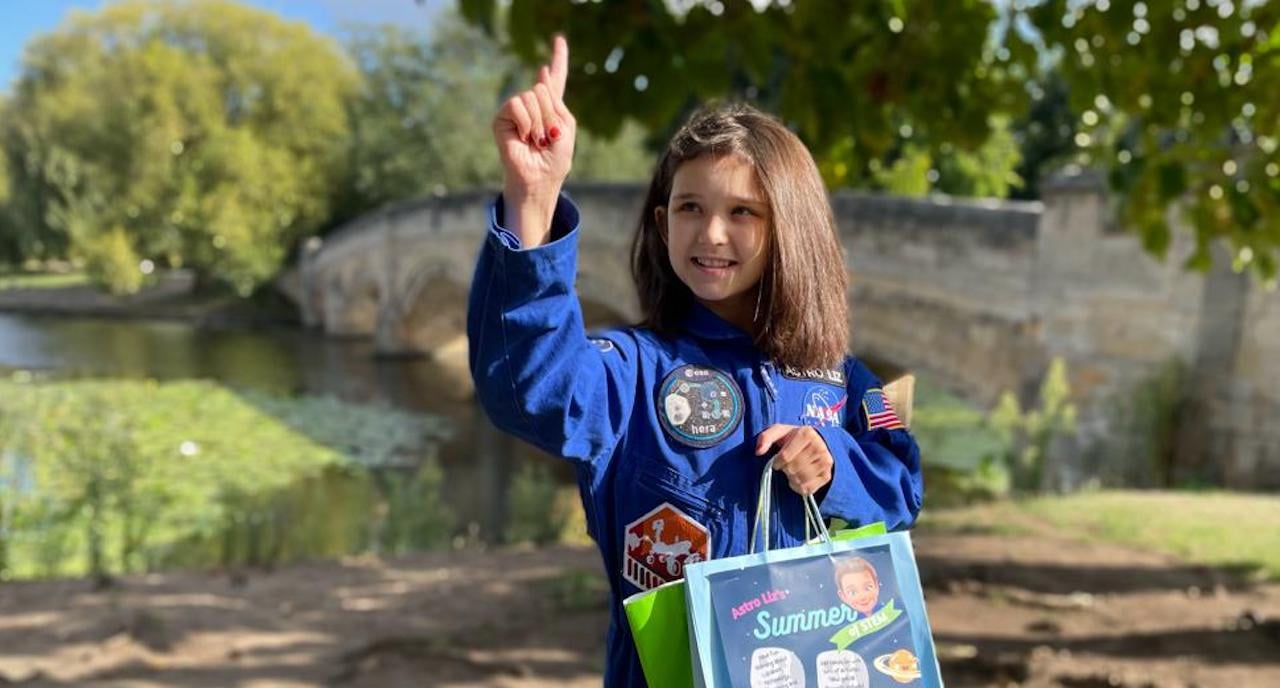
10-year-old British schoolgirl Elizabeth Norman, known as 'Astro Liz', became the first child to send something to the moon by contributing to a time capsule on the recent US commercial launch to the lunar surface. Her passion for space and a model rocket launch in her backyard caught the attention of space bosses, leading to her payload being included in the Peregrine lunar lander. Despite an unexpected challenge post-launch, the lander is expected to make a hard landing on the moon near the Gruitheisen Domes on February 23. Elizabeth's achievement serves as an inspiration for young space enthusiasts and highlights the accessibility of space exploration for all ages.
The Propulsion Module (PM) of Chandrayaan-3, which successfully completed its mission objectives in the lunar orbit, has been moved to an orbit around Earth. This unique experiment aims to derive additional information for future lunar missions and demonstrate mission operation strategies for a sample return mission. The PM was re-orbited to a suitable Earth orbit to continue operating the SHAPE payload for Earth observation, while ensuring collision avoidance with the Moon's surface and Earth's GEO belt. The return maneuvers carried out by the PM have provided valuable insights for planning trajectory and maneuvers, gravity-assisted flybys, and avoiding debris creation.
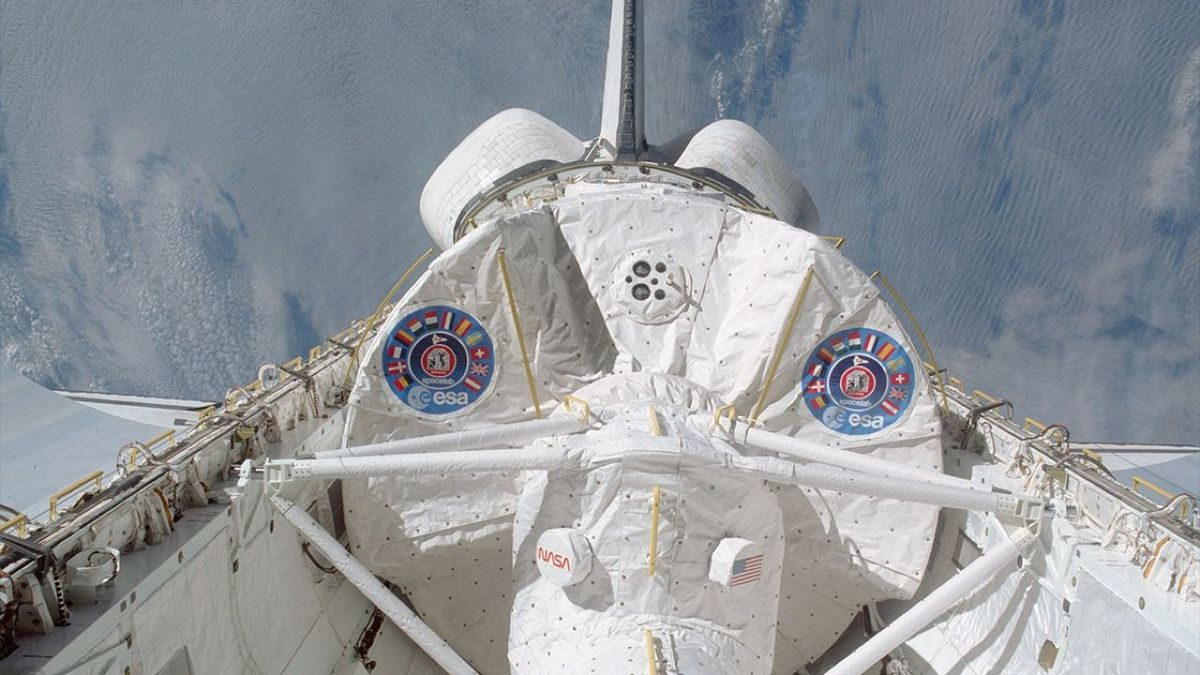
Europe's legacy of space modules, starting with the launch of Spacelab in 1983, continues with the development of I-Hab, an element of the Artemis Gateway station that will be deployed in lunar orbit. The hardware for these modules is built and assembled in Europe, with pressure shells still being machined in Turin, Italy, and integration work done in Bremen, Germany. I-Hab will serve as living quarters for crews of four aboard the Gateway and is designed to be smaller and stronger than previous European modules. It will have a "shirtsleeves" working environment and a design lifetime of 15 years. Additionally, plans are underway to deploy Spacelab-size modules on the lunar surface for a future moon base.
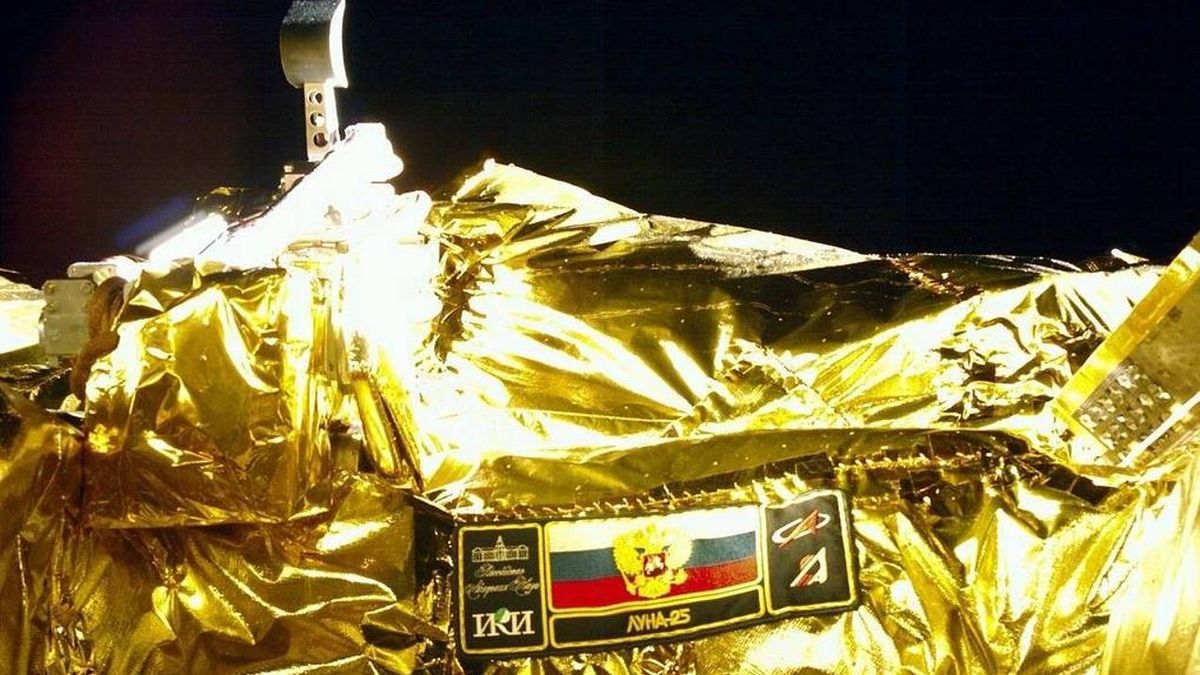
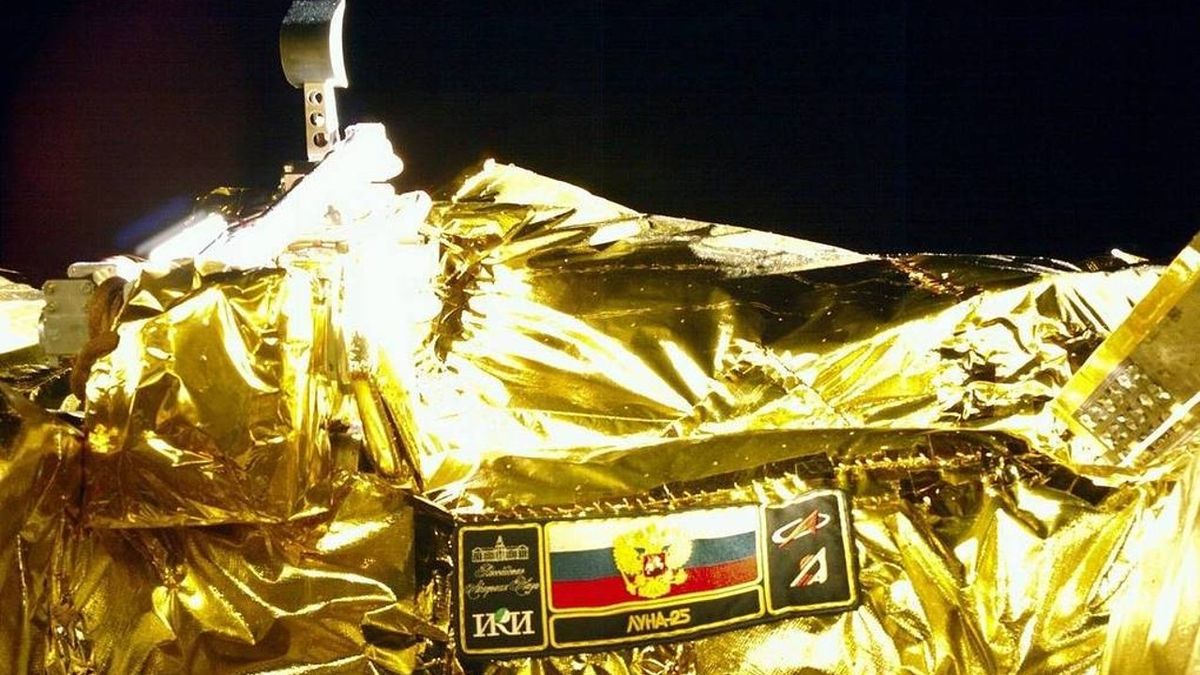
Russia's Luna-25 moon lander, the country's first moon mission in nearly 50 years, encountered an "emergency situation" during its engine burn to maneuver into its final pre-landing orbit around the moon. The Russian space agency, Roscosmos, is currently analyzing the situation. If the lander cannot recover, it would be a significant setback for Russia's space program. Luna-25 is equipped with eight science instruments and is intended to search for water ice and conduct investigations in the moon's south polar region.
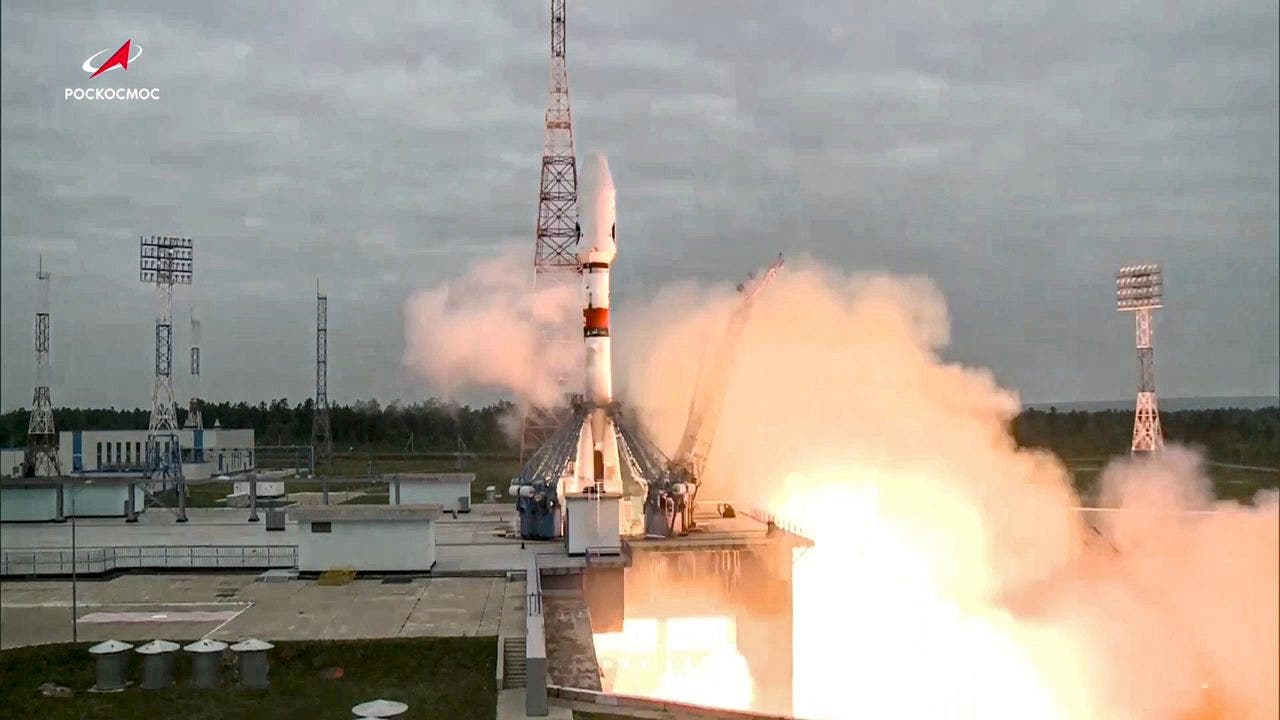
Russia's Luna-25 moon probe has successfully entered the moon's orbit, marking the country's first lunar mission since 1976. The spacecraft will circle the moon for approximately 5 days before attempting a touchdown on August 21. The mission aims to search for frozen water on the lunar surface, but its significance lies in the political competition between superpowers like China and the USA for space dominance. This mission, administered by Roskosmos, is unique as it plans to land on the moon's south pole, a previously unexplored area. The success or failure of this mission will set the tone for future Russian space endeavors.
The Indian Space Research Organisation (ISRO) announced that Chandrayaan-3 has moved closer to the Moon, entering a near-circular orbit of 153×163 km. The Lander Module is set to separate from the spacecraft on Thursday and will continue its journey to the Moon's surface independently. The Lander will undergo two orbit-reduction maneuvers before descending for touchdown on August 23. The ISRO has made improvements to the Lander based on lessons learned from the Chandrayaan-2 mission, taking a "failure-based approach" in its design. The Propulsion Module, which functioned as the Orbiter in Chandrayaan-2, will continue to collect data after the Lander separates.
Russia's Luna-25 spacecraft has successfully reached lunar orbit, marking the country's first moon mission since 1976. The spacecraft is in good condition, and its systems are functioning normally. Luna-25 is scheduled to attempt a landing near the moon's south pole in the next five to seven days, where it will study the area for the next year and search for water ice. India's Chandrayaan 3 probe is also planning a lunar landing in the same area around the same time, while NASA aims to land humans on the moon's south pole in the future.