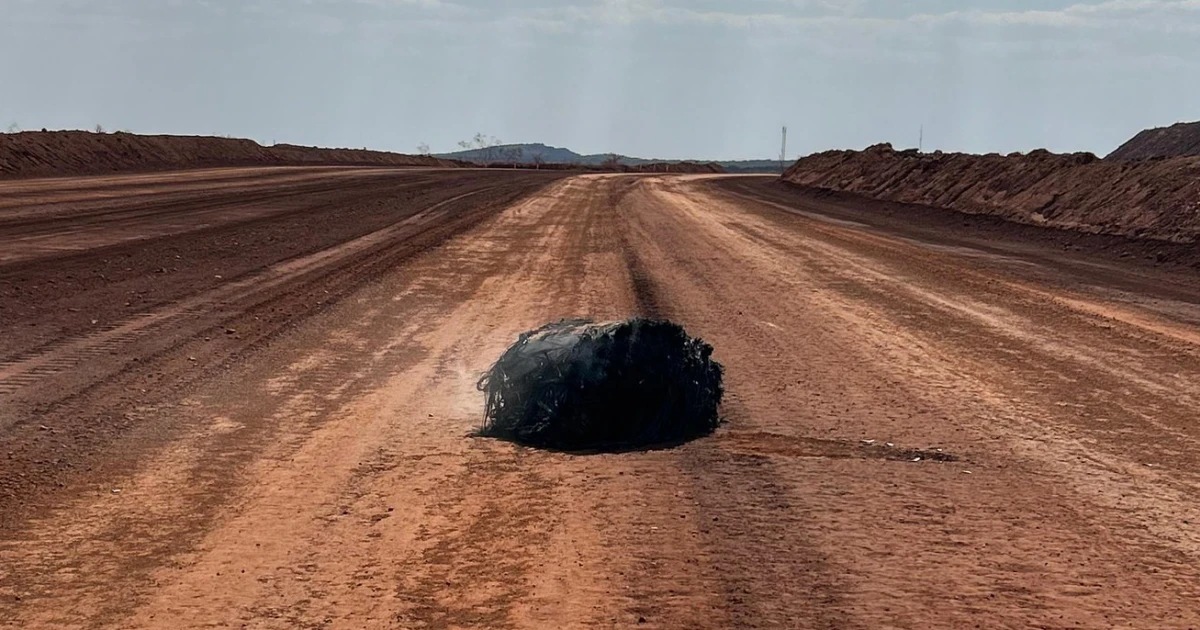
A suspected piece of space debris, likely a rocket component, was found in the Australian desert, raising concerns about space junk and its increasing presence on Earth, with authorities investigating its origin and nature.
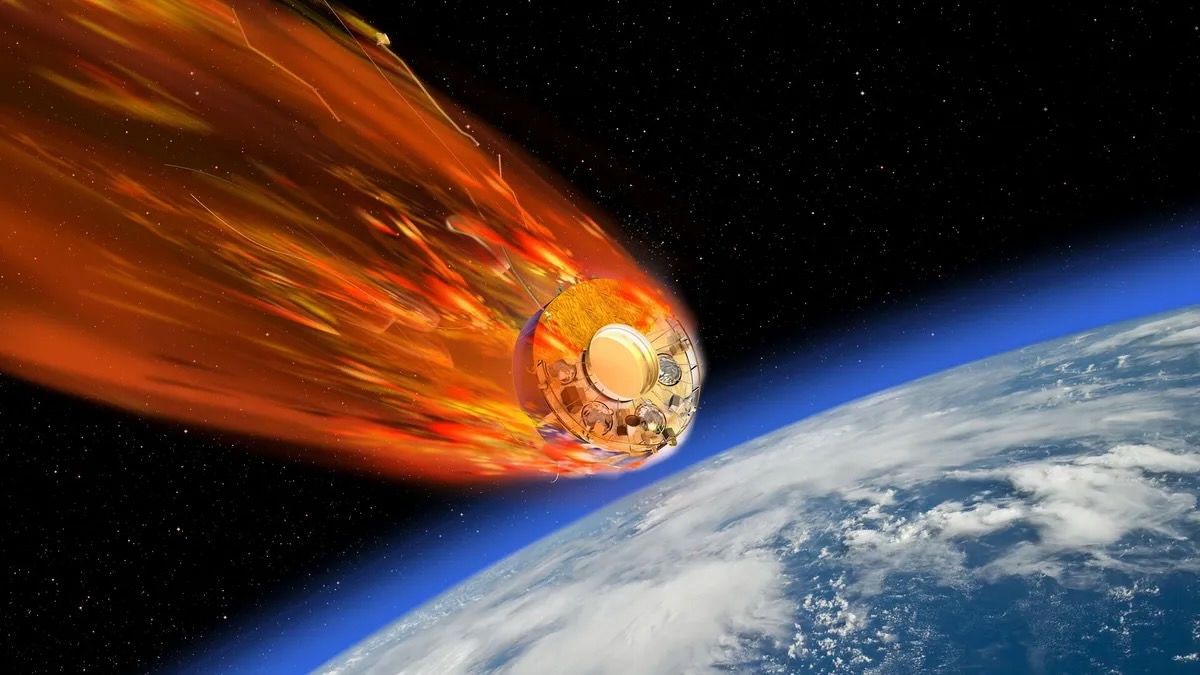
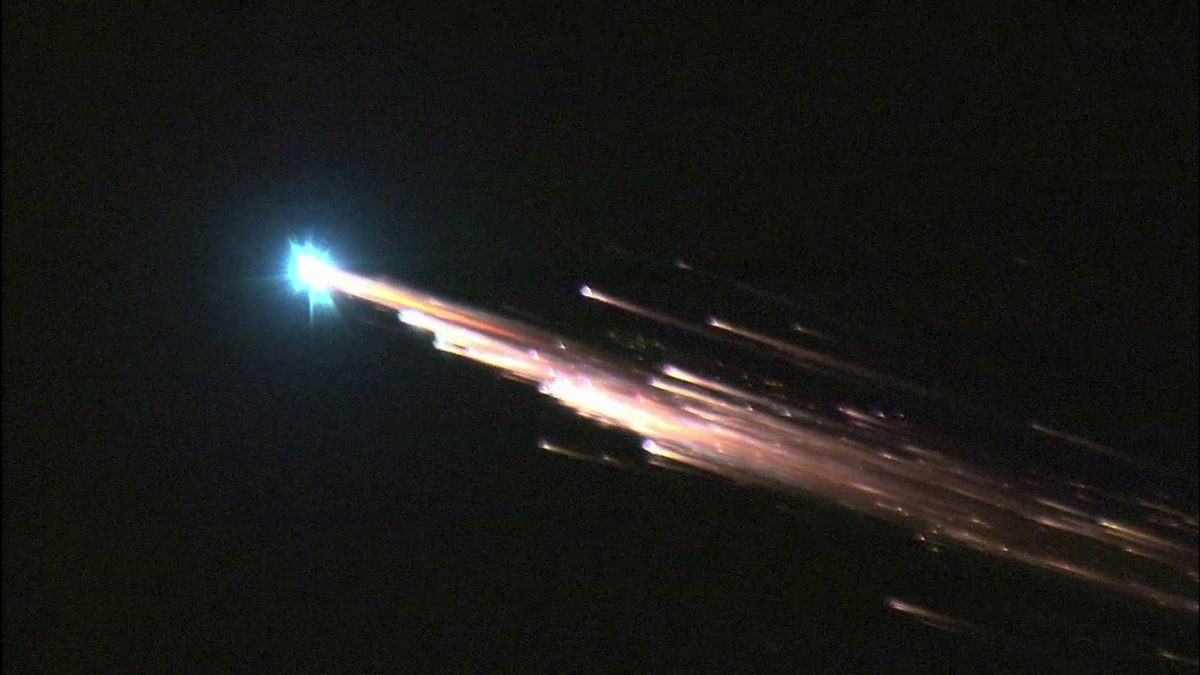
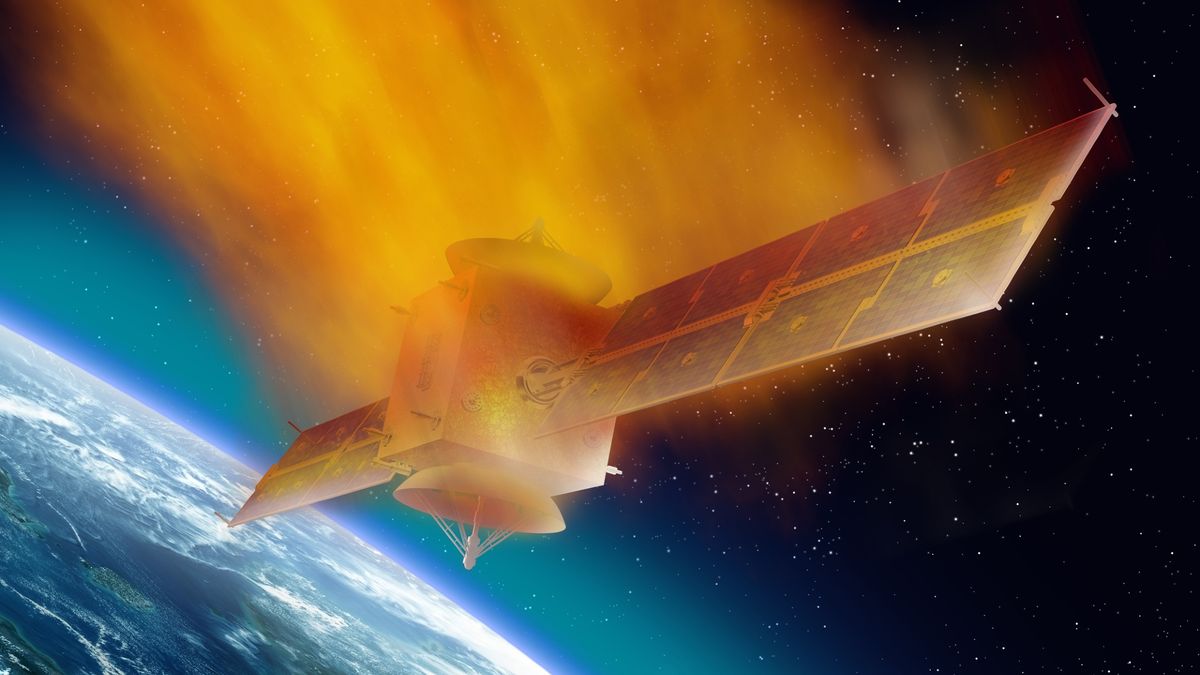
Currently, 1 to 2 Starlink satellites reenter Earth's atmosphere daily, burning up and creating space debris concerns, with projections indicating this could increase to 5 reentries per day due to satellite lifespan and increased deployment, raising environmental and safety issues related to space junk and atmospheric particles.
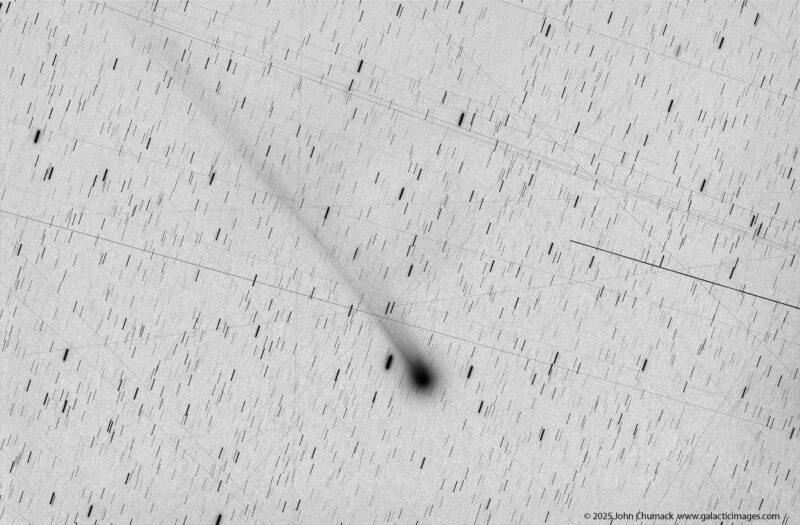
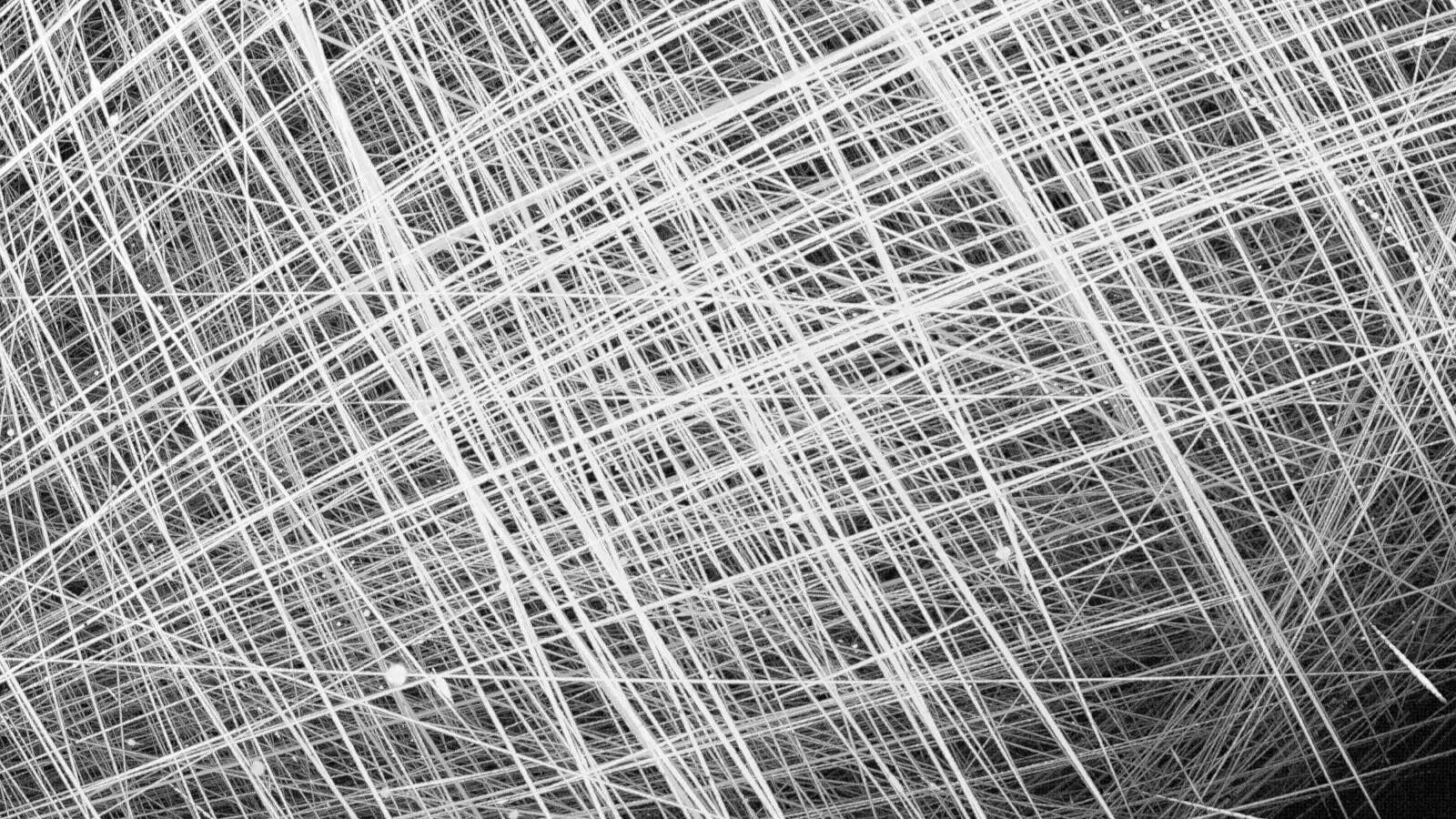
Researchers in Canada used 14 cameras to track over 17,000 satellites passing over the Arctic, revealing the increasing congestion of Earth's skies and raising concerns about space pollution and its impact on astronomy.
Satellites are polluting Earth's atmosphere with heavy metals due to their disposable nature, but in-orbit servicing and refueling technologies, like Arkysis's Port project, could extend satellite lifespans, reduce space debris, and promote a more sustainable space industry, though cost and regulatory challenges remain.
Dead and dying commercial satellites are generating space trash that could compromise Earth's ionosphere and magnetosphere, potentially disrupting our delicate plasma environment. With the rapid increase in satellite launches for internet services, the space industry is on track to significantly pollute the space around our planet. This pollution, largely unexplored and unmonitored, poses a threat to our magnetosphere, which is crucial for protecting Earth from the solar system's dangers. The space industry must prioritize studying and monitoring the environmental impact of satellite pollution before further launches.
A new study explores the impact of conductive dust from burning satellites on Earth's magnetic field, raising concerns about potential perturbations and damage to the protective shield. The increasing number of satellites re-entering Earth's atmosphere is generating significant amounts of conductive dust, which could potentially affect the ozone layer and allow harmful cosmic radiation to reach the planet's surface. Scientists are calling for caution and further research into the long-term environmental consequences of space debris pollution.
A controversial paper suggests that pollution from falling space junk, particularly from satellite megaconstellations like SpaceX's Starlink network, could weaken Earth's magnetic field and cause "atmospheric stripping." The paper's author proposes that the unchecked expansion of commercial satellite megaconstellations could generate enough magnetic dust to compromise the planet's protective shield, potentially leading to satellite disasters and atmospheric damage. While some researchers are skeptical of the claims, they agree on the urgent need to quantify the scale of the problem and conduct further research on the potential effects of metal pollution in the atmosphere.
The rapid increase in satellite megaconstellations, particularly the Starlink satellites, is causing significant pollution in Earth's orbit, disrupting astronomical observations, hindering scientific research, and posing environmental risks. With over 9,000 active satellites and plans for hundreds of thousands more, the space environment is at risk of being fundamentally transformed for the worse. The proliferation of satellites not only obstructs astronomical observations but also poses risks of collisions, interference with radio astronomy, and potential environmental impacts upon re-entry into Earth's atmosphere. There are concerns about the need for satellite regulation and the potential transformation of Earth's night sky due to the unnecessary proliferation of satellites in low-Earth orbit.
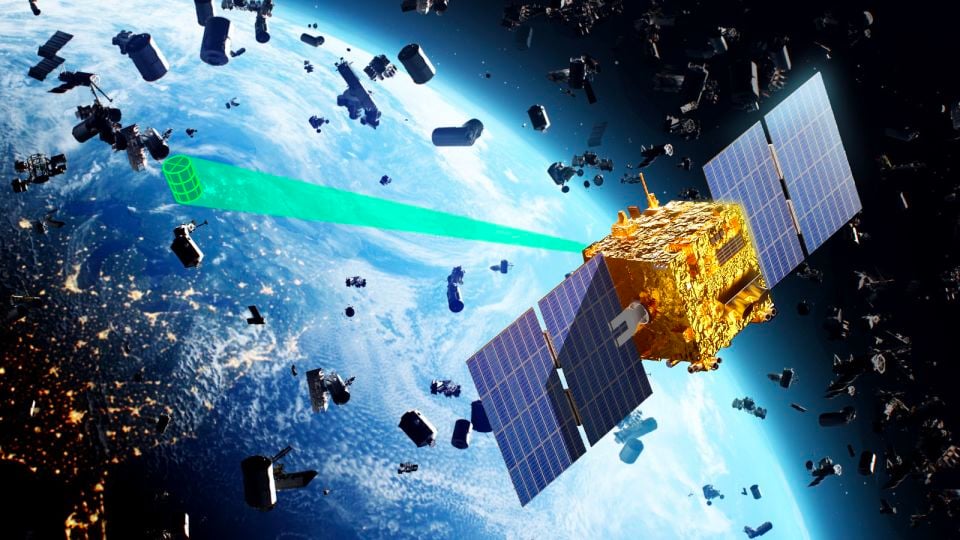
The increasing number of satellites and space debris in near-Earth orbit is causing concerns for astronomers and scientists due to light pollution and potential environmental impacts. Manmade debris is already affecting the stratosphere, with predictions that it will make up 50% of stratospheric aerosols in the future. Companies like Astroscale are working on technologies to address the orbital debris issue, including missions to capture and remove space junk, while efforts are also being made to launch biodegradable satellites.
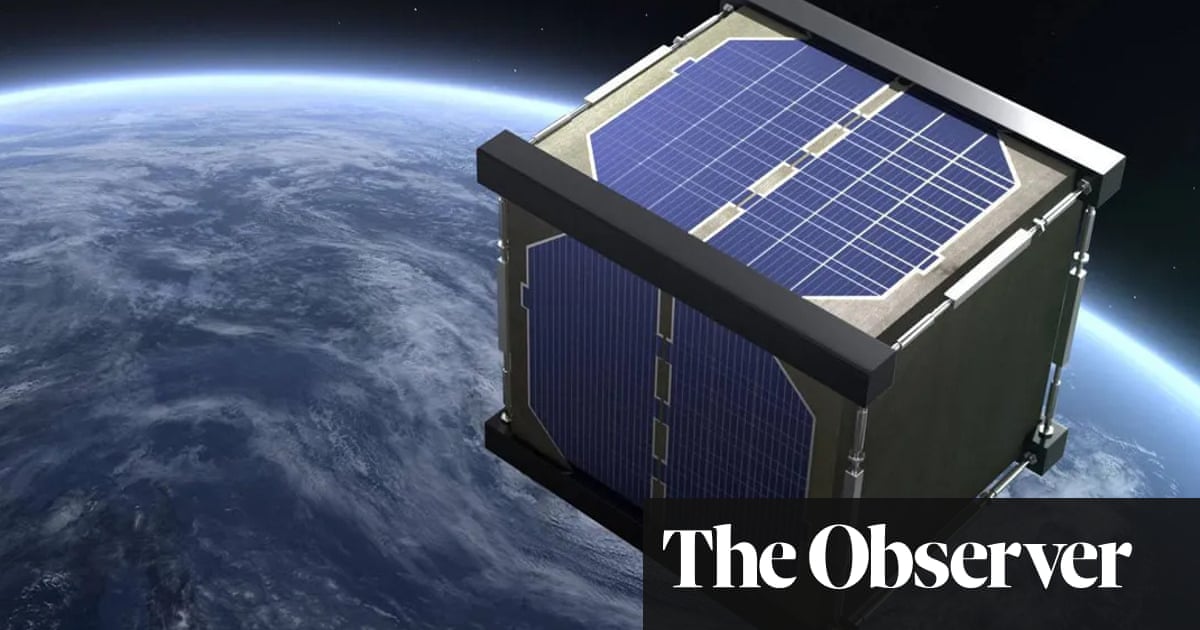
Nearly 30,000 objects, including space junk and satellites, are hurtling through near-Earth orbit, posing a threat to space exploration and the environment. Manmade debris is altering the stratosphere and potentially impacting the ozone layer and Earth's climate. The commercial space race is contributing to the problem, with plans to launch hundreds of thousands of satellites by 2030. Concerns about space debris collisions have led to the emergence of companies like Astroscale, which aims to develop technologies for orbital debris removal. In response to the pollution crisis in space, scientists are preparing to launch the world's first biodegradable satellite made mostly of wood.
Nearly 30,000 objects, including space junk and satellites, are hurtling through near-Earth orbit, posing a threat to space exploration and the environment. Manmade debris is altering the stratosphere and potentially impacting the ozone layer and Earth's climate. The commercial space race, with plans to launch hundreds of thousands of satellites, is exacerbating the issue. Efforts to address the problem include missions to remove space junk and the launch of the world's first biodegradable satellite.
Japanese scientists have developed the world's first wooden satellite, LignoSat, made of magnolia wood to combat space pollution caused by burning metal satellites. The satellite, built by researchers at Kyoto University and Sumitomo Forestry, has shown resilience in space conditions and is set to be launched on a US rocket this summer. If successful, it could pave the way for environmentally friendly alternatives to metal satellites, potentially mitigating the environmental impact of space debris on Earth.