Tag

Astroscale

All articles tagged with #astroscale

science3 months ago

Innovative Methods to Remove Space Junk and Protect Satellites

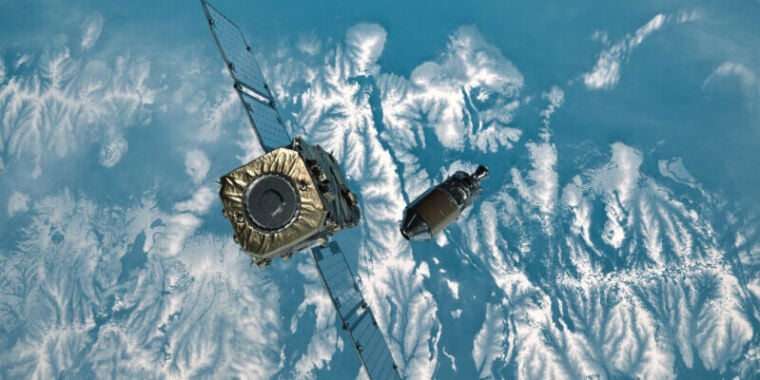
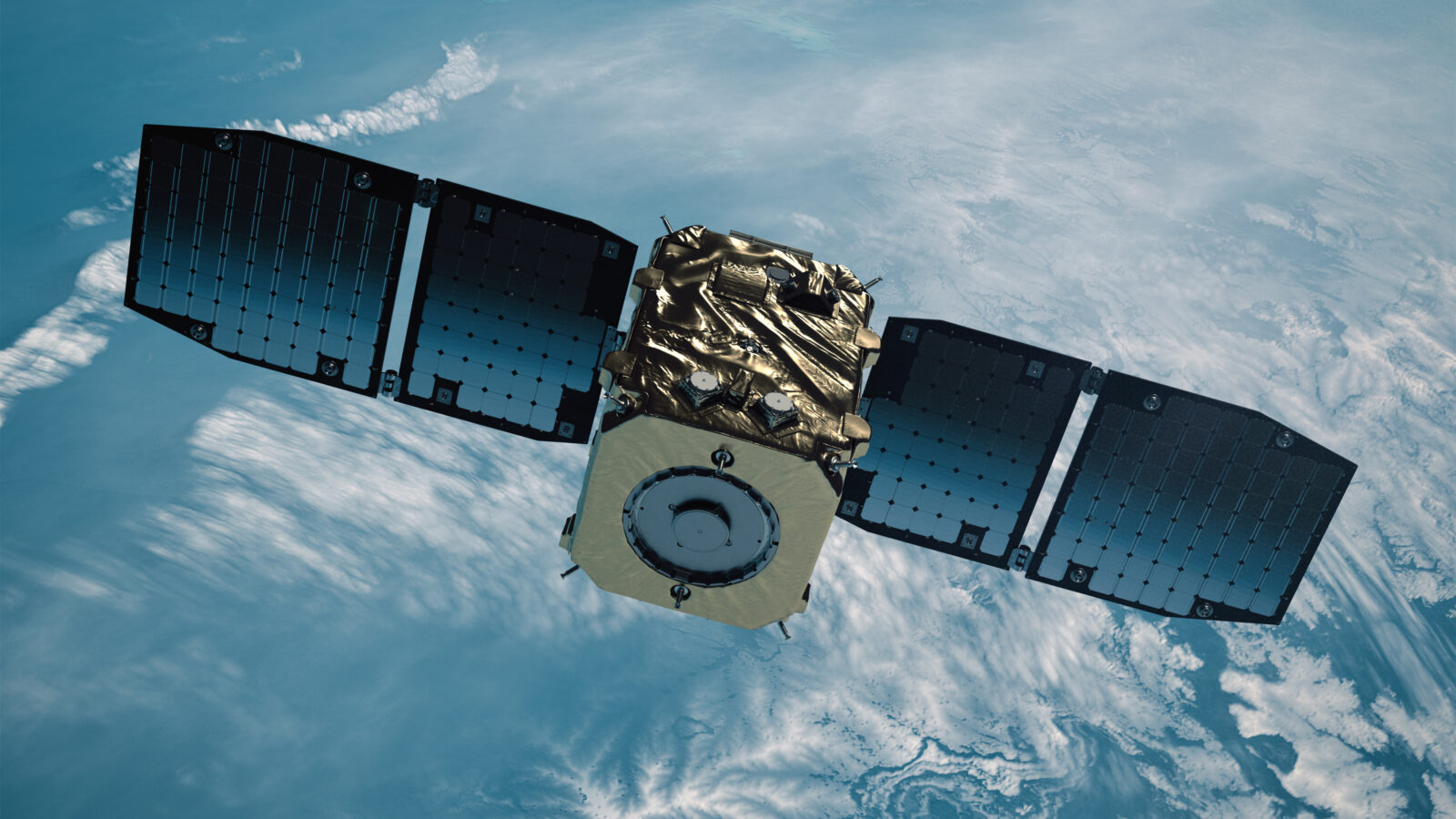
Astroscale, a 2025 Gizmodo Science Fair winner, successfully launched its ADRAS-J mission to approach and observe a defunct Japanese rocket stage in orbit, demonstrating the potential for space debris removal and promoting sustainable use of Earth's orbital environment. The mission paves the way for future debris removal efforts, aiming to reduce space junk and extend satellite lifespans.
technology1 year ago

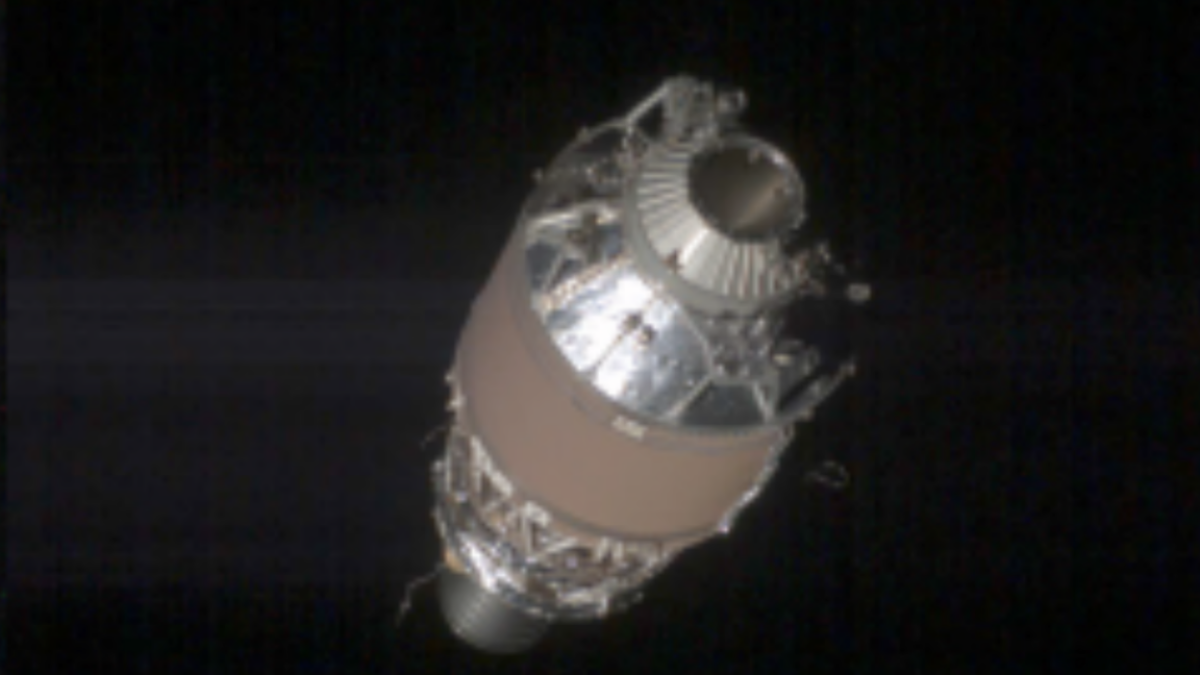
Astroscale's ADRAS-J Nears Space Junk in Historic 15-Meter Approach

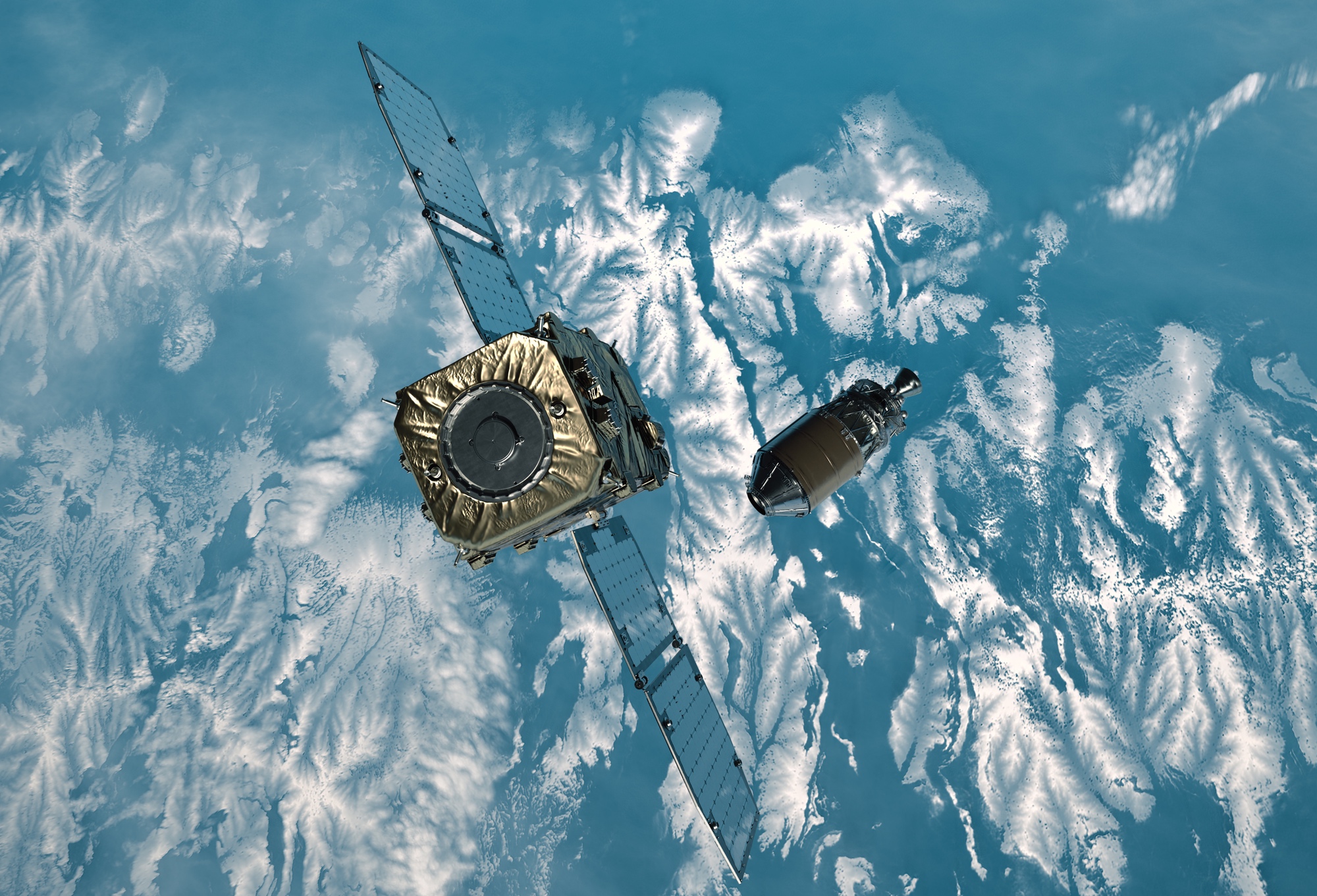
Astroscale's ADRAS-J spacecraft achieved a milestone by approaching within 15 meters of a defunct upper stage rocket, marking the closest approach by a commercial operator to space debris. This maneuver, part of an independent goal by Astroscale, demonstrated advanced Rendezvous and Proximity Operations (RPO) capabilities, crucial for future debris removal missions. Although an unexpected issue triggered a collision avoidance maneuver, the mission is a step forward in commercial space junk disposal, with Phase II involving robotic capture operations under a significant contract with JAXA.

science-and-technology1 year ago

Spacecraft Executes Bold Maneuver Near Orbital Metal Object

A Japanese spacecraft, part of Astroscale's ADRAS-J mission, has made a historic close approach to a discarded rocket stage in Earth's orbit, coming within 15 meters of the debris. This mission is part of JAXA's initiative to remove space junk, aiming to eventually capture and deorbit the three-ton rocket stage. Although the spacecraft had to abort its approach due to a collision avoidance system trigger, the mission demonstrated precise maneuvering capabilities. A follow-up mission, ADRAS-J2, is planned for 2028 to further address space debris issues.

space1 year ago

"Space Junk: A Growing Threat to Earth's Orbit"

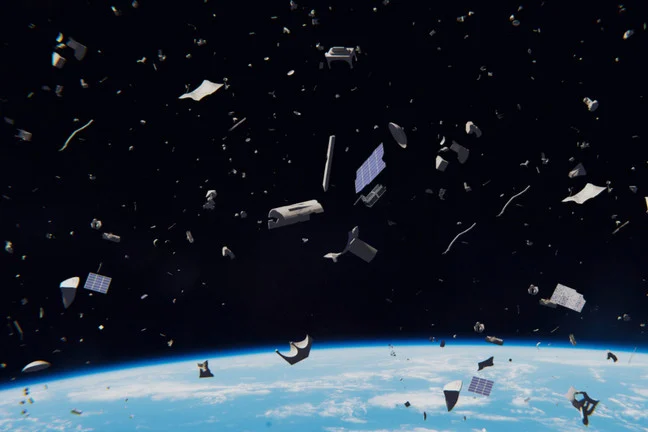
The increasing number of satellites and space debris in near-Earth orbit is causing concerns for astronomers and scientists due to light pollution and potential environmental impacts. Manmade debris is already affecting the stratosphere, with predictions that it will make up 50% of stratospheric aerosols in the future. Companies like Astroscale are working on technologies to address the orbital debris issue, including missions to capture and remove space junk, while efforts are also being made to launch biodegradable satellites.

space-and-rocket-launches1 year ago

"NASA's Starliner: Upcoming Crewed Test Flight and ISS Mission Updates"

In the world of rocket launches, SpaceX signed an agreement with the Bahamian government for Falcon 9 booster landings, while Blue Origin raised a New Glenn rocket for ground testing and United Launch Alliance began assembling an Atlas V rocket for the first crew launch of Boeing's Starliner spacecraft in April. Astroscale launched a satellite to inspect a defunct upper stage in space, Firefly Aerospace attributed a launch malfunction to a software error, and Australian startup Gilmour Space raised $36 million to support the development and launch of its Eris rocket.

space-exploration1 year ago

"Space Debris Dangers: A Growing Threat to Earth"

Nearly 30,000 objects, including space junk and satellites, are hurtling through near-Earth orbit, posing a threat to space exploration and the environment. Manmade debris is altering the stratosphere and potentially impacting the ozone layer and Earth's climate. The commercial space race is contributing to the problem, with plans to launch hundreds of thousands of satellites by 2030. Concerns about space debris collisions have led to the emergence of companies like Astroscale, which aims to develop technologies for orbital debris removal. In response to the pollution crisis in space, scientists are preparing to launch the world's first biodegradable satellite made mostly of wood.

space1 year ago

"Managing the Threat: 30,000 Objects in Near-Earth Orbit"

Nearly 30,000 objects, including satellites and space junk, are hurtling through near-Earth orbit, posing a threat to space sustainability and Earth's climate. Manmade debris is changing the sky and potentially harming the ozone layer, with predictions of 50% of stratospheric aerosols being manmade in the coming decades. The commercial space race, with plans to launch thousands of satellites, is adding to the pollution, while aging satellites and rocket emissions contribute to the problem. Efforts to address the issue include missions to remove space junk and the launch of the world's first biodegradable satellite.

space-technology1 year ago

"Japan's Astroscale Satellite Launches Bold Mission to Inspect Space Debris"

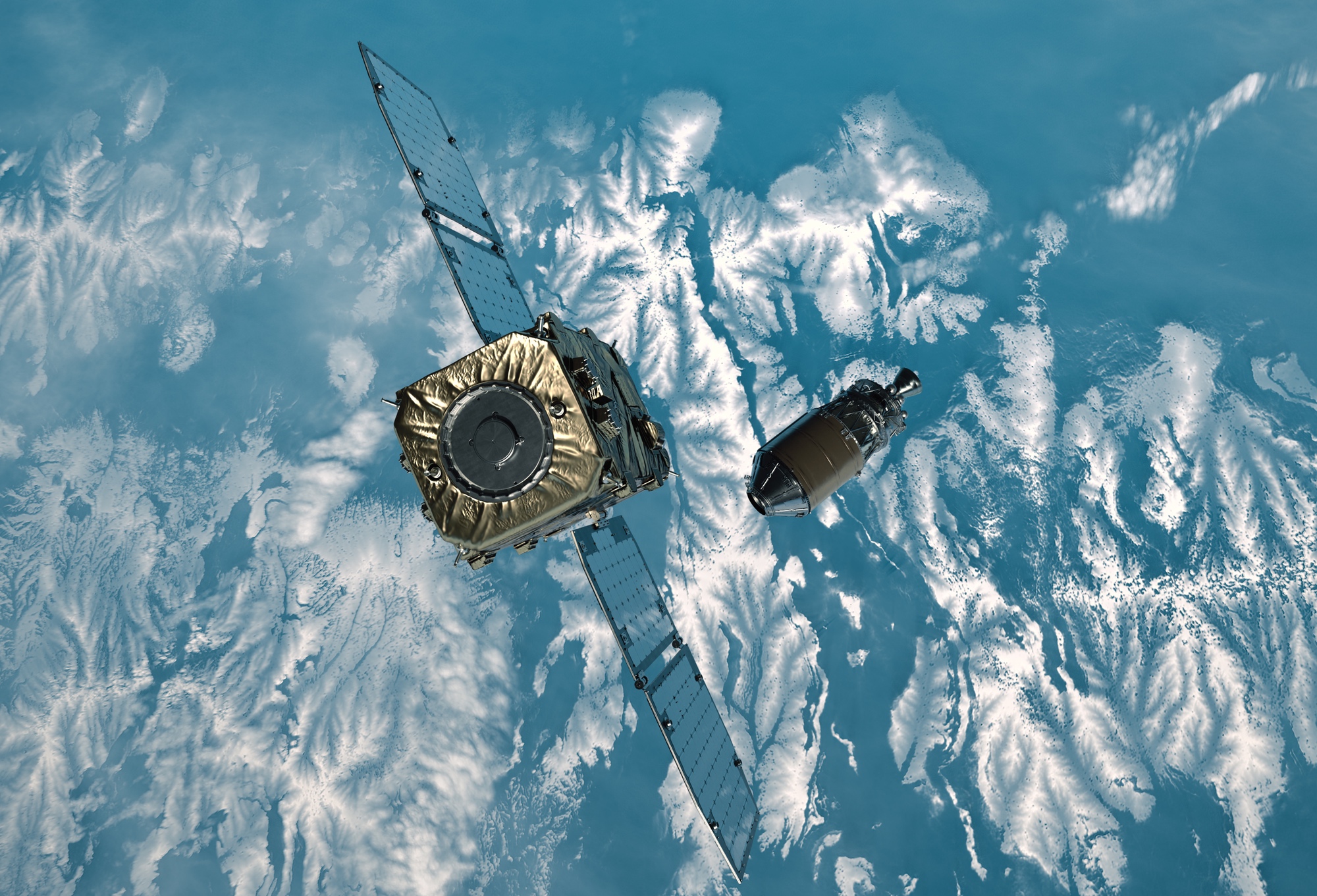
Astroscale, a Japanese startup, has launched a small satellite to approach and capture a defunct upper stage from a Japanese H-IIA rocket that has been orbiting Earth for over 15 years. The satellite will perform complex maneuvers to move within arm's reach of the rocket, marking the first-ever approach of actual space debris. This mission, called ADRAS-J, is a crucial step towards demonstrating capabilities for removing large space debris and could also apply to satellite servicing or refueling missions. If successful, it could pave the way for a follow-on mission to capture and remove the H-IIA upper stage from orbit.

space-technology1 year ago

"Japanese Missions Lead the Way in Space Debris Removal and Inspection"

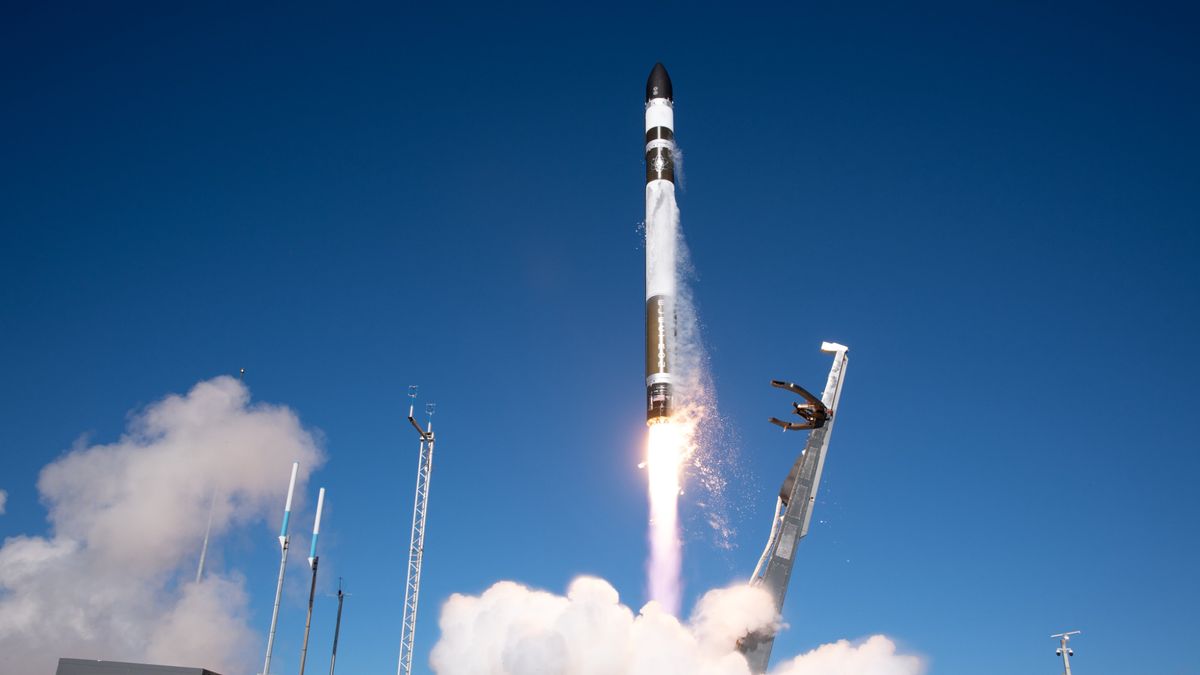
Astroscale's ADRAS-J mission, launched on a Rocket Lab Electron rocket, aims to demonstrate the necessary operations and technology for commercial removal of space debris in low-Earth orbit (LEO). The mission will approach, characterize, and fly around a large uncommunicative piece of space debris to showcase the technology needed for precise rendezvous with a non-responsive target object. This initiative aligns with efforts to make space safe and sustainable, as the increasing number of satellites and space debris poses a hazard to spacecraft and the risk of orbital decay. Other organizations and missions, such as ELSA-D, COSMIC, and ClearSpace, are also working on orbital debris management and removal.

space-technology1 year ago

"Electron Launches Space Junk Inspection Satellite"

Astroscale's ADRAS-J spacecraft, launched atop a Rocket Lab Electron rocket, is now in orbit and set to rendezvous with an old Japanese rocket upper stage to study the feasibility of deorbiting space debris. As the accumulation of space junk becomes a growing concern, ADRAS-J's mission marks a significant step in addressing this issue, with the potential to inform future space cleanup efforts and contribute to space sustainability.

space-technology1 year ago

"Rocket Lab Electron Launches Space Debris Removal Mission"

Rocket Lab's Electron rocket successfully launched the ADRAS-J satellite, built by Astroscale, on a mission to inspect and develop techniques for removing space debris. The satellite will approach and monitor a discarded rocket body in orbit as part of the Japanese space agency's Commercial Removal of Debris Demonstration program. Equipped with visual and infrared cameras and LiDAR sensors, the ADRAS-J spacecraft will assess the rocket body's condition and make a close approach, marking a significant step in on-orbit services and space debris removal capabilities.

space-technology1 year ago

"Electron Successfully Launches Space Debris Inspection Satellite"

Rocket Lab's Electron successfully launched Astroscale's ADRAS-J spacecraft, which will inspect a spent upper stage in low Earth orbit as part of the Japanese space Agency JAXA’s Commercial Removal of Debris Demonstration program. The 150-kilogram satellite will approach and inspect the upper stage of an H-2A rocket launched in 2009, with the goal of eventually deorbiting it. This mission marks a significant step in space debris removal and demonstrates Astroscale's innovative rendezvous and proximity operations capabilities.

spacetechnology1 year ago

"Rocket Lab's Bold Missions: Removing Space Junk and Collecting Data"

Rocket Lab is set to launch Astroscale's ADRAS-J satellite, aimed at testing technologies for approaching and monitoring space debris. The satellite will attempt to address the growing problem of space junk and deliver data to assist in its removal, with a focus on sustainable space use. If successful, ADRAS-J will orbit 373 miles above Earth and inspect the upper stage of a Japanese rocket. This mission marks Rocket Lab's 44th overall and second of 2024, with no rocket recovery planned.

space-technology2 years ago

"Astroscale Unveils In-Orbit Refueling Vehicle Operations Concept"

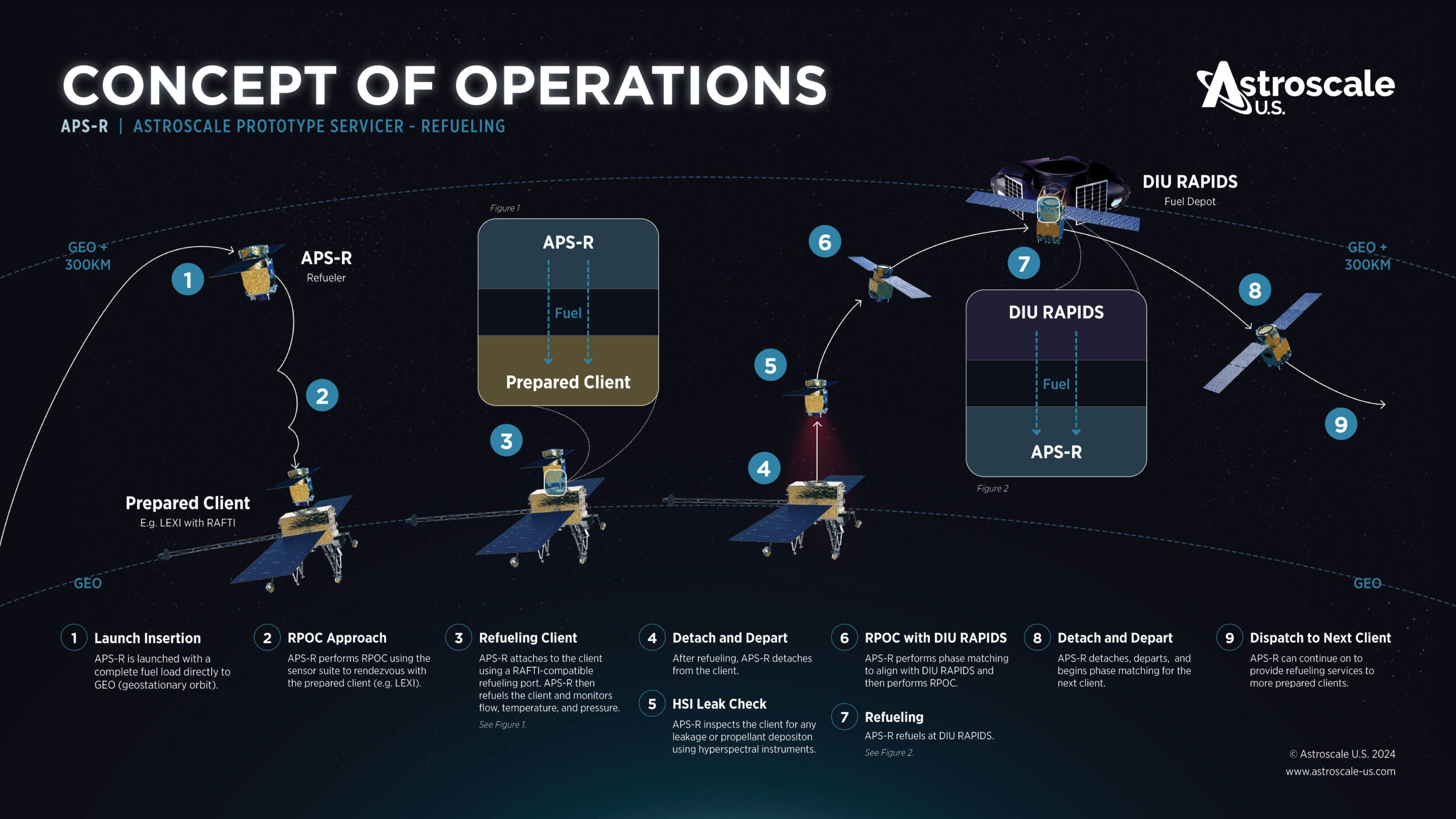
Astroscale is developing an in-space refueling vehicle, APS-R, to transfer hydrazine from a fuel depot in geostationary Earth orbit to client satellites, enabling uninterrupted operations. The vehicle, about the size of a gas pump, will rendezvous and dock with Orbit Fab's fuel depot and service Astroscale's Life Extension In-Orbit (LEXI) satellite. The project, funded by a $25.5 million U.S. Space Force contract, aims to extend the life and mobility of satellites in orbit, with APS-R set to be delivered by 2026.

space2 years ago

Space Debris Encounter: Astroscale's Inspector Satellite Set for Historic Launch

Astroscale's ADRAS-J spacecraft, designed to inspect and remove space debris, is ready for launch. The mission aims to rendezvous with and inspect an abandoned upper stage of an H-2A rocket left in low Earth orbit. ADRAS-J will demonstrate key technologies for removing objects from orbit, including absolute and relative navigation, flying around the client, and capture. This mission will provide valuable data on the behavior of space debris and help develop strategies for future debris removal missions. The launch date is currently on hold due to a recent Rocket Lab Electron launch failure.