Starlink experienced a brief global outage affecting around 40,000 users, but service was quickly restored. The outage impacted users in conflict zones like Ukraine and highlights the network's importance for remote connectivity. The incident occurs amid increasing competition from other satellite internet providers like OneWeb and Amazon's Project Kuiper.
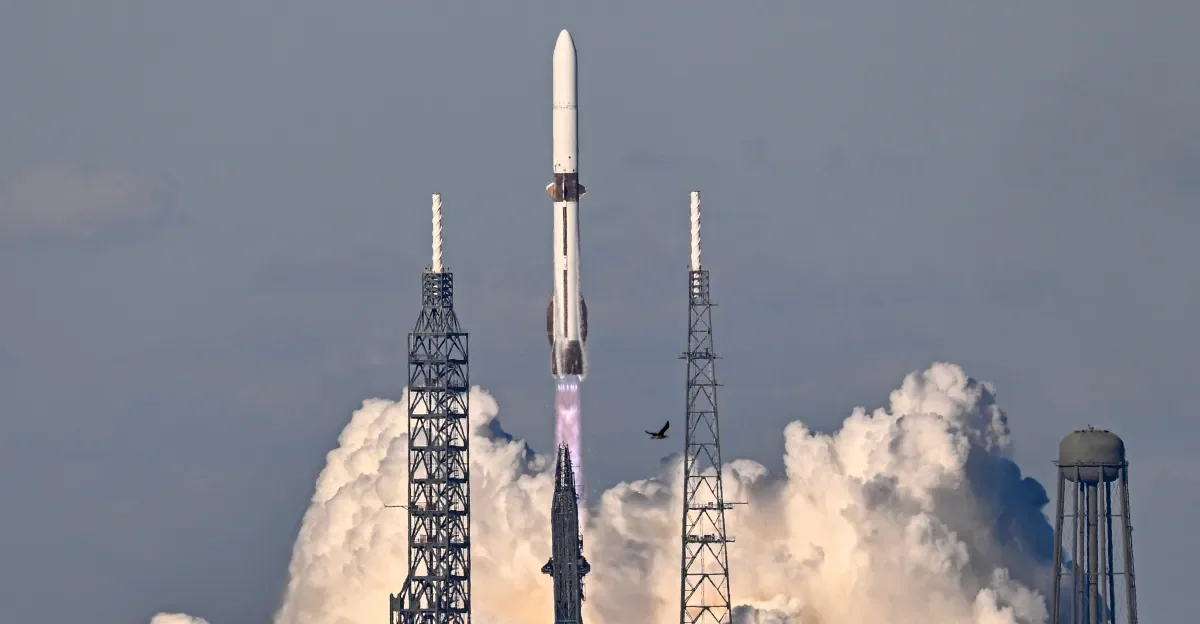
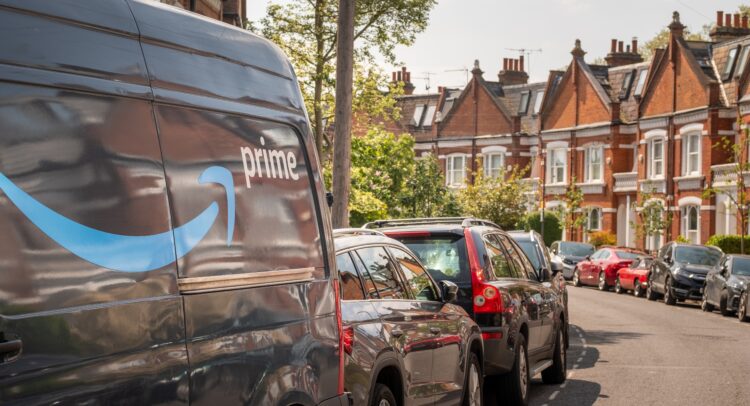
Amazon's Project Kuiper has partnered with JetBlue to provide in-flight Wi-Fi starting in 2027, marking its first airline deal as it competes with SpaceX's Starlink. The service aims to offer lower latency and more reliable internet, with initial availability on select aircraft and plans for broader rollout by 2026. Amazon has launched over 100 satellites and plans to deploy thousands more to expand its satellite internet network.
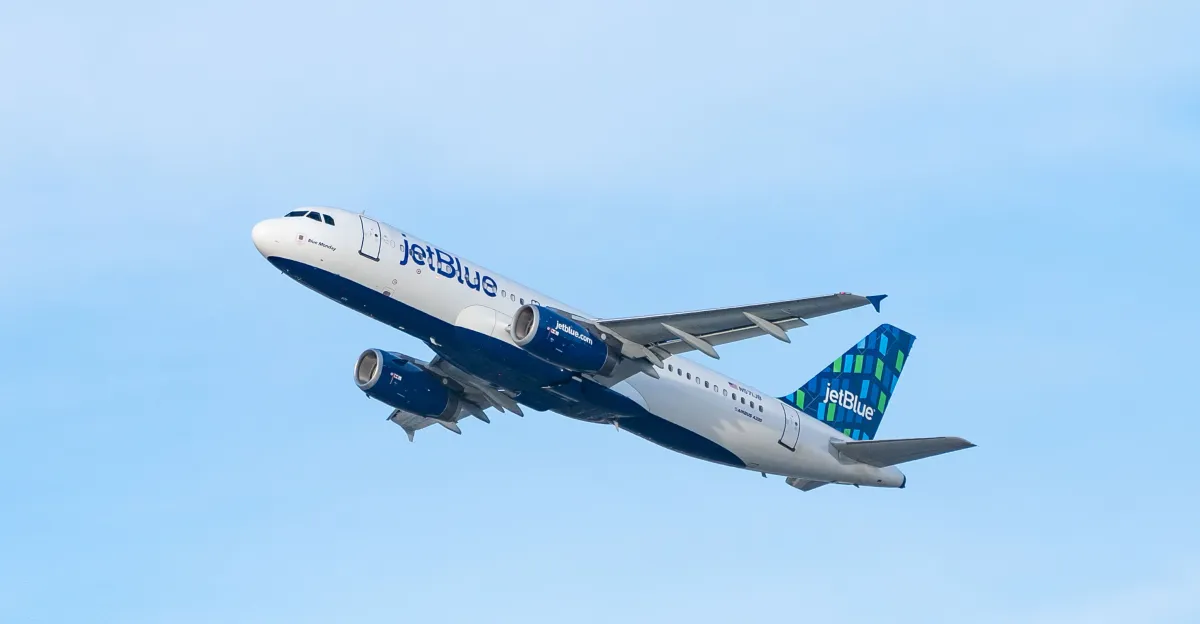
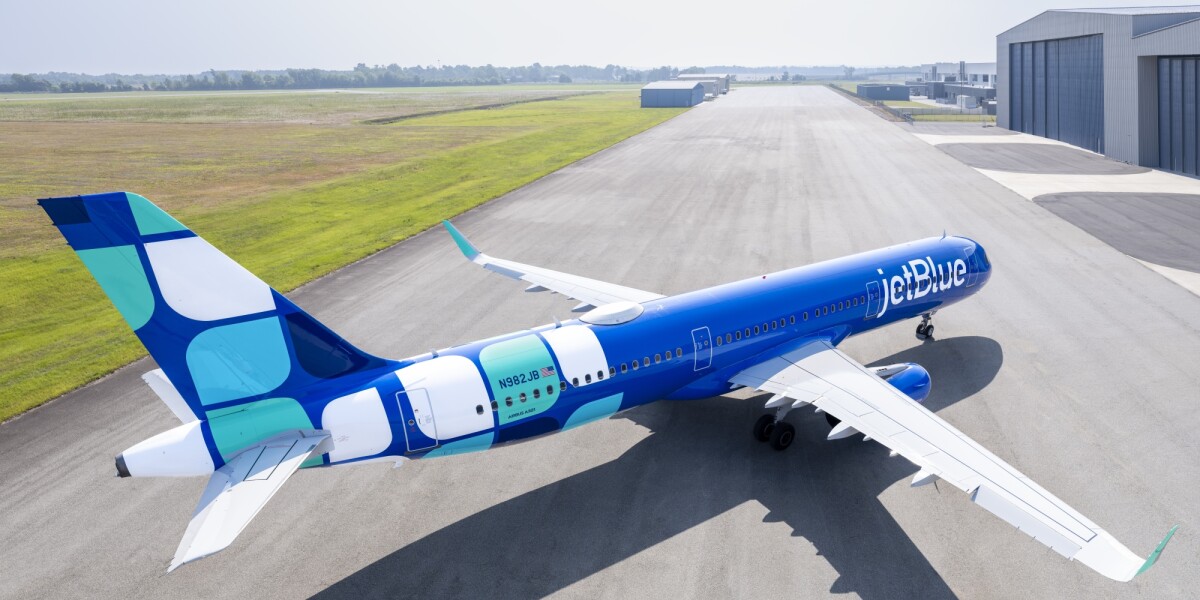
JetBlue will be the first airline to implement Amazon's Project Kuiper satellite network starting in 2027, providing faster, more reliable, and free in-flight Wi-Fi using low Earth orbit satellites that support high-speed streaming and data activities, enhancing the onboard connectivity experience for travelers.
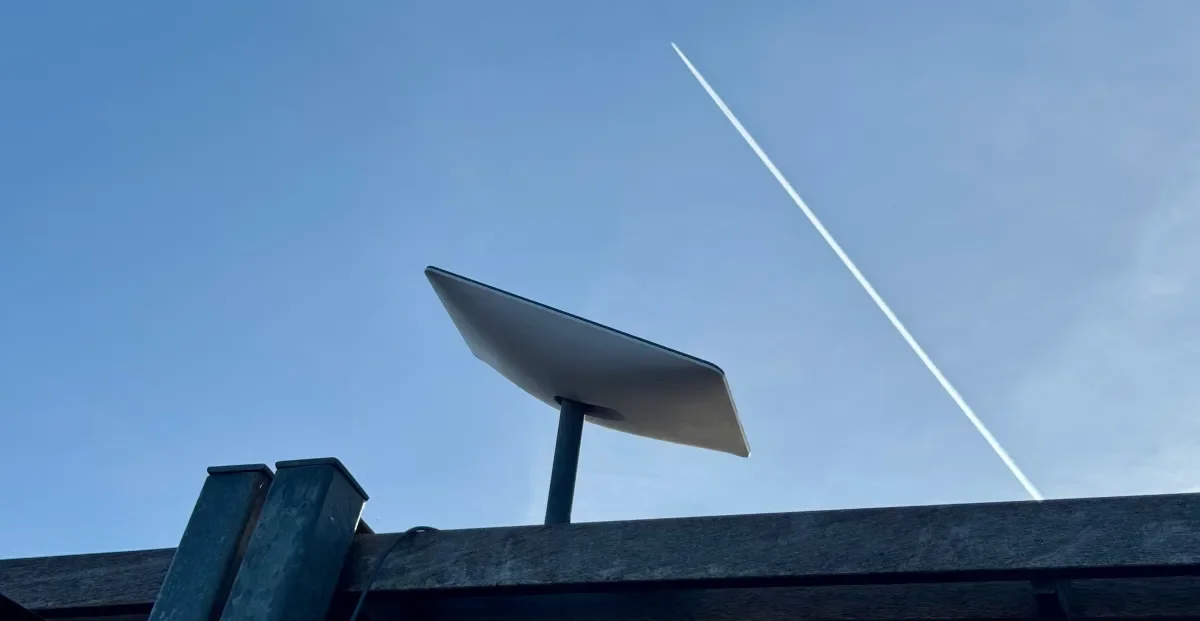
SpaceX has introduced a new real-time beam switching system for Starlink that maintains high-speed internet connectivity even when obstructions like trees partially block the dish, enhancing service resilience and reducing the need for physical adjustments by users.
Starlink experienced a rare, 2.5-hour outage caused by internal software failures, affecting users globally and Ukrainian military operations, but service has now been restored.
Amazon plans to launch its satellite internet project, Project Kuiper, by the end of 2025 to provide connectivity in underserved areas, competing with Elon Musk's Starlink. The project has already launched two satellite sets and could generate significant revenue, but weather conditions pose a risk to satellite launches. Wall Street analysts are optimistic about Amazon's stock, with a strong buy rating and potential upside.
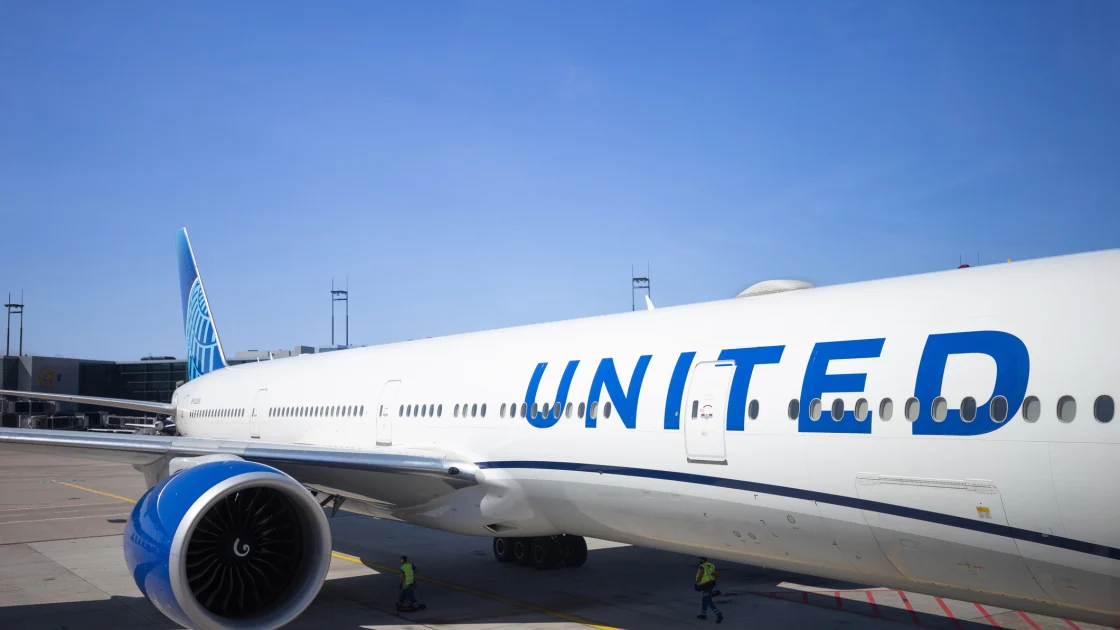
United Airlines has temporarily disabled Starlink internet on nearly two dozen regional jets due to radio interference issues between Starlink antennas and aircraft communication systems, but expects to resolve the problem without flight cancellations. Meanwhile, the airline is enhancing in-flight entertainment options by adding Spotify streaming to many of its aircraft.
EchoStar, a satellite and cable company, is nearing potential Chapter 11 bankruptcy due to missed FCC buildout obligations and declining core business, while facing increased competition from Elon Musk's Starlink internet service and regulatory pressures.
India has granted a license to Elon Musk's Starlink to launch satellite internet services, marking a significant step towards providing broadband access in remote areas of the country, though challenges remain in pricing and regulatory approvals.
EchoStar, a major satellite and internet provider, faces potential Chapter 11 bankruptcy due to an FCC investigation into its 5G network compliance and missed interest payments, amid a declining traditional cable market and increased competition from streaming and satellite services like Starlink.
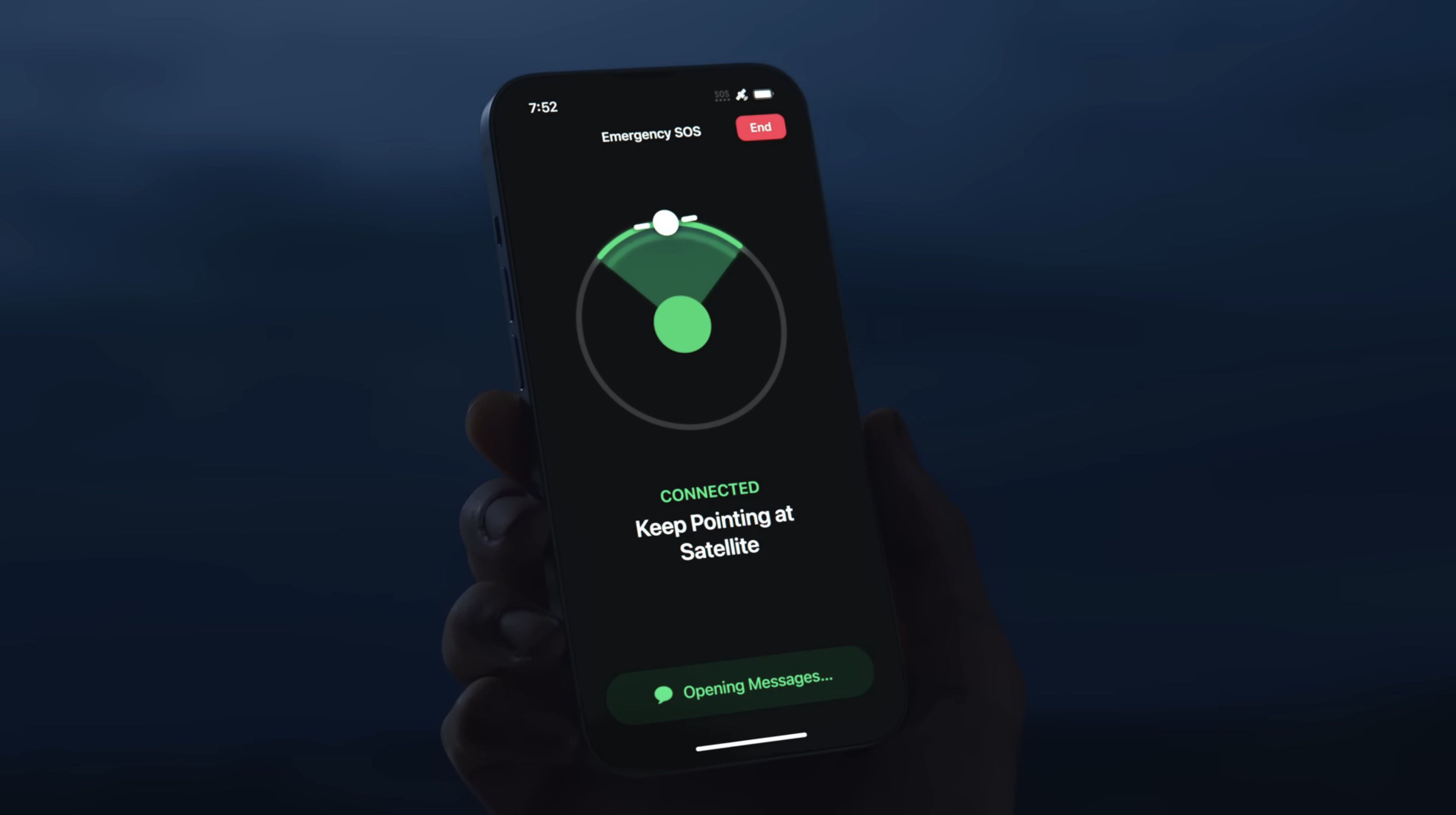
Apple considered launching a satellite-based home internet service similar to Starlink in collaboration with Boeing, but the project was ultimately canceled due to concerns over costs, regulatory issues, and relationships with telecom providers. The company shifted focus to satellite connectivity features for iPhones, which remain costly and limited, with ongoing debates about their future viability.
SpaceX is offering a discount on its Starlink Mini dish and the Roam 50GB plan, reducing the hardware cost to $449 and the monthly fee to $30 for existing residential subscribers. However, the discount does not apply to the unlimited data Roam plan, and the 50GB plan cannot be paused. The offer is invite-only and available in select countries, aiming to boost sales without overloading network capacity. The current discount ends on December 8.
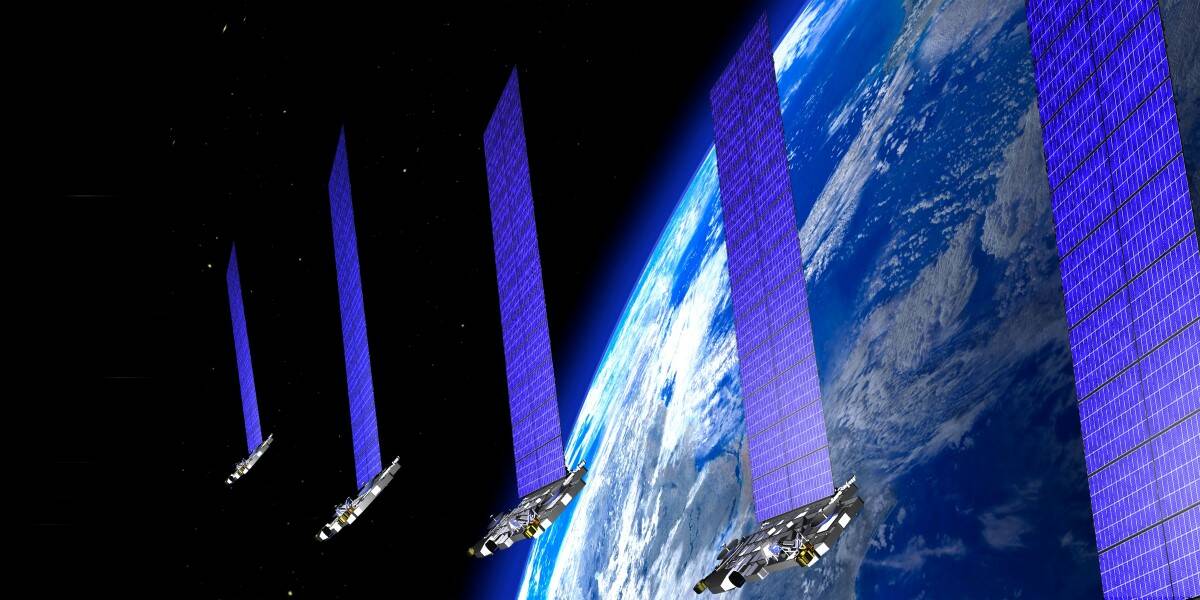
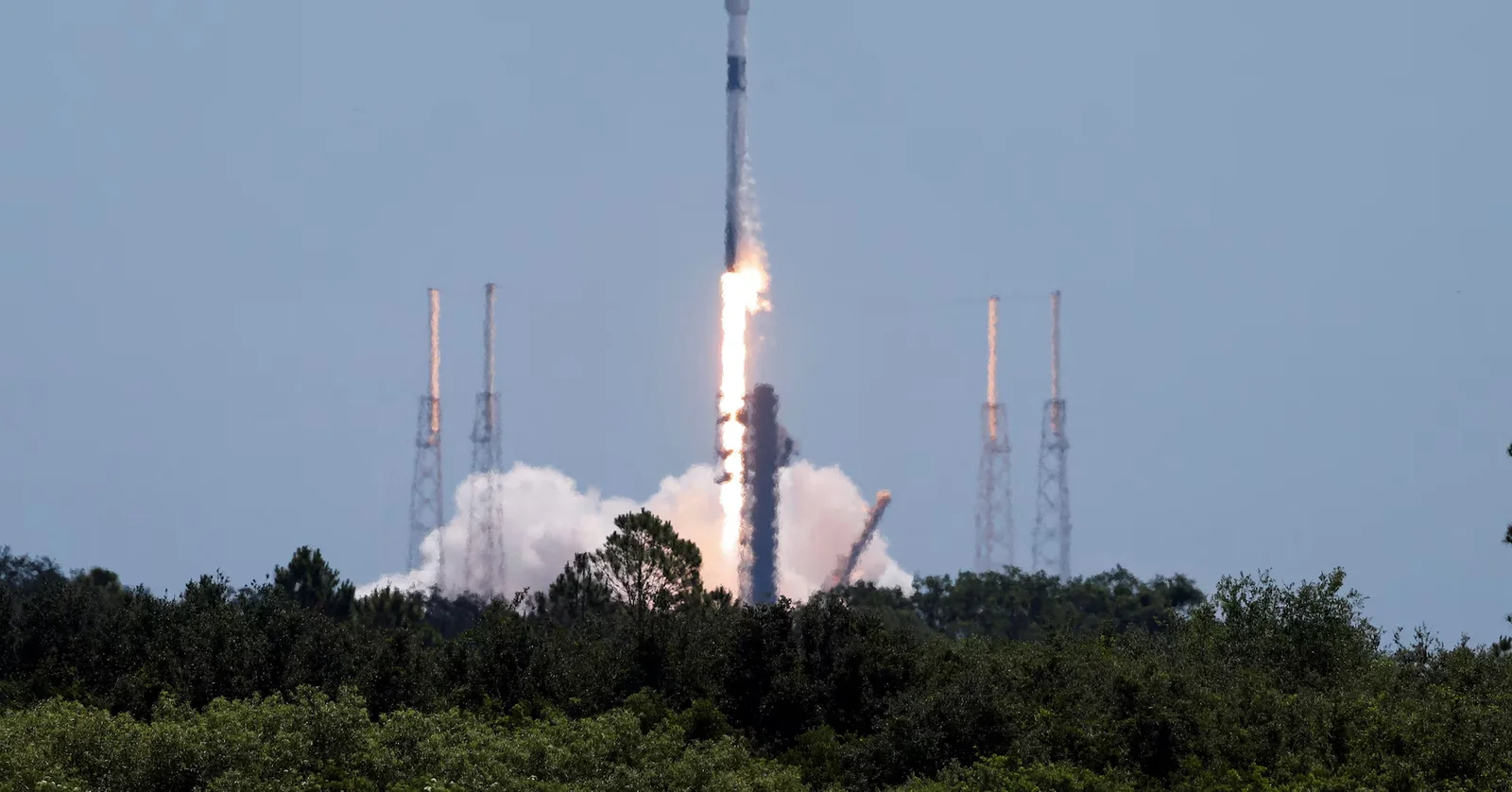
SpaceX is advancing its Starlink mission with a $52 million Falcon 9 rocket launch, deploying 20 new satellites, including 13 with 'Direct to Cell' capabilities. This expansion aims to enhance global internet connectivity by using a low Earth orbit satellite constellation, promising faster speeds and lower latency compared to traditional geostationary satellites. Starlink currently serves four million customers across over 100 countries, with plans to eventually deploy up to 42,000 satellites. Subscription costs range from $120 to $5,000 per month, depending on speed and service level.
SpaceX has introduced Starlink Mini, a compact and portable satellite internet antenna that fits in a backpack and offers high-speed, low-latency internet on the go. Priced at $599, it is currently available through limited release emails to customers, with plans for international availability soon. The Mini is lighter and consumes less power than the standard Starlink antenna, and includes a built-in WiFi router. It is bundled with the Mini Roam service, offering 50GB of mobile data for $30 per month.
SpaceX's Starlink has achieved profitability within five years of launching its first operational satellites, with projected revenues of $6.6 billion in 2024 and an estimated free cash flow of $600 million this year. The rapid growth in subscribers and controlled costs have contributed to this success, raising questions about the future of satellite internet and competition from other megaconstellations like OneWeb and Amazon's Project Kuiper.