
"Space Pollution: Impact of Rockets and Satellites on Earth's Atmosphere"
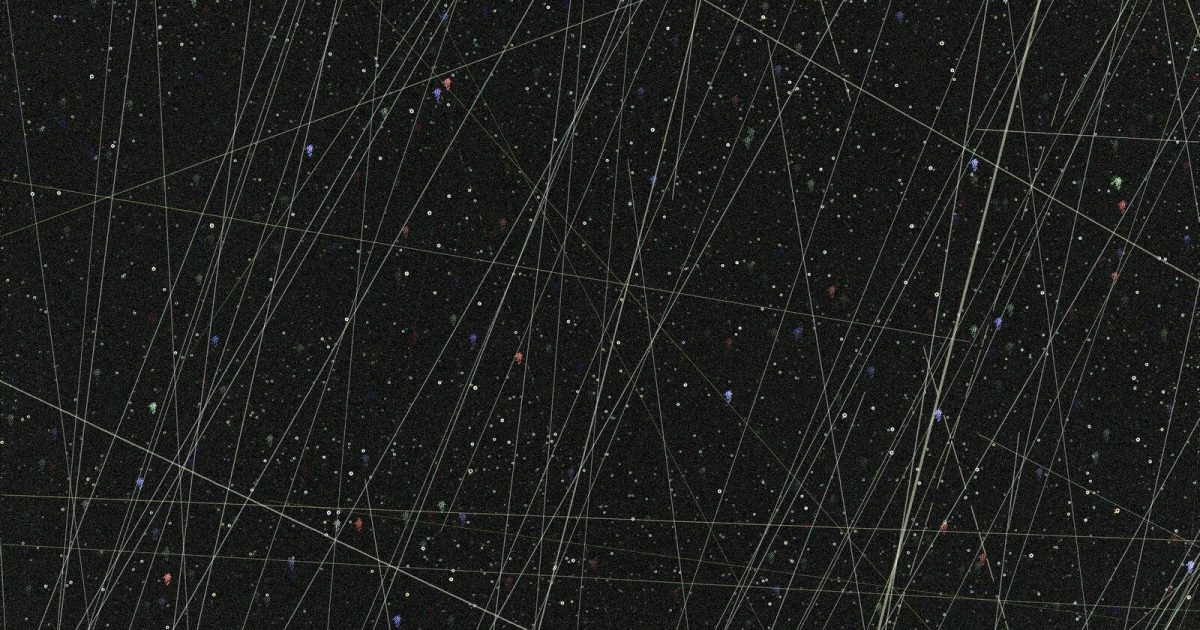
The rapid increase in satellite megaconstellations, particularly the Starlink satellites, is causing significant pollution in Earth's orbit, disrupting astronomical observations, hindering scientific research, and posing environmental risks. With over 9,000 active satellites and plans for hundreds of thousands more, the space environment is at risk of being fundamentally transformed for the worse. The proliferation of satellites not only obstructs astronomical observations but also poses risks of collisions, interference with radio astronomy, and potential environmental impacts upon re-entry into Earth's atmosphere. There are concerns about the need for satellite regulation and the potential transformation of Earth's night sky due to the unnecessary proliferation of satellites in low-Earth orbit.
- Even outer space now succumbs to human pollution Big Think
- Metals from spacecraft reentry in stratospheric aerosol particles | Proceedings of the National Academy of Sciences pnas.org
- NOAA scientists link exotic metal particles in the upper atmosphere to rockets, satellites noaa.gov
- Picture imperfect: light pollution from satellites is becoming an existential threat to astronomy The Guardian
- Astroscale's ELSA-d Mission Successfully Completes Complex Rendezvous Operation Astroscale
Reading Insights
0
6
14 min
vs 15 min read
96%
2,923 → 107 words
Want the full story? Read the original article
Read on Big Think