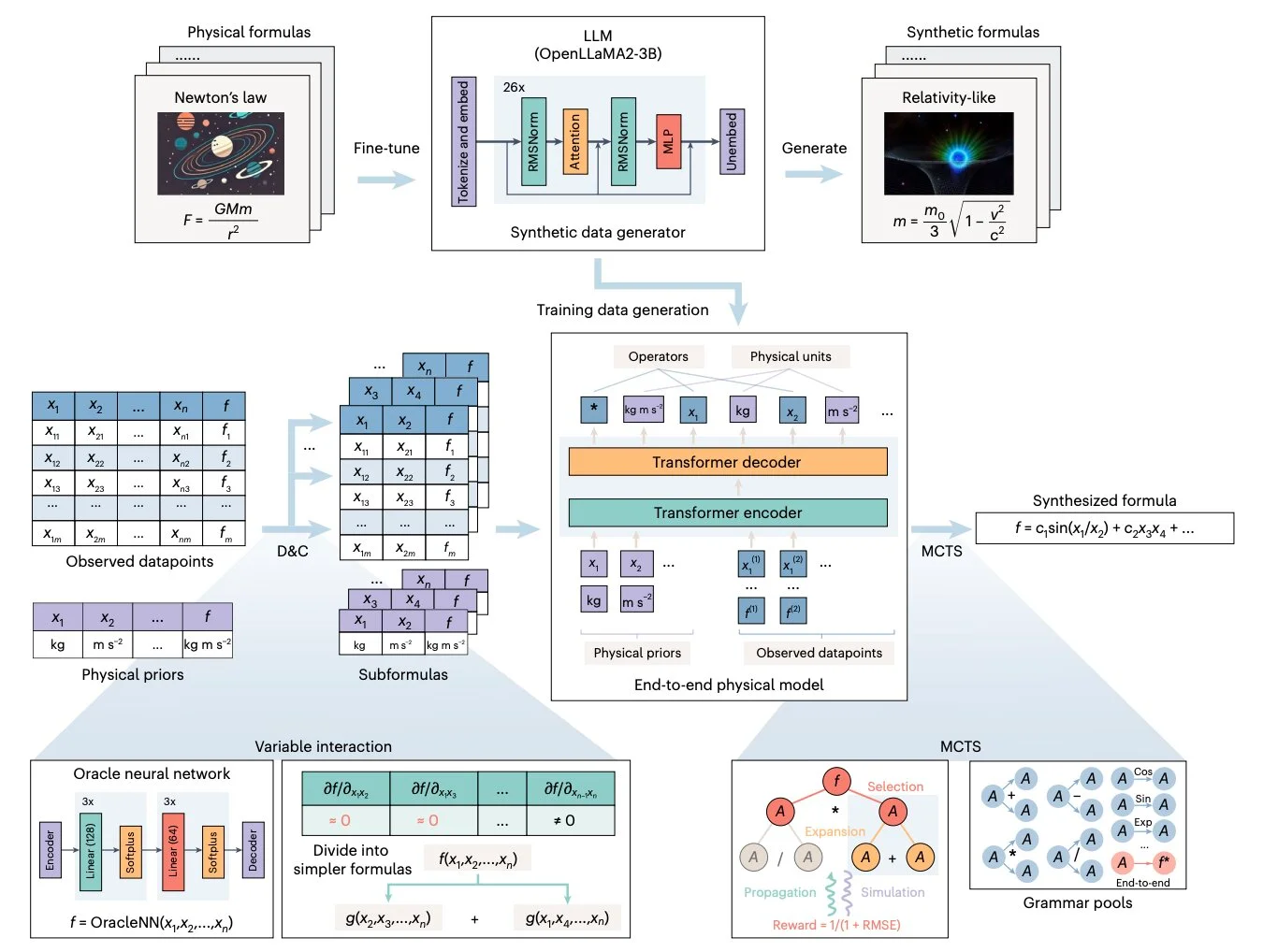
Researchers have developed PhyE2E, an AI framework that automatically derives symbolic physical equations from raw data, successfully applied to space physics data, matching or surpassing human-derived formulas, and promising broader applications in scientific discovery.
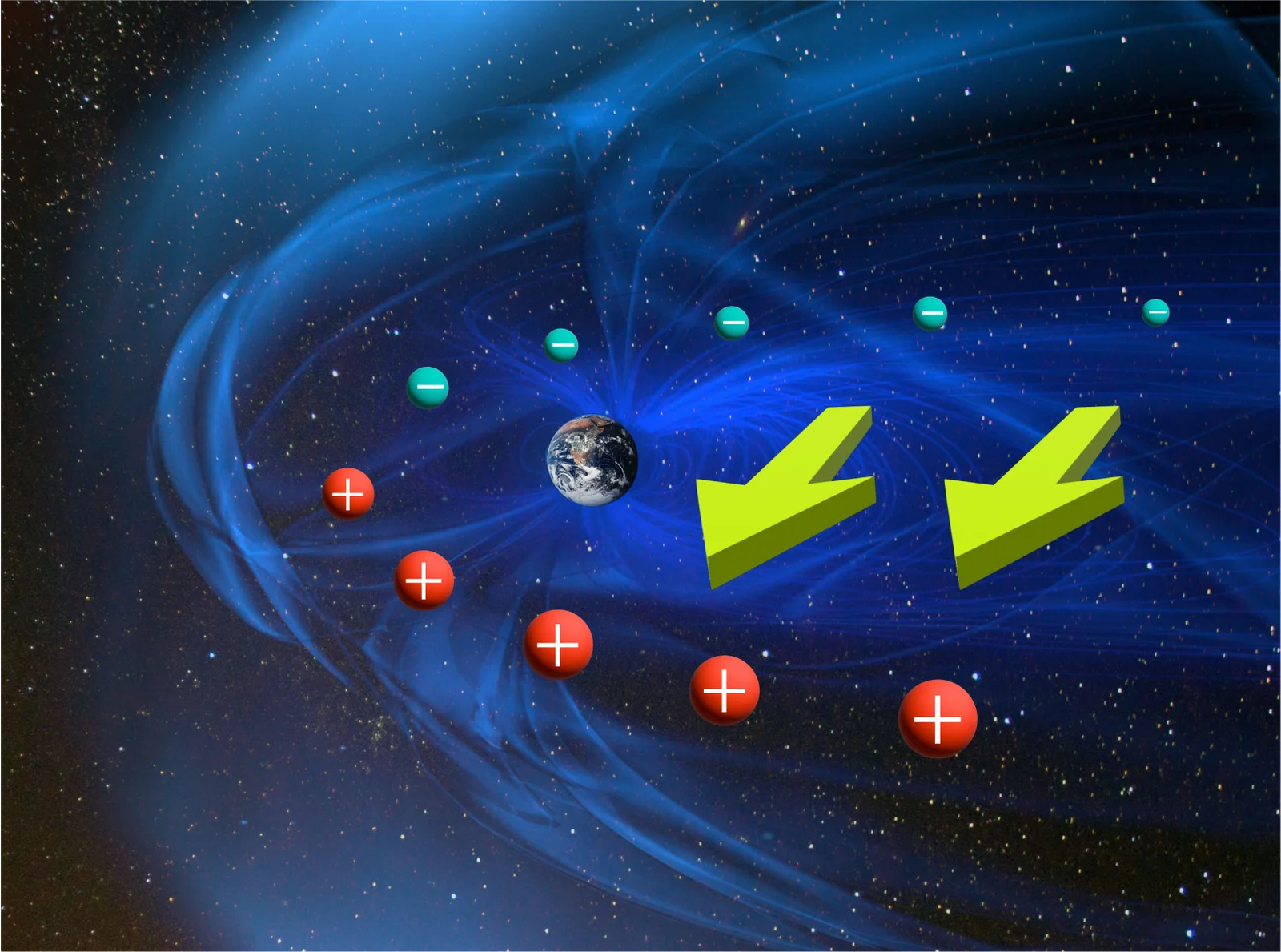
Scientists have discovered that Earth's magnetosphere has an opposite charge distribution than previously believed, with the morning side negatively charged and the evening side positively charged, due to plasma motion and magnetic field interactions, challenging traditional theories and enhancing understanding of space weather phenomena.
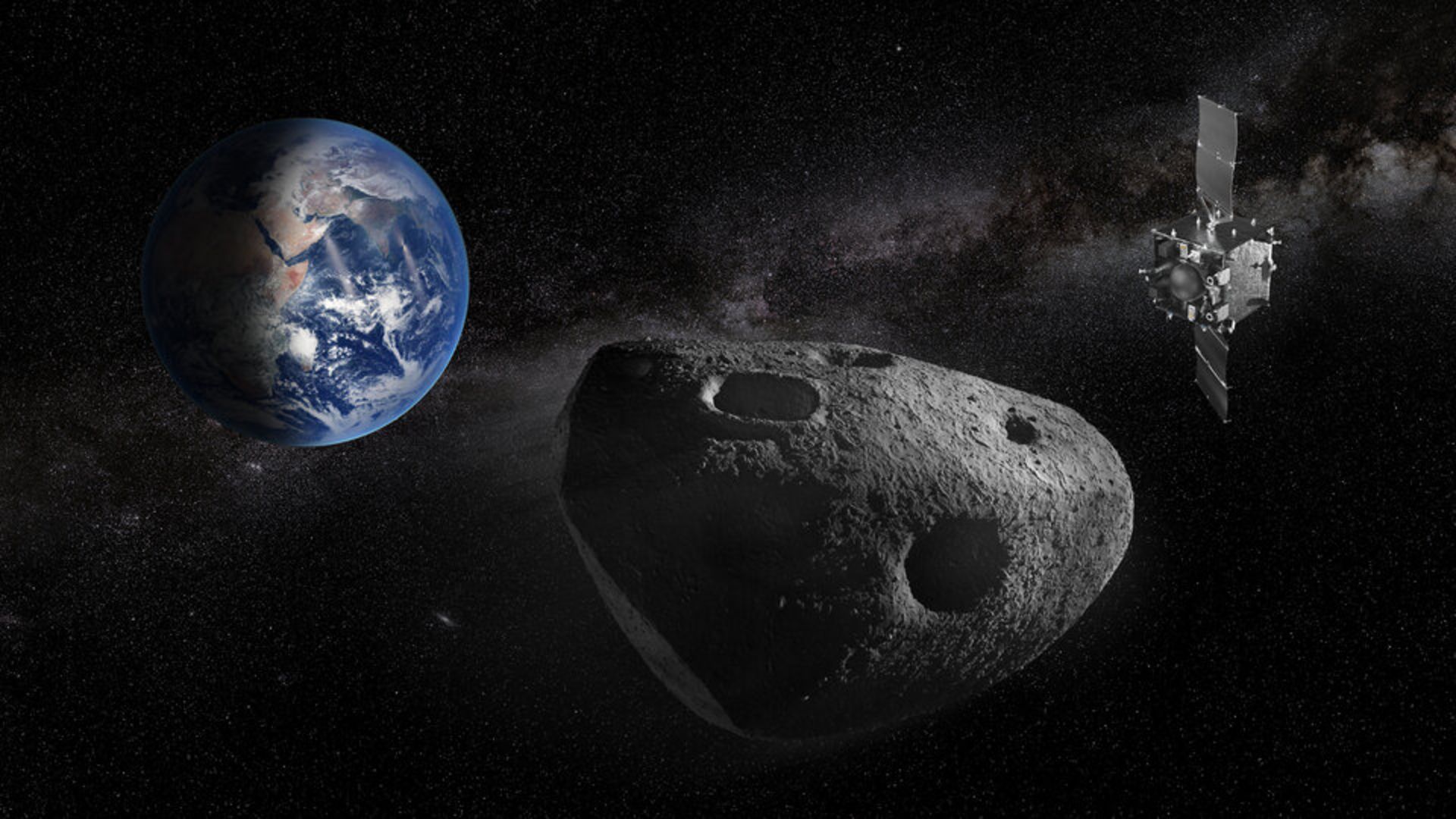
Recent studies using Gaia data and advanced modeling have shed light on how asteroids spin and how to identify the safest impact sites for deflection missions, improving our ability to prevent catastrophic Earth impacts.
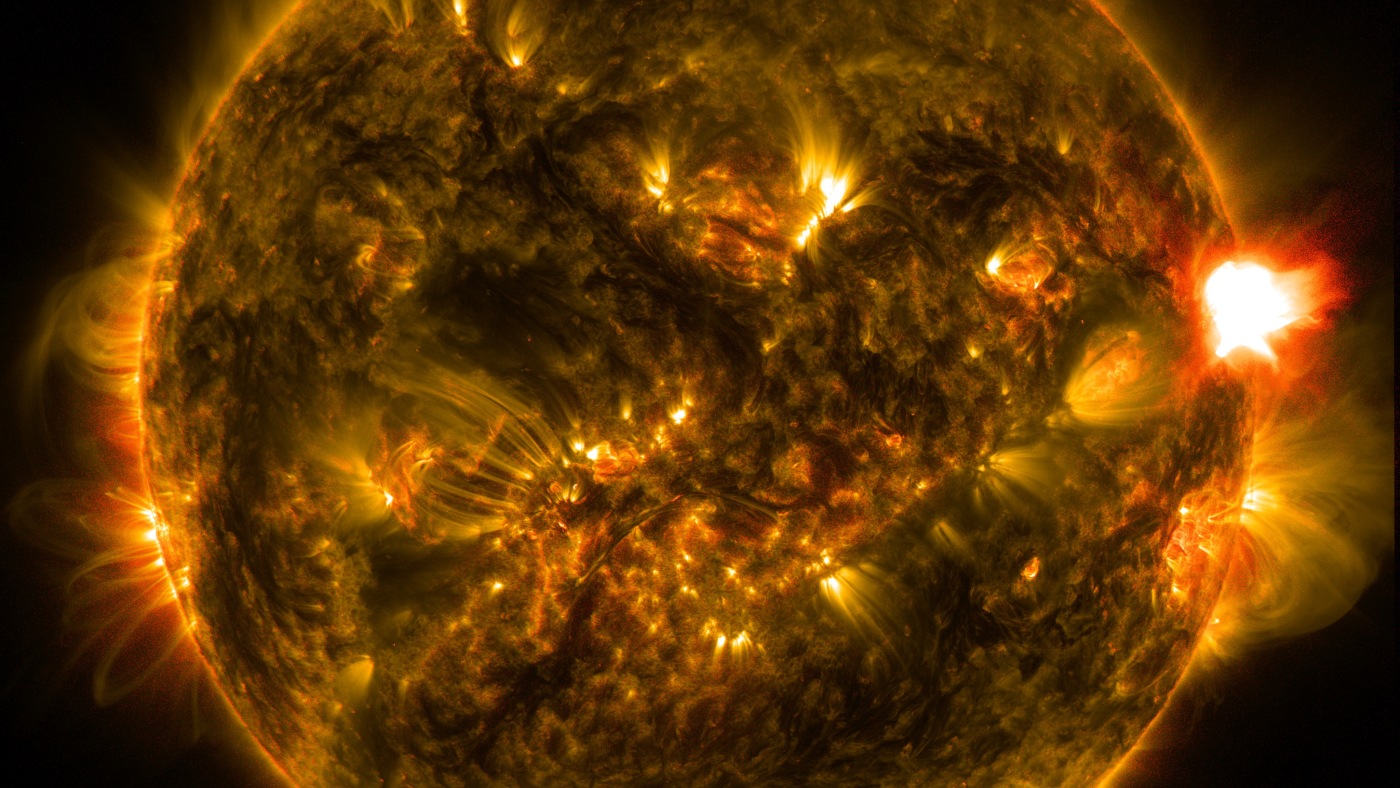
Recent research suggests that solar flares are much hotter than previously thought, potentially reaching temperatures of 180 million degrees Fahrenheit due to ions heating up more than electrons, which could improve understanding and protection against solar eruptions.
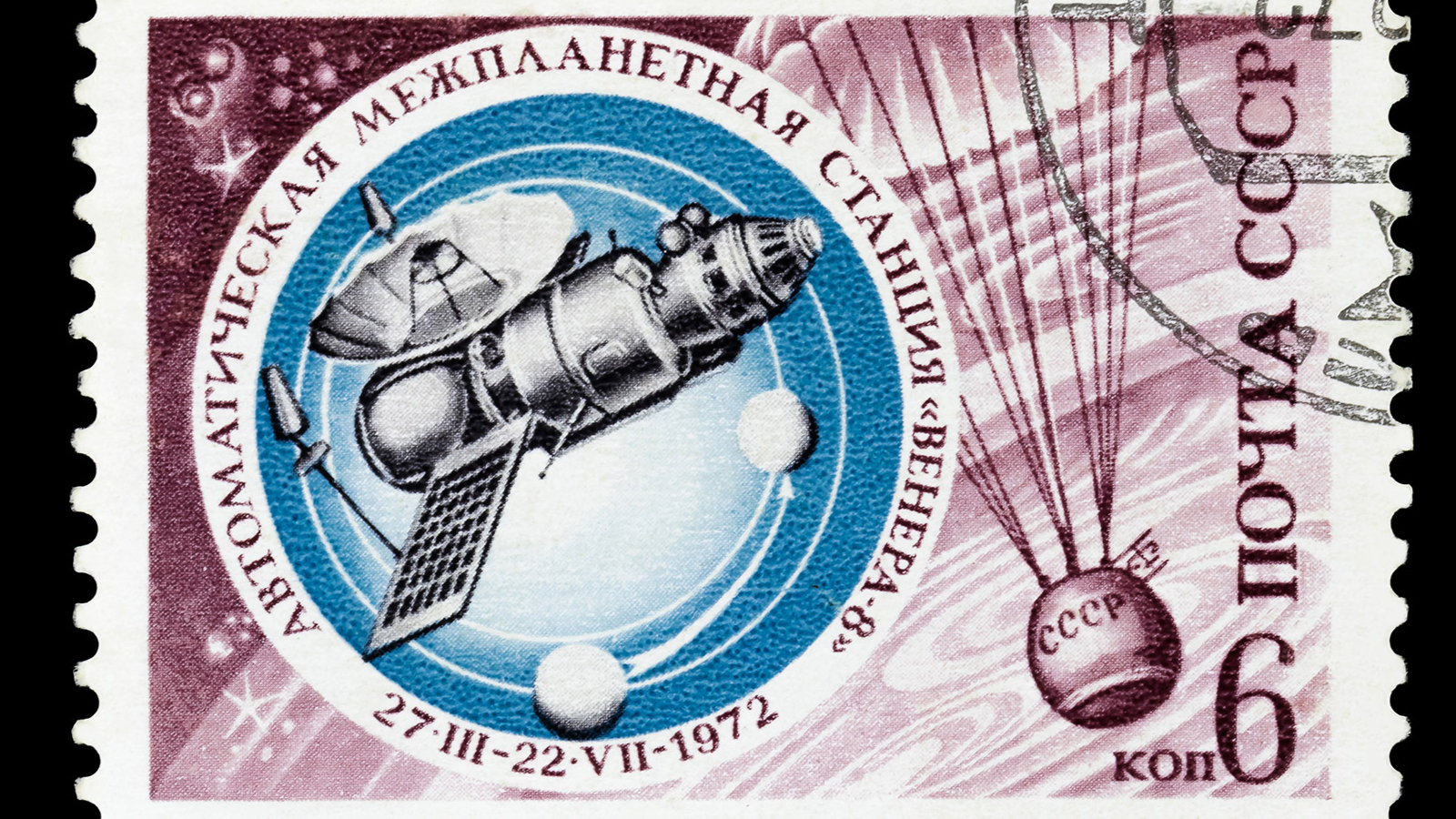
The article discusses the reentry of the Soviet Venus probe Kosmos-482, which failed to leave Earth orbit in the 1970s and reentered Earth's atmosphere in 2025, highlighting the challenges in tracking and predicting space debris reentries due to physical and atmospheric uncertainties.
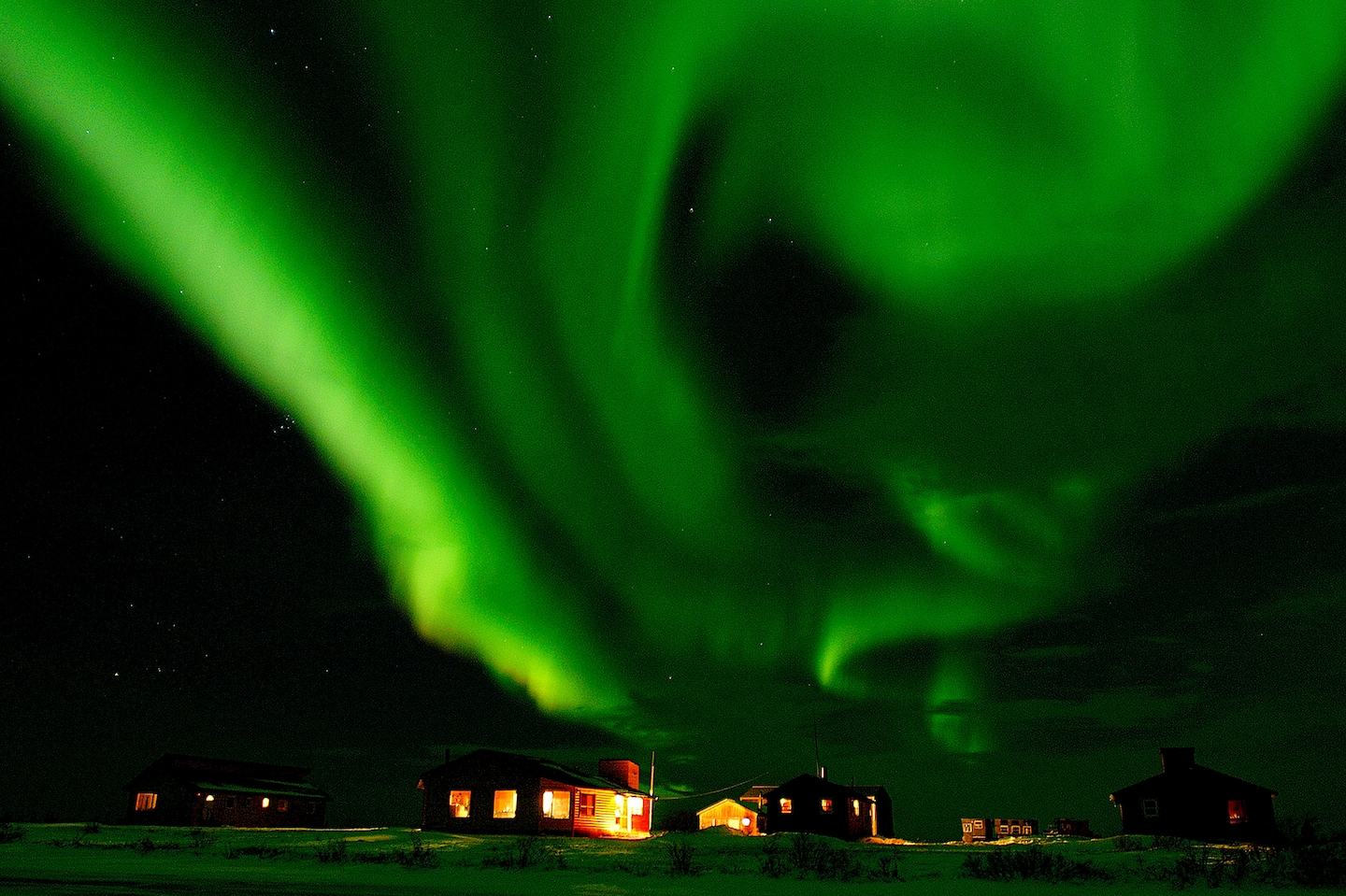
A mysterious blue aurora observed during a geomagnetic storm in May 2024 has puzzled scientists, as it appeared at low latitudes and high altitudes, which is unusual. Researchers suggest that nitrogen molecular ions, accelerated by an unknown mechanism, may be responsible for the blue glow. This discovery hints at unidentified atmospheric processes, and further studies during increased solar activity could provide more insights into these phenomena.
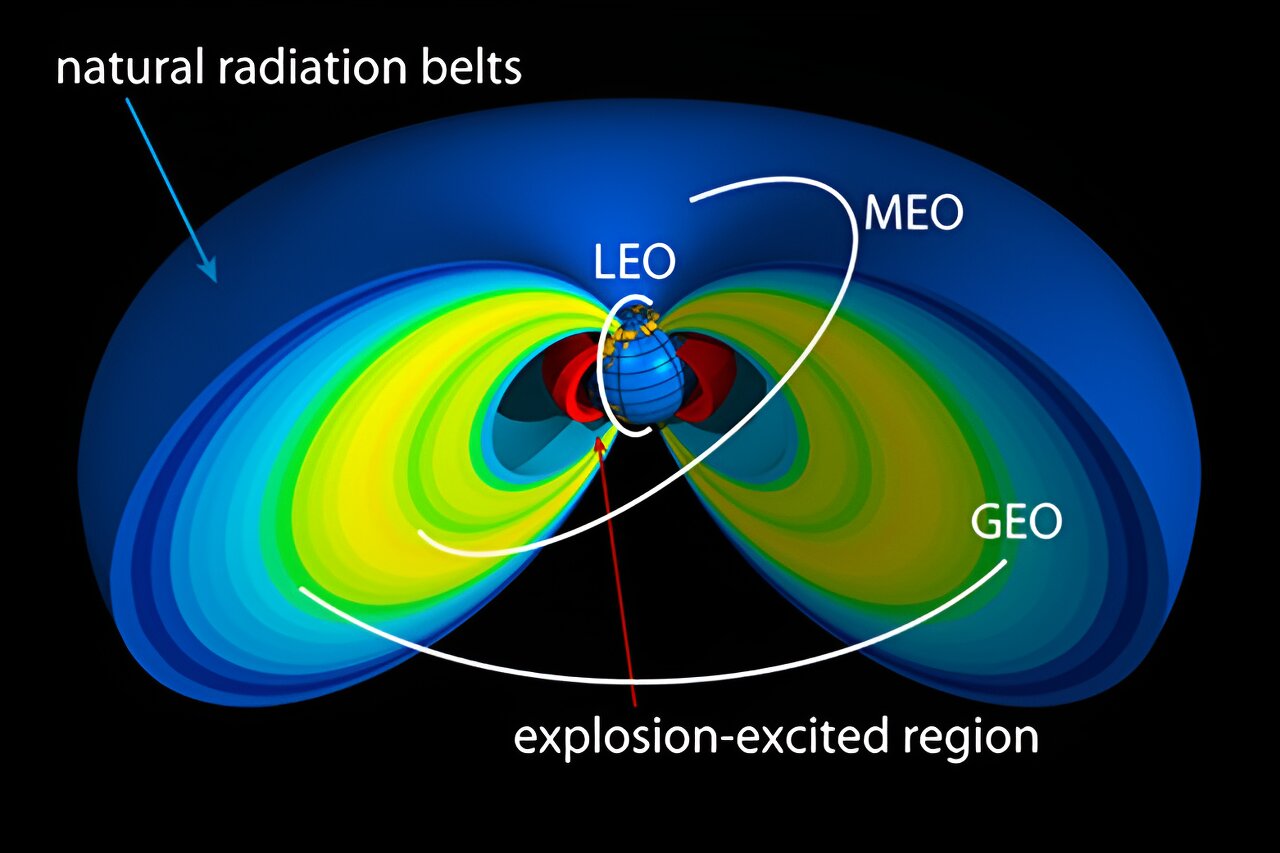
Researchers have corrected a 50-year-old error in the math used to understand how electromagnetic waves scatter electrons trapped in Earth's magnetic fields, leading to improved models of artificial radiation belts and better predictions of their impact on space technology. The discovery of these errors will help scientists improve their understanding of how high-altitude nuclear explosions could produce artificial radiation belts and impact space technology, potentially leading to better protection for satellites and space assets.
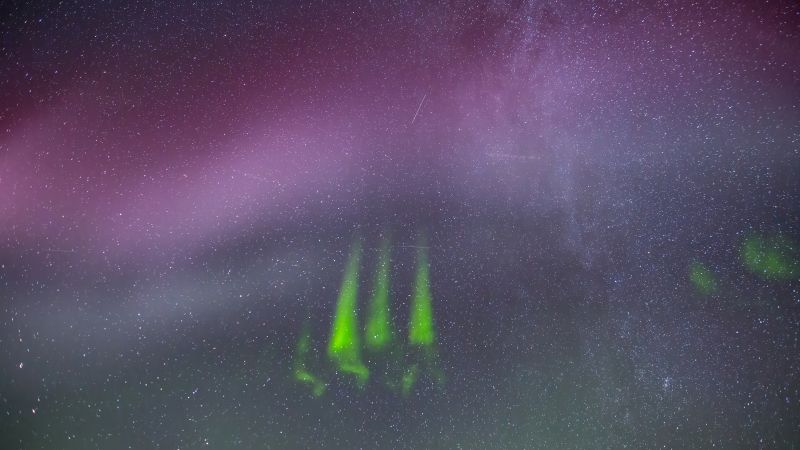
Scientists have been intrigued by the peculiar aurora-like phenomena known as "Steve" and the picket fence phenomenon. Claire Gasque, a graduate student in physics at the University of California, Berkeley, has proposed a new explanation for these phenomena, suggesting a physical mechanism different from traditional auroras. Gasque's research focuses on the behavior of electric fields in the upper atmosphere, suggesting that parallel electric fields might produce the unique color spectrum observed in the picket fence phenomenon. Gasque and her team have proposed launching rockets to measure electric and magnetic fields within these phenomena, aiming to validate their hypotheses and deepen our understanding of the upper atmosphere's chemistry and physics.
Steve, a rare light spectacle that appears closer to the equator than auroras, has been captivating observers in the Northern Hemisphere. Initially misidentified as a proton arc, Steve was given its name during a meeting at a Canadian pub by a group of citizen scientists. Scientists later discovered that Steve is a visual manifestation of subauroral ion drift (SAID), a narrow flow of charged particles in Earth's upper atmosphere. While visually different from auroras, Steve is made up of similar components and appears as a streak of mauve-colored light accompanied by distinctive green bands. As Earth enters a period of enhanced solar activity, or solar maximum, more opportunities to witness Steve at low latitudes are expected.
STEVE is a light phenomenon that appears as a long, slender purple-and-white arc, sometimes accompanied by a structure that looks like a green picket fence. It is fainter and narrower, and occurs at lower latitudes and higher altitudes than most auroras. Citizen scientists have been vital sources for researchers investigating STEVE. Solar activity is expected to be on the rise over the next few years, so there could be good opportunities for the public to spot STEVE.