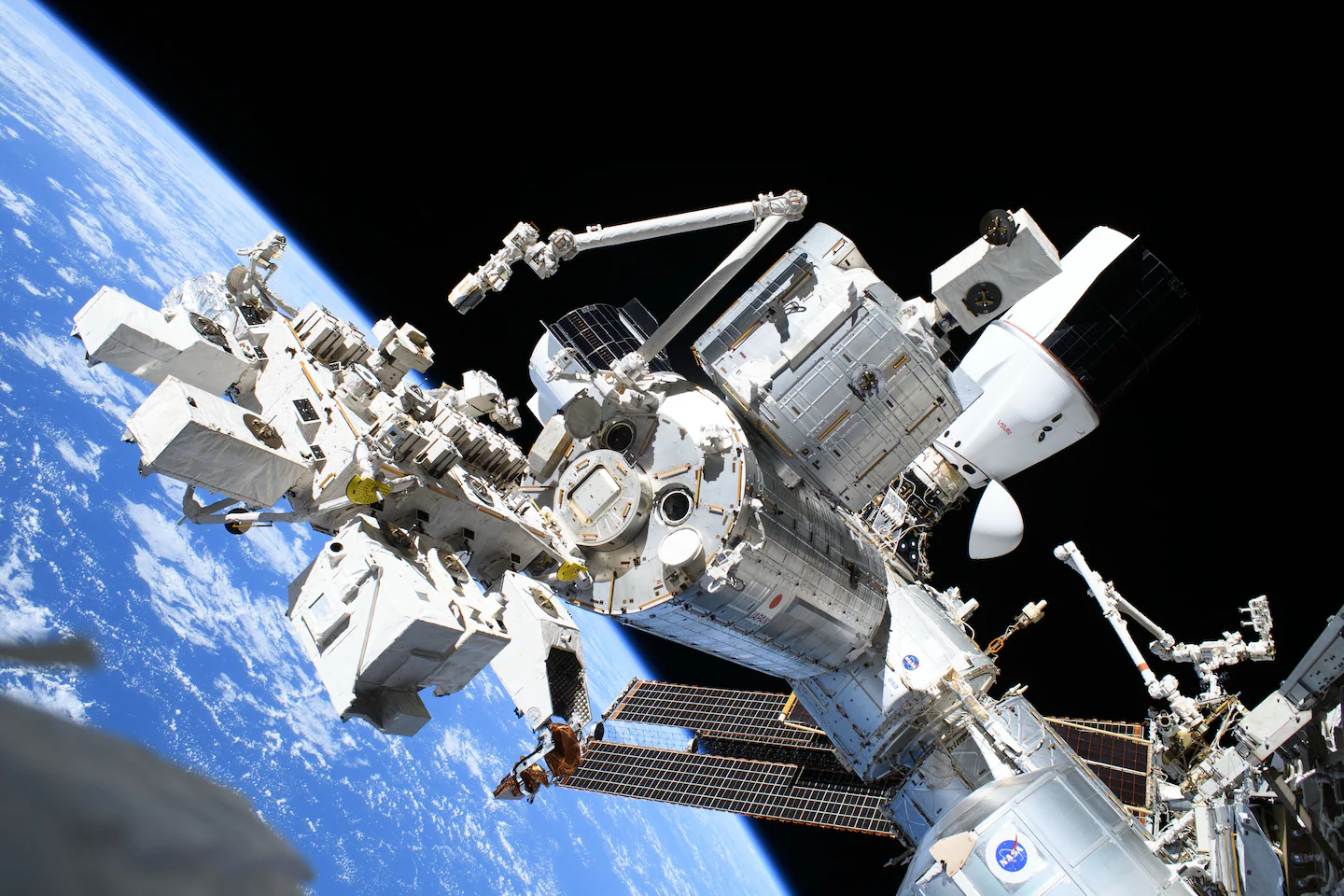
NASA has decided to end the Crew-11 mission early due to a medical emergency involving an astronaut aboard the International Space Station, marking the first time such a decision has been made in the station's history.
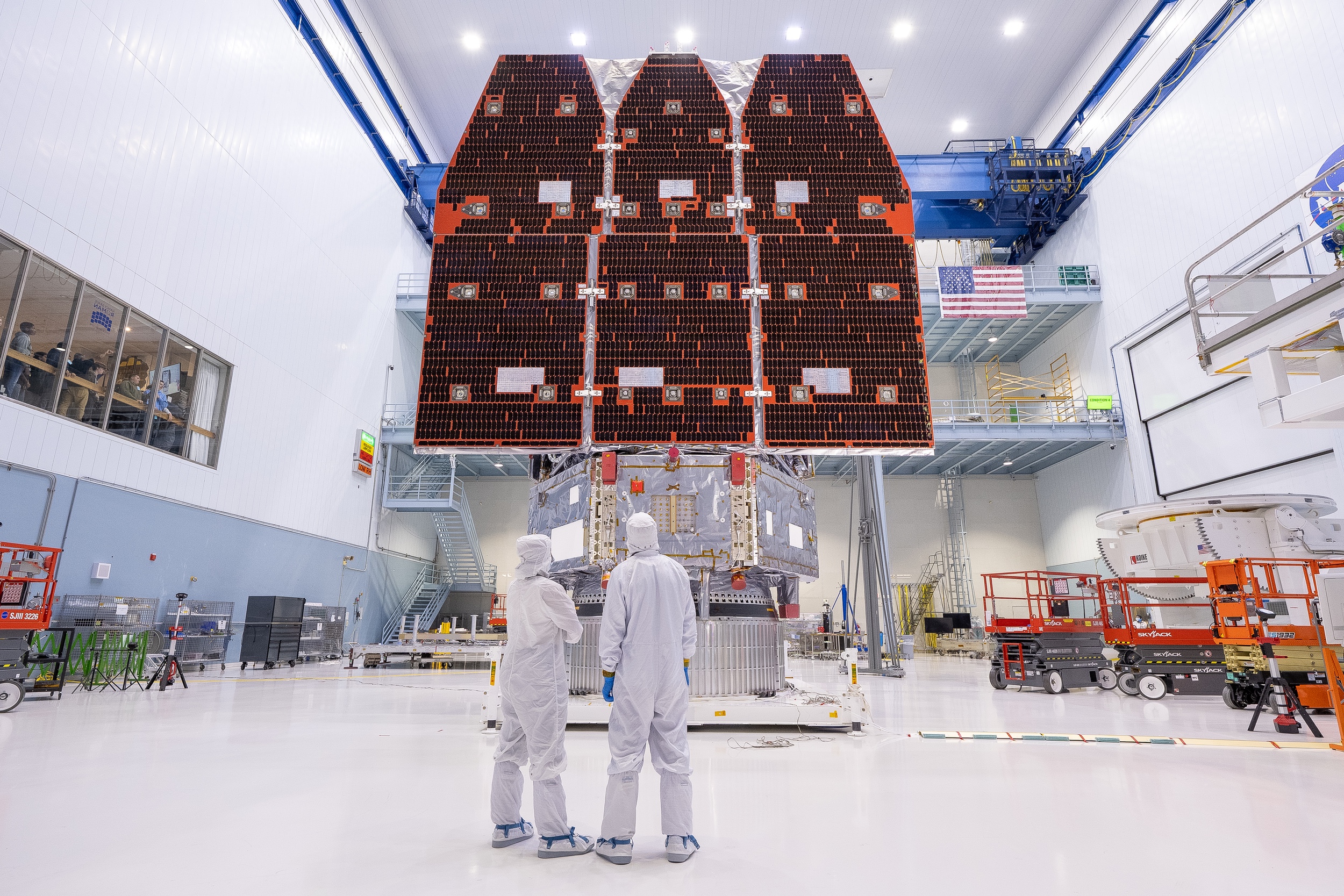
NASA's Nancy Grace Roman Space Telescope is on track for a September 2026 launch, ahead of schedule and within budget, marking a successful flagship mission that demonstrates NASA's improved project management after previous delays with missions like the James Webb Space Telescope.
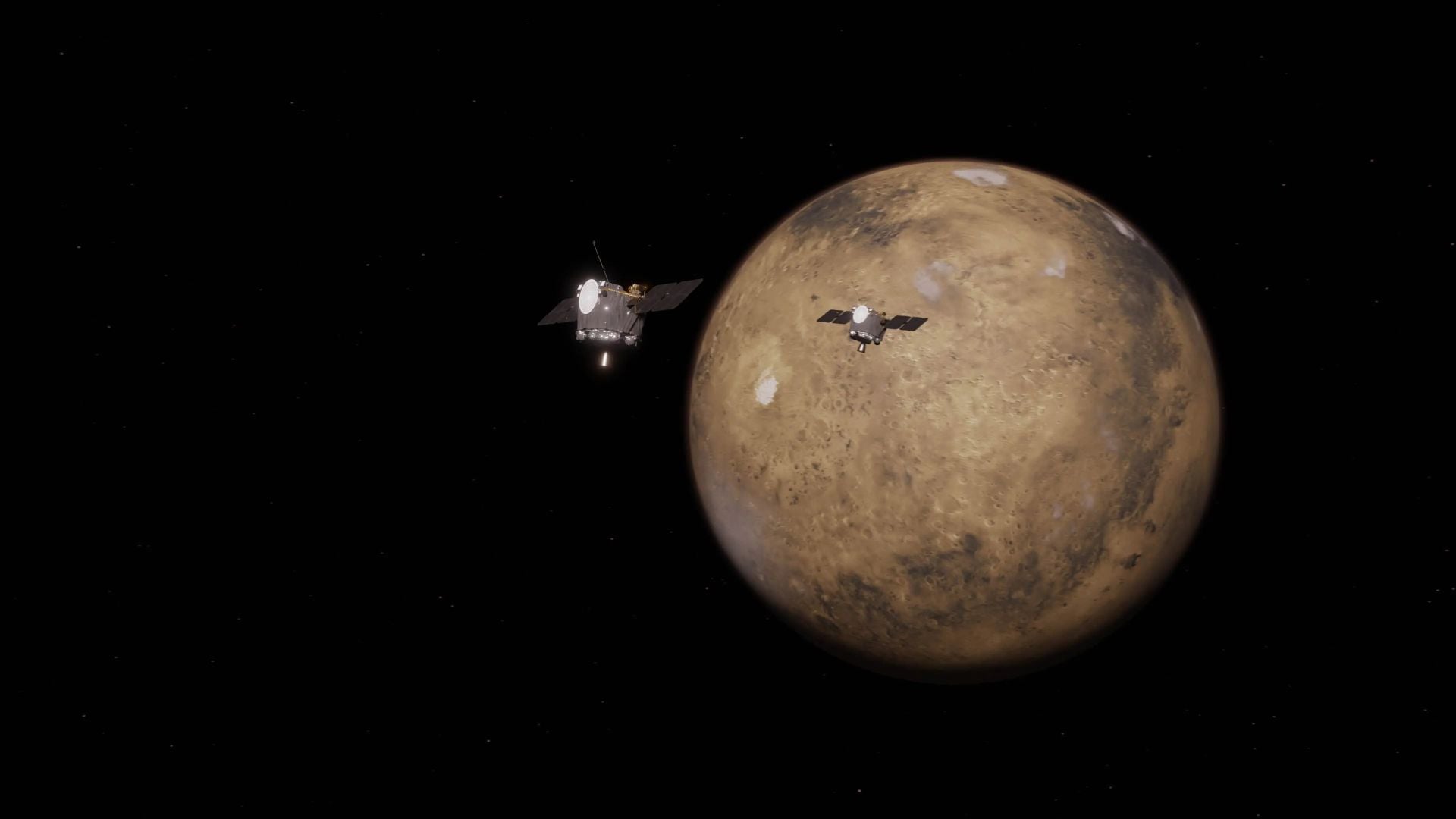
NASA's twin ESCAPADE probes were launched into a loiter orbit near Earth's Lagrange point 2 to analyze solar wind interactions with Mars' atmosphere. They will use Earth's gravity for a slingshot to Mars in late 2026, with a planned orbit insertion in 2027. The extra year in space adds some wear but is deemed manageable, serving as a template for future Mars missions and colonization efforts.
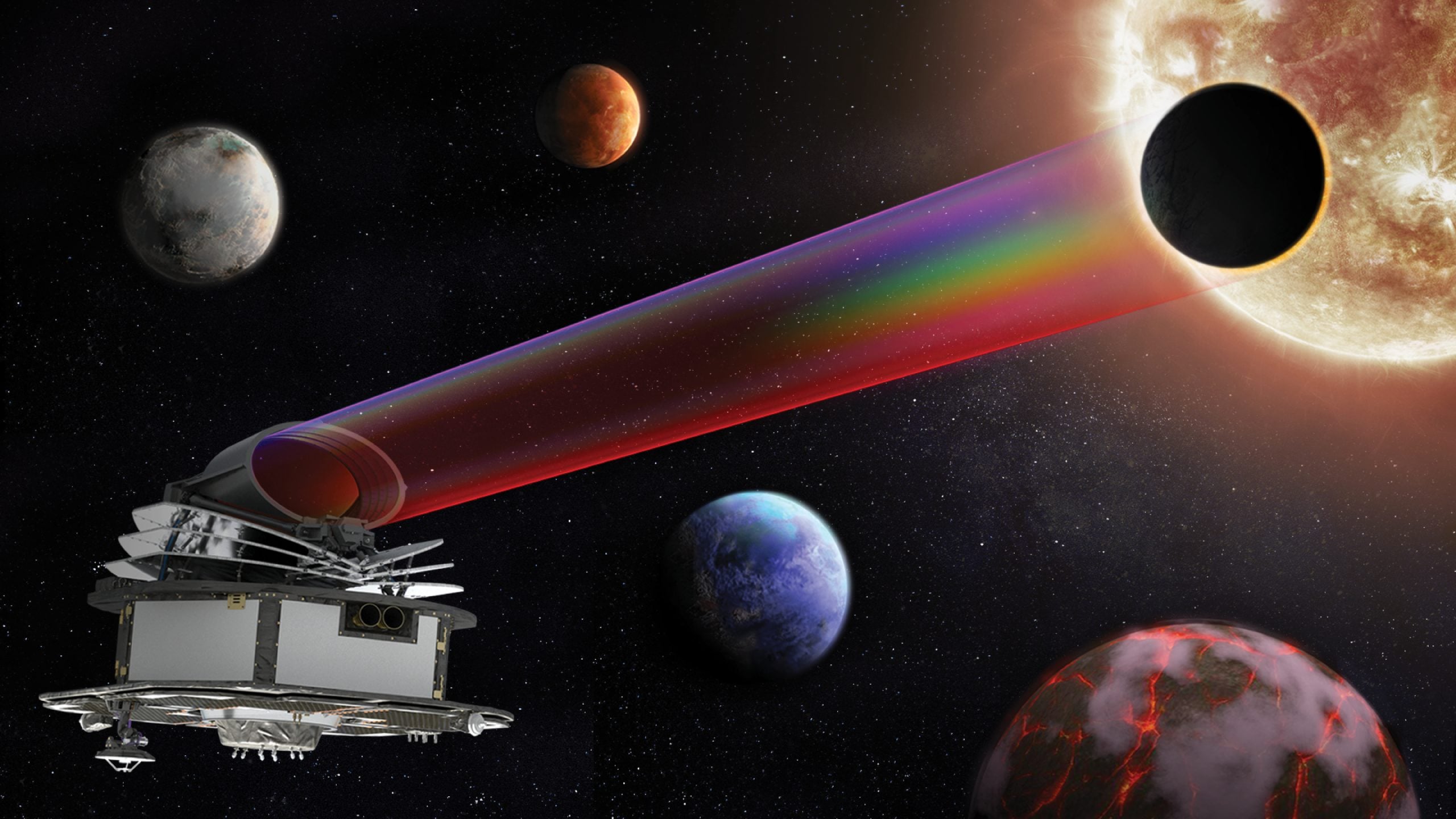
The European Space Agency confirmed a security breach involving unclassified data from science servers, with reports suggesting the leak included source code, confidential documents, and system credentials, potentially affecting the Ariel exoplanet study mission; ESA is investigating and has taken measures to secure affected systems.
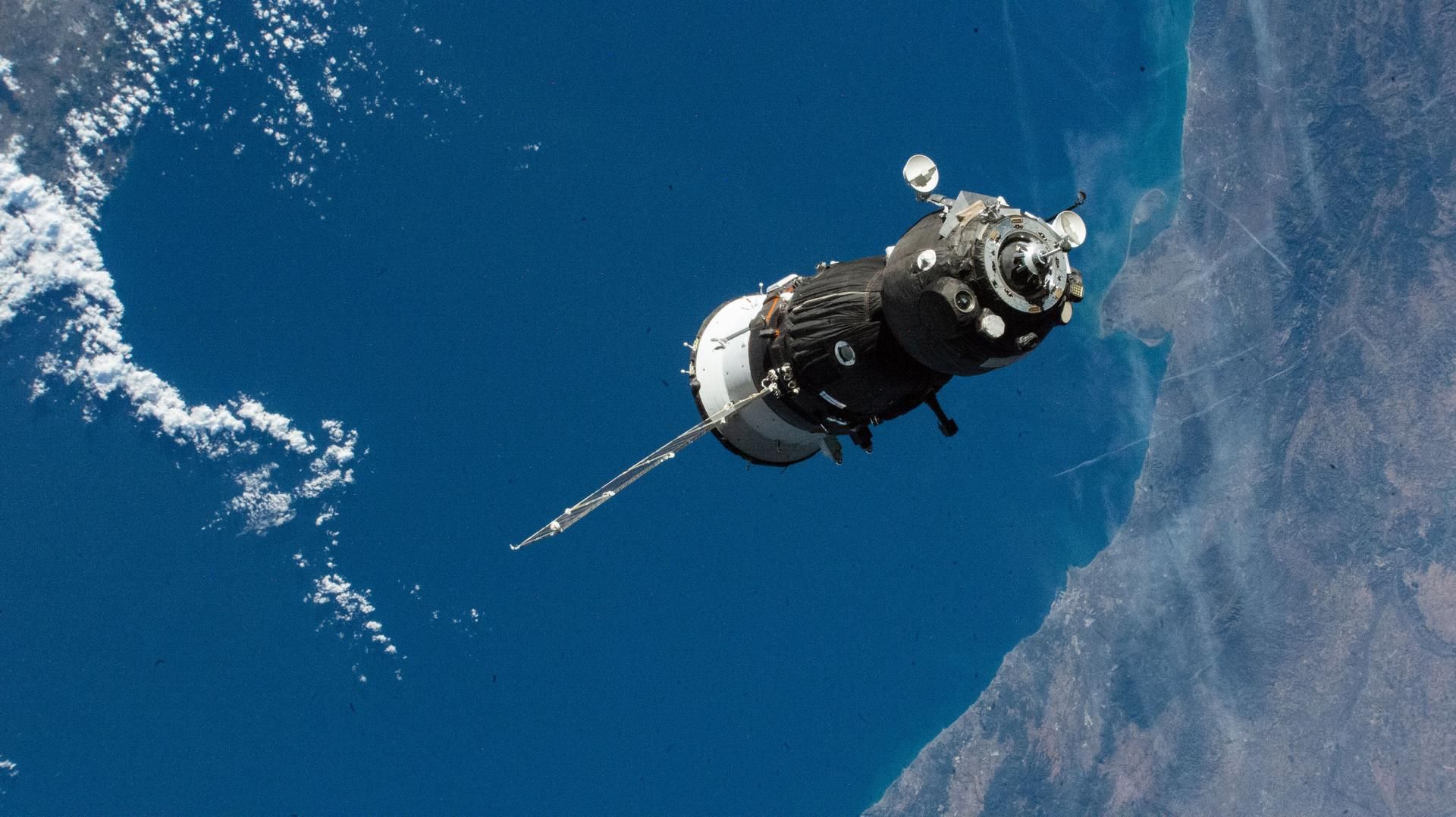
The Russian Soyuz MS-28 spacecraft successfully docked with the International Space Station on Nov. 27, 2025, carrying three crew members and marking a historic moment with all eight ISS docking ports occupied for the first time in its 25-year history, despite damage to Baikonur's launch pad.
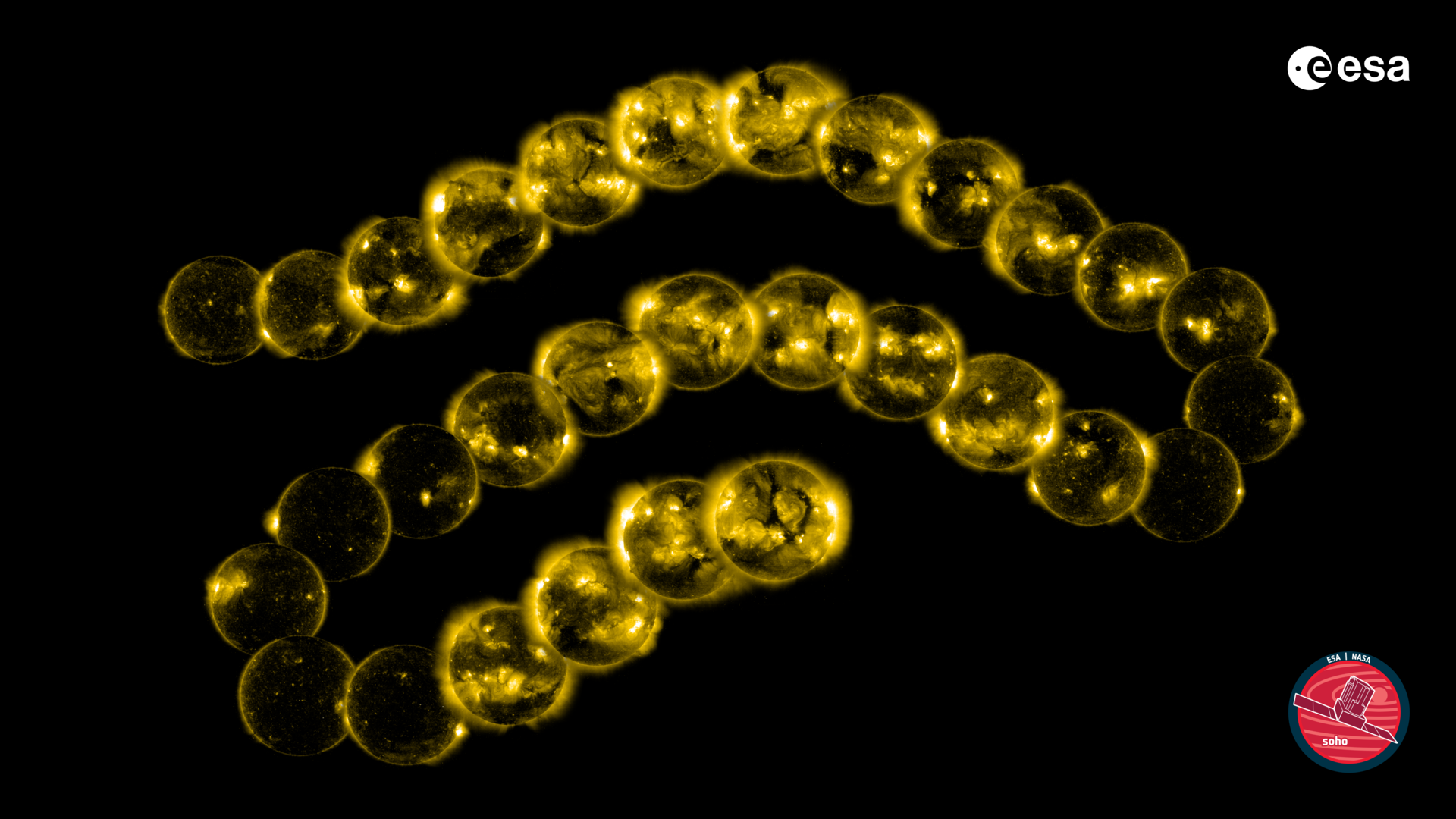
The ESA/NASA Solar and Heliospheric Observatory (SOHO) has celebrated 30 years of continuous solar observation, overcoming challenges and revolutionizing solar science, space weather monitoring, and comet discovery, while inspiring future missions and international collaboration.
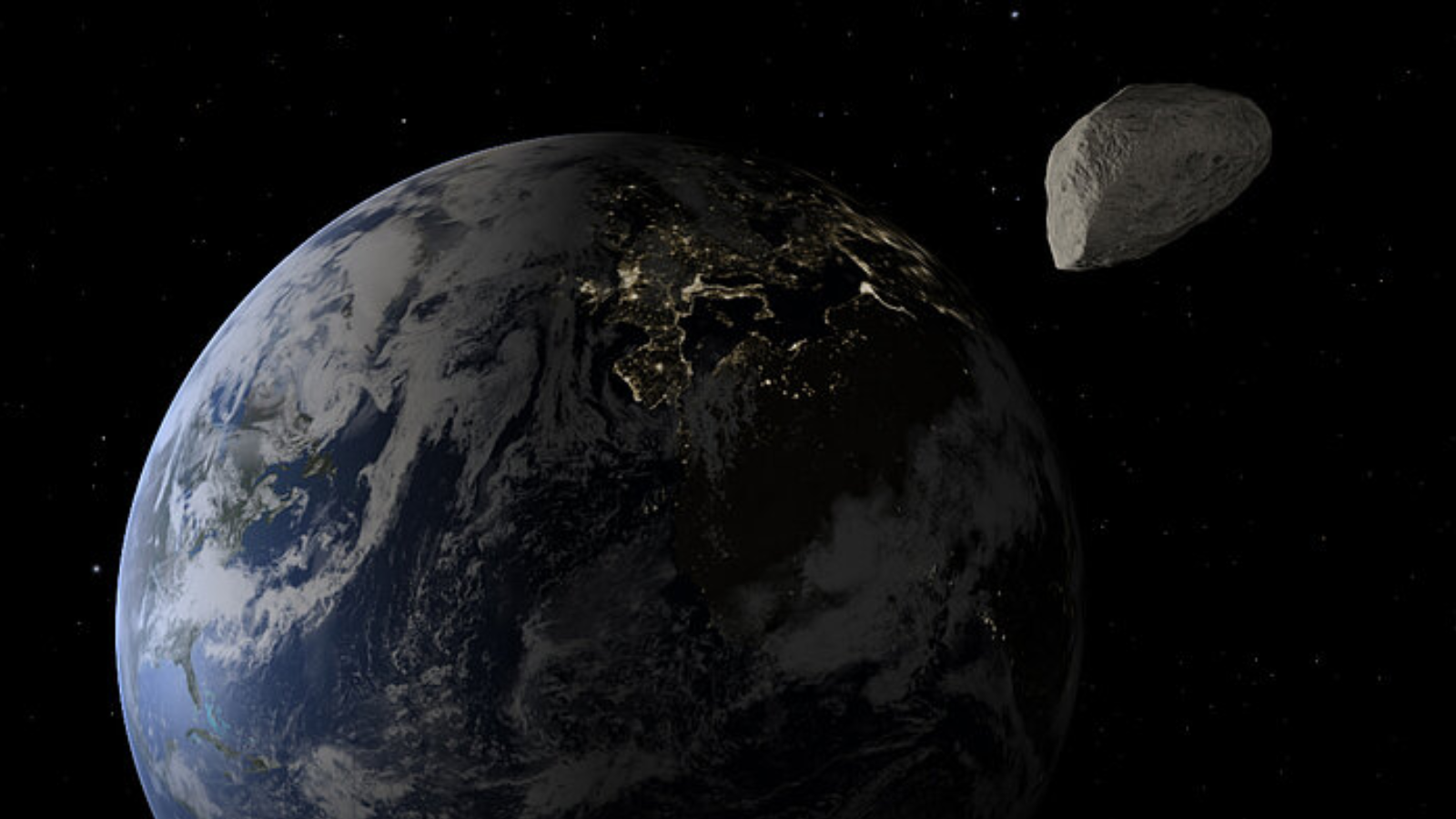
An Australian company, HEO Robotics, plans to use a dying satellite to photograph the asteroid Apophis during its close approach to Earth in 2029, joining international efforts to study this rare event, which offers a unique opportunity to understand asteroid behavior near Earth.
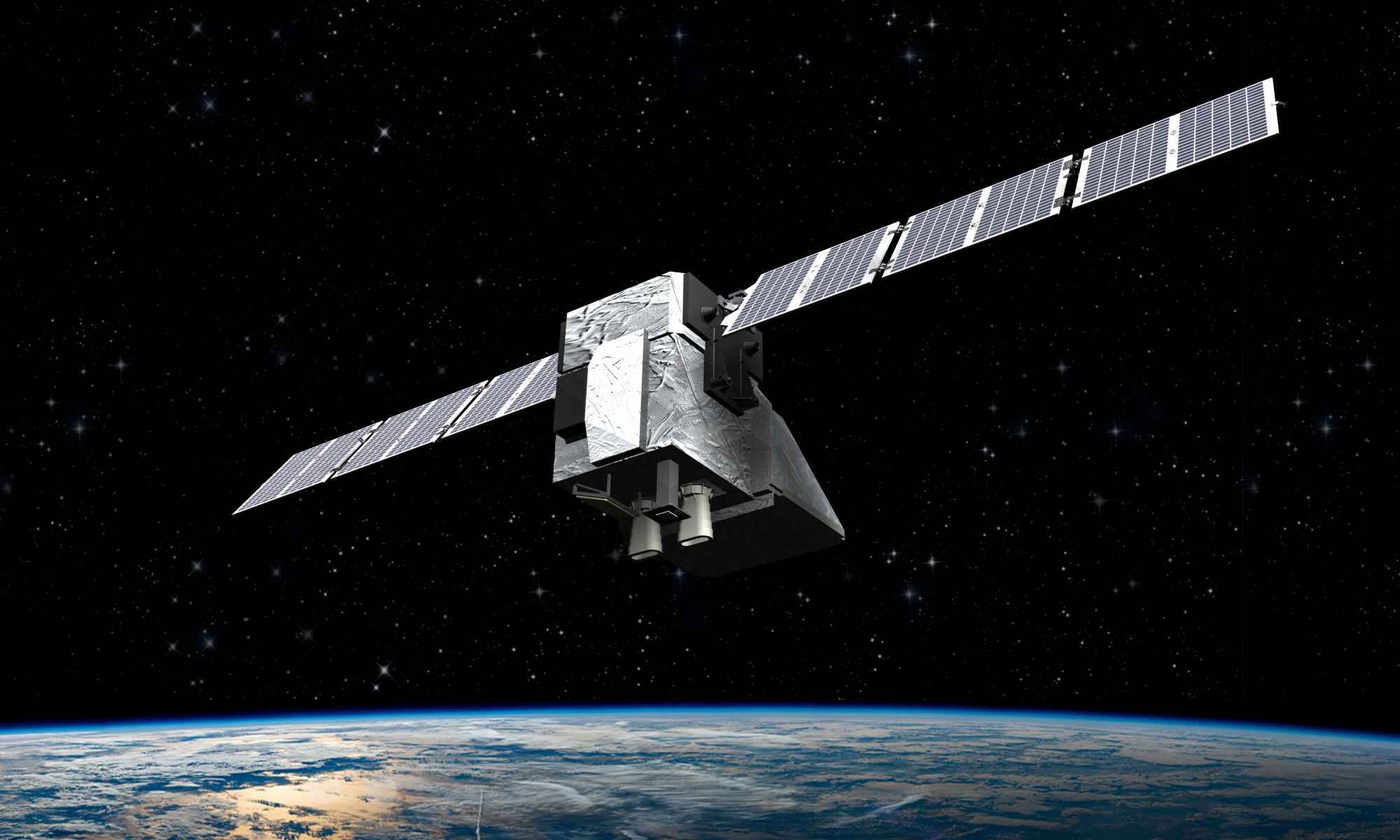
An investigation into the failure of the MethaneSAT satellite could not determine a single root cause, citing possible issues with its avionics or power systems, but limited data prevents a definitive conclusion. The mission faced technical problems since launch, and some experts suggest rushed development may have contributed to its failure.
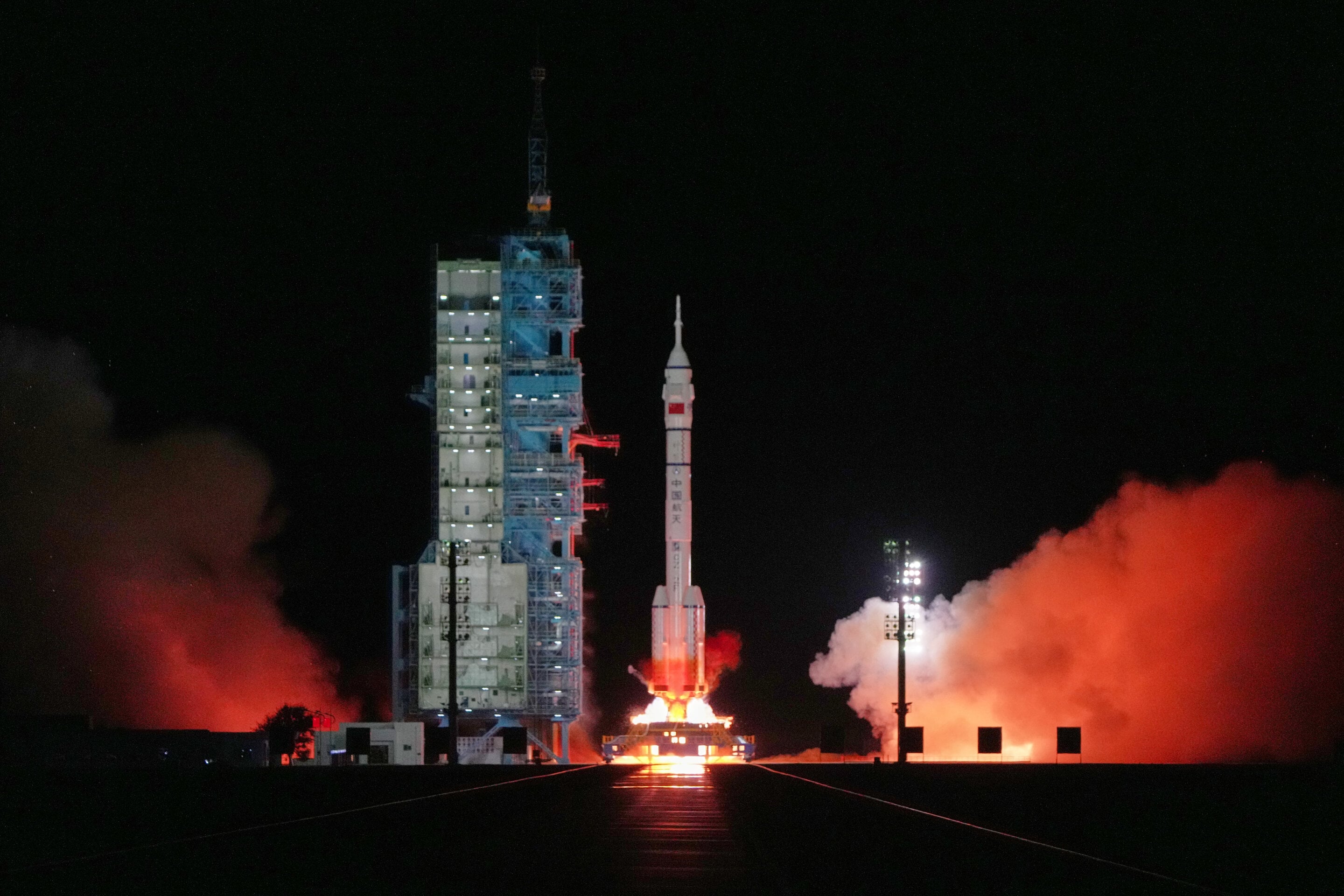
China's Shenzhou 21 spacecraft successfully docked with its space station in a record 3.5 hours, carrying a crew including the youngest Chinese astronaut, and conducted scientific experiments, including sending mice to study effects of space environment.
China announced its crew for the upcoming Shenzhou 21 mission to the Tiangong Space Station, including the nation's youngest astronaut Wu Fei, who will join Zhang Lu and Zhang Hongzhang for a six-month mission involving experiments, spacewalks, and cargo management, marking China's 10th crewed flight to Tiangong.
NASA's $20 million mission to study asteroid Apophis in 2029 has been saved from cancellation with last-minute funding, allowing continued observation of the asteroid's close approach, though ongoing budget issues threaten future operations and research.
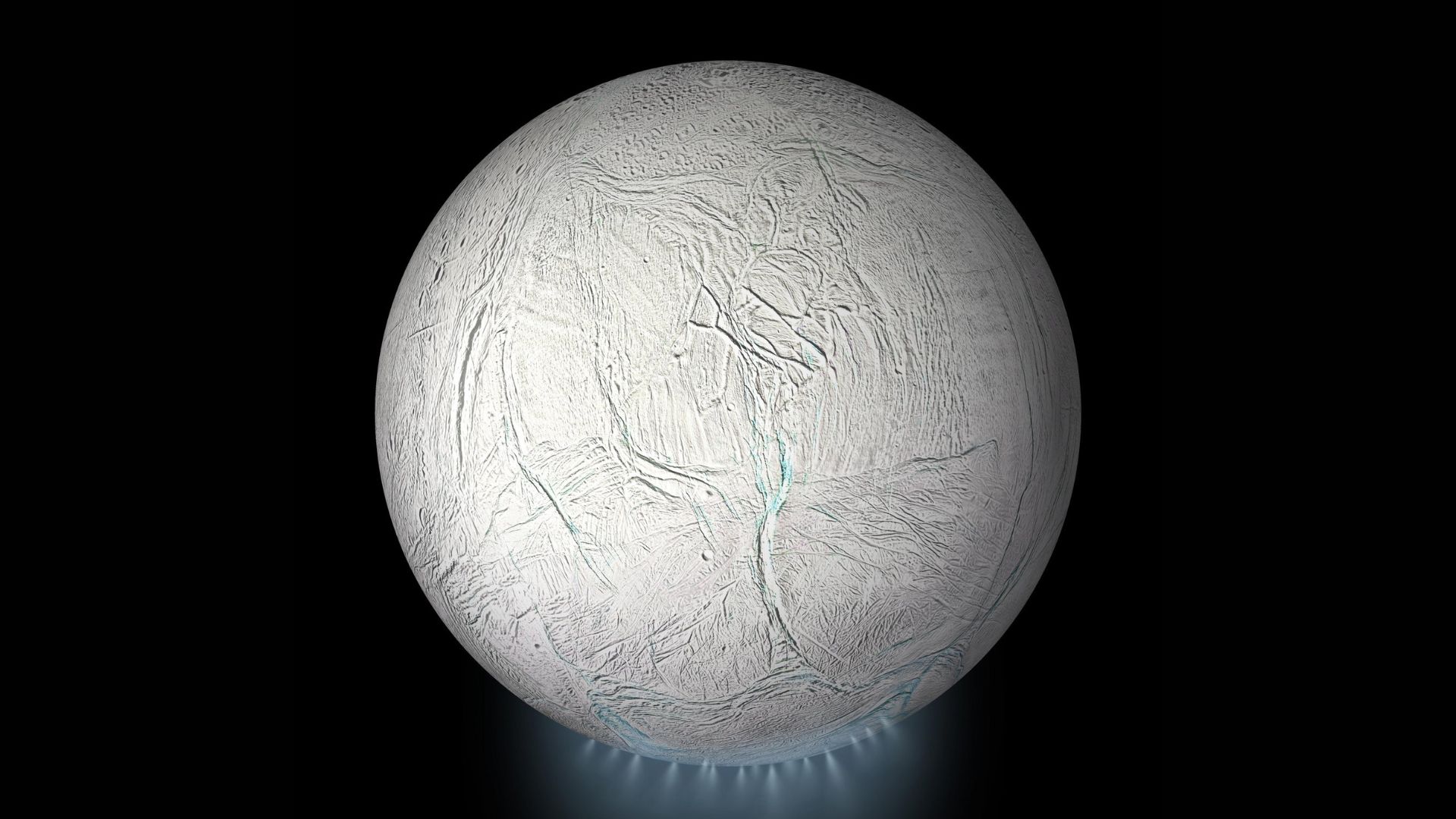
Scientists analyzing data from the Cassini spacecraft have discovered complex organic molecules in the fresh ice grains ejected from Saturn's moon Enceladus, indicating active chemical reactions in its subsurface ocean that could support life, prompting plans for a dedicated ESA mission to explore the moon further.
The European Space Agency plans a long-term mission to Saturn's moon Enceladus, aiming to study its subsurface ocean and potential habitability, with a launch targeted around 2042 and a landing around 2058, involving advanced technologies and international collaboration.
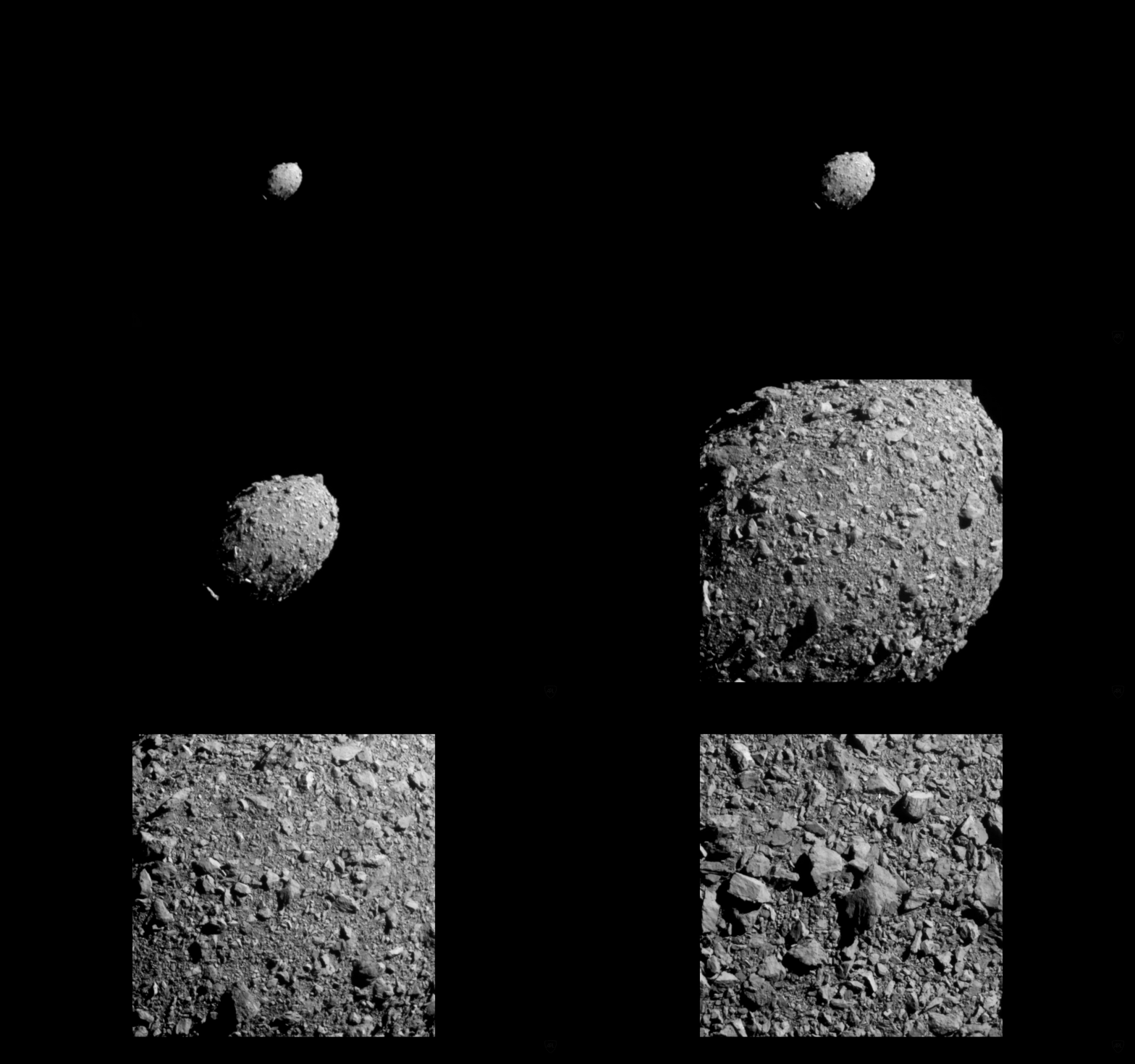
NASA's DART mission successfully collided with asteroid Dimorphos in 2022, demonstrating the kinetic impactor method for asteroid deflection, and providing valuable data for planetary defense strategies, while highlighting the complexities and potential unintended consequences of asteroid mitigation efforts.
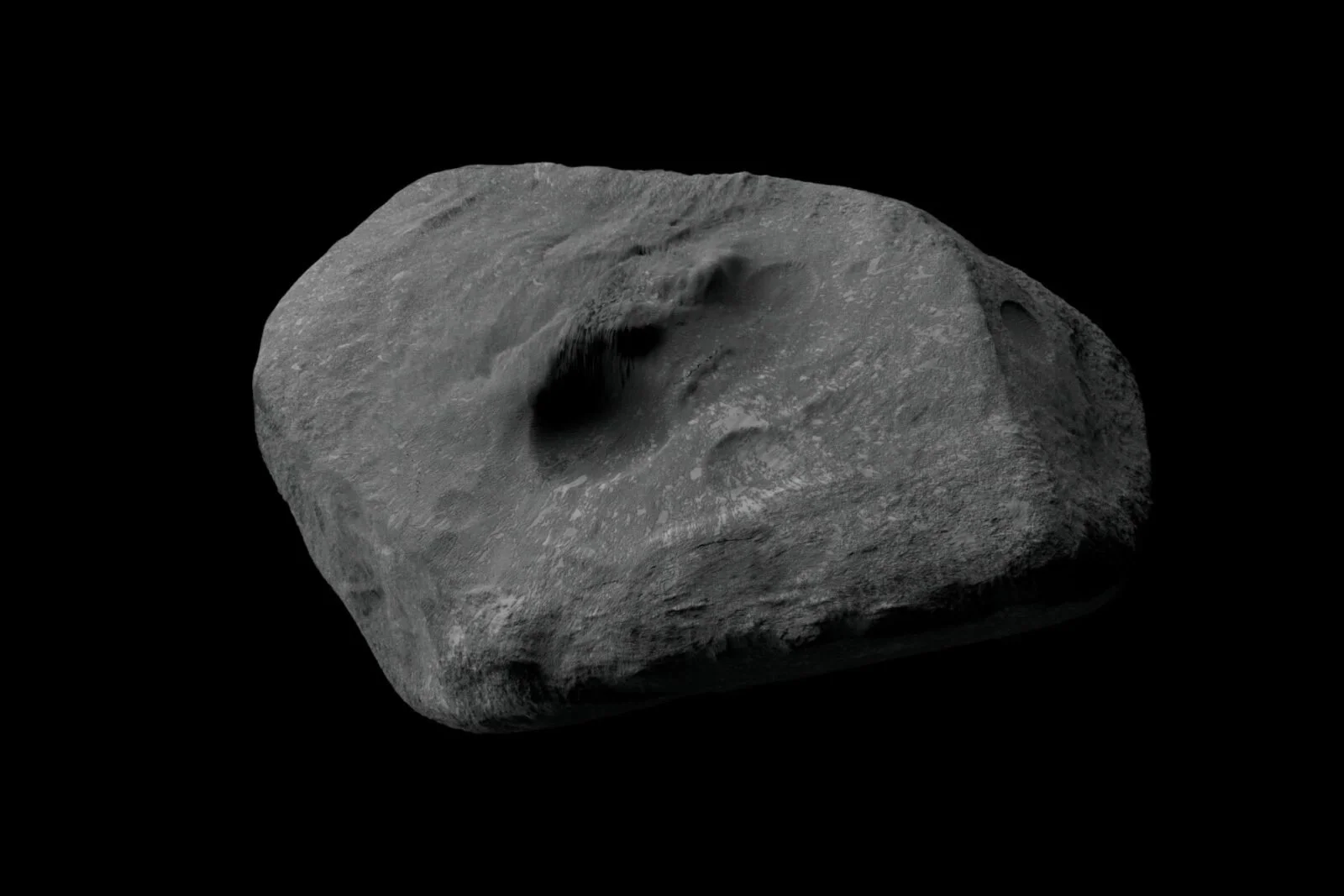
NASA's analysis shows asteroid 2024 YR4 has a slightly increased chance of impacting the Moon, prompting discussions on potential mitigation strategies such as reconnaissance missions, deflection, or disruption, with the most urgent mission launch suggested for late 2028.