Scientists are developing a real-life electrostatic tractor beam that uses electrostatic attraction to safely move defunct satellites out of Earth's orbit, potentially helping to address the growing space junk problem. While promising, the technology faces challenges such as slow operation and high costs, but could become operational within a decade if funding is secured.
The European Space Agency has introduced a space environment health index to assess the long-term impact of space debris, revealing that Earth's orbit is in serious crisis with levels four times above the safe threshold, emphasizing the urgent need for debris mitigation and sustainable space practices to prevent future chaos and ensure the viability of space activities.
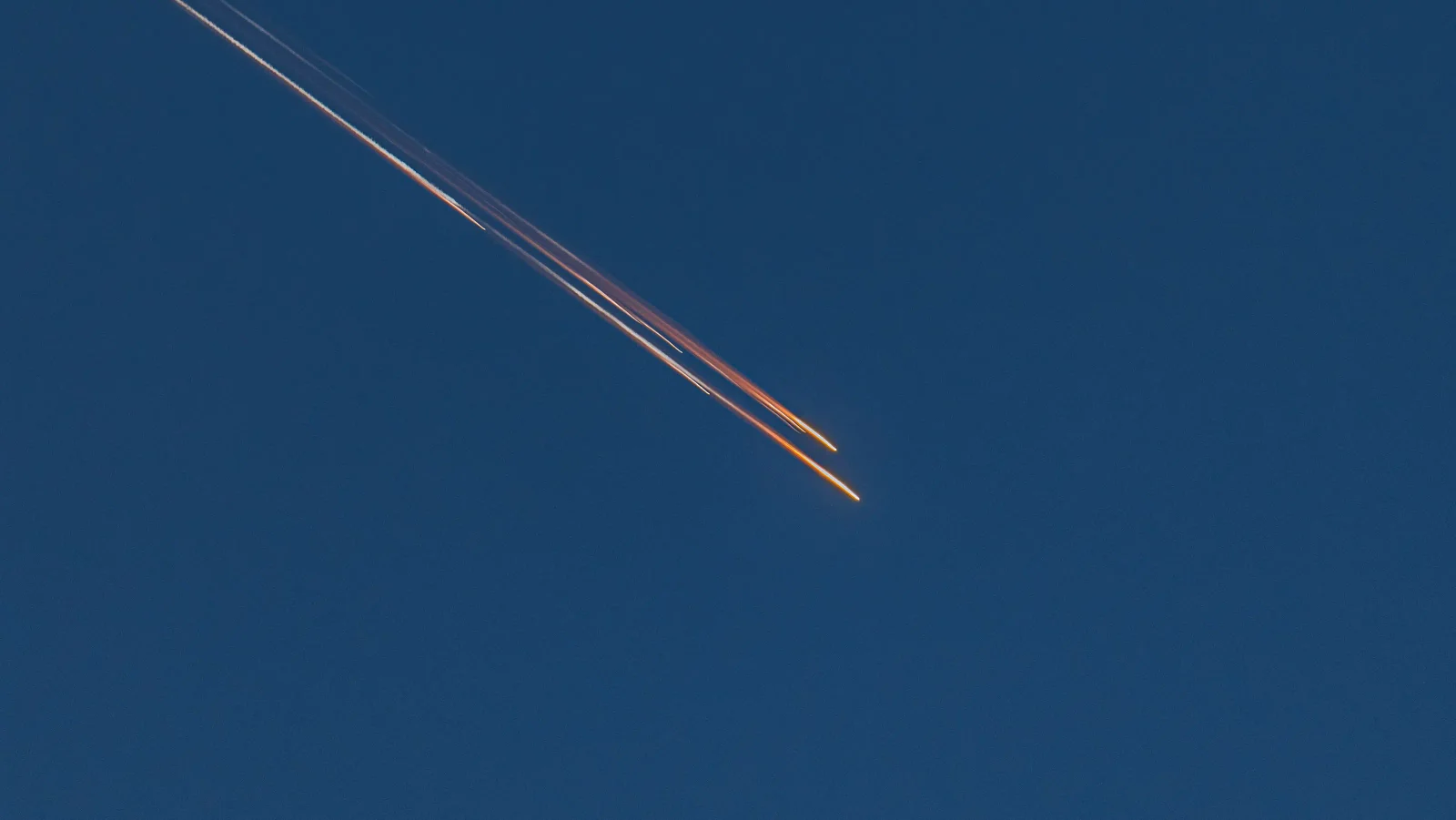
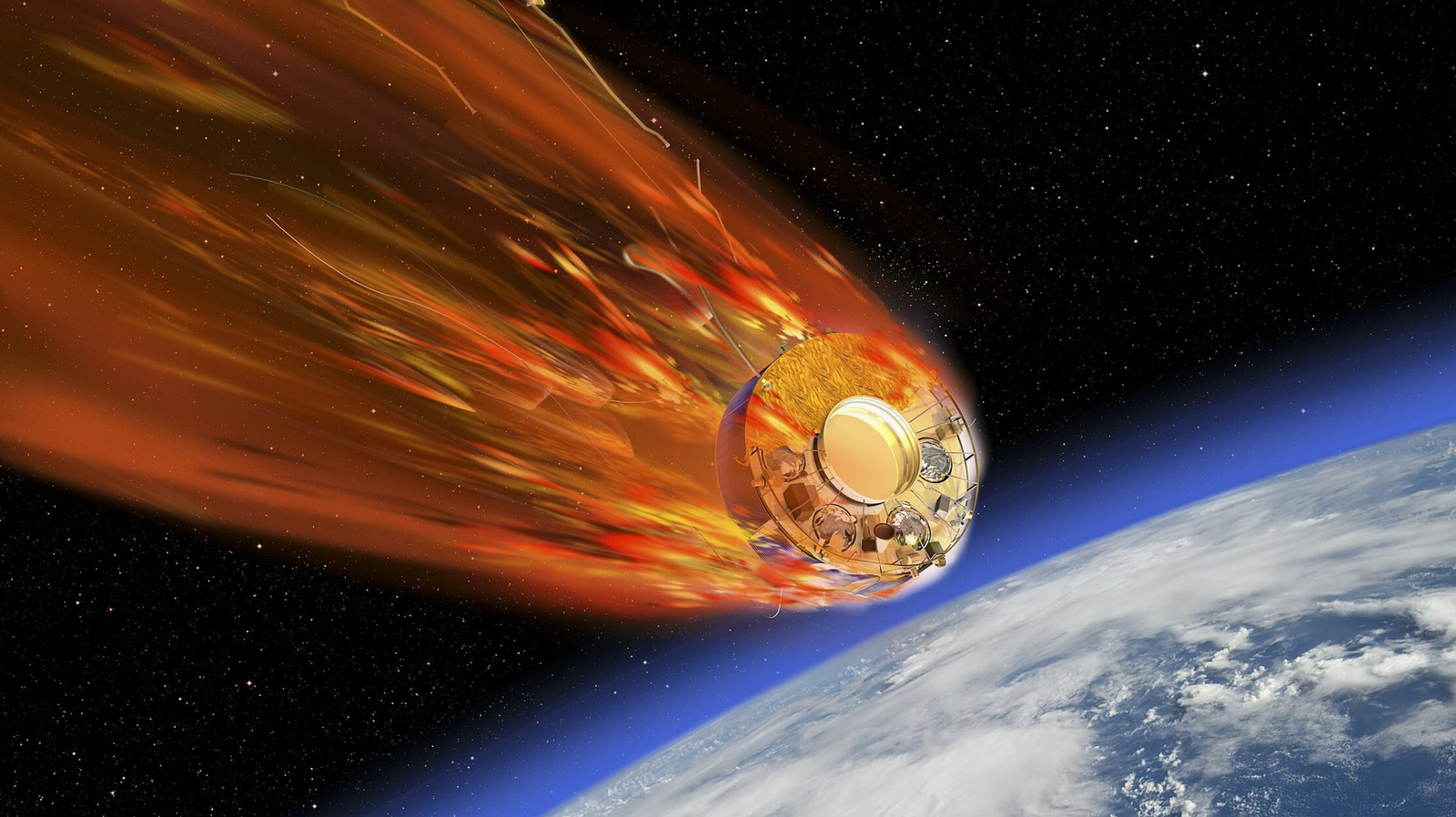
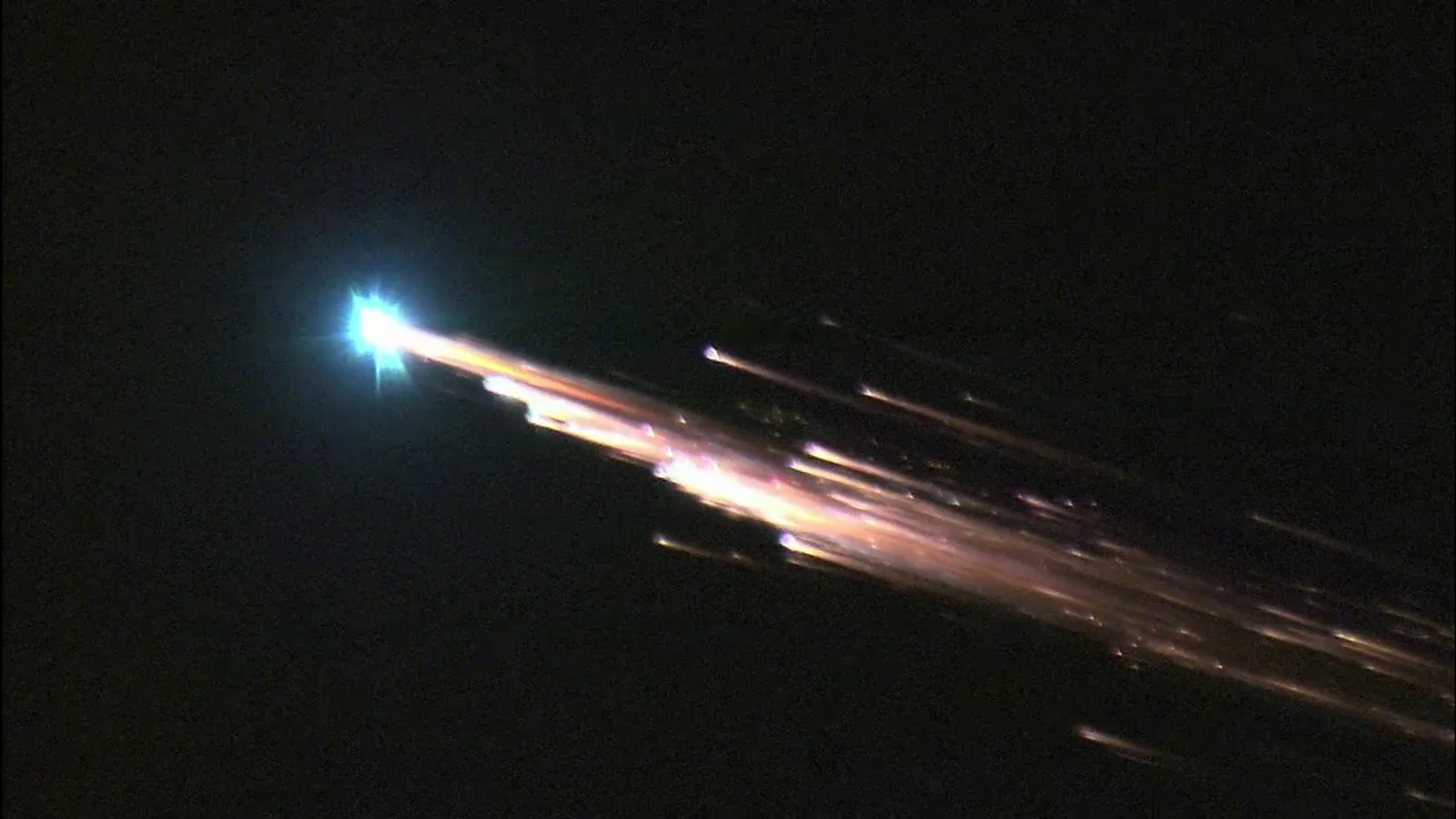
A fireball was observed over Florida on Nov. 8, 2025, likely caused by a satellite reentry rather than a meteorite or rocket explosion, with multiple eyewitnesses and photos documenting the event.
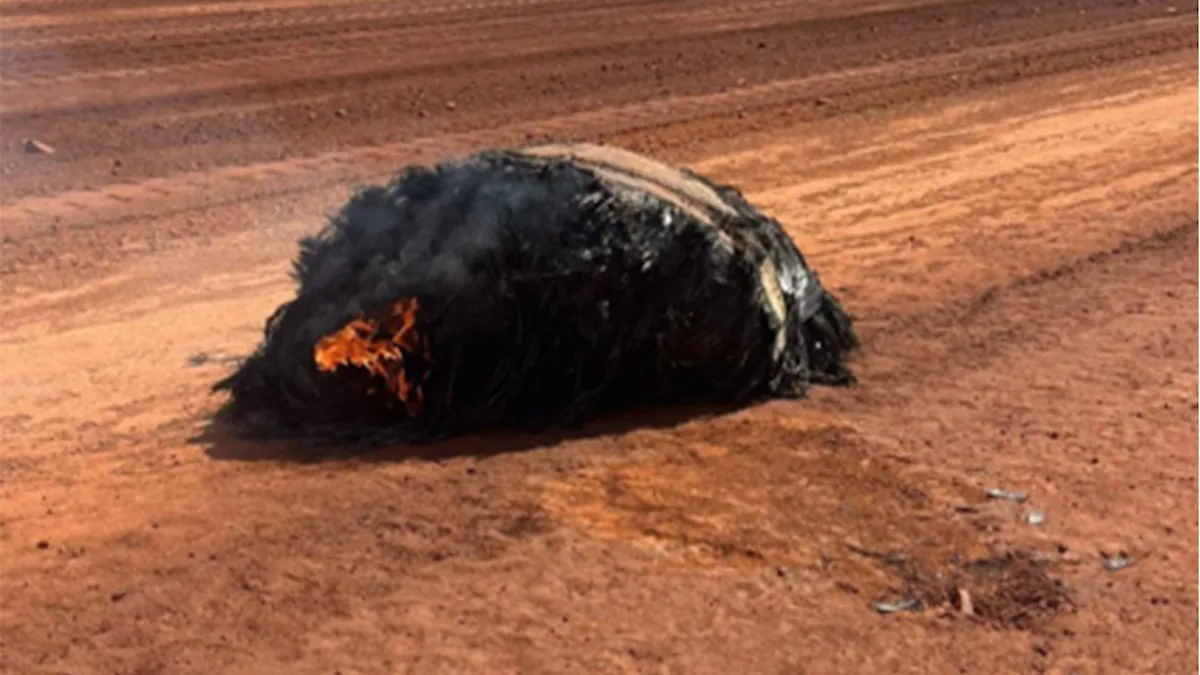
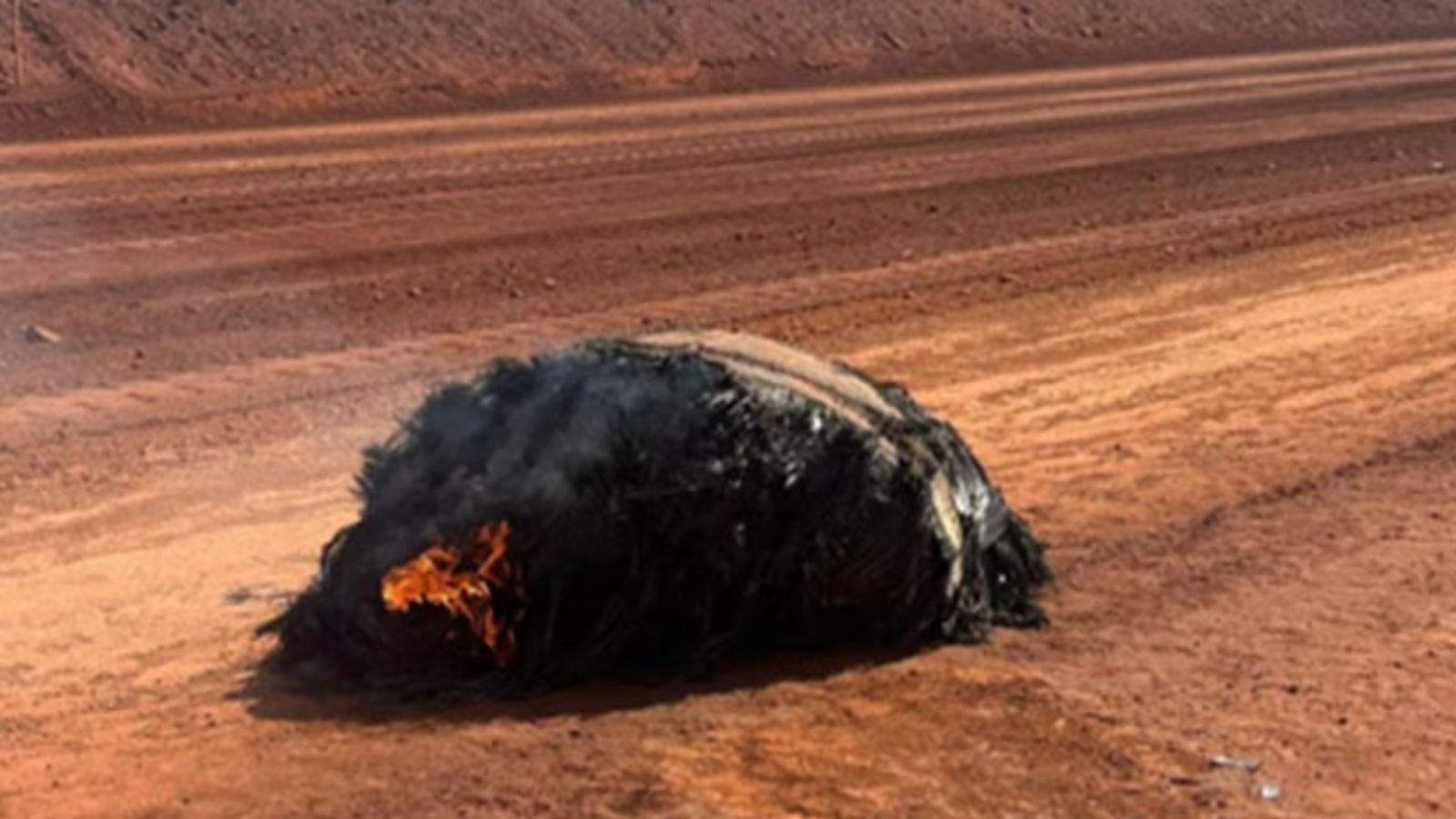
Mine workers in Western Australia discovered a smoking, burning slab of metal believed to be part of a Chinese space rocket's upper stage, raising concerns about space debris and its reentry risks. Authorities are investigating its origin, emphasizing the importance of managing space junk to prevent damage and ensure safety, amid increasing satellite launches like Starlink.
A charred piece of space debris, likely from China's Jielong 3 rocket, was found smoldering in the Australian outback, marking a rare uncontrolled reentry of a rocket stage that partially burned upon reentry, raising concerns about space debris and reentry safety.
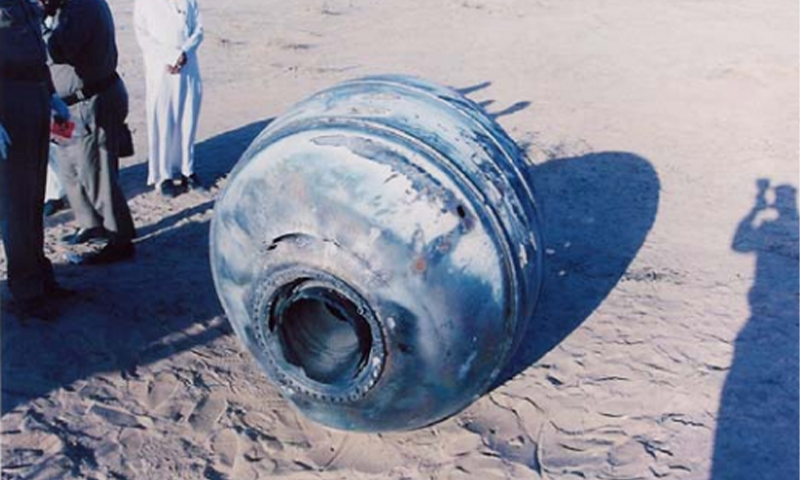
Space debris from rockets and satellites is increasing exponentially, leading to more incidents of space junk falling to Earth and raising collision risks in low Earth orbit, which could have serious consequences for space operations and safety.
SpaceX's Starlink satellites are increasingly falling from orbit at a rate of one to two per day, raising concerns about space debris, environmental impact, and potential risks like Kessler syndrome, as experts call for regulatory action and better management of space junk.
The article discusses the increasing frequency of space debris re-entering Earth's atmosphere, the lack of effective international regulation and coordination for space traffic, and the growing risks posed by congested orbits, especially with the rise of commercial satellite constellations like SpaceX's Starlink, highlighting the urgent need for updated treaties and management frameworks.
Elon Musk's Starlink satellites are contributing to increasing space debris, with one or two satellites falling back to Earth daily, raising concerns about pollution, satellite collisions, and the potential for a catastrophic chain reaction known as Kessler syndrome, which could severely impact Earth's orbital environment and pose risks to ground safety.
China has been abandoning a significant number of rocket stages in orbit, especially with the deployment of new megaconstellations like Guowang and Thousand Sails, which could leave over 100 rocket bodies in orbit for more than 25 years, increasing space debris and potential hazards. Despite having the capability to deorbit these stages, China often does not, contributing to the growing problem of space junk, which has accelerated in recent years.
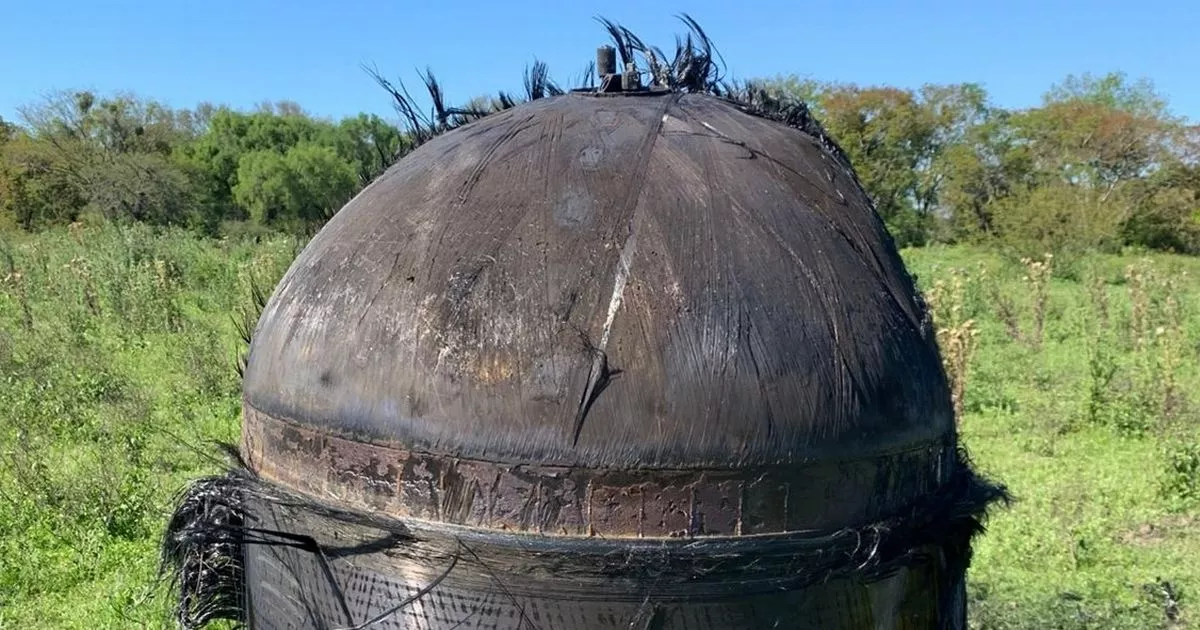
A large, hairy-looking cylindrical object was found on a farm in Argentina after falling from the sky, sparking investigations into its origin, with possibilities including space debris or space junk, but its exact nature remains unknown.
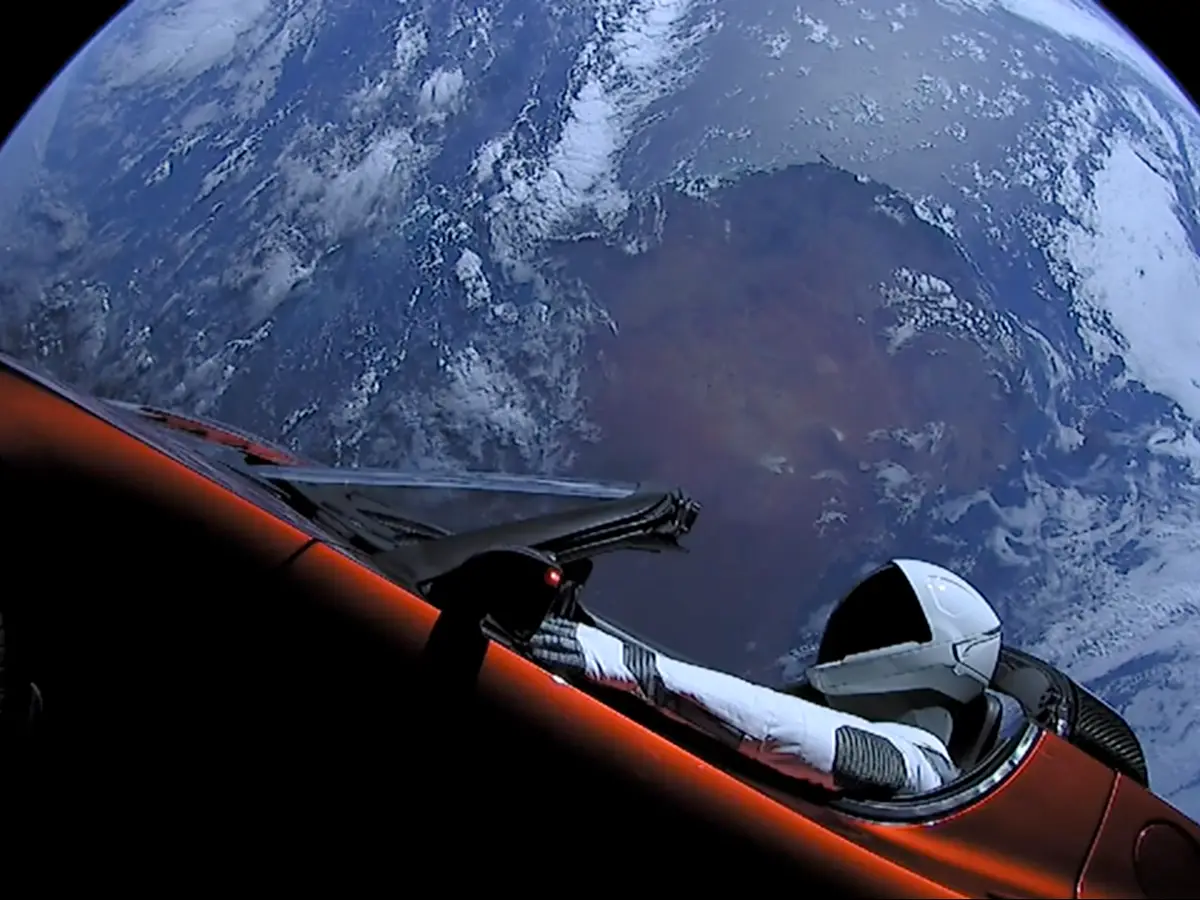
Humanity has sent various objects into space, including the Voyager probes, Pioneer spacecraft, Elon Musk's Tesla Roadster, New Horizons, and leftover rocket stages, each representing different eras and purposes of space exploration, from scientific discovery to symbolic gestures and accidental debris.
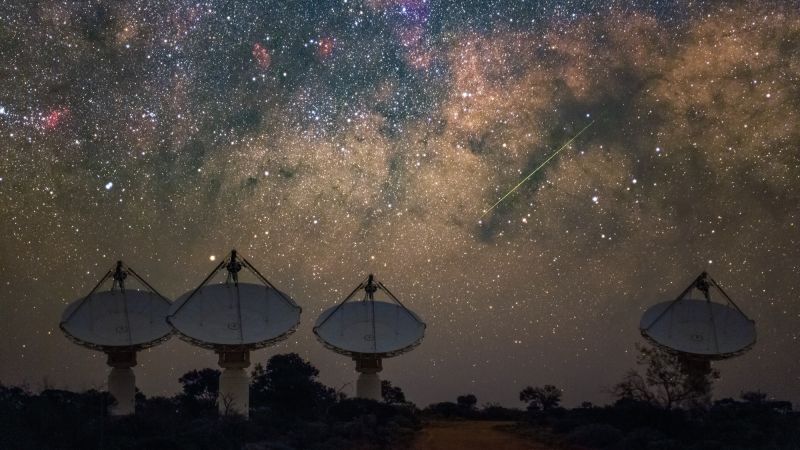
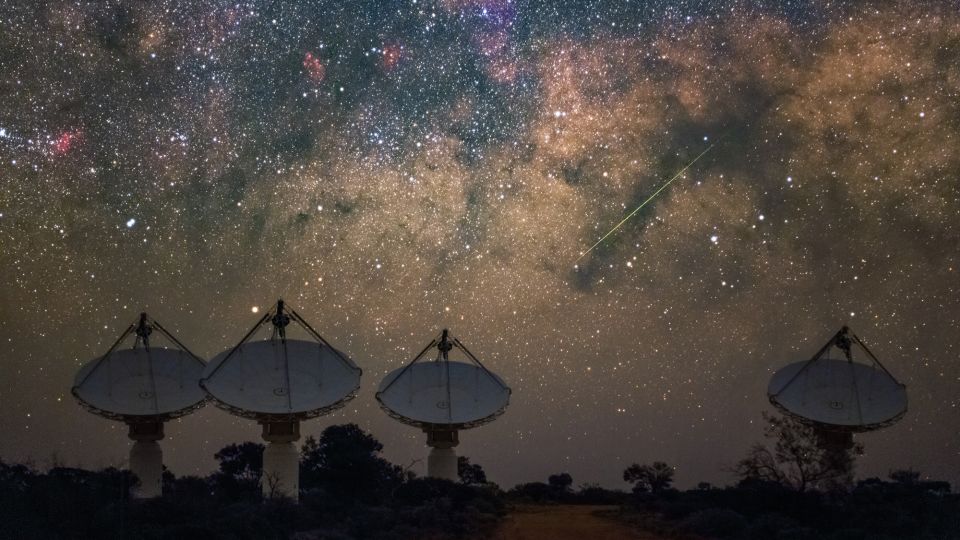
Astronomers in Australia detected a powerful radio signal near Earth, initially thought to be from an astronomical source, but later identified as a static electricity discharge from the long-dead satellite Relay 2, highlighting issues with space debris and the challenges it poses to astronomical observations.
Astronomers in Australia detected a powerful radio signal near Earth, initially thought to be from an astronomical source, but later identified as likely originating from static electricity buildup and discharge on an old, dead satellite (Relay 2) launched in 1964, highlighting challenges posed by space debris and the need for careful analysis to distinguish man-made signals from cosmic phenomena.
Astronomers in Australia detected a powerful radio signal near Earth, initially thought to be from an astronomical source, but later identified as a static electricity discharge from the old satellite Relay 2, highlighting issues with space debris and the challenges it poses to astronomical observations.