Tag

Cu Boulder

All articles tagged with #cu boulder

Real-Life Tractor Beams Could Tackle Space Junk Crisis

Originally Published 12 days ago — by Live Science

Featured image for Real-Life Tractor Beams Could Tackle Space Junk Crisis
Source: Live Science

Scientists are developing a real-life electrostatic tractor beam that uses electrostatic attraction to safely move defunct satellites out of Earth's orbit, potentially helping to address the growing space junk problem. While promising, the technology faces challenges such as slow operation and high costs, but could become operational within a decade if funding is secured.

Breakthrough in Quantum Navigation Using 3D Atomic Acceleration

Originally Published 6 months ago — by SciTechDaily

Featured image for Breakthrough in Quantum Navigation Using 3D Atomic Acceleration
Source: SciTechDaily

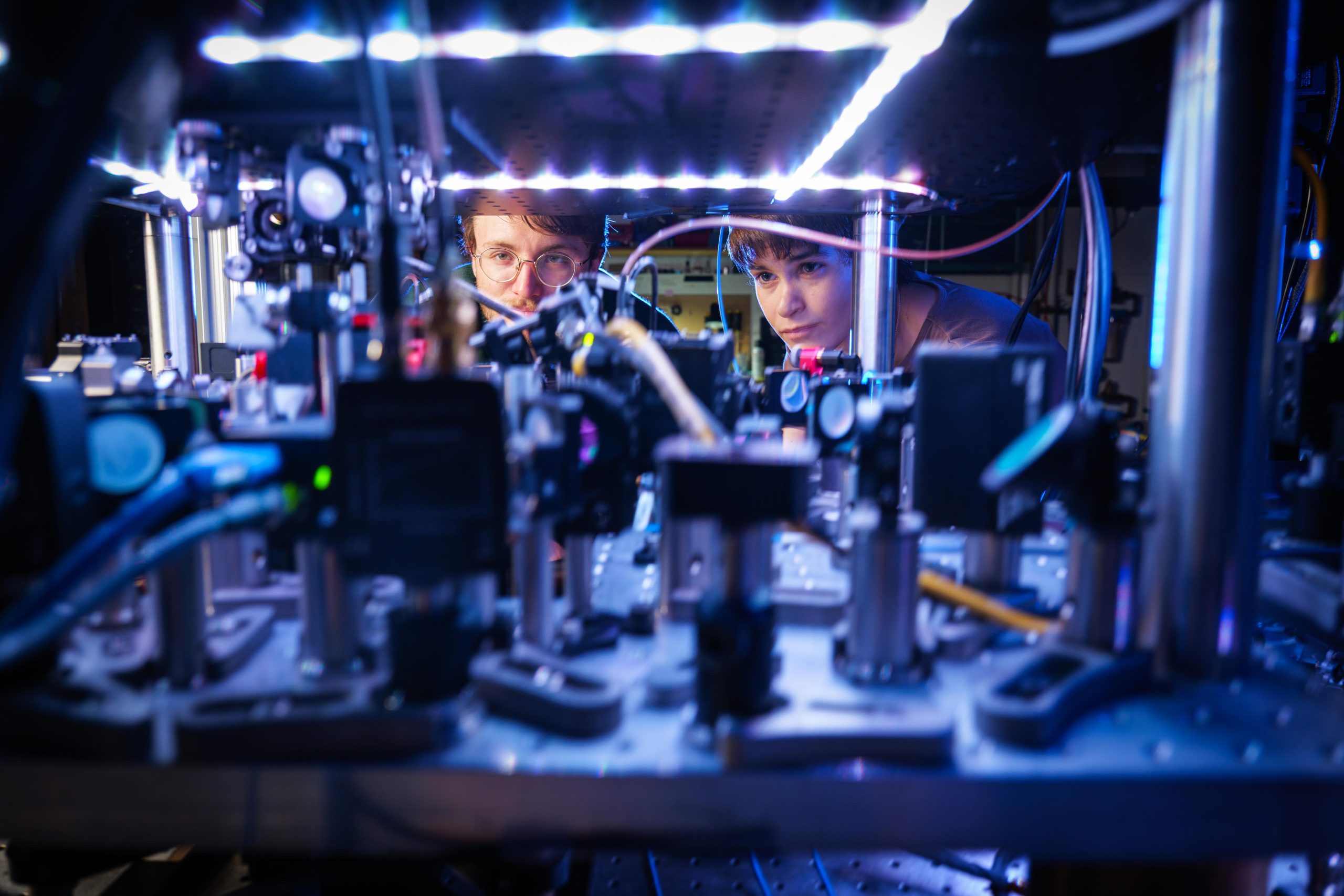
CU Boulder scientists developed a novel quantum device using cold atoms and lasers to measure 3D acceleration simultaneously, a breakthrough that could enhance navigation systems for various vehicles. The device employs a Bose-Einstein Condensate and AI-driven laser adjustments, and while still in early stages, it shows promise for future applications in navigation and sensing technology.

CU Boulder Clinic Offers Tips for Managing Digital Legacy After Death

Originally Published 7 months ago — by The Conversation

Featured image for CU Boulder Clinic Offers Tips for Managing Digital Legacy After Death
Source: The Conversation

CU Boulder's student-run Digital Legacy Clinic offers free support to help individuals plan for managing their online assets after death, including creating digital estate plans, securing accounts, and guiding families through digital asset recovery, addressing a growing need as online footprints expand.

"Breakthrough Supercapacitors Promise 60-Second Laptop Charging"

Originally Published 1 year ago — by Phys.org

Featured image for "Breakthrough Supercapacitors Promise 60-Second Laptop Charging"
Source: Phys.org

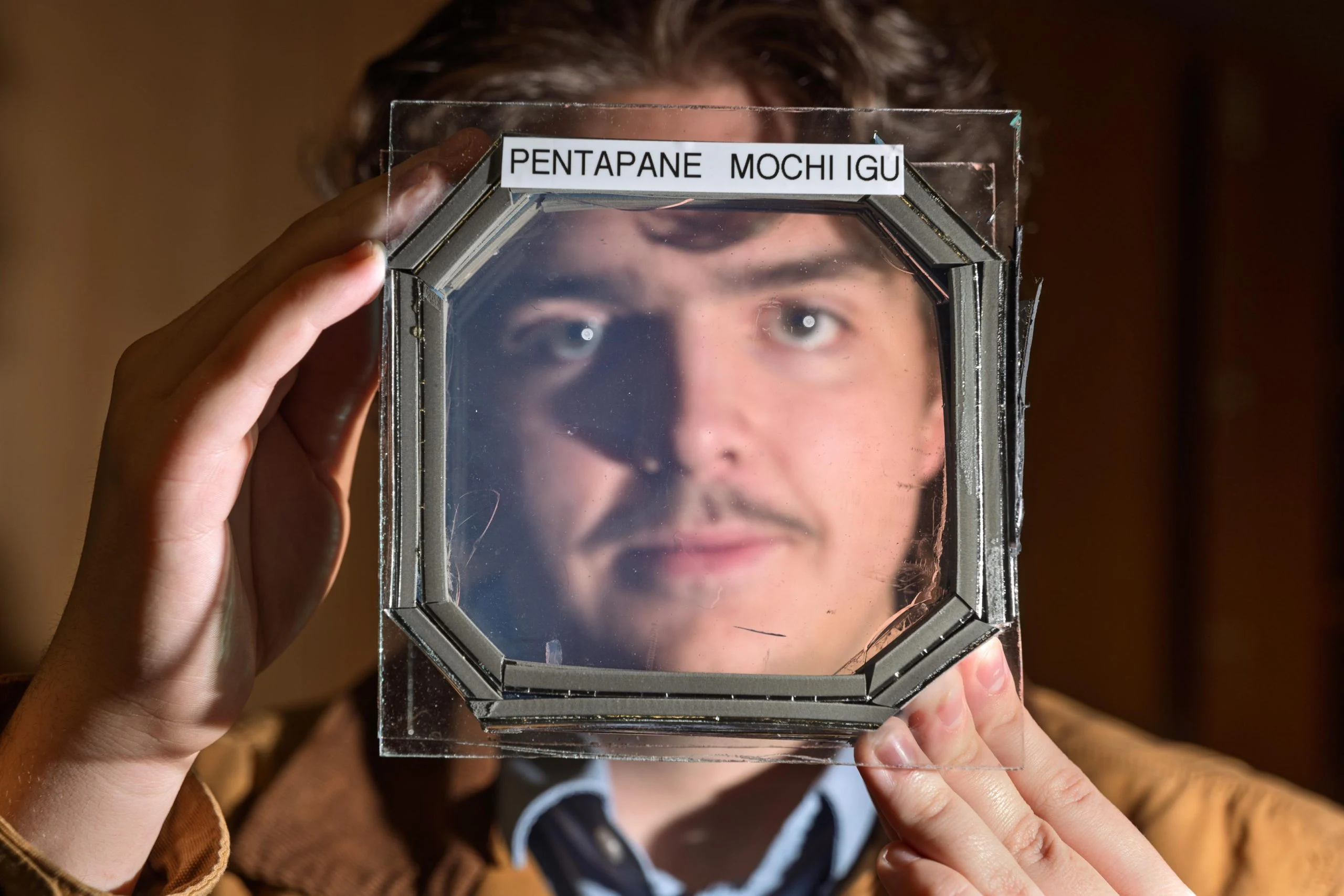
CU Boulder researchers have discovered how ions move within a network of tiny pores, potentially leading to the development of supercapacitors that could charge devices like laptops in a minute. This breakthrough modifies Kirchhoff's law and could revolutionize energy storage for electronics, vehicles, and power grids.

Unraveling the Math Mystery: When Circles Collide

Originally Published 2 years ago — by SciTechDaily

Featured image for Unraveling the Math Mystery: When Circles Collide
Source: SciTechDaily

Summer Haag and Clyde Kertzer, participants in a CU Boulder REU, disproved the long-held local-global conjecture in number theory by exploring Apollonian circle packings, challenging the widely accepted belief in mathematics. Their research highlighted the creative and uncharted aspects of mathematical exploration, emphasizing intuition, exploration, and play in math research.

Increased Rainfall Linked to Higher Rattlesnake Bite Risk, Study Finds

Originally Published 2 years ago — by The Denver Gazette

Featured image for Increased Rainfall Linked to Higher Rattlesnake Bite Risk, Study Finds
Source: The Denver Gazette

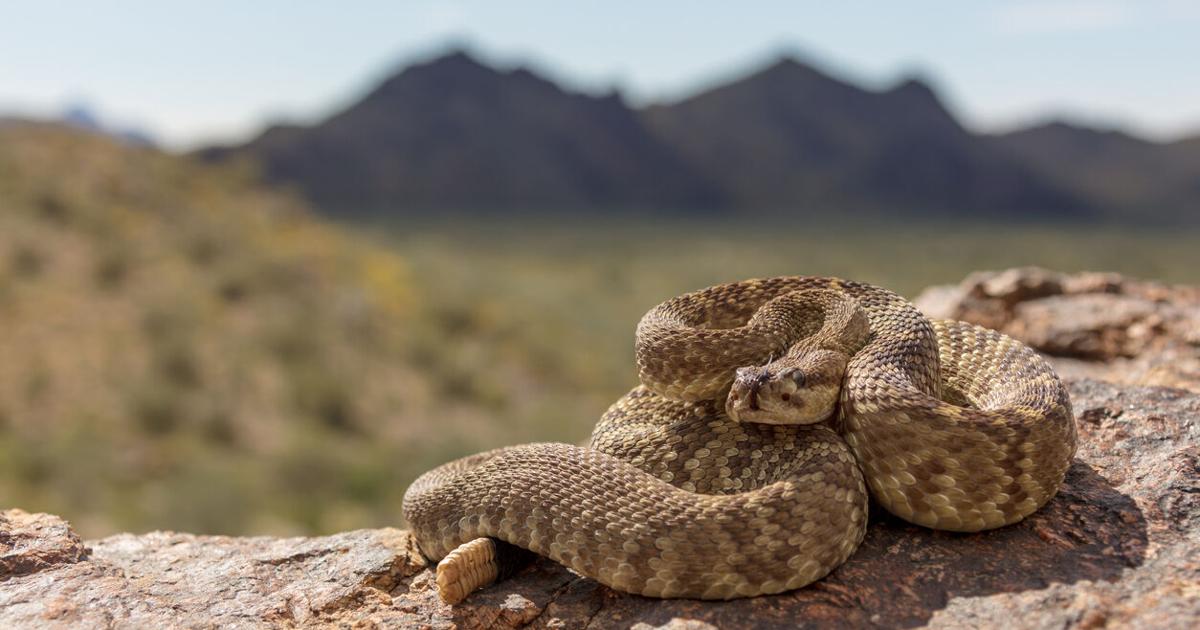
A study by CU Boulder found that an increase in rain resulted in a measurable increase in rattlesnake bites in California between 1997 and 2007, possibly due to the swell in local rodent populations. While there are rattlesnakes throughout Colorado, it is unlikely that you will be bitten as they have an elaborate defensive strategy. However, if you are bitten, seek immediate medical attention.

"Human Germs Frozen in Time on Mount Everest, Study Finds"

Originally Published 2 years ago — by Axios

Featured image for "Human Germs Frozen in Time on Mount Everest, Study Finds"
Source: Axios

Researchers from CU Boulder have discovered DNA from the human nose and mouth in soil samples above 26,000 feet on Mount Everest, indicating that high-elevation environments could act as "deep-freeze collection points" for certain microbes, including human-borne contaminants that may never leave once they arrive. The study sheds light on the hidden impacts of tourism on some of the world's most precious places and could offer a better understanding of how resilient life is on Earth and beyond.