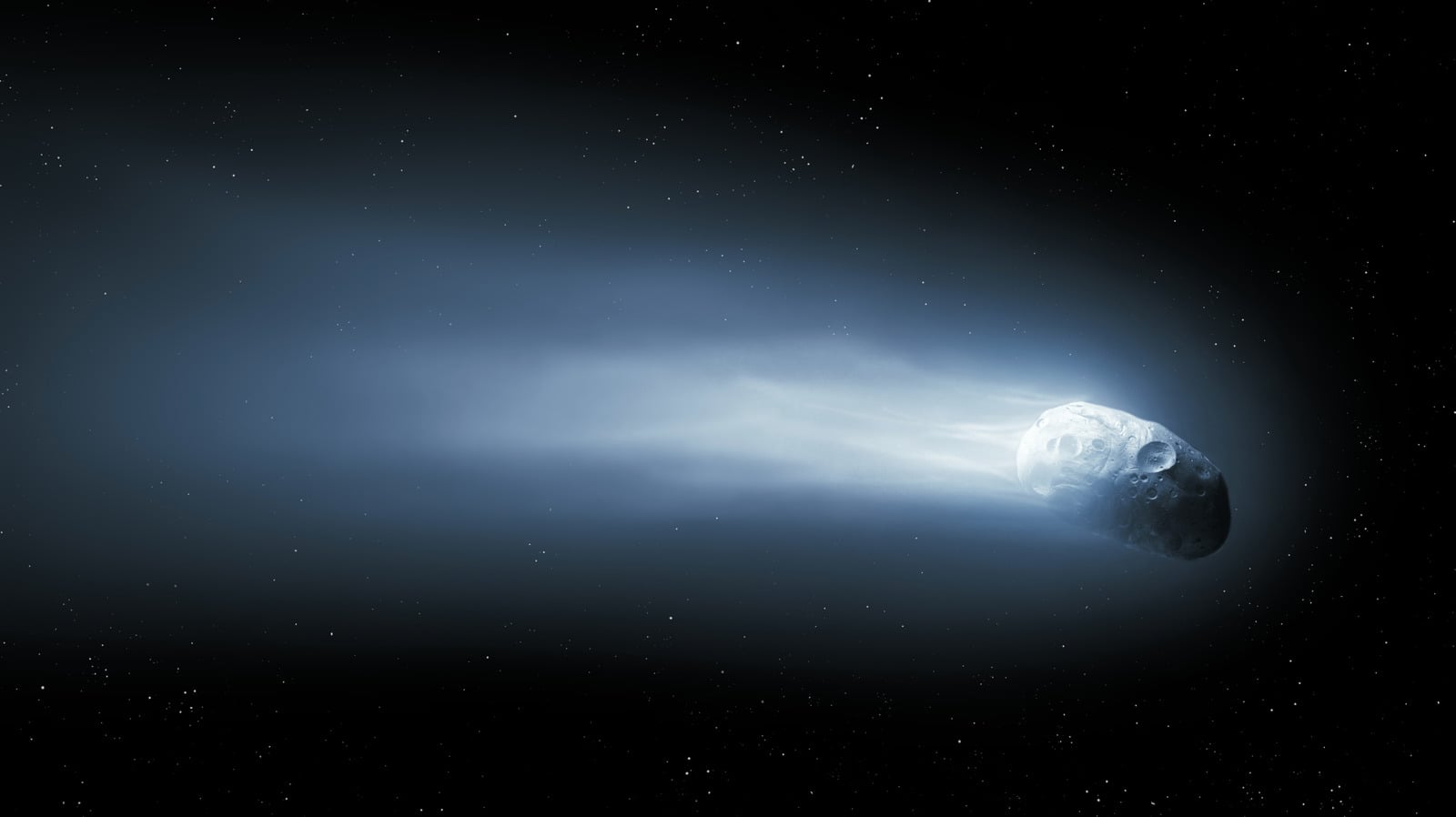
Comet 3I/Atlas's Close Approach Sparks Scientific Excitement
Comet 3I/Atlas has been observed emitting a radio signal, providing new insights into its properties and behavior in space.

All articles tagged with #radio signal
Comet 3I/Atlas has been observed emitting a radio signal, providing new insights into its properties and behavior in space.
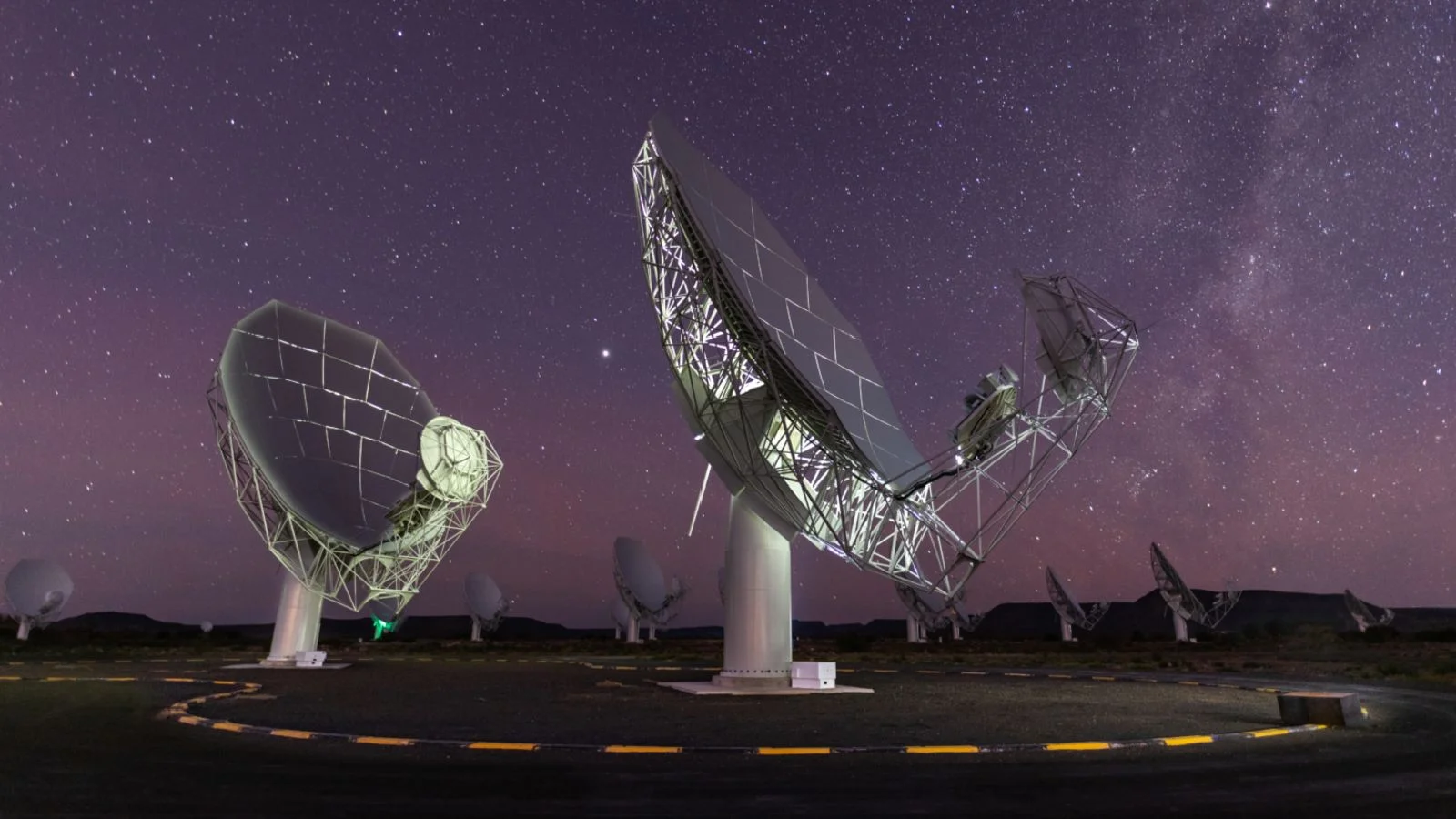
Astronomers using South Africa's MeerKAT telescope detected the first radio signal from interstellar comet 3I/ATLAS, which was caused by natural water breakdown processes, not alien technology, dispelling conspiracy theories about its origins.
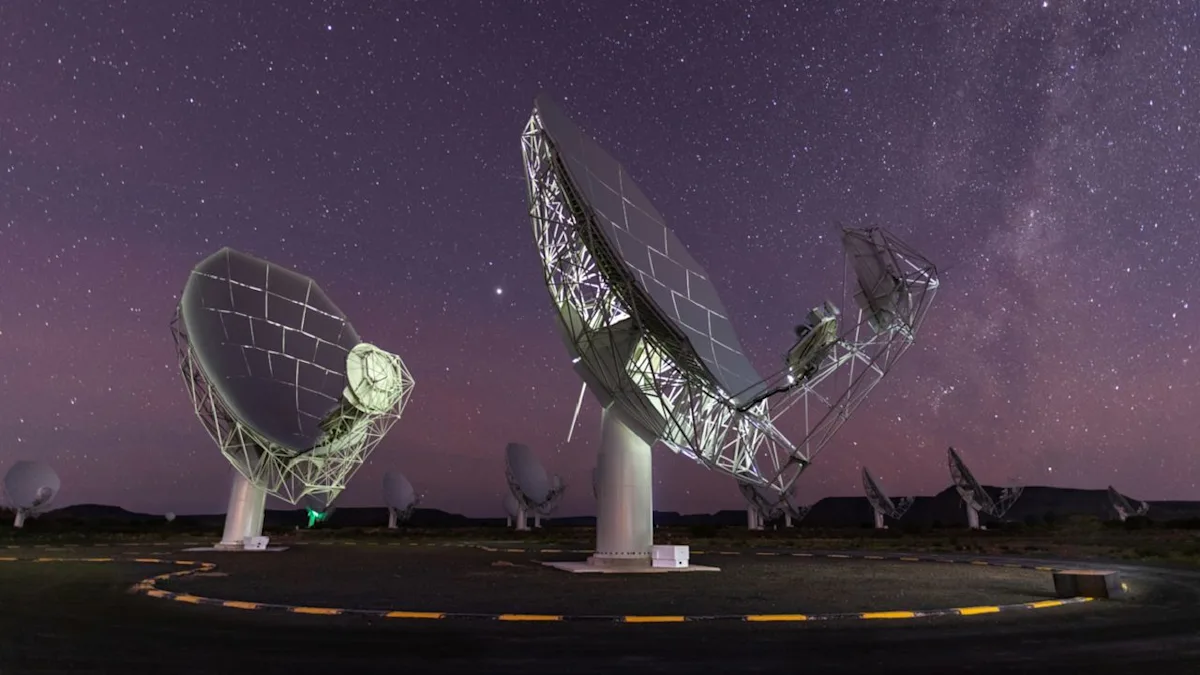
Astronomers detected the first radio signal from interstellar comet 3I/ATLAS, which was caused by natural water breakdown processes, not alien activity, debunking earlier conspiracy theories and confirming its natural cometary nature.
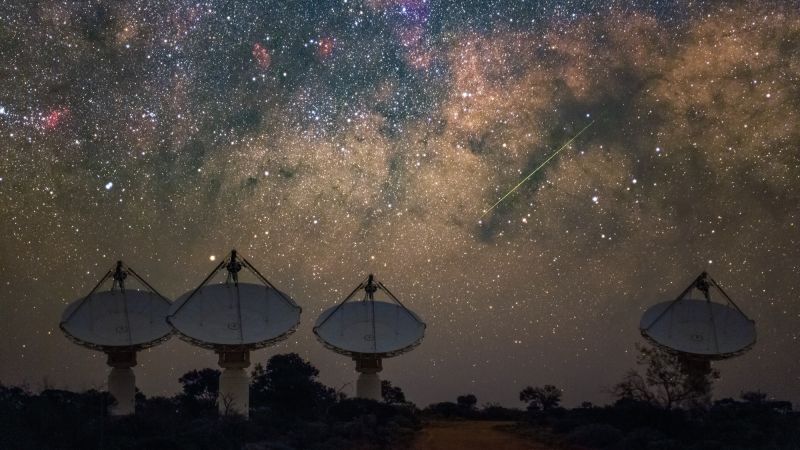
Astronomers in Australia detected a powerful radio signal near Earth, initially thought to be from an astronomical source, but later identified as a static electricity discharge from the long-dead satellite Relay 2, highlighting issues with space debris and the challenges it poses to astronomical observations.
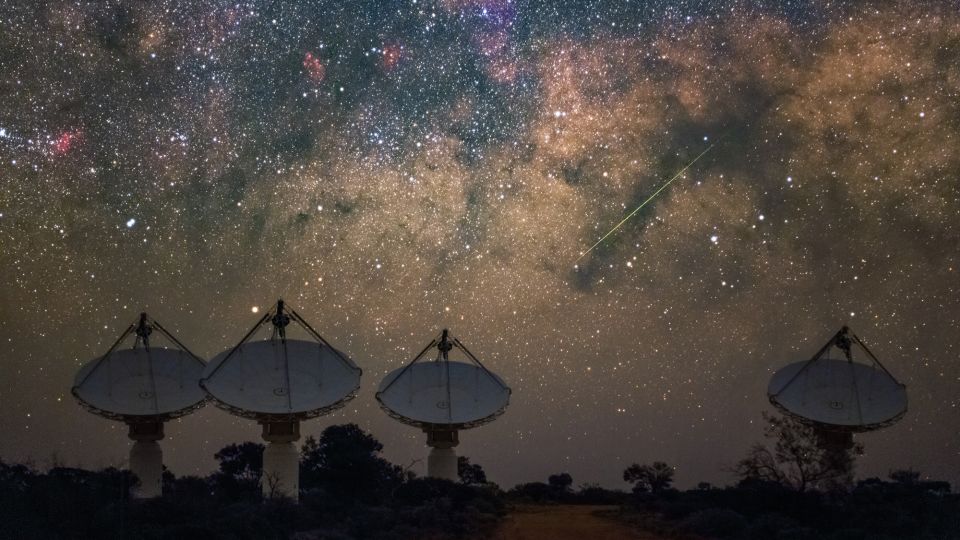
Astronomers in Australia detected a powerful radio signal near Earth, initially thought to be from an astronomical source, but later identified as likely originating from static electricity buildup and discharge on an old, dead satellite (Relay 2) launched in 1964, highlighting challenges posed by space debris and the need for careful analysis to distinguish man-made signals from cosmic phenomena.
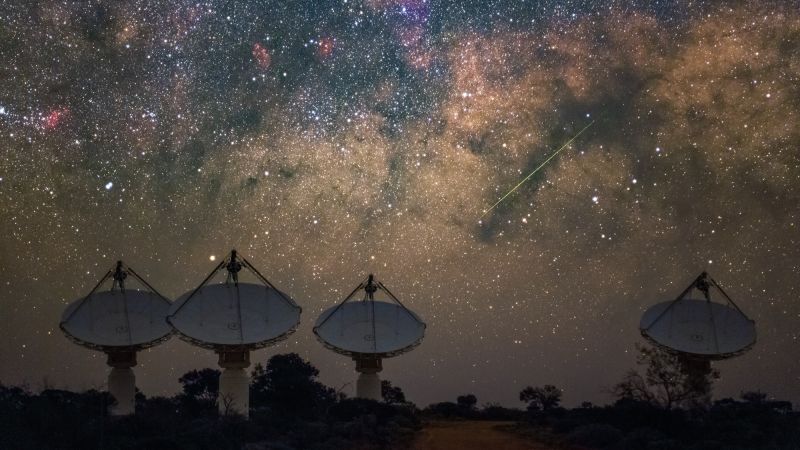
Astronomers in Australia detected a powerful radio signal near Earth, initially thought to be from an astronomical source, but later identified as a static electricity discharge from the old satellite Relay 2, highlighting issues with space debris and the challenges it poses to astronomical observations.

Astronomers detected a brief radio burst from Earth's orbit, traced back to the long-decommissioned NASA satellite Relay 2, raising questions about satellite behavior and space debris activity.
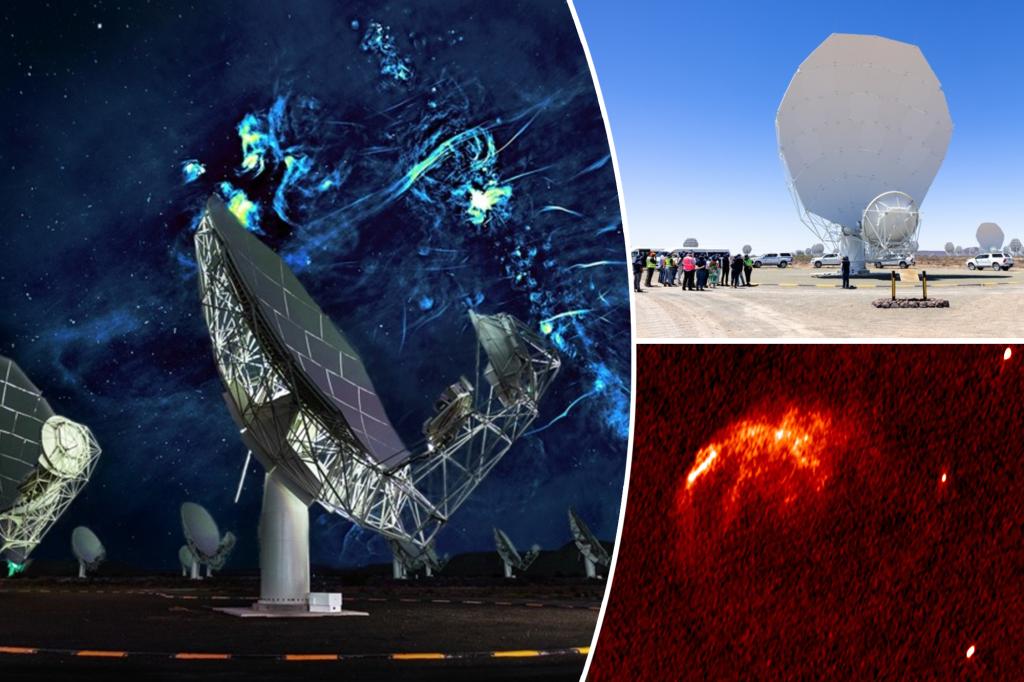
Scientists have discovered a mysterious radio signal from space that repeats hourly, baffling researchers as it doesn't match known patterns of neutron stars or white dwarfs. The signal, detected by the ASKAP J1935+2148 telescope, has a 53.8-minute period and originates from 4.85 kiloparsecs away. Researchers are considering the possibility of a very unusual neutron star or a white dwarf as the source, which could challenge existing astronomical theories.
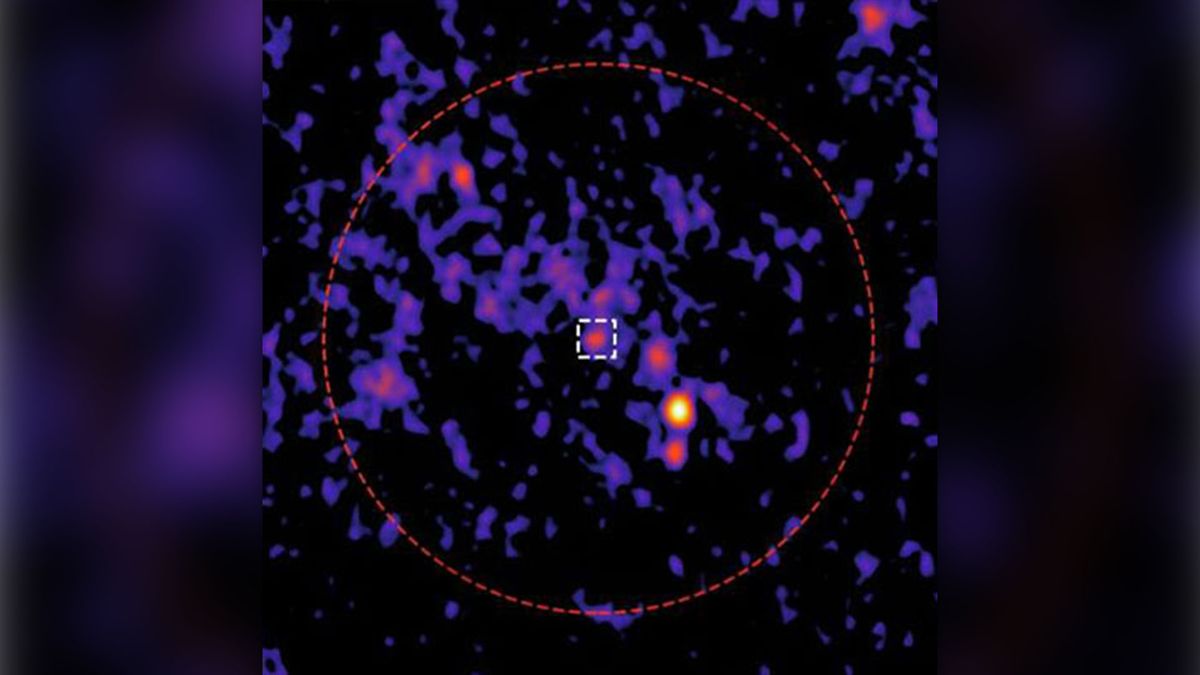
Astronomers have detected a faint radio signal at the center of an ancient globular cluster, possibly originating from a long-hidden black hole or a pulsar. The discovery, made using the Australia Telescope Compact Array, provides a highly sensitive image of the cluster 47 Tucanae, offering potential insights into the existence of intermediate-mass black holes and pulsars. This finding could pave the way for future discoveries using next-generation radio telescopes.
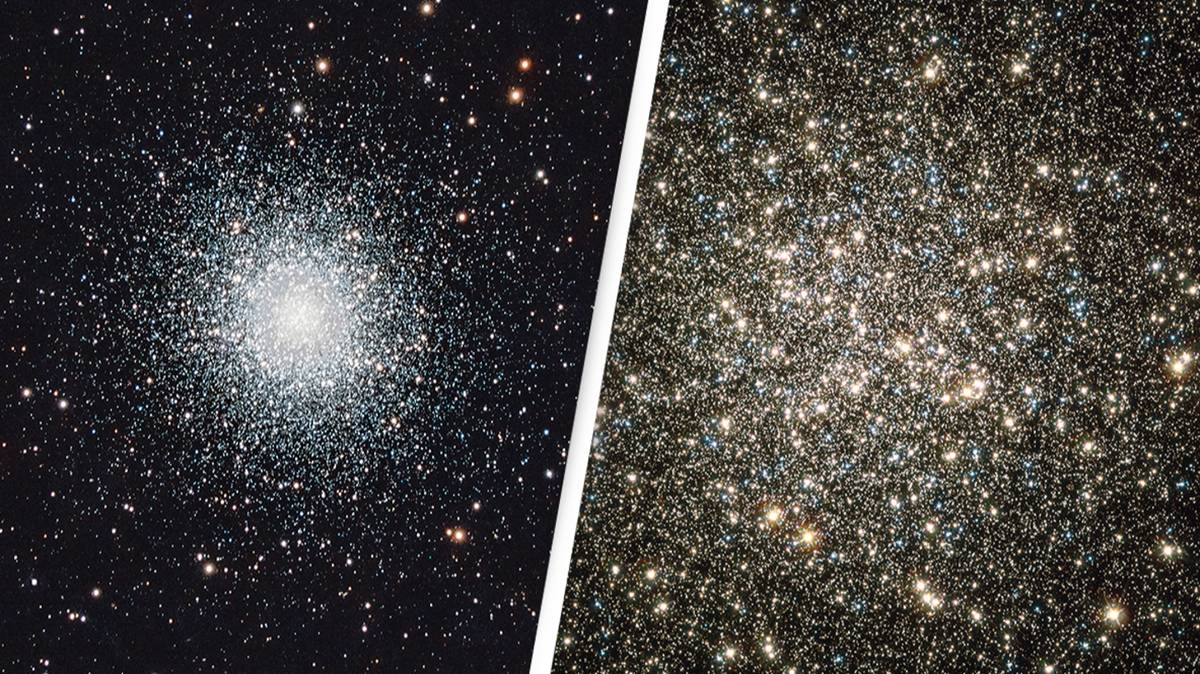
Scientists have detected a radio signal from the ancient star cluster 47 Tucanae, dating back to 1700, using advanced technology to create the most sensitive image of the cluster. The signal could indicate the presence of a black hole or a pulsar, potentially leading to significant discoveries. This breakthrough has pushed the boundaries of scientific capabilities and could provide valuable insights into the early universe.

Scientists have discovered a radio signal within the ancient star cluster 47 Tucanae, using the most sensitive radio image to date created after over 450 hours of research and observations. The signal could indicate the presence of a black hole or a pulsar, potentially leading to a significant discovery and the first-ever radio detection of a black hole inside a cluster.
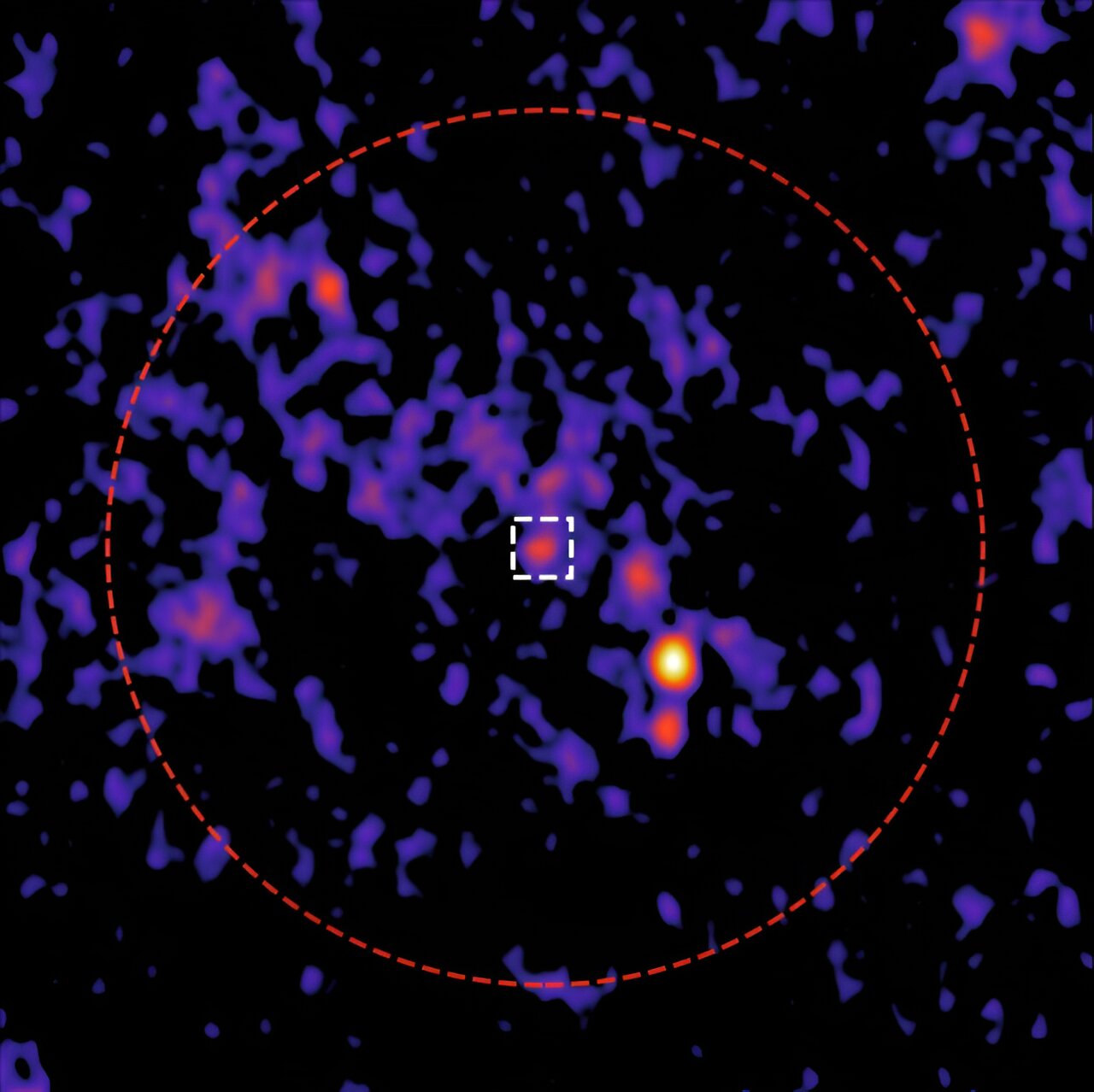
Astronomers have produced the most sensitive radio image ever of the ancient star cluster 47 Tucanae, revealing a previously undiscovered radio signal at its center. The image, created by a global team led by the Curtin University node of the International Centre for Radio Astronomy Research, was compiled from over 450 hours of observations using CSIRO's Australia Telescope Compact Array. The signal could potentially indicate the presence of an intermediate-mass black hole or a pulsar, and the research demonstrates the capabilities of current radio telescopes while hinting at the potential of future telescopes like the SKA.
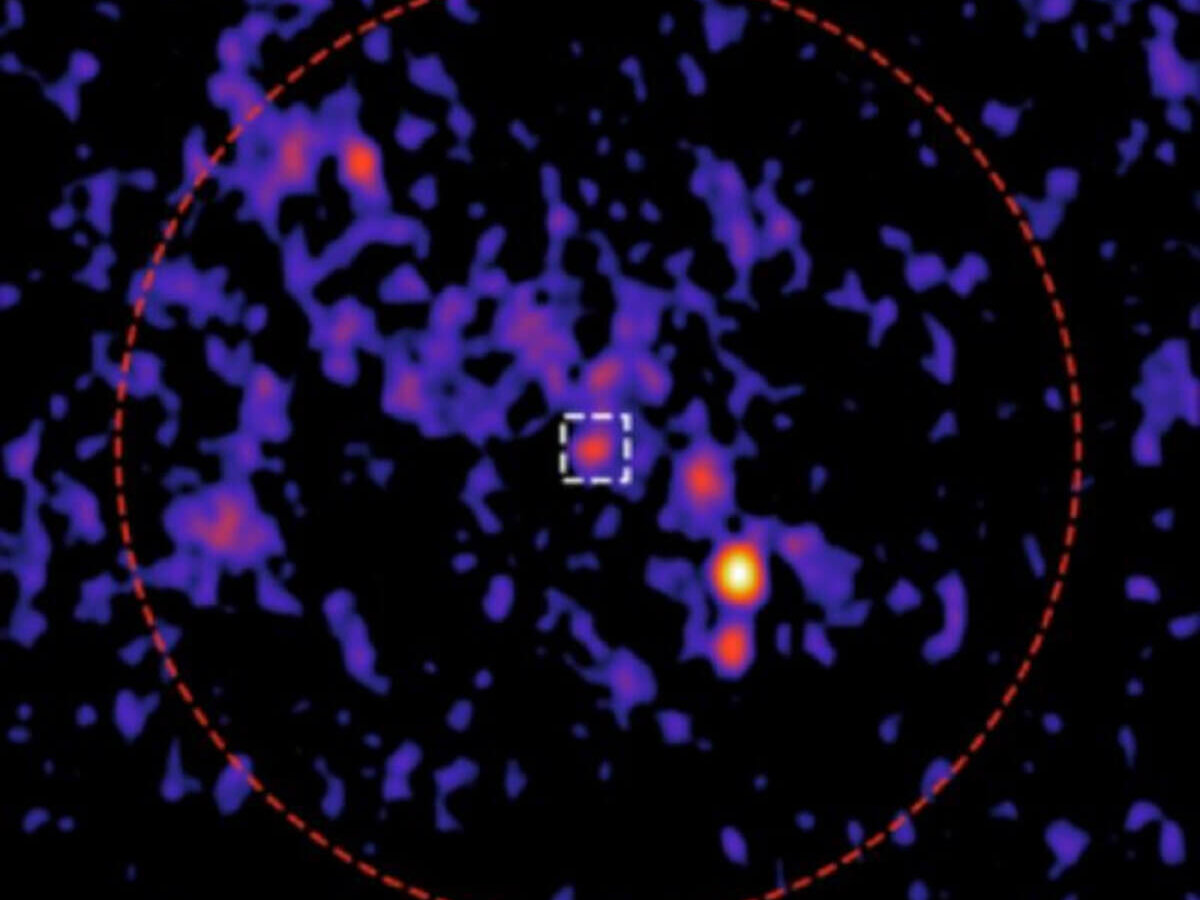
Scientists have detected a new radio signal originating from the center of the ancient star cluster 47 Tucanae, using the most sensitive radio image ever created of a globular cluster. The signal could potentially be from a black hole or a pulsar, marking a significant discovery if confirmed. This breakthrough was achieved through over 450 hours of observations using the CSIRO’s Australia Telescope Compact Array, and it paves the way for future discoveries with the upcoming SKA radio telescopes.

Astronomers have discovered an eight billion-year-old radio signal, known as FRB 20220610A, which contained an extreme level of energy, equivalent to what the sun releases in 30 years. These fast radio bursts are difficult to study due to their short duration, but they are believed to result from galaxy mergers and could help measure the mass of elements in the universe. The signal was detected using the Australian SKA Pathfinder radio telescope and confirmed as the oldest and most remote example found so far.

Astronomers have discovered an eight billion-year-old radio signal, known as FRB 20220610A, which contained an extreme level of energy, equivalent to what the sun releases in 30 years. These fast radio bursts are difficult to study due to their short duration, but they are believed to result from galaxy mergers and could help measure the mass of elements in the universe. The signal was detected using the Australian SKA Pathfinder radio telescope and confirmed as the oldest and most remote example found so far.