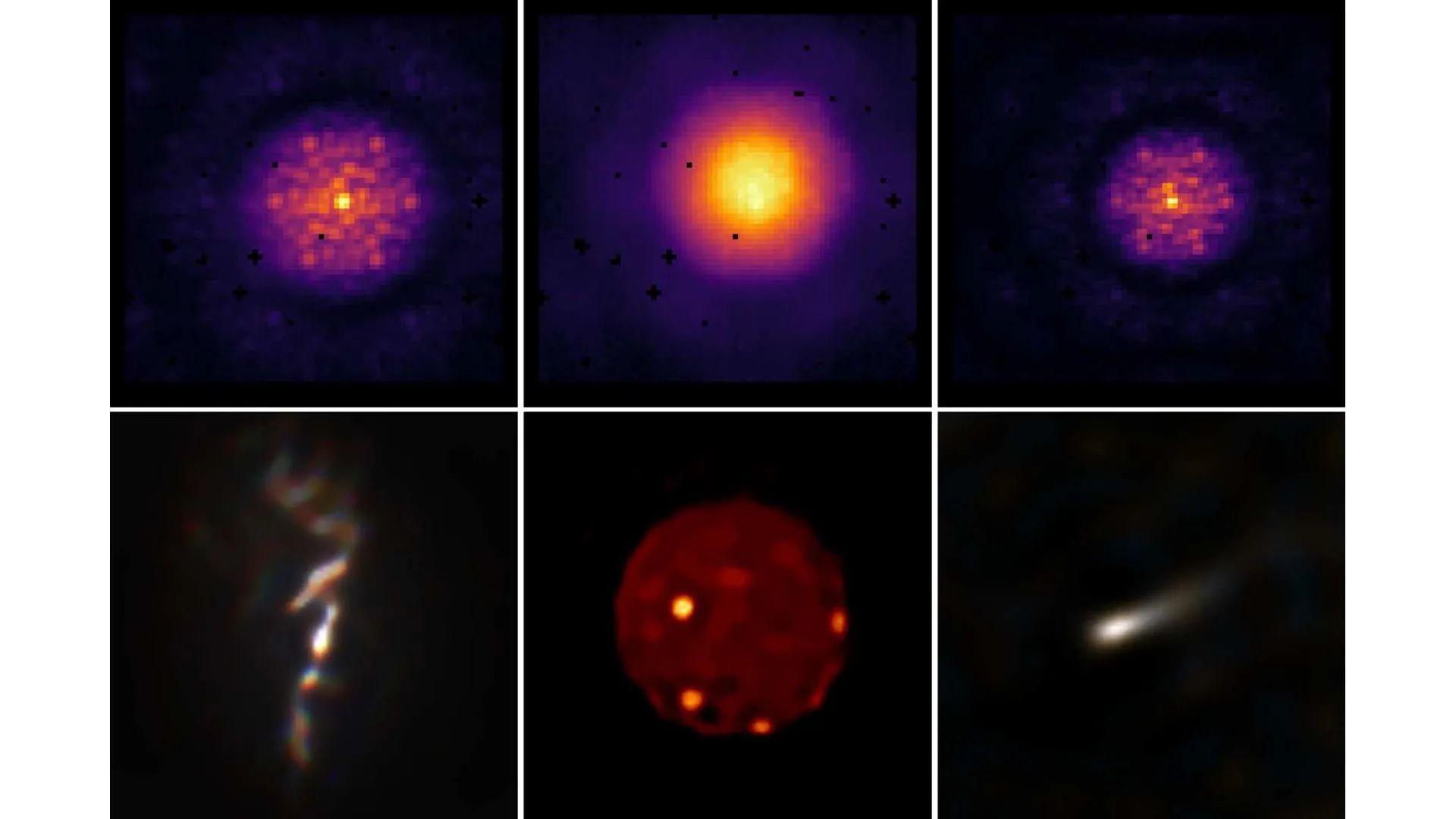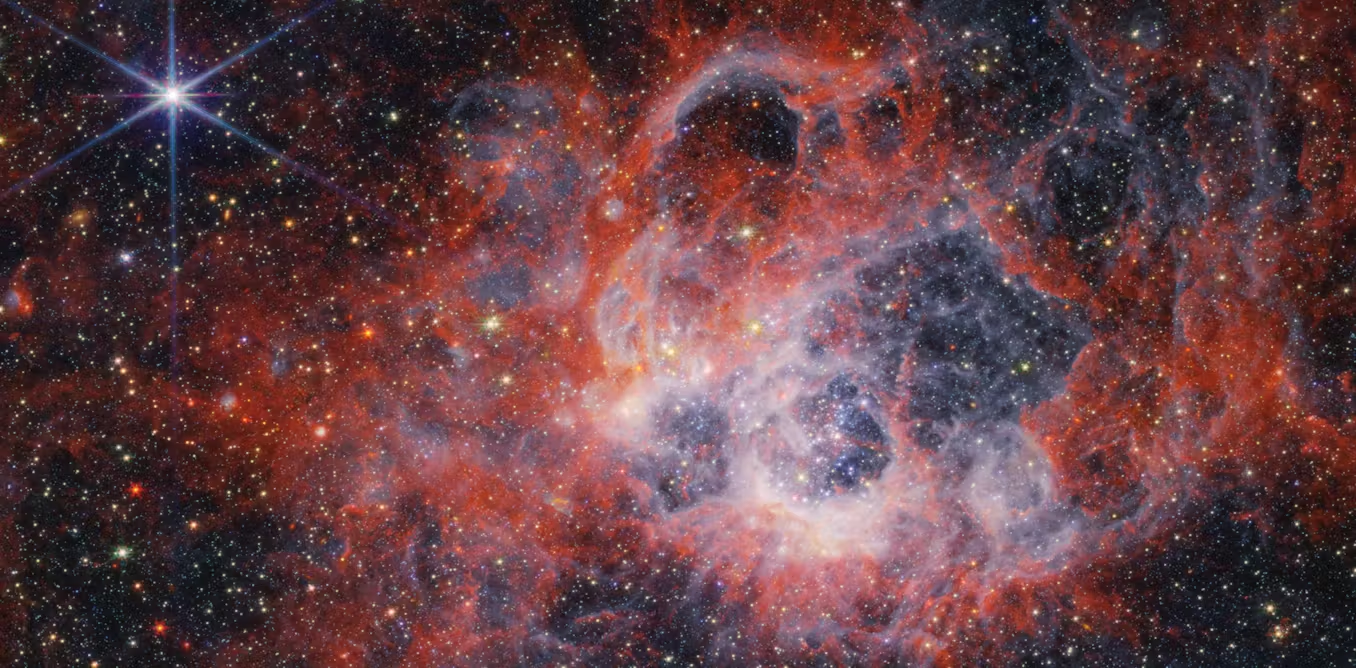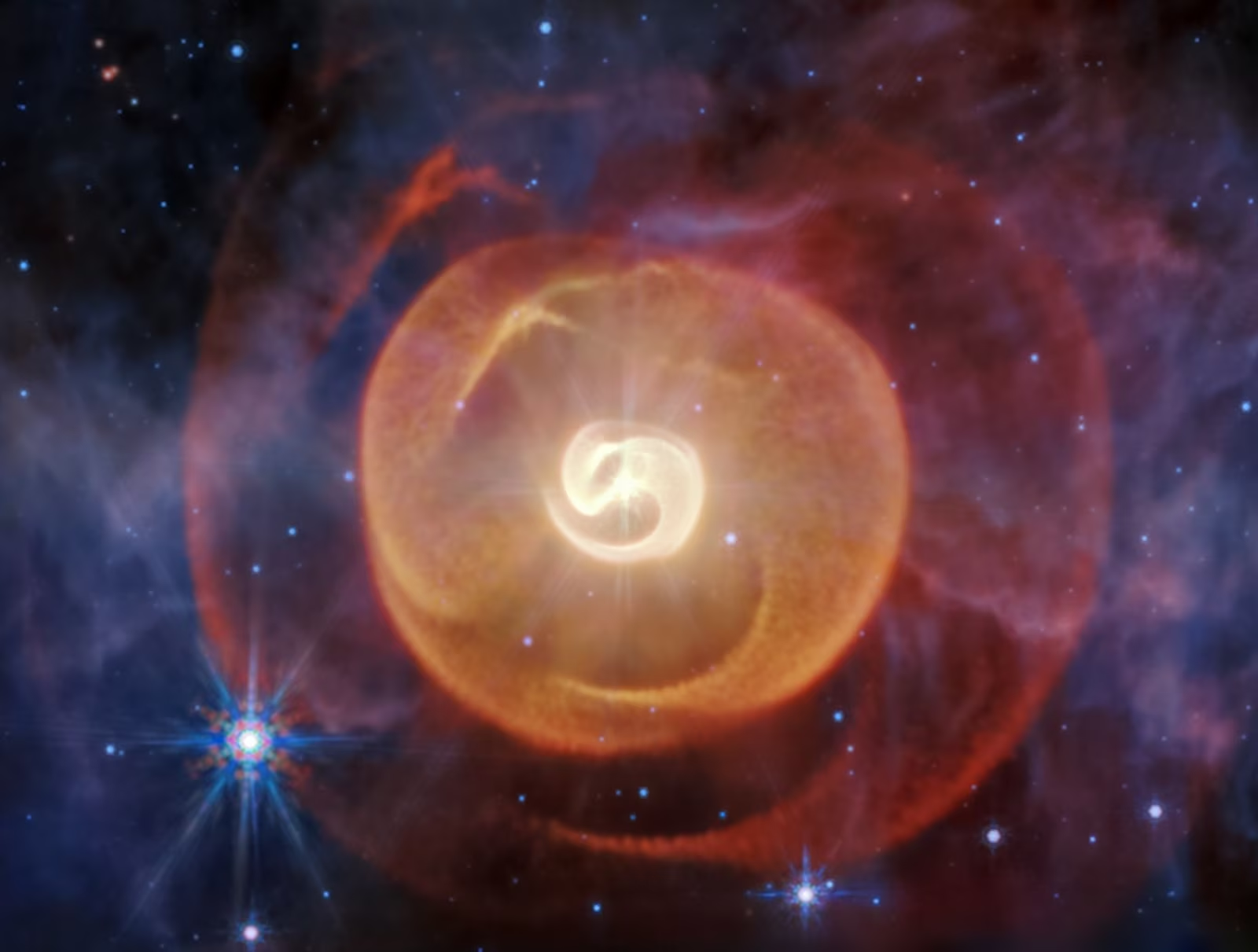
The James Webb Space Telescope captured stunning images of four coiled dust shells around the triple star system Apep, revealing intricate serpentine patterns ejected over centuries by Wolf-Rayet stars.
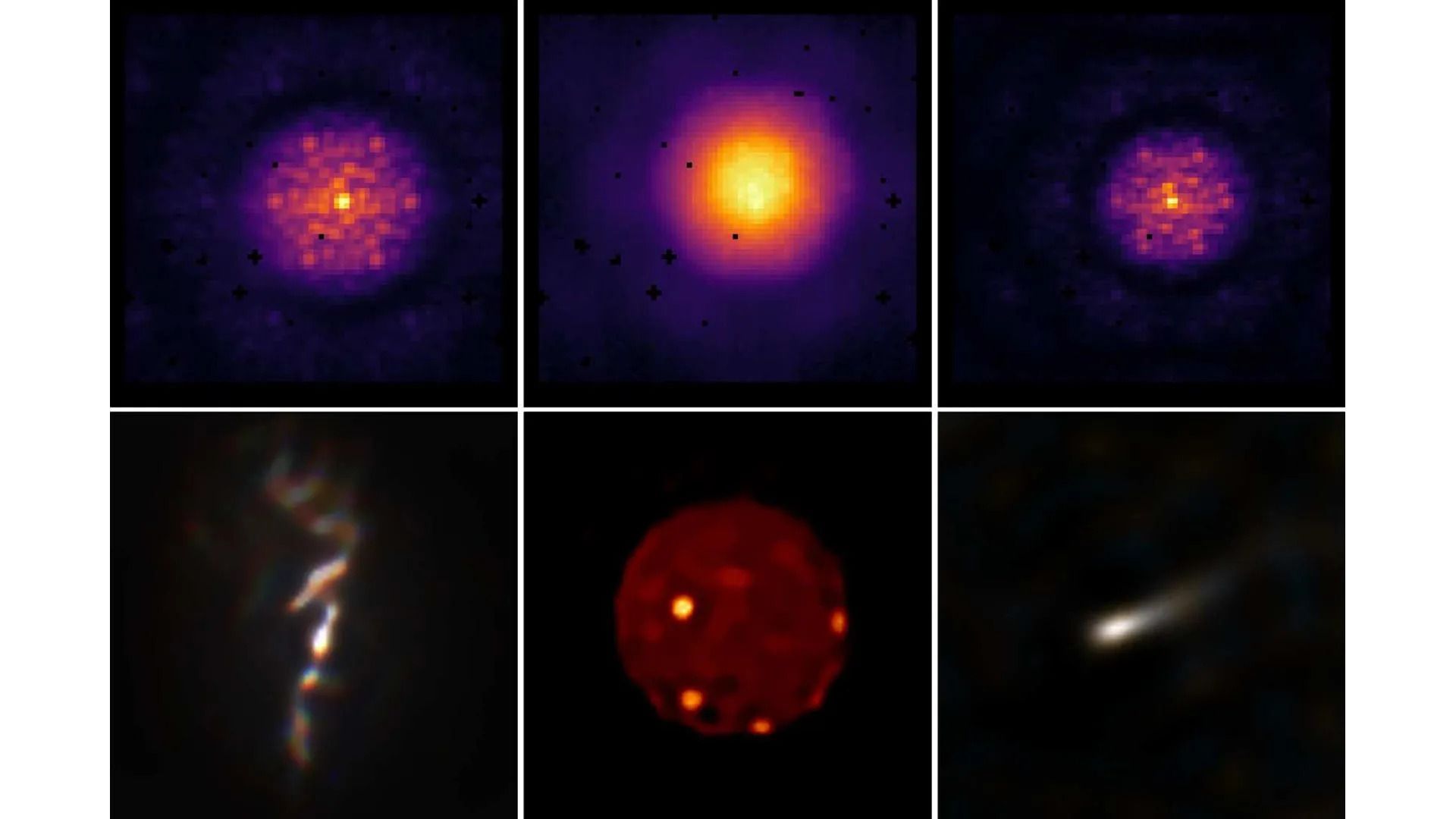
Australian researchers developed an AI algorithm called AMIGO that successfully fixed the blurry images from the James Webb Space Telescope's Aperture Masking Interferometer, enhancing its ability to observe distant celestial objects and search for exoplanets, without the need for costly space repairs.
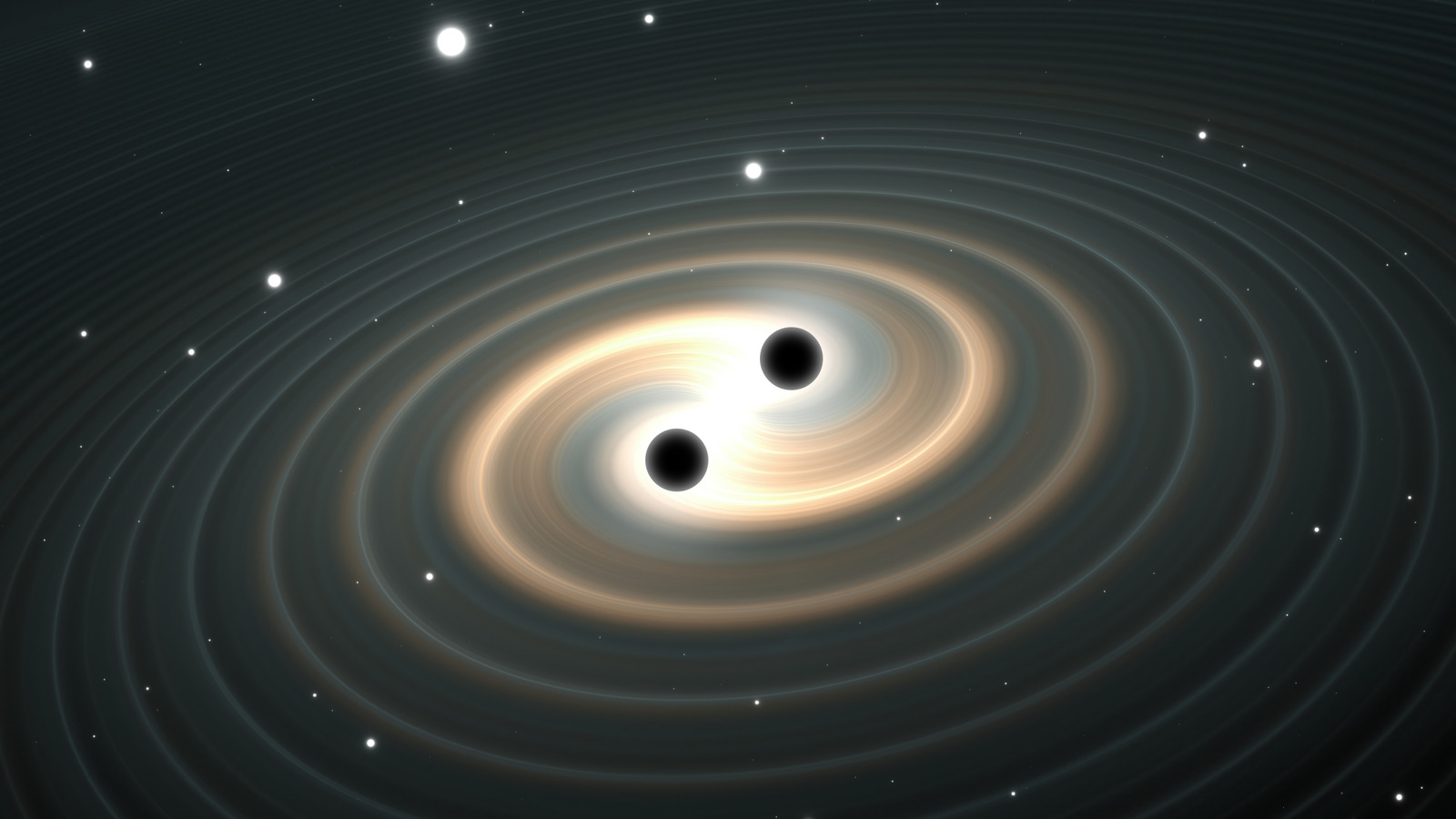
Scientists have captured the first-ever image of two black holes orbiting each other, marking a significant breakthrough in astrophysics and our understanding of the universe.
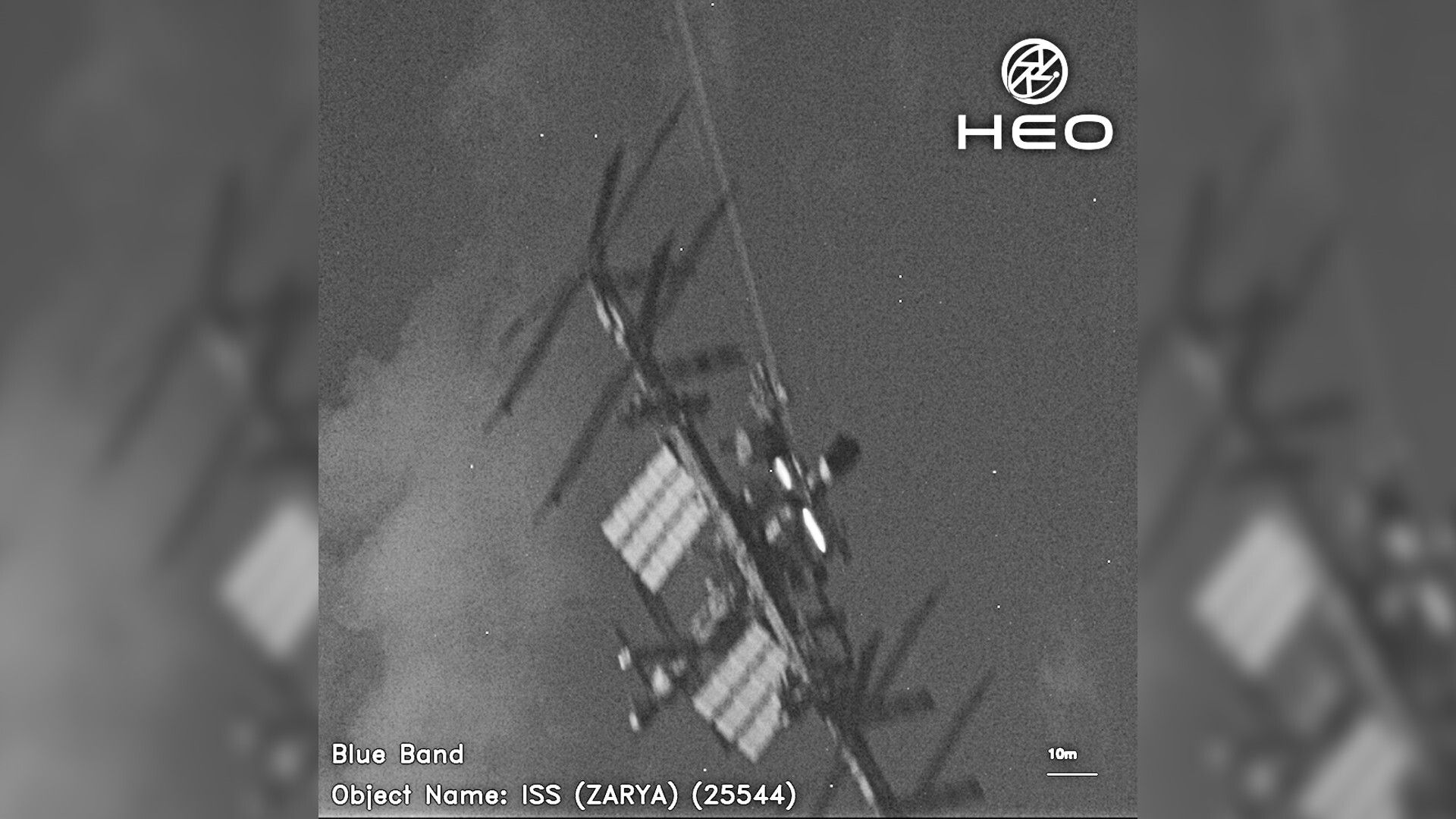
HEO Robotics, an Australian company, is expanding its spacecraft imaging capabilities from low Earth orbit to higher orbits like geostationary orbit, with long-term plans to enable on-demand imaging of solar system objects such as asteroids, aiming to revolutionize space observation and exploration.
Two Australian PhD students developed a software fix that restored the James Webb Space Telescope's imaging clarity, allowing it to capture unprecedented detailed images of celestial objects without physical repairs, showcasing innovative use of neural networks and simulations.
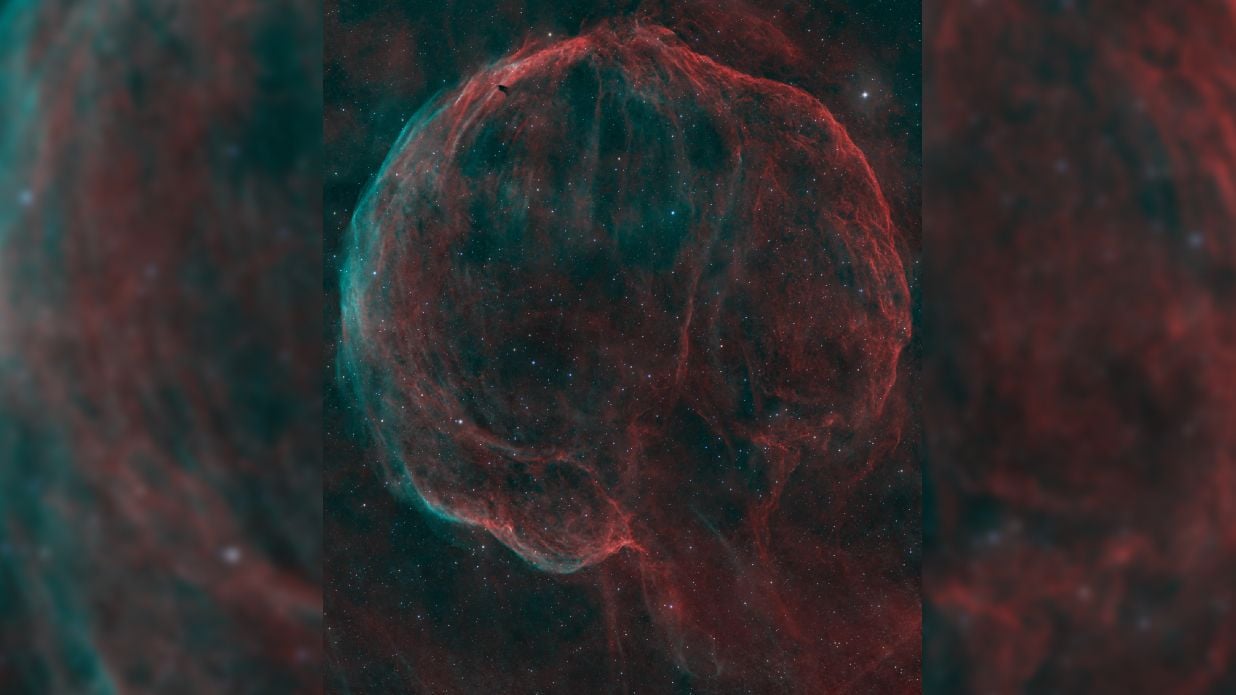
Kentucky astrophotographer David Joyce captured a detailed image of the Medulla Nebula (CTB 1), a supernova remnant from a star explosion 10,000 years ago, using an 8-inch telescope over seven nights, revealing its colorful and complex structure.
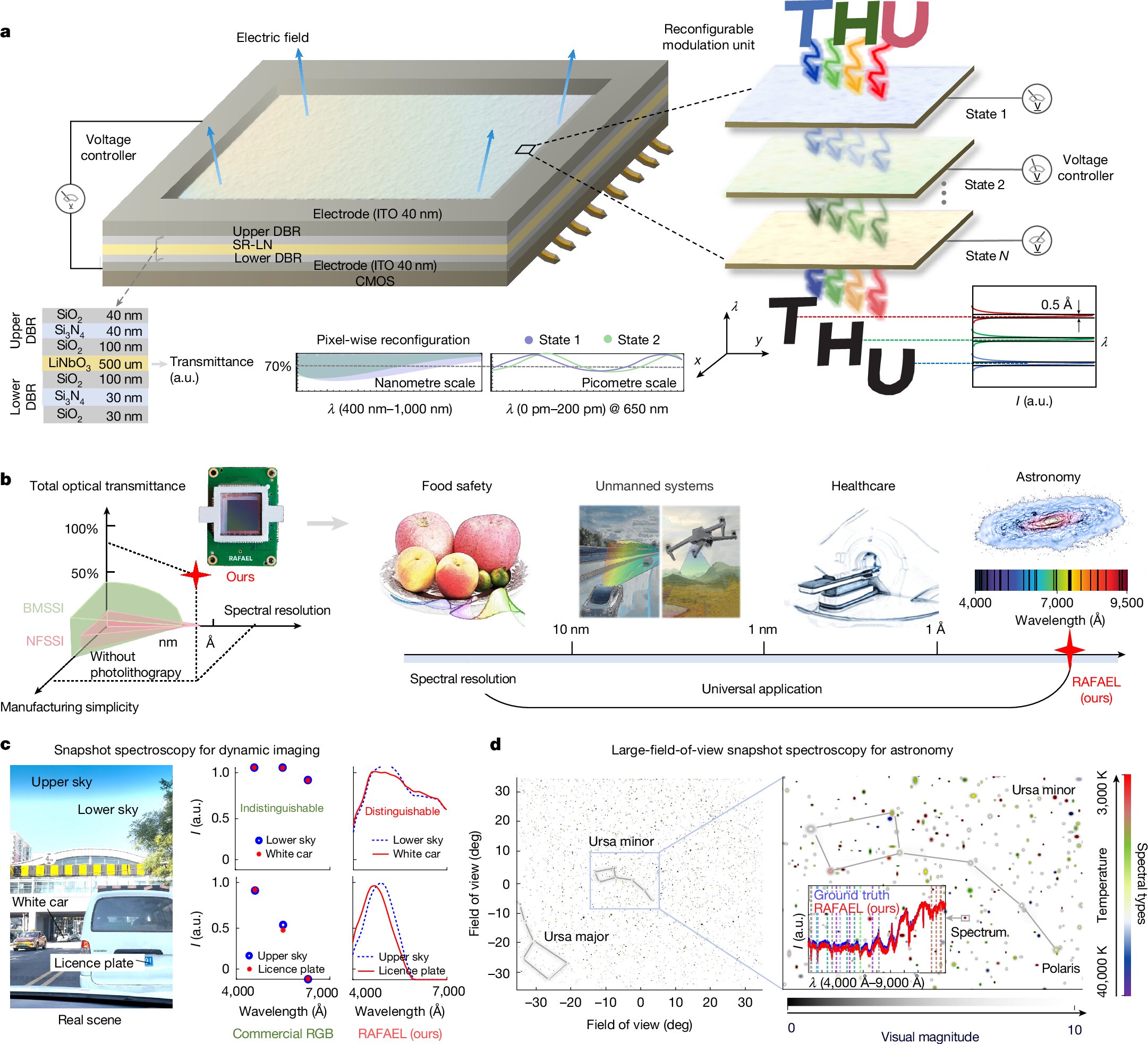
Researchers at Tsinghua University have developed RAFAEL, a tiny, high-efficiency spectroscopic chip that can capture detailed images of space and analyze materials more quickly and accurately than current methods, though it is still in the prototype stage.
A team in Australia improved the resolution of the James Webb Space Telescope's images using a specialized instrument called AMI, which was able to correct optical and electronic distortions during data processing, enabling clearer observations of distant stars, planets, and black hole jets from a million kilometres away.
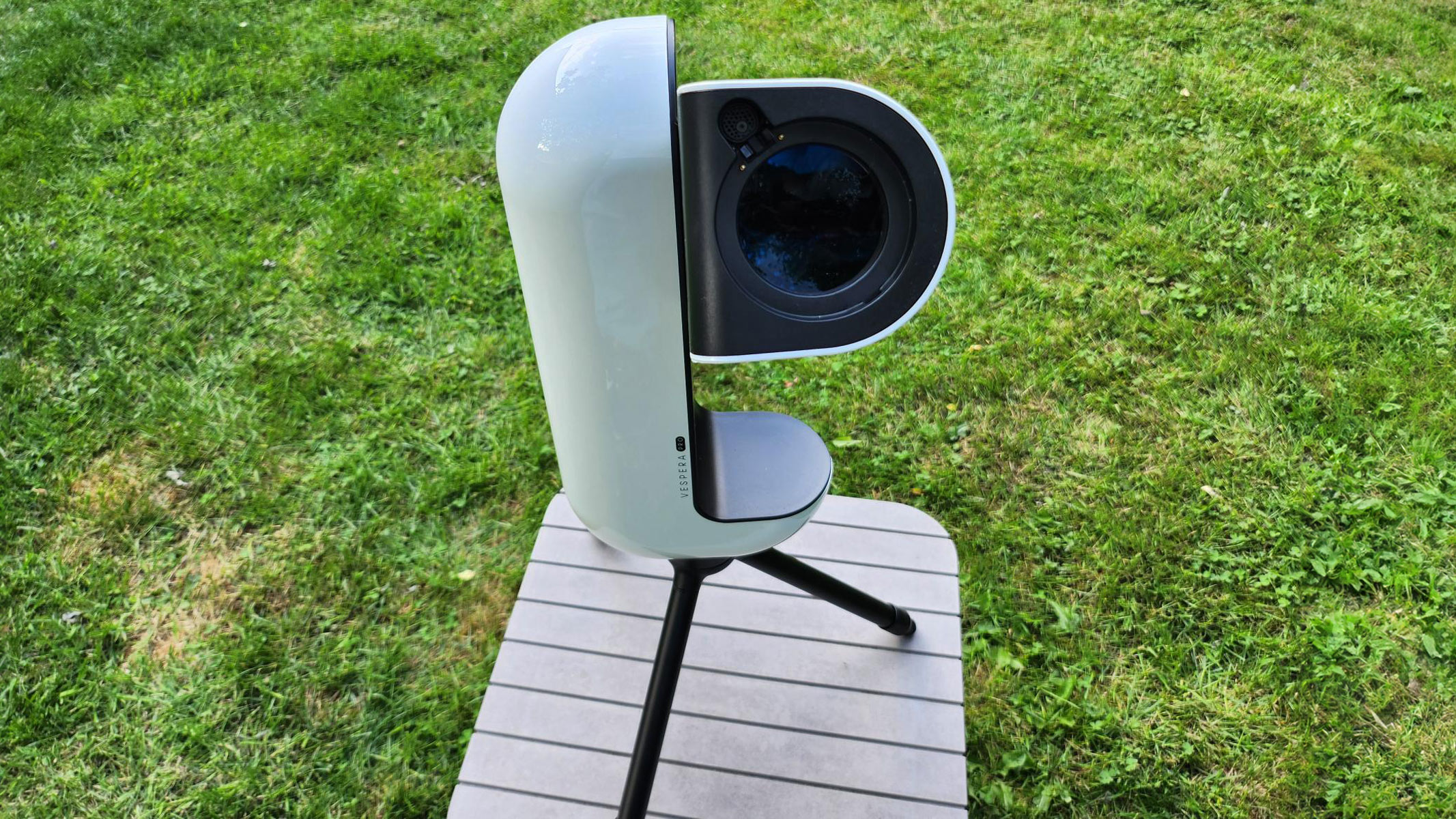
The Vaonis Vespera Pro is a high-end smart telescope offering easy-to-use, high-resolution astrophotography capabilities, especially suited for large deep-sky objects and beginners, but it comes at a steep price and has some limitations for detailed planetary imaging.
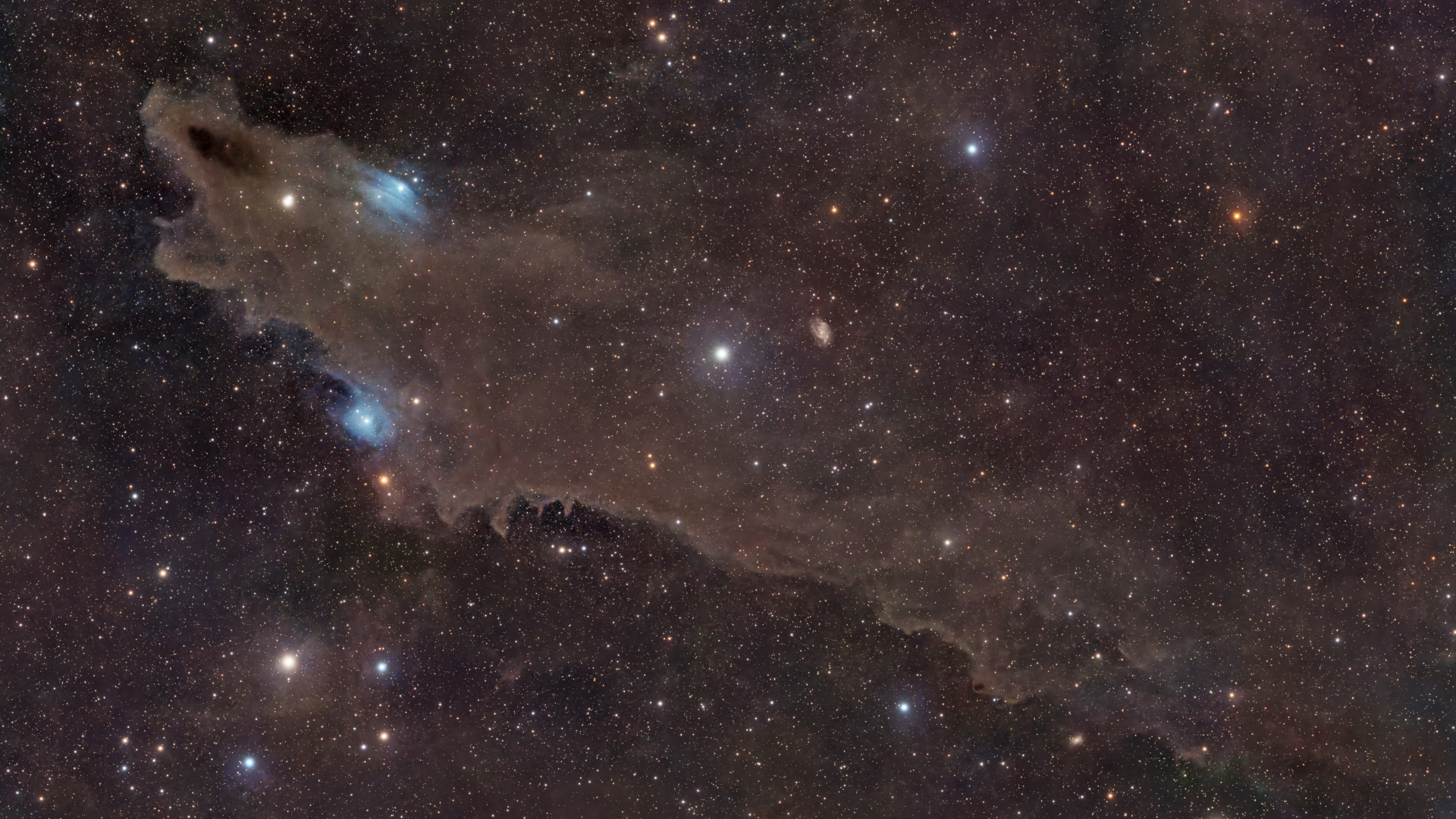
Astrophotographer Ronald Brecher captured a stunning image of a cosmic shark-shaped nebula in the constellation Cepheus, formed by interstellar dust and gas, with notable features including a bright star and reflection nebulas, using advanced equipment and postprocessing techniques.
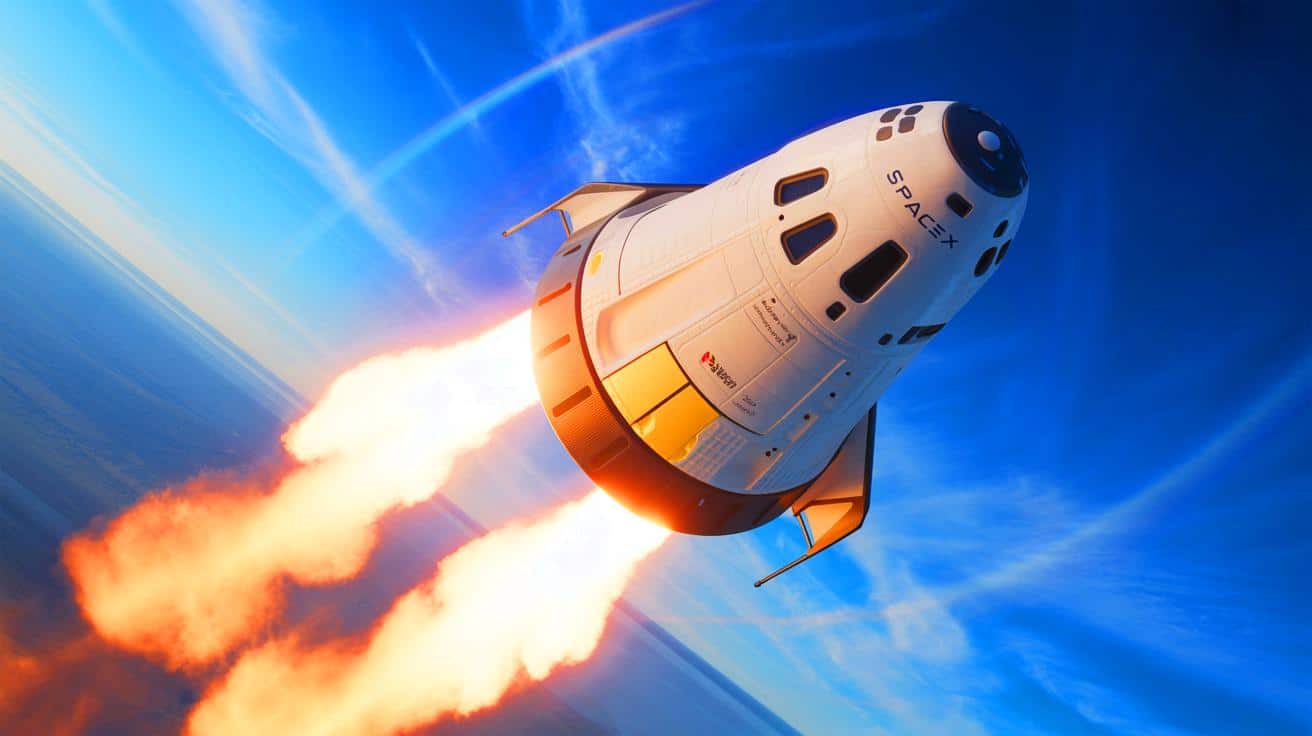
NASA's SpaceX Dragon capsule returned with 6,700 pounds of innovative space technology, including material durability tests, advanced robotic systems, space imaging advancements, and educational materials, highlighting significant progress in space exploration and Earth applications.
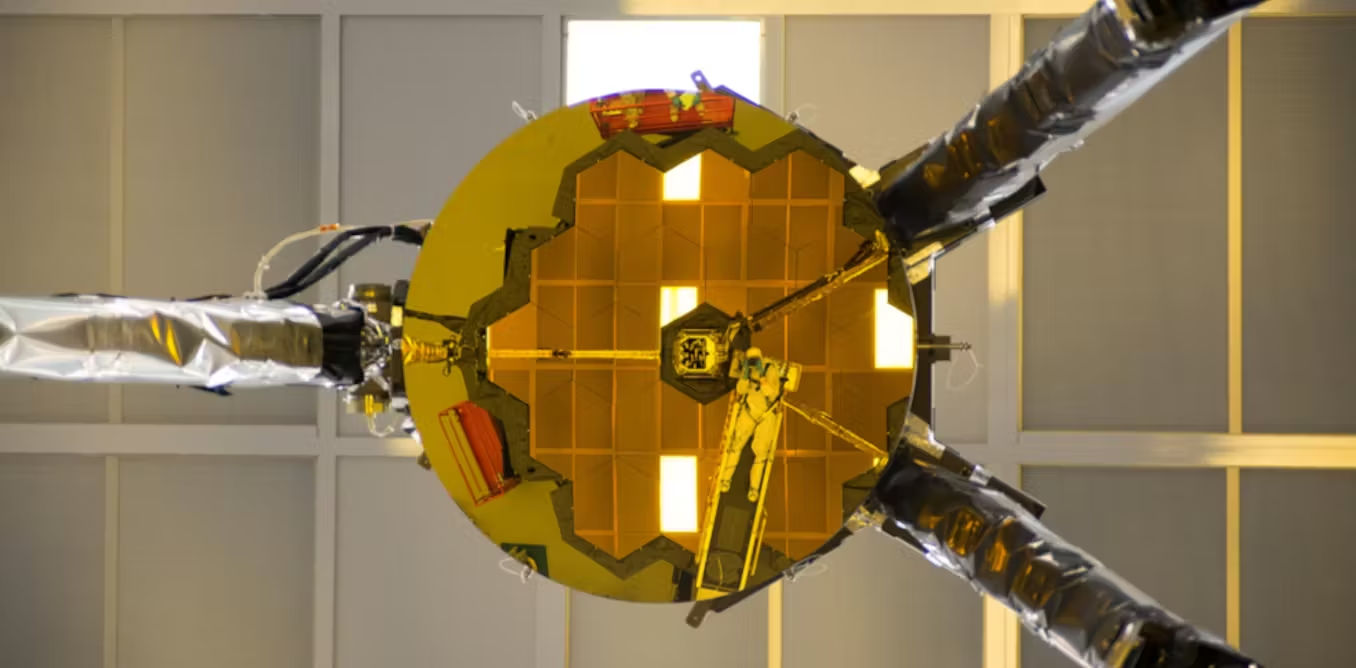
The James Webb Space Telescope can see far into space by using a giant gold-coated mirror to collect faint infrared light from distant galaxies, which has traveled billions of years to reach it. Its advanced cameras, NIRCam and MIRI, detect this heat and light, allowing scientists to study the early universe and objects hidden by dust, all while being kept extremely cold by a sun shield and cryocooler.
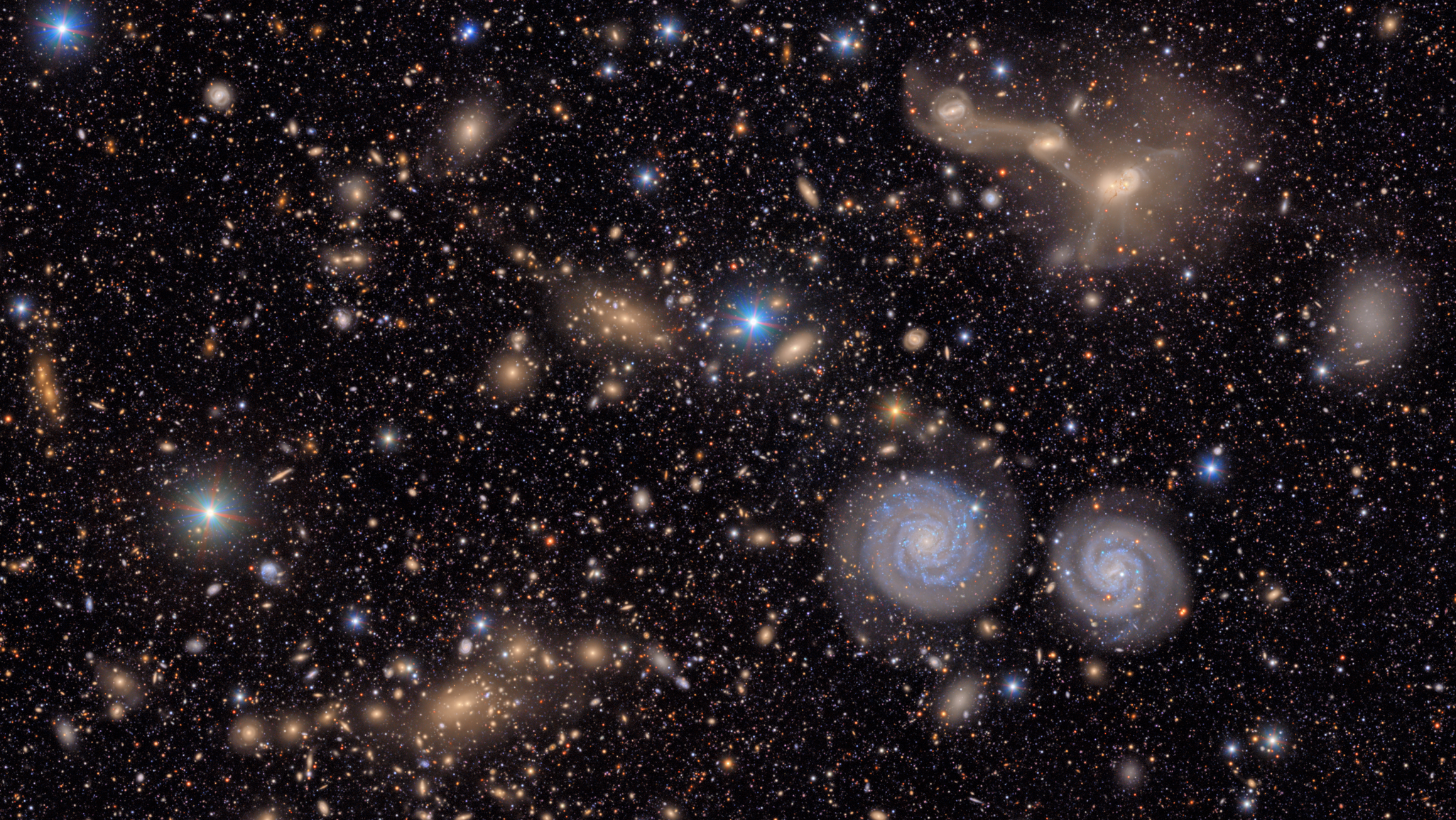
The Vera C. Rubin Observatory released its first high-resolution images, revealing 10 million galaxies and promising to vastly expand our understanding of the universe through its extensive data collection over the next decade, including insights into dark matter, dark energy, and celestial movements.
The Vera C. Rubin Observatory in Chile will generate about 60 million billion bytes of astronomical image data over a decade, using advanced data processing, AI, and cloud computing to analyze and identify celestial phenomena, transforming traditional astronomy into a big data science.
The James Webb Space Telescope has captured the first direct image of the cold, distant exoplanet 14 Herculis c, orbiting a star 60 light-years away. This planet, about seven times the mass of Jupiter and with a temperature of just 26°F, is notable for its unusual tilted orbit and faint infrared glow, providing new insights into older, colder planets outside our solar system.