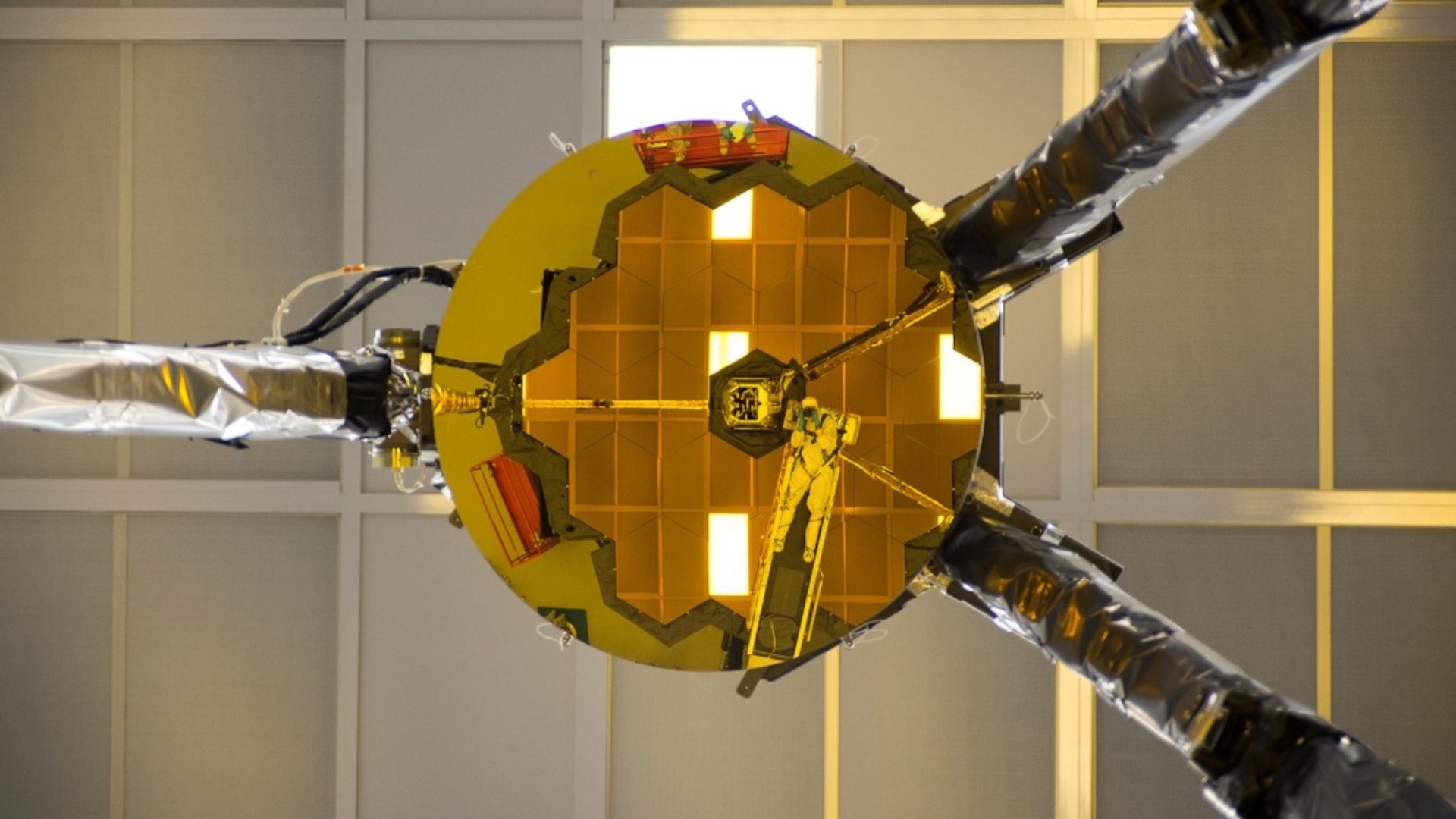
Scientists have enhanced the resolution of NASA's James Webb Space Telescope using a new technique called aperture masking interferometry (AMI), which corrects optical and electronic distortions in the telescope's images, enabling clearer observations of stars, planets, and black hole jets from a million miles away.
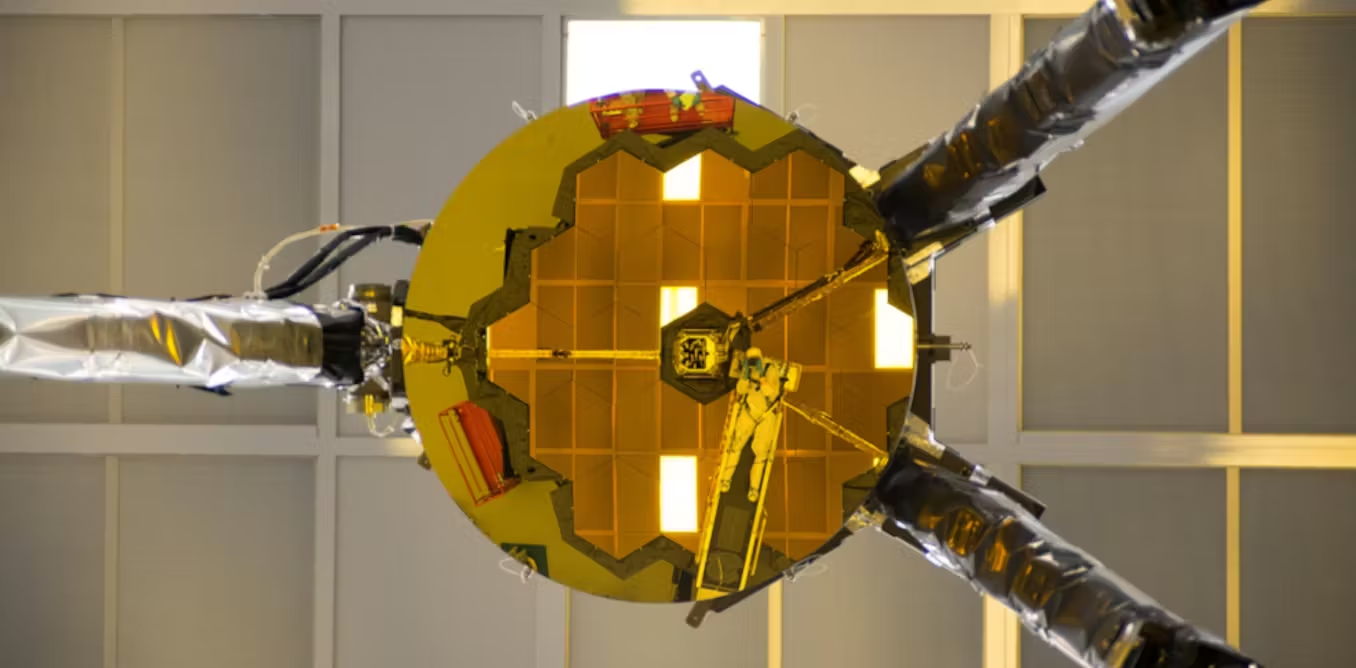
A team in Australia improved the resolution of the James Webb Space Telescope's images using a specialized instrument called AMI, which was able to correct optical and electronic distortions during data processing, enabling clearer observations of distant stars, planets, and black hole jets from a million kilometres away.
Researchers have discovered critical firmware vulnerabilities in baseboard management controllers (BMCs) made by AMI, a leading provider of BMCs and firmware. These vulnerabilities, which were revealed in a 2021 ransomware attack, can be exploited by attackers with access to the Redfish remote management interface, allowing them to gain superuser status and execute malicious code on servers in data centers. The vulnerabilities pose a significant risk to cloud computing infrastructure, potentially enabling attackers to install ransomware, espionage malware, or cause physical damage to servers. AMI has released firmware patches to address the vulnerabilities.