The U.S. Space Force has introduced a new satellite naming system using Magic: The Gathering-style cards to give more identity and culture to its satellites, with themes inspired by mythology and nature, aiming to foster a stronger connection among Guardians and make satellite designations more engaging.
The U.S. Space Force has introduced a new satellite naming system using Magic: The Gathering-style cards to give satellites more personality and cultural identity, with themes inspired by mythology and nature, aiming to foster a stronger connection among Guardians and make satellite designations more engaging.
The U.S. Space Force is adopting new thematic names for its weapons and space systems, inspired by categories like Norse mythology and ghosts, to foster a stronger connection and identity among personnel, with the aim of creating more memorable and popular names for its systems.
Maine Senate candidate Graham Platner, a Marine veteran, previously defended Nazi symbolism in military culture and was aware of his Nazi-style tattoo, which he recently covered up after scrutiny. Evidence from social media and interviews suggests he knew of its Nazi links earlier than he claimed, contradicting his recent statements of ignorance.
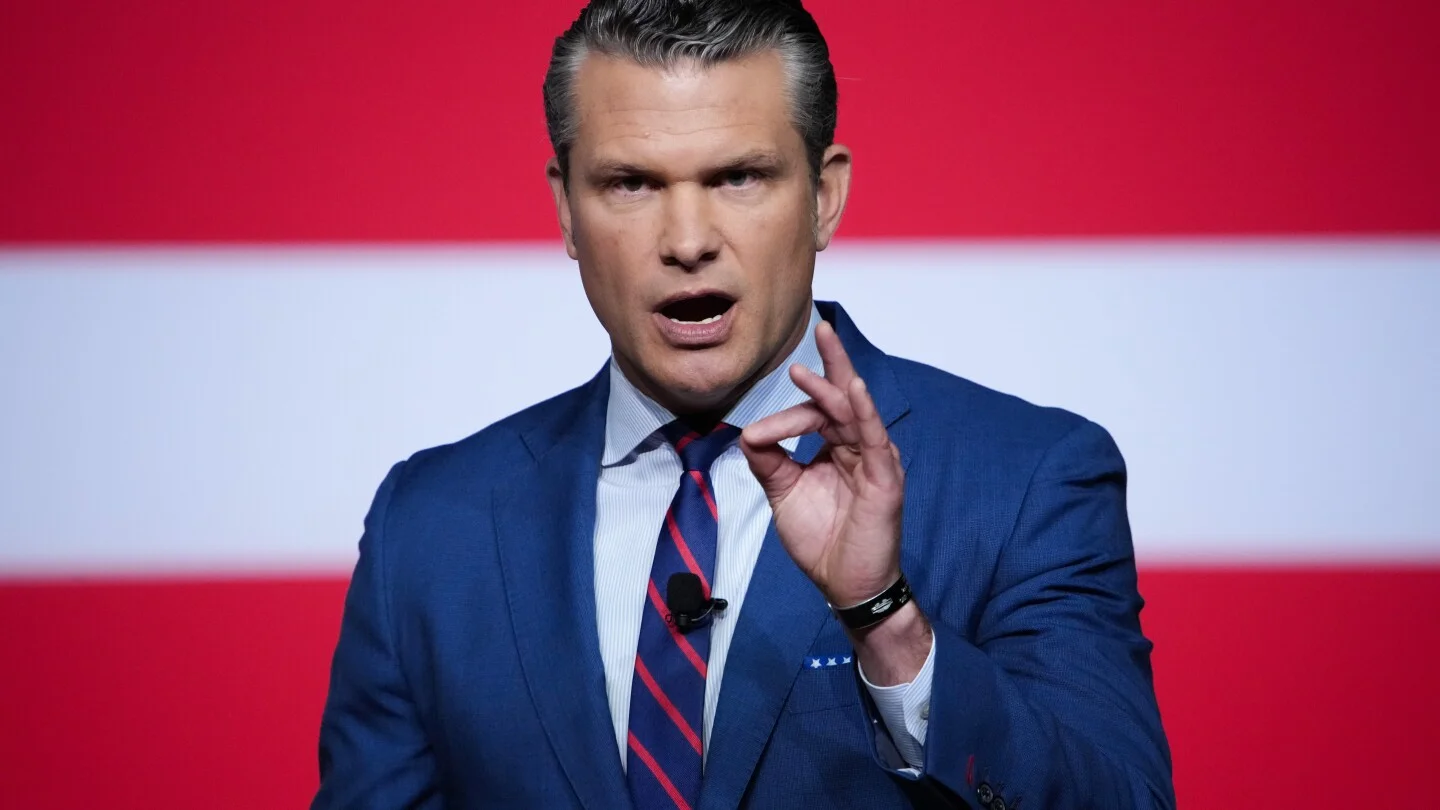
Defense Secretary Pete Hegseth emphasized returning to the 'highest male standard' for combat roles, sparking criticism from women veterans and supporters who affirm women already meet the same standards, while some Republican women support his stance on military culture and standards.
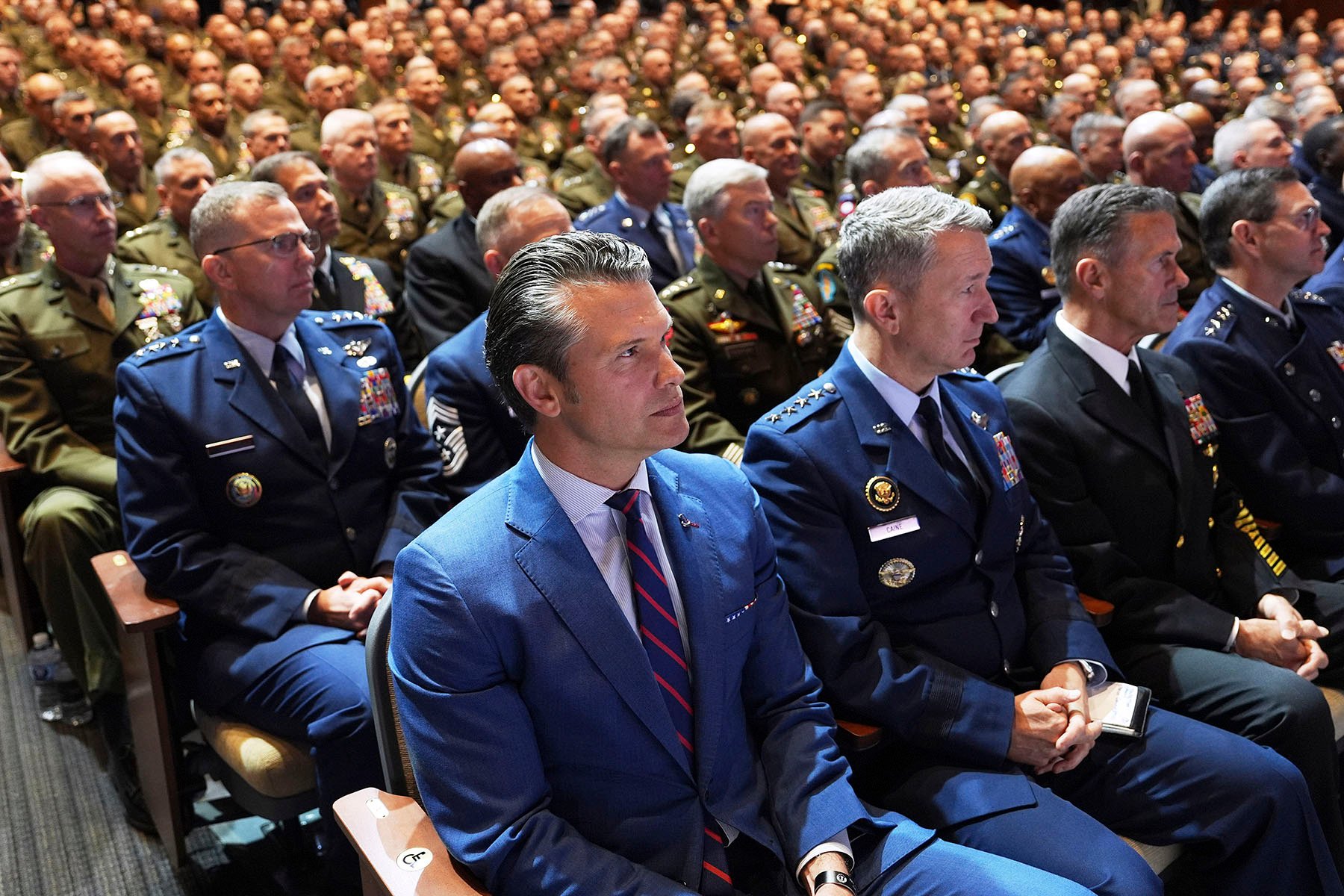
Secretary of Defense Pete Hegseth called for a major shift in military culture, emphasizing a move away from 'woke' policies towards a focus on a 'warrior ethos,' including reinstating traditional physical standards, firing diverse leaders, and eliminating diversity and inclusion programs, with a strong stance on physical fitness and merit-based promotions.
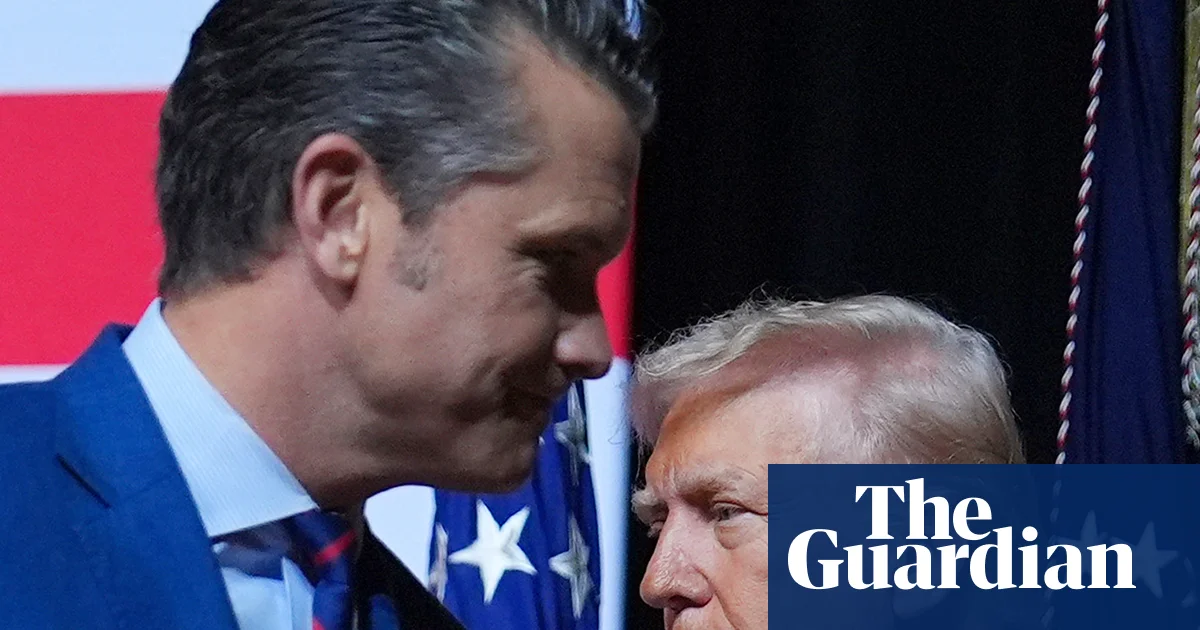
Donald Trump defended military actions and suggested using US cities as training grounds, while Pete Hegseth pushed for a culture shift in the military emphasizing lethality, physical standards, and a rejection of diversity initiatives, leading to firings of several generals and policy overhauls.
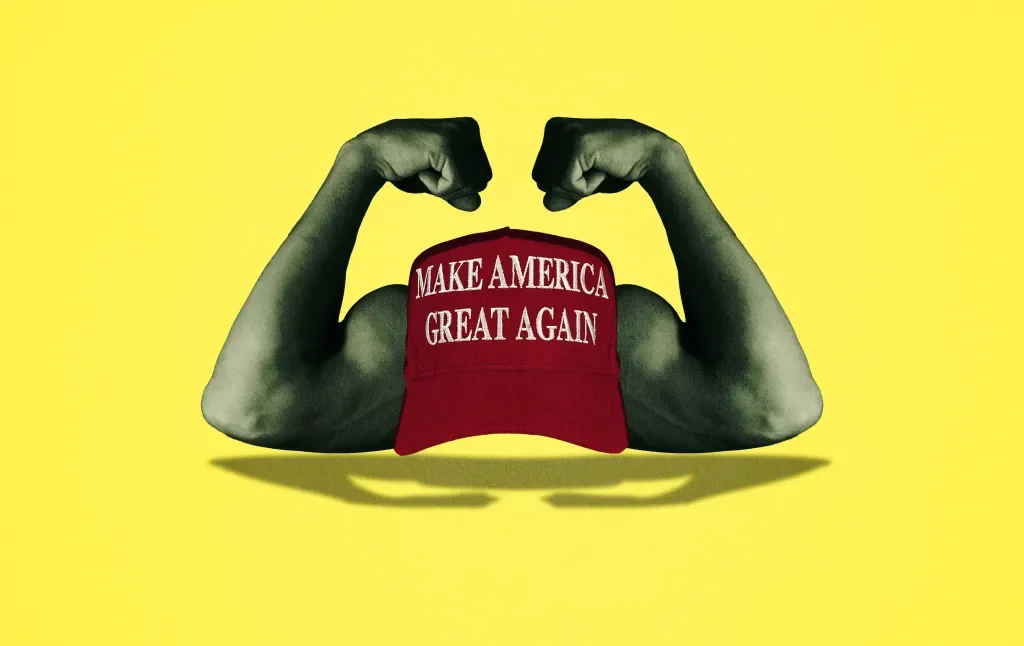
The article critiques the right-wing's focus on performative toughness and warrior culture, exemplified by Trump's theatrics and aggressive rhetoric, which prioritize appearances of strength over substantive policy or effective governance, ultimately revealing a facade of strength that masks underlying weakness and superficiality.
The recent Israeli attack on a humanitarian convoy in Gaza, resulting in the deaths of seven aid workers, has sparked global outrage and raised questions about the Israeli military's approach to engagement in the territory. A cultural shift within the military, emphasizing a focus on killing as a metric for success, has been identified as a contributing factor. This shift, influenced by past incidents and leadership directives, has led to a prioritization of body counts over strategic objectives, resulting in a concerning erosion of operational constraints and an increased risk to civilian lives. The need to dismantle the prevailing culture equating killing with military success is emphasized as crucial in addressing these issues.