A surprise X-class solar flare erupted from sunspot region 3912 on December 8, causing shortwave radio blackouts over southern Africa. The flare, accompanied by a coronal mass ejection (CME), is expected to have only mild impacts on Earth. X-class flares are the most powerful solar flares, capable of disrupting satellites and causing radio blackouts due to the intense release of electromagnetic radiation.
The House is moving towards combining a bill to ban TikTok with aid for Ukraine and Israel, while the Senate has dismissed impeachment charges against Mayorkas without a trial. Southern Africa is facing a severe food crisis due to drought, pushing millions into acute hunger, and a new law aims to regulate the sale of brain waves. Additionally, nine people, including an airline worker, have been arrested in connection with a brazen $14.5 million gold heist.
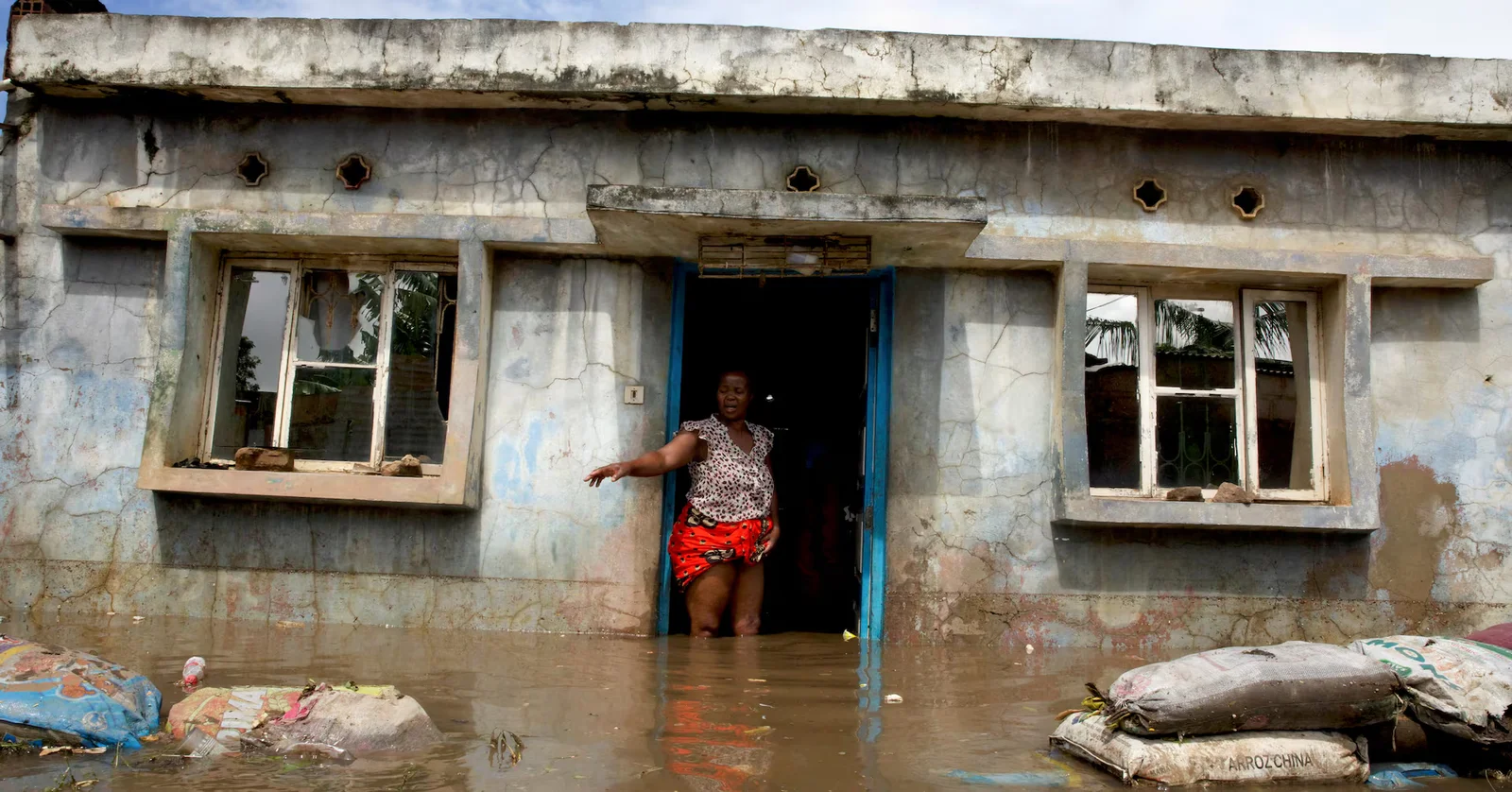
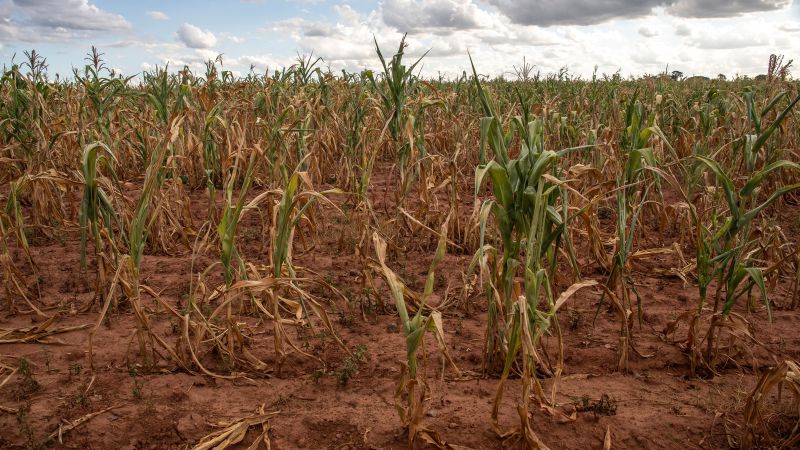
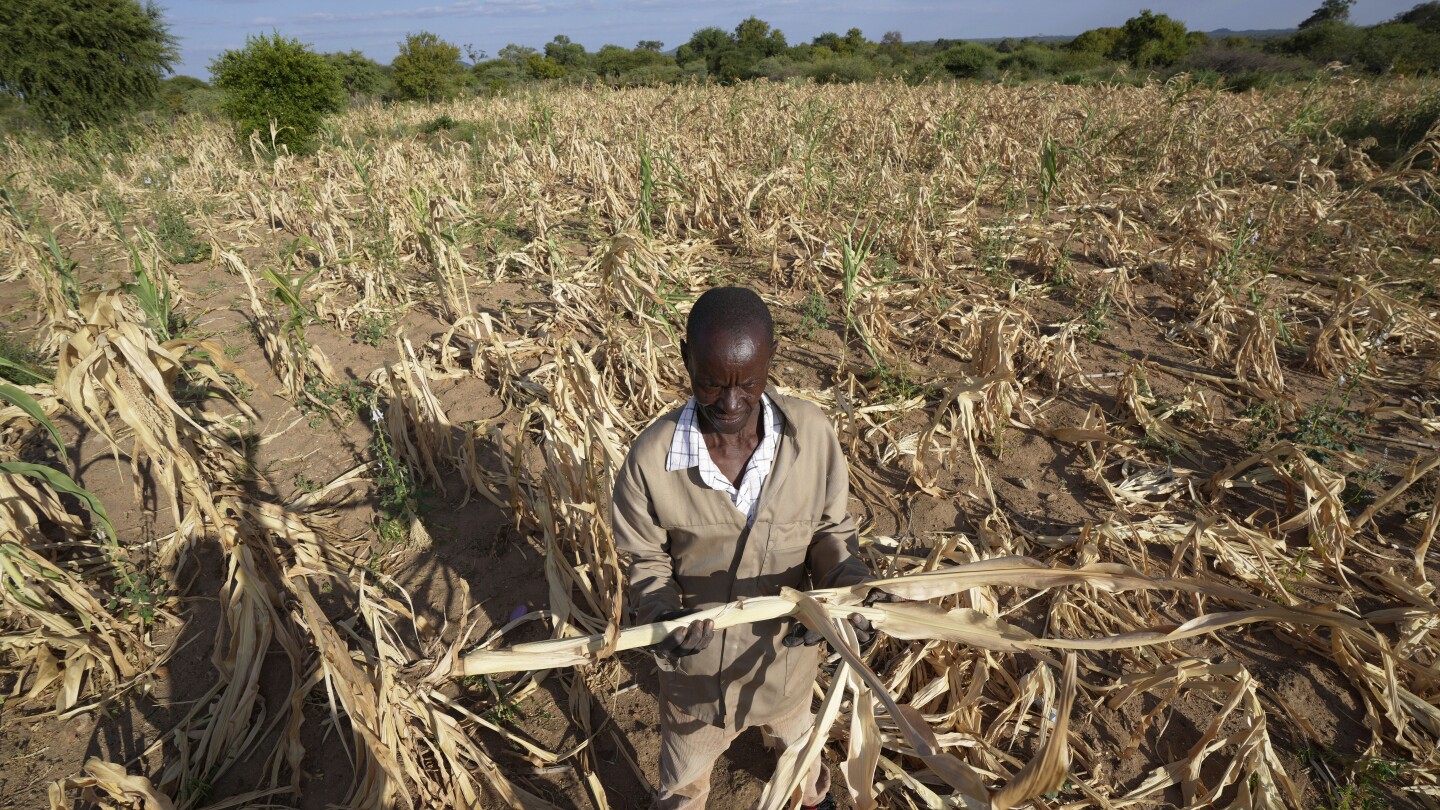
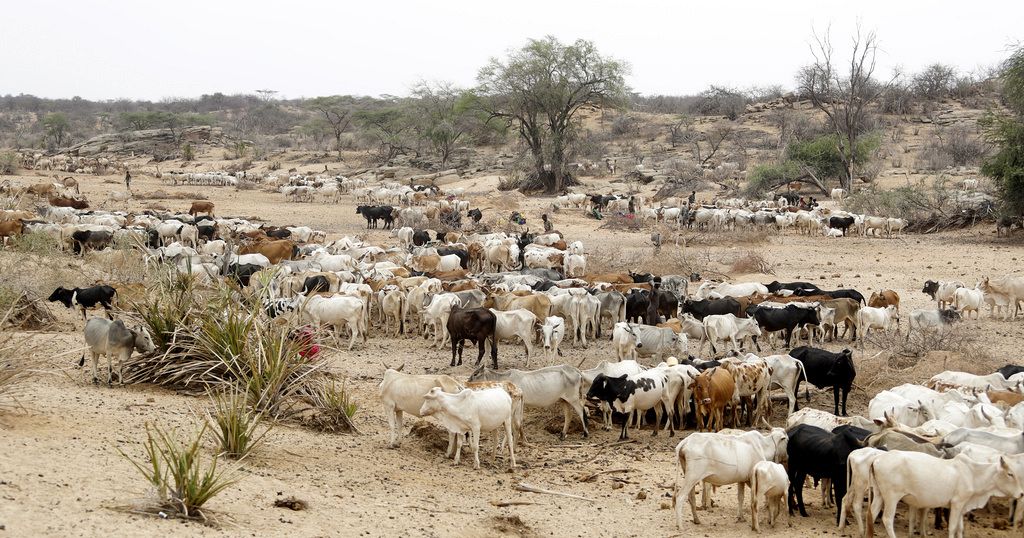
More than 24 million people in southern Africa are facing hunger, malnutrition, and water scarcity due to a combination of extreme drought and floods, exacerbated by the El Niño climate pattern. Zimbabwe, Zambia, and Malawi have declared national disasters due to the drought, with millions of people at risk of hunger. The region is particularly vulnerable to climate change despite contributing very little to global emissions, and aid groups are calling for immediate resources to prevent a worsening humanitarian crisis.
Severe drought in southern Africa, exacerbated by the El Niño phenomenon, has left millions in Zimbabwe, Zambia, Malawi, and other countries facing hunger as crops fail and water sources dry up. Aid agencies like USAID and the World Food Programme are providing food relief, but resources are limited amid a global hunger crisis and reduced humanitarian funding. The situation is expected to worsen, with millions unable to feed themselves well into 2025, and the impact of extreme weather is predicted to become the norm in the region.
The World Health Organization (WHO) has reported anthrax outbreaks in five East and Southern African countries, including Kenya, Malawi, Uganda, Zambia, and Zimbabwe, resulting in over 1,100 suspected cases and 20 deaths this year. While these countries experience seasonal outbreaks annually, Zambia is currently facing its worst outbreak since 2011, and Malawi has reported its first human case this year. The outbreaks are likely driven by various factors, including climatic shocks, food insecurity, low-risk perception, and exposure to infected animals. WHO has warned of a high risk of the Zambian outbreak spreading to neighboring countries.
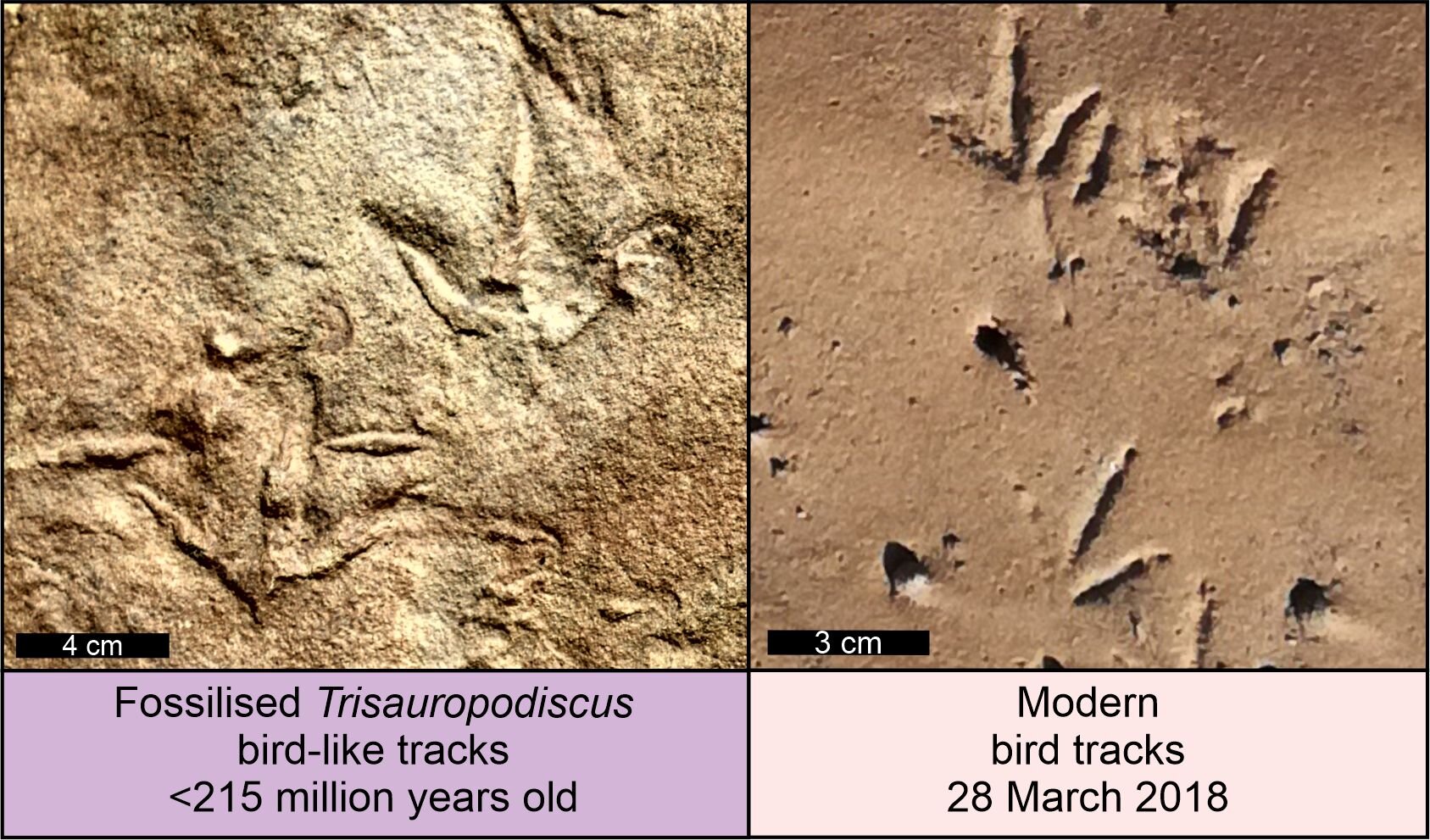
Researchers have discovered bird-like footprints dating back over 210 million years in southern Africa. The footprints, known as Trisauropodiscus, exhibit two distinct morphologies, one similar to non-bird dinosaur tracks and the other resembling bird footprints. These tracks predate the earliest known body fossils of true birds by 60 million years and suggest the origin of bird-like feet as early as the Late Triassic Period. The trackmakers could be early dinosaurs or reptiles that convergently evolved bird-like feet.
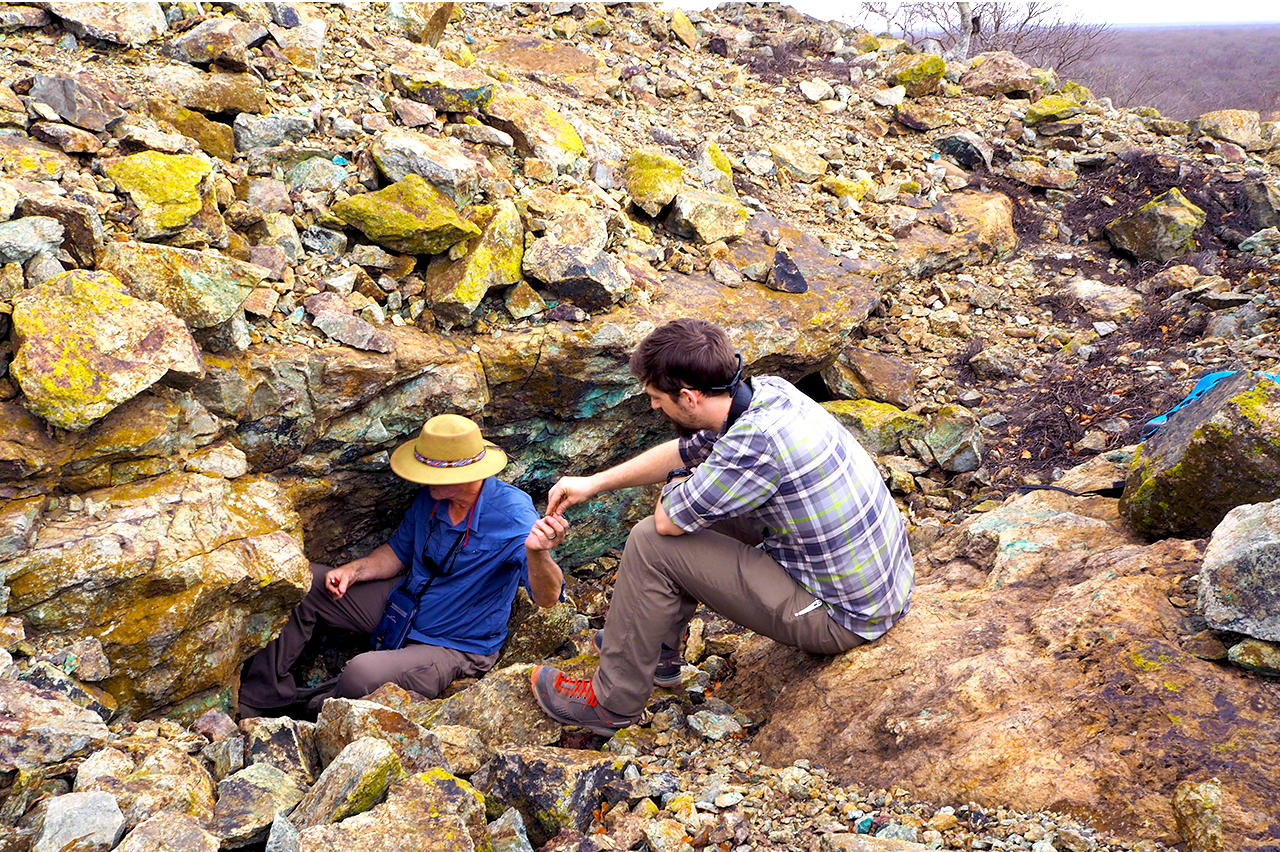
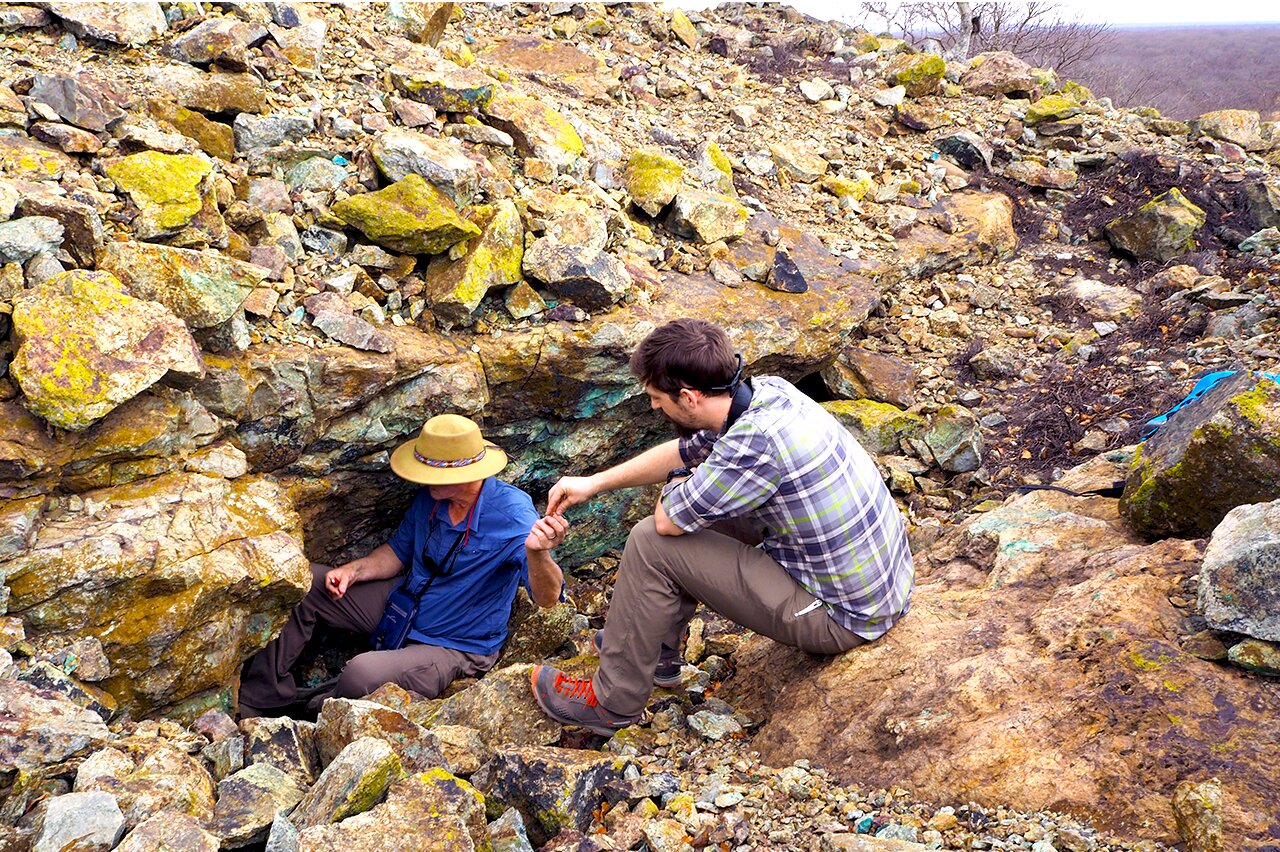
Researchers from the University of Missouri and colleagues used geochemical analysis on copper objects to uncover centuries of previously unknown connections within the region. Chemical and isotopic analysis of copper artifacts from southern Africa has unveiled new cultural connections among the people living in the region between the 5th and 20th centuries. The data shows the interaction between these groups not only involved the movement of goods, but also flows of information and the sharing of technological practices that come with that exchange.
Scientists have discovered the remains of giant snail shells at a 225,000-year-old archaeological site in southern Africa, indicating that these snails were a significant source of sustenance for the humans who lived there. A new study shows how small groups of hunter-gatherers captured, roasted and ate giant snails as early as 170,000 years ago. The giant snails would have been an important source of nutrition, especially for children and the elderly. The team of researchers working on the study suggested that when hunter-gatherer groups in southern Africa roamed the countryside hunting large animals, some of them, perhaps with limited mobility due to age or injury, might have stayed behind “snail-gathering.”
Chemical and isotopic analysis of copper artifacts from southern Africa reveals new cultural connections among people living in the region between the 5th and 20th centuries. Scholars previously thought that people in the area between northern South Africa and the Copperbelt region in central Africa were only connected to imports coming from the Indian Ocean, but the data shows that the interaction between these groups involved the movement of goods, flows of information, and the sharing of technological practices. Copper ingots are excellent objects for this type of analysis because they often have emblematic shapes that allow archaeologists to identify specific markings and follow changes over different time periods.
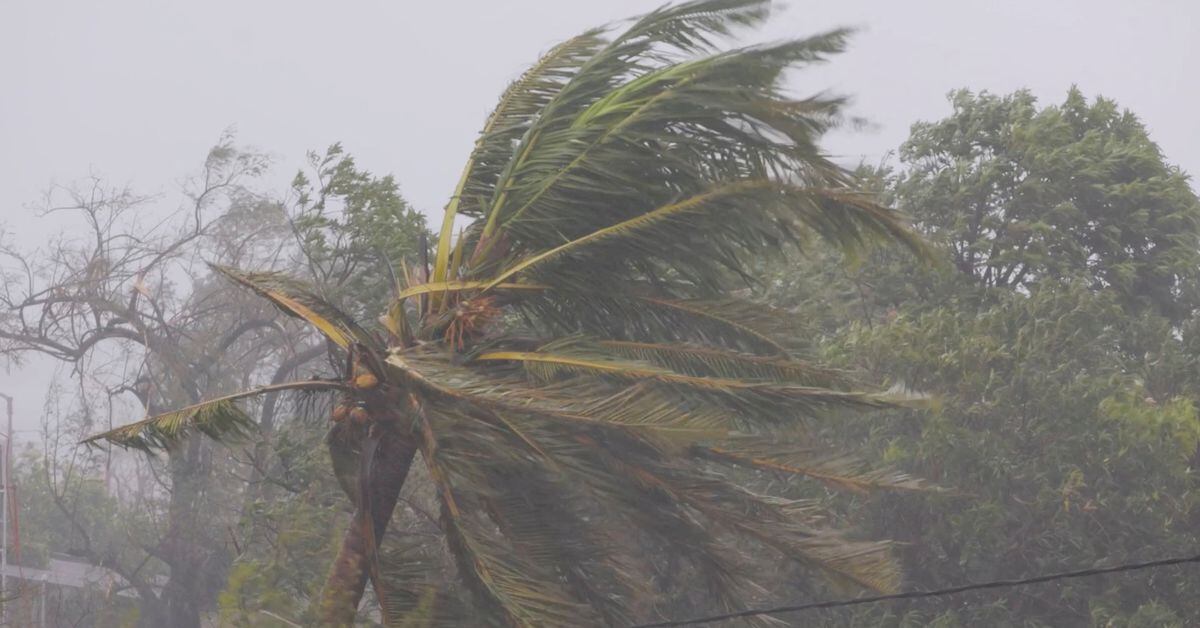
Cyclone Freddy, which hit the coast of southern Africa for a second time over the weekend, has broken at least one record and could break two more, meteorologists say. It holds the record for most accumulated cyclone energy (ACE) of any storm in the southern hemisphere and possibly worldwide. Freddy may have broken the record for longest-lasting tropical cyclone on record, and appears to have broken the world record for the most bouts of rapid intensification. As climate change causes warmer oceans, heat energy from the water's surface is fuelling stronger storms.