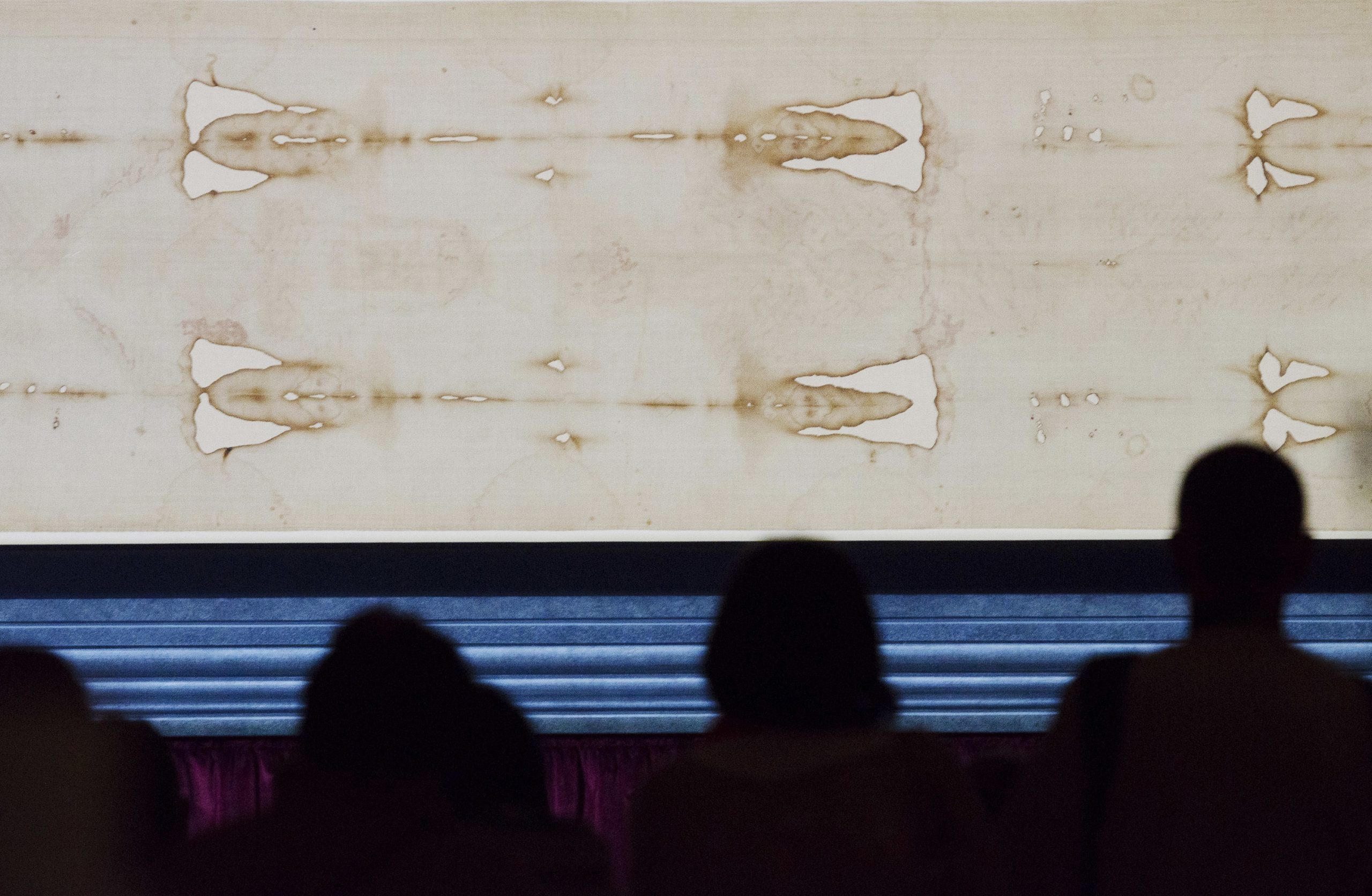
A Brazilian researcher used 3D digital modeling to suggest that the image on the Shroud of Turin may have been created by a low-relief sculpture, challenging traditional views and proposing a possible artistic origin for the relic's image.
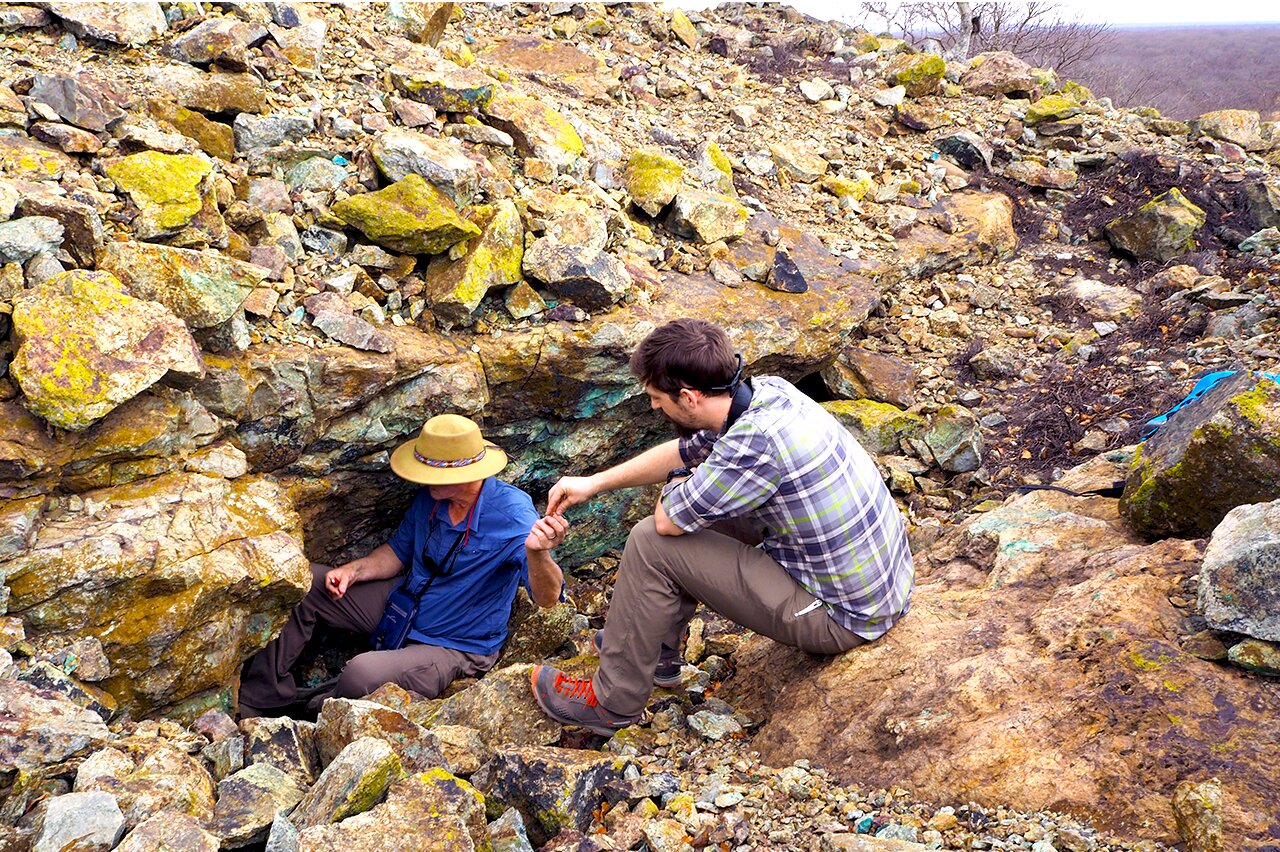
Chemical and isotopic analysis of copper artifacts from southern Africa reveals new cultural connections among people living in the region between the 5th and 20th centuries. Scholars previously thought that people in the area between northern South Africa and the Copperbelt region in central Africa were only connected to imports coming from the Indian Ocean, but the data shows that the interaction between these groups involved the movement of goods, flows of information, and the sharing of technological practices. Copper ingots are excellent objects for this type of analysis because they often have emblematic shapes that allow archaeologists to identify specific markings and follow changes over different time periods.