Tag

Rapid Intensification

All articles tagged with #rapid intensification

weather5 months ago

Hurricane Erin Rapidly Intensifies and Impacts Caribbean as It Weakens to Category 3

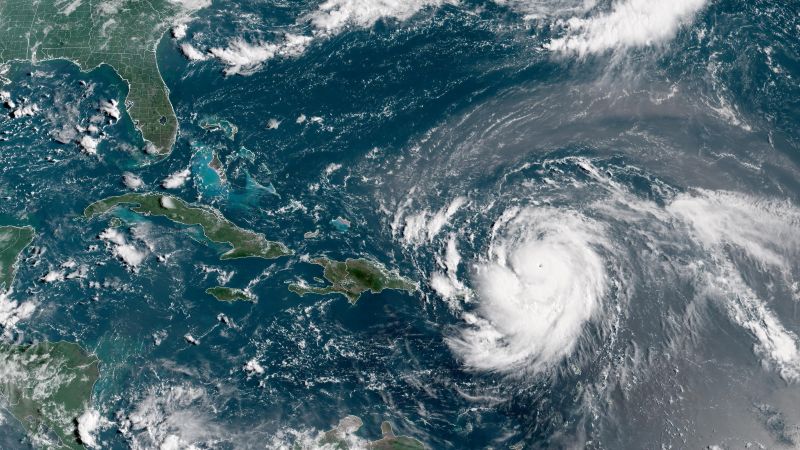
Hurricane Erin rapidly intensified to a Category 5 storm in the Atlantic, marking one of the fastest intensifications on record, likely influenced by global warming, and is expected to weaken but grow in size as it passes north of Caribbean islands, posing risks of heavy rain, flooding, and rough seas in the region and along the US East Coast.

weather1 year ago

"Rapidly Intensifying Hurricanes Pose Major Evacuation Challenges"

As the 2024 Atlantic hurricane season begins, forecasters warn of more storms that could rapidly intensify, a phenomenon that has historically been difficult to predict. However, advancements in technology and data collection have improved forecasting capabilities. Rapid intensification, where wind speeds increase dramatically in a short period, has been linked to catastrophic hurricanes in the past. The National Hurricane Center and other agencies are using new tools to better predict these events, though challenges remain, as evidenced by Hurricane Otis's unexpected intensification last year.

natural-disasters2 years ago

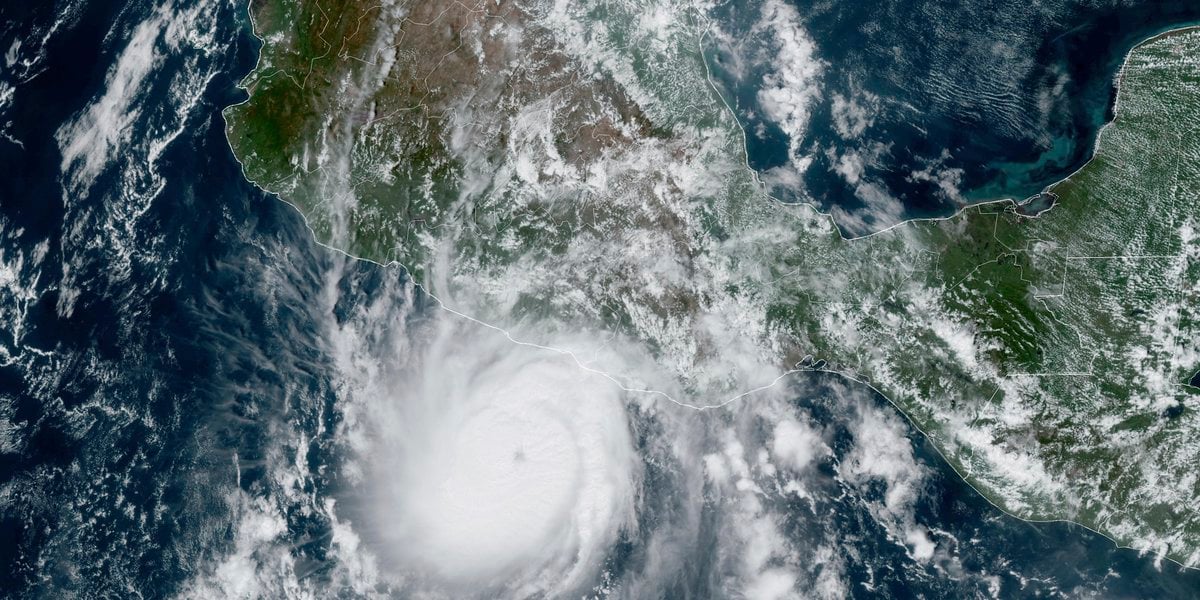
Hurricane Otis: Devastation and Desperation in Storm-Stricken Mexico

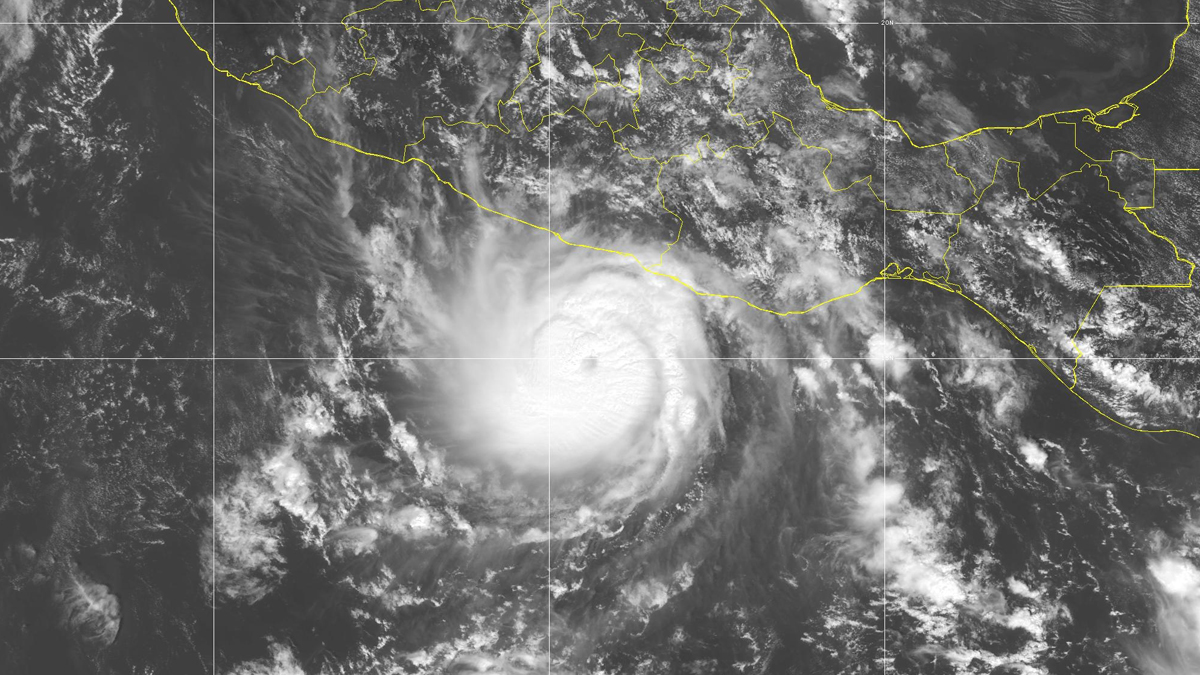
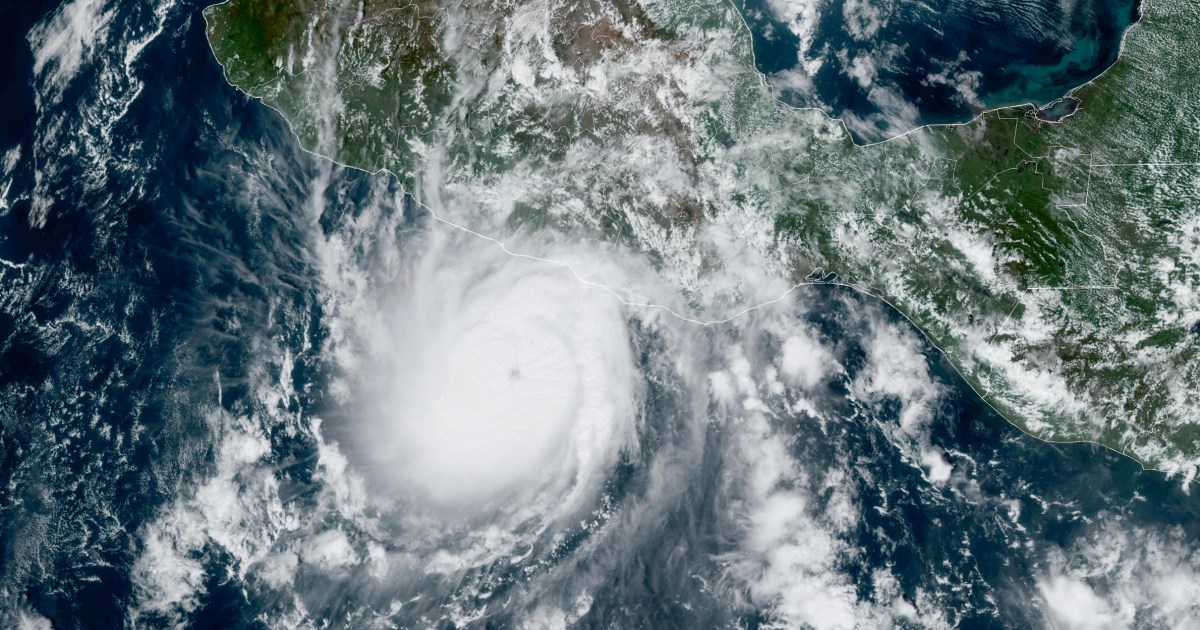
Hurricane Otis underwent rapid intensification, transforming from a tropical storm to a Category 5 hurricane in just 12 hours, with wind speeds jumping by 115 mph in a single day. This is the second fastest recorded intensification in modern times. The storm made landfall near Acapulco, Mexico, causing significant damage and resulting in nearly 50 deaths. The swiftness of the transformation has raised concerns about evacuation procedures and the need for better preparedness in hurricane-prone areas like south Louisiana.

weather2 years ago

Unprecedented Devastation: Unraveling the Mystery of Hurricane Otis

Hurricane Otis rapidly intensified into a Category 5 storm, surprising forecasters and experts. This phenomenon, known as rapid intensification, is becoming more common due to a warming planet and abnormally high surface temperatures in the ocean. The National Oceanic and Atmospheric Administration (NOAA) is using drones and artificial intelligence to better predict rapid intensification. The devastation caused by Otis in Acapulco has left thousands without power or communication, and the full extent of the damage is yet to be assessed. Meteorologists are closely monitoring the ocean as the Atlantic hurricane season continues.

natural-disasters2 years ago

Surviving Hurricane Otis: Tales of Bravery, Devastation, and Looting in Acapulco

Tourists attending a mining convention in Acapulco, Mexico, were stranded in their hotels as Hurricane Otis, one of the strongest storms on record, hit the area. The hurricane made landfall as a Category 5 storm, causing widespread damage and leaving 27 people dead. Many tourists, including Joseph Namlick, found themselves sleeping on bathroom floors as their hotel rooms flooded. The storm's rapid intensification caught many off guard, with winds ripping off roofs and flooding streets. Eventually, buses arrived to evacuate the stranded tourists to Mexico City.

weather2 years ago

Unraveling the Enigma of Hurricane Otis' Intensification and Impact

Hurricane Otis rapidly intensified from a tropical storm to a category 5 hurricane in just 24 hours, surprising forecasters who had predicted a much weaker storm. This is part of a concerning trend in the tropics, where a record-breaking 80% of storms in the eastern Pacific have undergone rapid intensification this year. Climate change is believed to be a contributing factor, with warmer waters increasing the destructive potential of hurricanes. The accuracy of predicting storm intensity is decreasing, raising concerns about future hurricanes becoming even stronger than ever before. Preparedness is crucial in this new era of more intense storms.

natural-disasters2 years ago

"Hurricane Otis: From Tropical Storm to Nightmare Scenario in a Single Night"

Hurricane Otis rapidly intensified from a tropical storm to a Category 5 hurricane in just 24 hours, causing a "nightmare scenario" for southern Mexico. This trend of rapid intensification in tropical storms approaching landfall has been observed in recent years, potentially influenced by climate change and advancements in satellite technology. The increased intensity makes forecasting more challenging, posing risks of life-threatening storm surge, destructive winds, heavy precipitation, mudslides, and flash floods.

weather2 years ago

Nigel Rapidly Intensifies into Major Hurricane

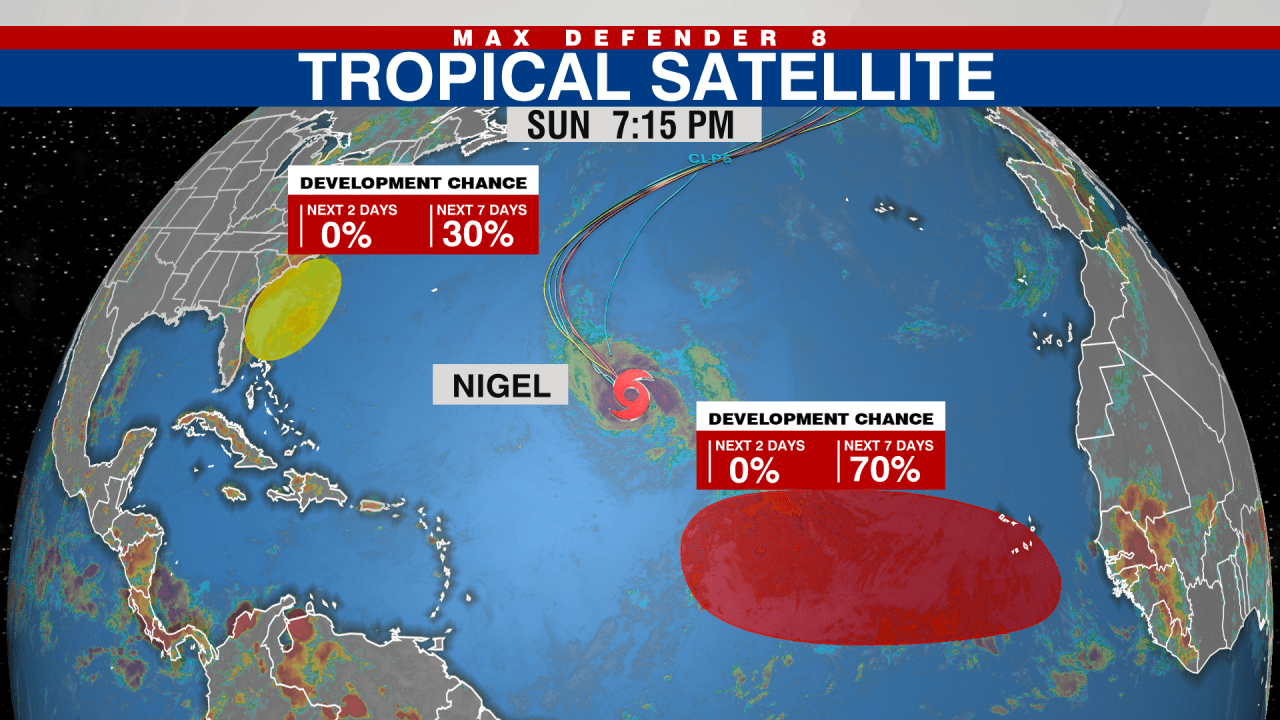
Hurricane Nigel has formed in the Atlantic and is expected to rapidly intensify into a major hurricane by Tuesday. It is currently located east-southeast of Bermuda and is forecasted to turn northward and then accelerate northeastward throughout the week. The National Hurricane Center is also monitoring two other disturbances in the Atlantic, including a tropical wave off the west coast of Africa and a non-tropical area of low pressure near the southeastern coast of the U.S.

weather2 years ago

"Unpredictable Hurricane Lee Threatens East Coast with Increasing Intensity"

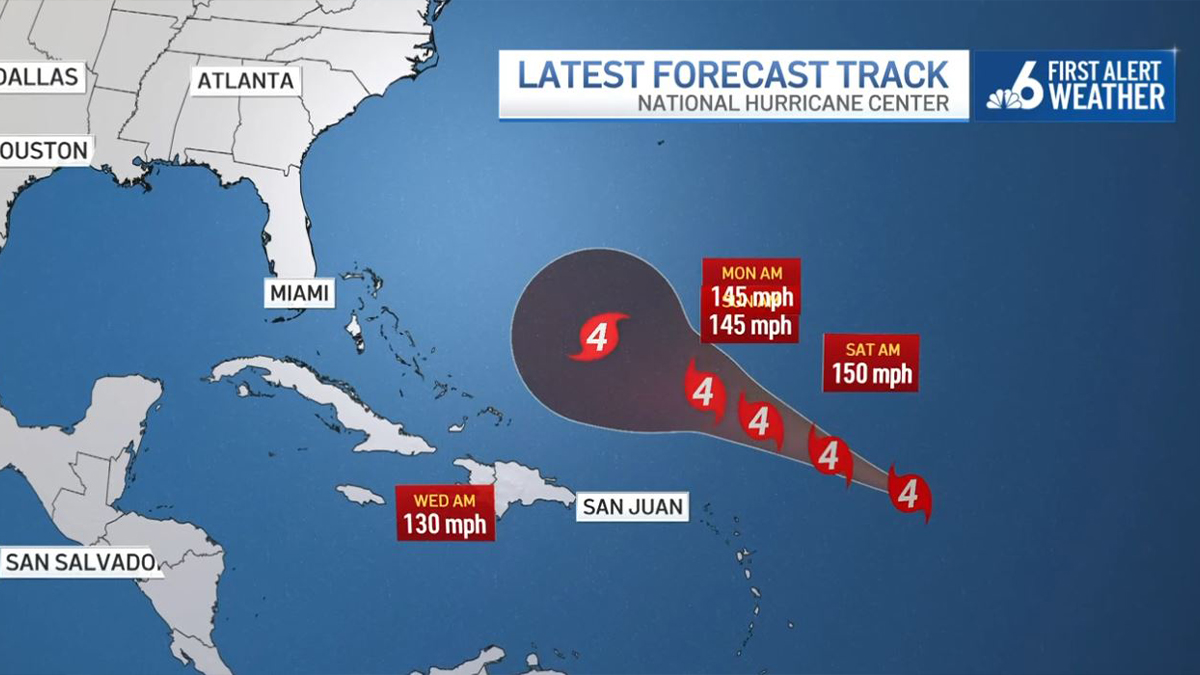
Hurricane Lee has defied meteorological expectations by rapidly intensifying into a Category 5 hurricane before dropping to a still-dangerous Category 3. This unprecedented growth could be a sign of more major hurricanes in the future, as warmer ocean temperatures act as fuel for these storms. Experts warn that higher latitudes, including cities like Washington, D.C., New York, and Boston, could be at risk. Additionally, the increasing intensity of hurricanes means that they can remain dangerous even when moving inland, causing significant damage to communities farther from the coast. While it is uncertain how close Lee will come to the U.S. East Coast, it is expected to generate high seas and rip currents along the Eastern Seaboard.

weather2 years ago

Unveiling the Increasing Frequency of Category 5 Hurricanes in the Atlantic Basin

The frequency of Category 5 hurricanes has tripled compared to the last three decades of the 20th century, with 16 forming in the Atlantic since the beginning of the century. This increase is not due to a higher overall count of tropical cyclones, but rather a greater proportion of storms going through rapid intensification cycles, often resulting in potentially catastrophic Category 4 and 5 systems. The warming of ocean waters due to global heating is a key factor in this trend, as warmer water provides more energy for storm development. Despite these concerning trends, Hurricane Lee is unlikely to impact any land mass at its peak intensity, but it is being closely monitored as it moves north across the western Atlantic.

natural-disasters2 years ago

Super Typhoon Mawar wreaks havoc on Guam with record-breaking winds.

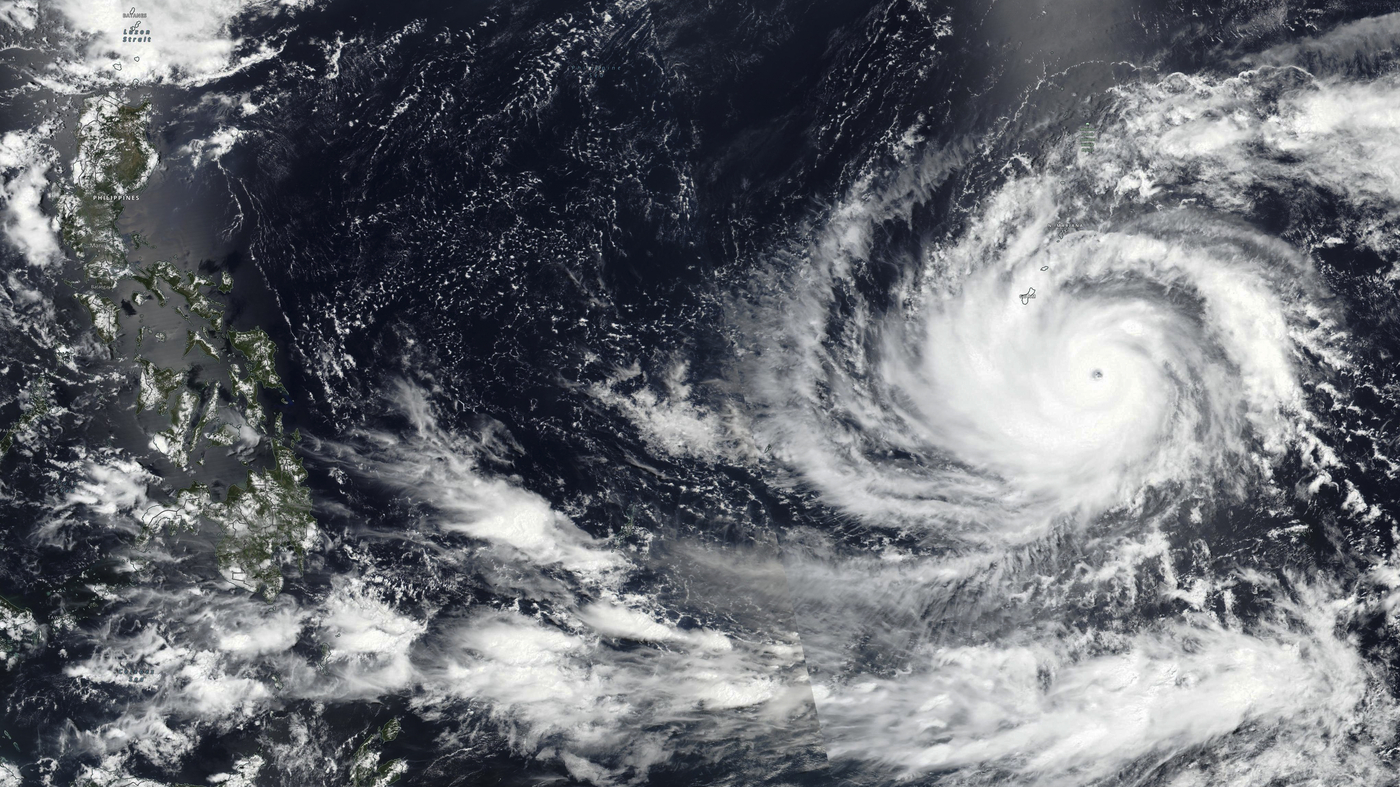
Typhoon Mawar, now a Category 5 super typhoon, has become 2023's most intense storm and one of the five most powerful typhoons on record in May. After striking Guam, the storm has resumed rapid intensification, with peak winds jumping up to 175 mph. Rising ocean temperatures spurred by human-caused climate change have made such instances of rapid intensification more frequent in recent decades. The storm is expected to approach the northern Philippines and Taiwan in a weakened state, but potential for flooding rain, damaging storm surge, and high winds exists in both countries.

environment2 years ago

Super Typhoon Mawar threatens Guam with deadly winds and storm surge due to climate change.

Super Typhoon Mawar, which is approaching Guam, has rapidly gained strength due to warmer ocean waters caused by climate change. Rapid intensification of storms is becoming more common, making them more dangerous as there is less time to warn people. Climate change also makes storm surge and inland flooding more severe, with Guam and the Mariana Islands being particularly vulnerable due to rising seas.

weather2 years ago

Cyclone Freddy's Devastating Impact on Southern Africa.

Cyclone Freddy, which hit the coast of southern Africa for a second time over the weekend, has broken at least one record and could break two more, meteorologists say. It holds the record for most accumulated cyclone energy (ACE) of any storm in the southern hemisphere and possibly worldwide. Freddy may have broken the record for longest-lasting tropical cyclone on record, and appears to have broken the world record for the most bouts of rapid intensification. As climate change causes warmer oceans, heat energy from the water's surface is fuelling stronger storms.