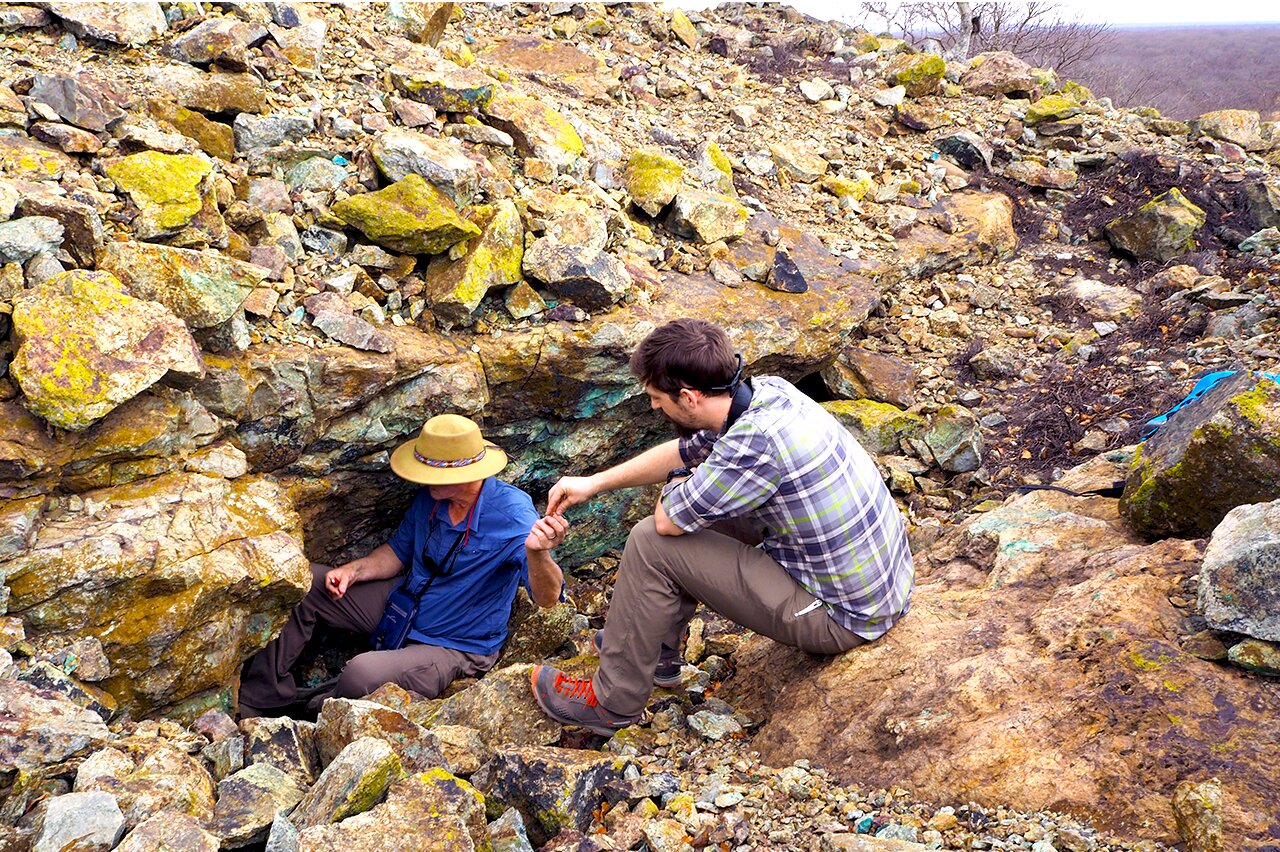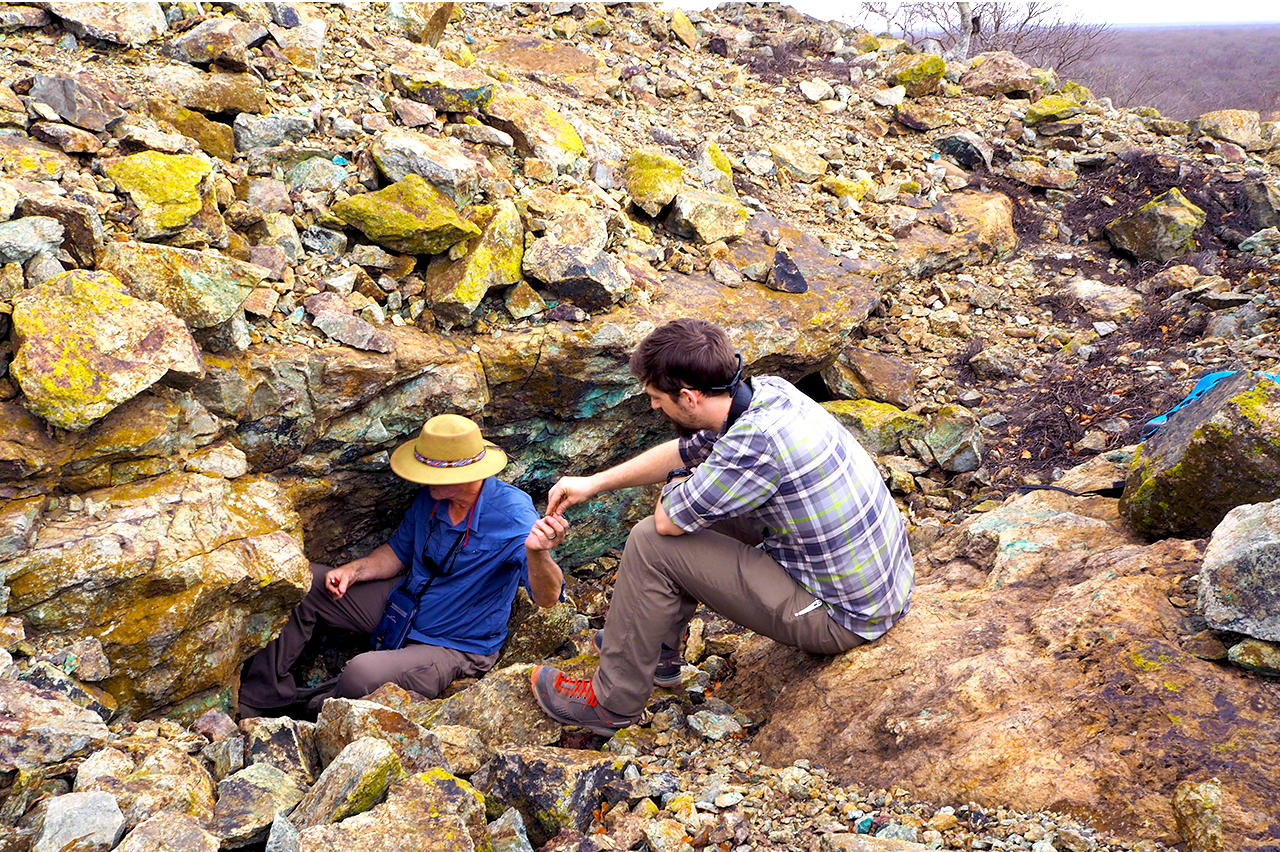
Researchers from the University of Missouri and colleagues used geochemical analysis on copper objects to uncover centuries of previously unknown connections within the region. Chemical and isotopic analysis of copper artifacts from southern Africa has unveiled new cultural connections among the people living in the region between the 5th and 20th centuries. The data shows the interaction between these groups not only involved the movement of goods, but also flows of information and the sharing of technological practices that come with that exchange.
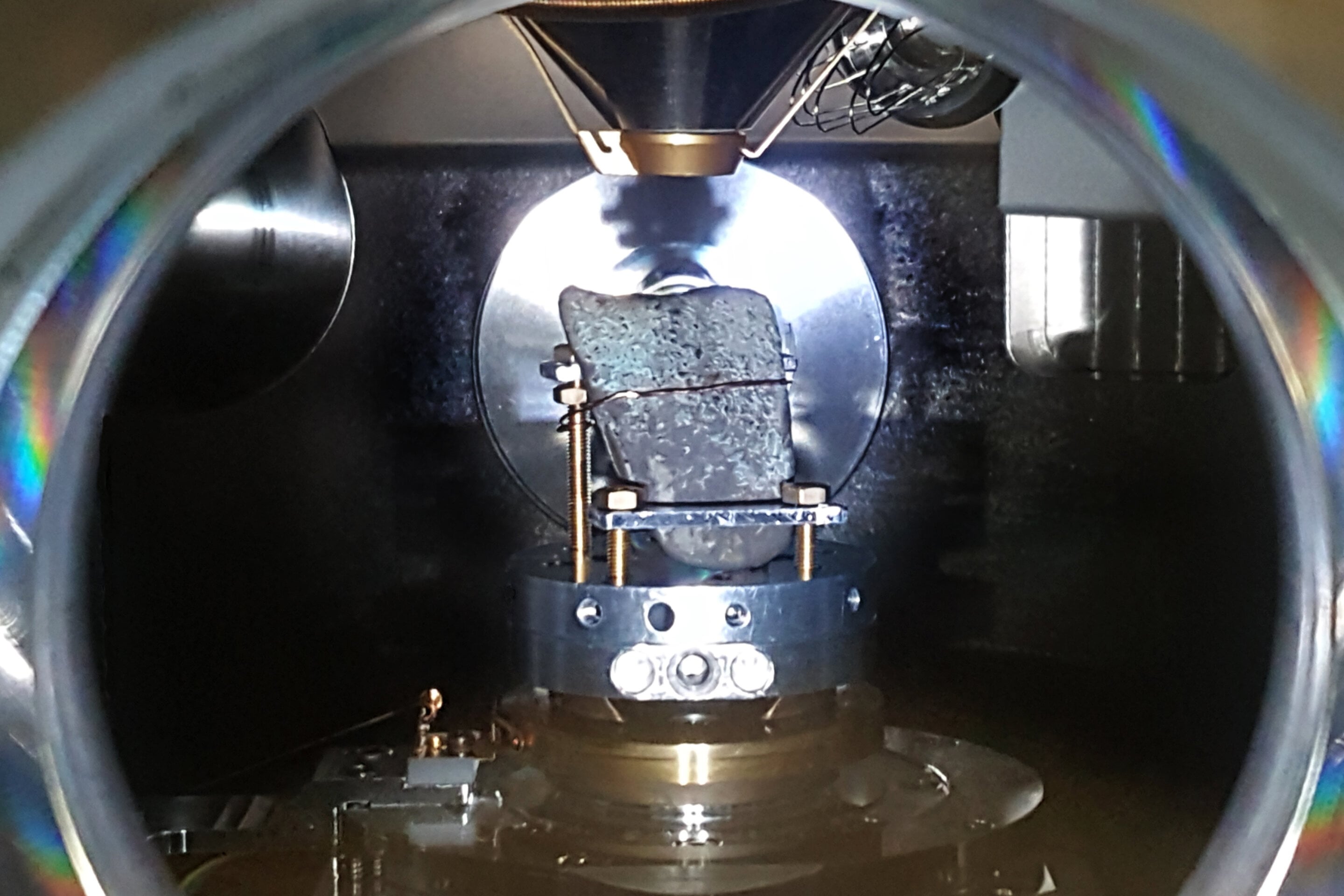
A study by Kiel University researchers analyzed 45 copper objects from various sites dating to the 4th and 3rd millennia BC of Northern Central Europe and Southern Scandinavia. The lead isotopic signature of the copper objects was examined to link them to previously sampled sources of ore around the European continent. The data indicate that artifacts from before 3500 BC derived exclusively from mines in southeast Europe, especially Serbian mining areas, while later artifacts include ores from the eastern Alps and Slovak Mountains and, much later, potentially the British Isles. These changes in the origins and availability of copper likely reflect differences in distribution networks through time, probably influenced by changing economies, social structures, communication networks, and technologies across prehistoric Europe.
Chemical and isotopic analysis of copper artifacts from southern Africa reveals new cultural connections among people living in the region between the 5th and 20th centuries. Scholars previously thought that people in the area between northern South Africa and the Copperbelt region in central Africa were only connected to imports coming from the Indian Ocean, but the data shows that the interaction between these groups involved the movement of goods, flows of information, and the sharing of technological practices. Copper ingots are excellent objects for this type of analysis because they often have emblematic shapes that allow archaeologists to identify specific markings and follow changes over different time periods.